
Coping With Separation Anxiety in Dogs
- Advertisement -
You’re not alone in dealing with separation anxiety in your dog, as approximately 15% of dogs suffer from this behavioral disorder that stems from hyper-attachment to their owners. To cope with separation anxiety, it’s essential to understand its causes, identify symptoms, and develop a treatment plan that involves gradual separation, positive reinforcement, and desensitization. By understanding what triggers your dog’s anxiety and implementing a tailored approach, you can help alleviate their stress and improve their well-being. As you explore these strategies, you’ll find more effective ways to support your dog in overcoming separation anxiety.
Key Takeaways
- A successful treatment plan for separation anxiety in dogs involves gradual separation, positive reinforcement, and desensitization.
- Identifying and minimizing stress triggers, such as changes in work schedule, can help reduce anxiety.
- Gradual separation techniques involve leaving the dog alone for short periods, starting with small increments, such as 5-10 minutes.
- Desensitization and proven methods to calm anxious dogs in crates are crucial steps in treating separation anxiety, helping dogs get used to departure cues, and associating being alone with positive experiences.
Understanding Separation Anxiety
Separation anxiety is a behavioral disorder in dogs caused by hyper-attachment to their owners. It’s a common issue that can cause significant stress for both dogs and their owners. Dogs with separation anxiety can’t cope with being left alone, leading to anxious behavior.
Separation anxiety isn’t a result of disobedience or spite. It’s a legitimate disorder that requires patience, understanding, and professional guidance, as supported by this comprehensive review on canine separation anxiety. A Certified Professional Dog Trainer can help you develop a plan to treat your dog’s separation anxiety.
Dogs with separation anxiety often exhibit destructive behavior when left alone, such as urinating, defecating, barking, and howling. To address the issue, it’s essential to understand the underlying causes of canine anxiety. A customized plan can help your dog feel more comfortable when you’re not home.
To overcome separation anxiety, it’s crucial to work with a professional and follow a structured plan. This approach can help your dog lead a happier, healthier life.
Identifying Causes and Symptoms
Identifying the underlying emotional states contributing to separation anxiety in dogs is crucial to addressing the issue. Changes in a dog’s environment, such as a change of guardian or family, schedule, residence, or household membership, can trigger separation anxiety.
Medical problems like urinary tract infections, hormone-related issues, or bladder stones must be ruled out first, as they can cause similar symptoms.
Other behavior problems, such as submissive or excited urination, incomplete house training, urine marking, juvenile destruction, and boredom, must be differentiated from separation anxiety.
Common symptoms of separation anxiety in dogs include:
- Urinating and defecating
- Barking and howling
- Chewing, digging, and destruction
- Escaping
Dogs may also display stress signals, such as:
- Dilated pupils
- Panting
- Yawning
- Salivating
- Trembling
- Pacing
These stress signals should be addressed and managed during treatment.
Developing a Treatment Plan for Separation Anxiety in Dogs
To create an effective treatment plan for separation anxiety in dogs, you need to set up situations that trigger anxiety without causing fear or anxiety. This approach helps your dog learn to cope with being alone. A successful plan involves gradual separation, positive reinforcement, and effective treatment for dog aggression.
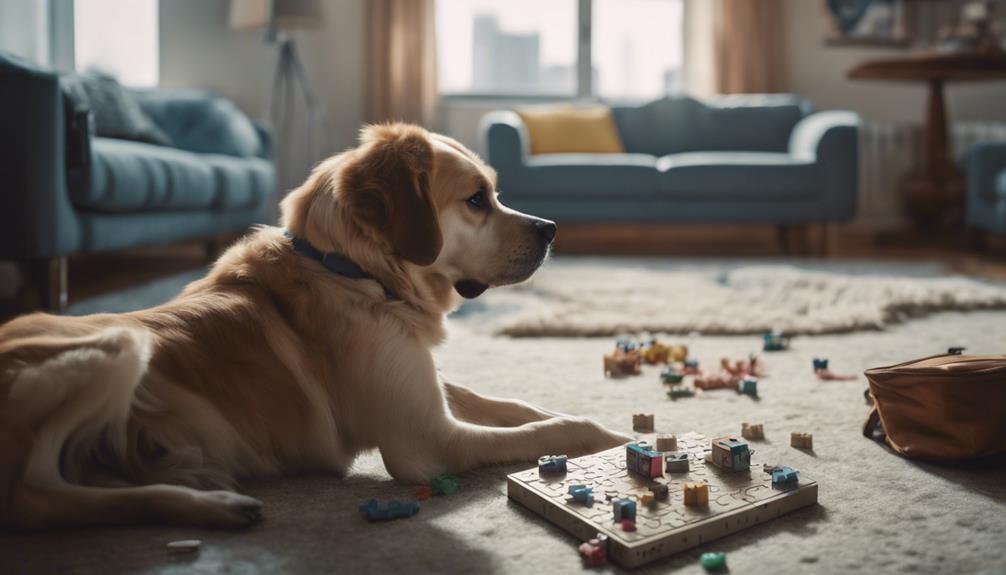
For mild cases, counterconditioning can be effective, as discussed in this Whole Dog Journal article on treating separation anxiety. This involves associating being alone with positive experiences, such as providing puzzle toys filled with food that take 20-30 minutes to finish. However, severe cases require more complex treatment, including medication and professional guidance from a certified animal behaviorist or veterinary behaviorist.
When developing a treatment plan, it’s essential to be patient, consistent, and gradual. Rushing the process can worsen the problem and make it harder to resolve. Working with a professional and committing to a thorough plan can help your dog overcome separation anxiety and lead a happier, healthier life.
Every dog is different, and what works for one dog may not work for another. A treatment plan should be tailored to your dog’s unique needs. With the right approach and support, you can develop a plan that helps your dog thrive.
Key elements of a treatment plan include:
- Gradual separation: Start by leaving your dog alone for short periods, then gradually increase the time.
- Positive reinforcement: Reward your dog for calm behavior when you leave or return.
- Desensitization: Help your dog get used to the stimuli that trigger anxiety, such as your departure.
- Counterconditioning: Associate being alone with positive experiences, such as puzzle toys or treats.
Desensitization and Counterconditioning
Desensitization and counterconditioning are crucial steps in treating separation anxiety in dogs. These techniques help rewire your dog’s response to being alone.
Step 1: Desensitize Your Dog to Departure Cues
Start by getting your dog used to your departure cues, such as putting on your coat or grabbing your keys, without leaving the house. Reward your dog with treats and praise for remaining calm. Once they’re comfortable with these cues, you can begin getting ready to leave for short periods, like 5-10 seconds. Gradually increase the time you’re away, but return before your dog shows signs of separation anxiety.
Step 2: Counterconditioning
Counterconditioning associates being alone with positive experiences. Use puzzle toys stuffed with food that take 20-30 minutes to finish. This provides mental stimulation and helps your dog link being alone with positive outcomes. Remove the puzzle toys when you return home to reinforce this connection. Feed your dog their daily meals in these puzzle toys to strengthen the positive association with being alone.
Combining Desensitization and Counterconditioning
Managing Separation Anxiety
Managing separation anxiety in dogs requires a two-part approach: reducing stress triggers and implementing gradual separation techniques. This helps your dog feel more comfortable when left alone. By doing so, you establish a foundation for overcoming separation anxiety.
To start, identify and minimize stress triggers that contribute to your dog’s anxiety. This can include changes in your work schedule, moving to a new home, or introducing new pets or family members.
Once you’ve addressed these triggers, you can begin gradual separation techniques. Gradual separation involves leaving your dog alone for short periods, starting with small increments, such as 5-10 minutes. During this time, engage your dog in a calming activity, like a puzzle toy filled with treats. Gradually increase the duration of your absence over time, rewarding your dog for calm behavior.
Consistency is key when managing separation anxiety. Stick to a routine, and avoid making a fuss over your dog when leaving or returning home. This helps your dog understand that your departure isn’t a cause for alarm.
Reducing Stress Triggers
Identifying and reducing your dog’s stress triggers is essential in managing separation anxiety. Common signs of stress include dilated pupils, panting, yawning, salivating, trembling, pacing, and exuberant greeting.
- Advertisement -
To minimize your dog’s anxiety when leaving the house, avoid making a big fuss over your departure. Refrain from picking up your keys or putting on your coat too early, as this can signal to your dog that you’re leaving.
If you notice your dog getting anxious, try going through the motions of preparing to leave without actually leaving. This can help your dog become less anxious over time. Consider hiring a dog sitter to stay with your dog shortly after you leave, providing comfort and reassurance.
To reduce stress triggers, try the following:
- Leave the house calmly and quietly.
- Avoid warnings of your departure, such as picking up keys or putting on your coat.
- Practice ‘false departures‘ by going through the motions of leaving without actually leaving.
- Hire a dog sitter to provide companionship and reassurance.
Gradual Separation Techniques
Gradually teaching your dog to cope with your absence is the next step in overcoming separation anxiety.
Start by making a plan to increase the time you leave your dog alone. Begin with short departures, starting at just a few seconds. When you return home, greet your dog calmly to prevent reinforcing anxious behavior. Gradually increase the time you’re away, but only if your dog can handle it. If you notice signs of stress, shorten the departure length to avoid making the problem worse.
As you increase the time, pay attention to your dog’s tolerance. The goal is to work up to 40-minute absences, as most anxious responses occur within this timeframe. If your dog shows signs of stress at any point, revert to the previous departure length. Be patient and consistent in your approach. It’s essential to find a balance between increasing the time and avoiding stress triggers.
When implementing the gradual separation technique, consider the following guidelines:
- Begin with short departures and gradually increase the time.
- Observe your dog’s behavior and adjust the departure length accordingly.
- Avoid reinforcing anxious behavior with excessive greeting or attention upon return.
- Work up to 40-minute absences, but prioritize your dog’s comfort and well-being.
Additional Strategies and Support
To address separation anxiety in dogs, you may need to make special arrangements when you’re away. Consider options like doggy daycare or hiring a trusted pet sitter to keep your dog company. For personalized guidance, consult a veterinarian, animal behaviorist, or certified dog trainer. They can provide expert advice tailored to your dog’s specific needs.
Alternative Arrangements
Considering alternative arrangements can help alleviate separation anxiety in dogs. Instead of leaving your dog alone, explore these options to provide comfort and security when you’re away:
- Take your dog to work: If possible, bring your dog to work with you. This provides constant companionship and reduces anxiety.
- Arrange for a caregiver: Ask a trusted family member or hire a dog sitter to stay with your dog. This offers emotional support and comfort.
- Doggy daycare or a dog walker: Enroll your dog in doggy daycare or hire a dog walker. This provides socialization and exercise, reducing stress and anxiety.
Leaving your dog in a car in moderate weather conditions can also be an option if necessary. These arrangements can help alleviate separation anxiety, making it easier to leave the house without feeling guilty or worried. By providing your dog with a sense of security and comfort, you can help them cope with separation anxiety.
Professional Guidance
If your dog’s separation anxiety persists despite alternative arrangements, consult a professional dog trainer or behaviorist for customized guidance and support. They can help you identify the underlying causes of your dog’s separation anxiety and develop a tailored plan to address it.
A professional can help you understand how your dog reacts when you’re away and provide strategies to reduce their anxiety. They may recommend desensitization techniques, counterconditioning, or anti-anxiety medication in severe cases.
With their expert advice, you can create a safe and comforting environment for your dog when you’re not around. Working with a professional can help you address your dog’s separation anxiety effectively, offering practical strategies such as gradual separation, positive reinforcement training, and environmental changes.
By seeking professional guidance, you can help your dog feel more secure and calm when they’re alone. This can improve their overall well-being and significantly reduce the stress associated with separation anxiety. Don’t hesitate to seek help – it’s a crucial step in addressing your dog’s separation anxiety.
Frequently Asked Questions
How to Break Separation Anxiety in Dogs?
Breaking separation anxiety in dogs requires a gradual approach.
Start by creating a calm atmosphere through exercises, music, and toys. Establish a consistent routine that includes a quiet goodbye to reduce stress. Leave a distraction, such as a treat-filled toy, to keep your dog mentally stimulated. Designate a safe space for your dog to relax, and reward calm behavior with positive reinforcement.
When leaving the house, begin with short periods and gradually increase the duration. This helps your dog get used to being alone without you. You can also try leaving a TV or radio on to provide background noise. Consistency is key, so stick to your routine even on weekends or days off.
Remember to reward your dog for calm behavior, such as sitting or lying down quietly. Avoid punishing or scolding your dog for anxious behavior, as this can make the problem worse. With patience and consistency, you can help your dog overcome separation anxiety.
How Do I Stop My Dog From Crying When I Leave?
When you leave, your dog cries due to separation anxiety. To address this, adjust your departure routine to minimize stress. Utilize calming aids like soothing music or a familiar scent to create a calm environment. Gradually increase your departure time to prepare your dog for your absence.
Provide distracting toys or treats to keep them occupied. Create a safe space for your dog to relax in, and make your exits calm and quiet. Consistency and patience are key to helping your dog cope with your departure.
To reduce your dog’s stress when you leave, try the following:
- Use a consistent departure routine to signal to your dog that you’re leaving.
- Leave a familiar object with your scent, such as a t-shirt or sock, to provide comfort.
- Provide a treat-filled toy or a long-lasting chew to keep your dog occupied.
- Create a quiet space for your dog to relax in, away from distractions.
Can Dog Separation Anxiety Be Cured?
Separation anxiety in dogs is a distressing condition for both pets and their owners. If you notice persistent changes in your dog’s behavior when they’re left alone, it may be a sign that their basic sense of security has been shaken. Start by addressing small indicators, such as rapid eating or excessive elimination, to determine if separation anxiety in dogs is the underlying cause.
Behavioral issues, like barking or repetitive actions triggered by separation, can often be managed with consistent training. Identifying and addressing specific triggers—like when your dog reacts to you leaving the house—can help mitigate the impact of anxiety. Implementing techniques such as crate training or using calming aids may provide relief for both your dog and your household.
Certain breeds, such as Border Collies or German Shepherds, may be more prone to separation anxiety. Understanding the unique needs of your dog’s breed can make a significant difference in how you approach their anxiety. Anxious owners should also educate themselves on effective methods to reduce stress without exacerbating the problem for their pets.
Since separation anxiety can be complex, it’s important to approach treatment with patience and persistence. Incorporating behavioral therapies or consulting with a professional trainer can provide your dog with the tools they needs to feel more secure when you’re away. By understanding and addressing the root causes of separation anxiety, you can create a calmer, happier environment for your dog and yourself.
What Is the Best Medication for Separation Anxiety in Dogs?
When addressing separation anxiety in dogs, it’s crucial to consult with your vet to identify the most effective medication or natural remedy. Your vet will evaluate your dog’s anxiety level, any underlying phobias, and breed-specific tendencies to determine the best course of action. Separation anxiety in dogs often requires a combination of medication, behavioral therapy, and a personalized treatment plan. It’s important not to rely solely on calming aids or medication; instead, work closely with your vet to develop a comprehensive approach that addresses your dog’s unique needs, whether you’re dealing with breeds prone to anxiety, like the Border Collie or German Shepherd, or any other type of dog.
In summary
Understanding the underlying causes of separation anxiety in dogs is crucial in helping your dog feel more secure when you’re away. Separation anxiety in dogs often resembles a panic response seen in humans, which is why behavioral techniques like desensitization and counterconditioning prove to be highly effective. To effectively manage separation anxiety, it’s essential to develop a tailored treatment plan that includes patience, consistency, and the use of appropriate strategies such as crate training or interactive toys. By implementing this approach, you can significantly alleviate your dog’s distress, thereby strengthening your bond and improving your overall relationship.
- Advertisement -