
Pain Relief After Dog Dental Procedures: What to Know
- Advertisement -
As a pet owner, you play a vital role in ensuring your dog's smooth recovery after dental procedures, and providing adequate pain relief is essential to prevent discomfort, stress, and anxiety during this period. You'll need to monitor your dog's behavior for signs of pain, such as whining or changes in appetite, and administer pain relief medication as directed to minimize discomfort and promote healing. Failure to do so can lead to prolonged recovery. Additionally, keeping the surgical site clean, maintaining oral hygiene, and restricting activity will also support a smooth recovery. By following these guidelines, you'll be well on your way to helping your dog heal comfortably and quickly.
Key Takeaways
- Monitor your dog's behavior for signs of pain, such as whining, panting, or changes in appetite, and report to the veterinarian if necessary.
- Pain medication may be prescribed to control discomfort, and it's essential to administer it as directed to minimize discomfort and promote healing.
- Failure to administer pain medication as directed can lead to prolonged recovery, stress, and anxiety in dogs.
- Adequate pain management ensures a smooth recovery, reduces stress and anxiety, and helps your dog feel more comfortable.
- Keep in mind that your veterinarian may recommend a specific pain relief plan tailored to your dog's needs, so be sure to follow their instructions carefully.
Pre-Surgery Preparation and Care
Before your dog has dental surgery, take these essential steps to ensure a safe and smooth procedure.
First, consult with a veterinarian to determine the best course of action for your dog's tooth extraction. They will provide specific instructions to follow before the surgery, which are crucial to your dog's safety.
Fasting may be required before surgery to reduce anesthesia risks. Your veterinarian will advise on the necessary duration. Make sure your dog's vaccinations are up-to-date to prevent complications.
Discuss potential risks and complications with your veterinarian to understand what to expect during and after the procedure.
After surgery, follow your veterinarian's instructions carefully to ensure a smooth recovery. Monitor your dog's vital signs, such as temperature, pulse, and breathing rate. Provide a quiet, comfortable space for your dog to recover and limit physical activity to prevent injury to the surgical site. This will help minimize pain and ensure effective pain management.
Managing Pain and Infection
After dental surgery, managing your dog's pain and preventing infection are crucial for a smooth recovery. Monitor your dog's behavior for signs of pain, such as whining, panting, or changes in appetite. Your veterinarian may prescribe pain medication, like non-steroidal anti-inflammatory drugs, to control discomfort. Follow the dosage instructions carefully and complete the full course of treatment.
Infection is a potential complication, especially in dogs with periodontal disease. Your veterinarian may prescribe antibiotics to prevent or treat infection. Keep the surgical site clean and watch for signs of infection, such as redness, swelling, or discharge.
Your dog may experience some discomfort after oral surgery, but it should be manageable with pain medication. If you notice any signs of pain or infection, contact your veterinarian immediately. They may need to adjust the pain medication or provide additional treatment to prevent complications.
Nutrition and Hydration After Surgery

After dental surgery, it's crucial to focus on your dog's nutrition and hydration to ensure a smooth recovery. A balanced diet is vital to provide your dog with the necessary nutrients for healing. Start by offering soft foods like canned food or cooked dog food, which are easy to chew and swallow. Adding a small amount of tasty ingredients like peanut butter or cream cheese can encourage your dog to eat.
Ensure your dog stays hydrated by providing plenty of fresh water. You can add a small amount of low-sodium chicken broth to their water to make it more appealing. Avoid giving your dog hard treats or chews, as they can cause discomfort and pain in their mouth. Instead, opt for dental chews or soft treats that are gentle on their mouth.
Oral rinses can help reduce bacteria and promote healing in your dog's mouth. However, always consult with your veterinarian before using any oral rinses or products. By prioritizing nutrition and hydration, you can help your dog recover quickly and comfortably after dental surgery.
Activity Restrictions and Oral Hygiene
During the recovery period after dental procedures, your dog needs a balance between rest and oral hygiene to prevent complications and promote healing.
To prevent excessive bleeding, swelling, and discomfort, restrict your dog's activity level. Limit exercise and playtime, and avoid activities that may dislodge the blood clot or stitches, such as running, jumping, or playing fetch. Instead, opt for short, gentle walks and quiet time indoors.
Maintaining oral hygiene is crucial to prevent infection and promote healing. Follow your veterinarian's guidance on caring for your dog's mouth after dental procedures. Typically, this involves gently wiping your dog's mouth with a damp cloth or gauze to remove food debris or plaque. You may also need to apply an oral antimicrobial gel or rinse to prevent infection.
Remember to follow your veterinarian's instructions carefully to ensure your dog's tooth and gums heal properly.
Monitoring and Follow-Up Care

Monitoring and Follow-Up Care
After dental procedures, it's crucial to monitor your dog's recovery progress closely to prevent complications and ensure a smooth recovery.
Monitor the surgical area for signs of infection or complications, such as redness, swelling, or discharge.
To ensure a successful recovery, follow these steps:
- Watch for signs of infection, including redness, swelling, or discharge, and contact your veterinarian immediately if you notice any unusual changes.
- Schedule follow-up appointments with your veterinarian to assess healing progress and discuss oral home care and tooth brushing.
- Use E-collars as needed to prevent irritation to the surgical area and promote healing.
- Keep an eye on any changes in your dog's behavior or appetite, as these can indicate potential complications or pain.
Pain Medications and Protocols
Your veterinarian will prescribe pain medications to ensure your dog's comfort during the recovery period. These medications are designed to alleviate discomfort associated with dental procedures, promoting a swift recovery. The type and duration of pain medication will depend on the extent of the dental care procedure, your dog's overall health, and their individual response to pain.
Common pain medications used in veterinary medicine include NSAIDs (non-steroidal anti-inflammatory drugs) and opioids. NSAIDs reduce pain and inflammation, while opioids are typically reserved for more severe pain. Your veterinarian may recommend a combination of medications for ideal pain relief.
Follow the prescribed pain medication protocol carefully to ensure your dog receives the correct dosage at the right time. Failure to adhere to the protocol can lead to inadequate pain relief, putting your dog's comfort at risk. Monitor your dog's response to pain medications and report any adverse reactions or concerns to your veterinarian promptly.
Recognizing Signs of Pain
- Advertisement -
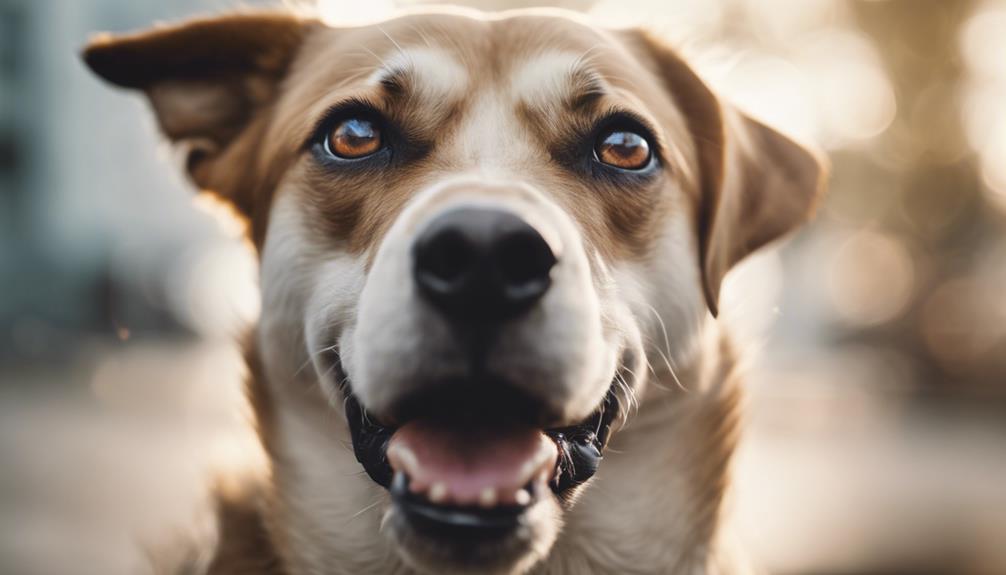
Recognizing signs of pain in your dog is crucial for their comfort and well-being, especially after dental procedures. As a dog owner, it's essential to be aware of the subtle signs of pain your dog may exhibit, as they can indicate underlying dental problems.
Changes in Behavior: Monitor your dog's behavior for changes such as decreased appetite, lethargy, or hiding, which can indicate oral discomfort.
Physical Cues: Look for slight changes in posture, drooling, squinting, or staring, which can be signs of pain responses.
Tooth-Related Issues: Fractured teeth can be extremely painful for your dog and require proper pain management.
Stoic Nature: Remember that dogs can hide pain, so it's essential to monitor for subtle signs of discomfort.
Recognizing these signs is vital, as they can indicate underlying dental disease. If left untreated, dental disease can lead to long-term oral pain, affecting your dog's quality of life. By monitoring for signs of pain, you can ensure your dog receives the necessary pain management and dental care to prevent and alleviate oral discomfort.
Home Care and Recovery Tips
After dental procedures, your dog needs careful observation and gentle care for several days to ensure a smooth recovery. To maintain their oral health, continue regular tooth brushing to prevent tartar accumulation and secure the success of the dental cleanings.
Provide your dog with dog-friendly chew toys that won't irritate their mouth or dislodge sutures. Monitor their appetite and water intake, and report any changes to your veterinarian.
Create a comfortable and quiet environment for your dog to rest. Avoid strenuous activities like running or jumping, and keep them on a short leash to prevent excessive excitement. This will help them recover quickly and safely.
Importance of Post-Op Care

Post-operative care is crucial for your dog's successful recovery from dental procedures. Failure to follow instructions can lead to complications, prolonged recovery, and even lifelong health issues.
To ensure a smooth recovery, follow these essential post-op care tips:
- Monitor appetite and water intake: Check your dog's eating habits and water consumption to ensure they're staying hydrated and nourished.
- Administer pain relief medication: Give pain medication as directed by your veterinarian to minimize discomfort and promote healing.
- Limit physical activity: Restrict your dog's activity to prevent injury or dislodging of the dental work.
- Maintain good oral hygiene: Brush your dog's teeth as instructed by your veterinarian to prevent plaque buildup and promote healthy gums.
Frequently Asked Questions
How Do I Comfort My Dog After Dental Surgery?
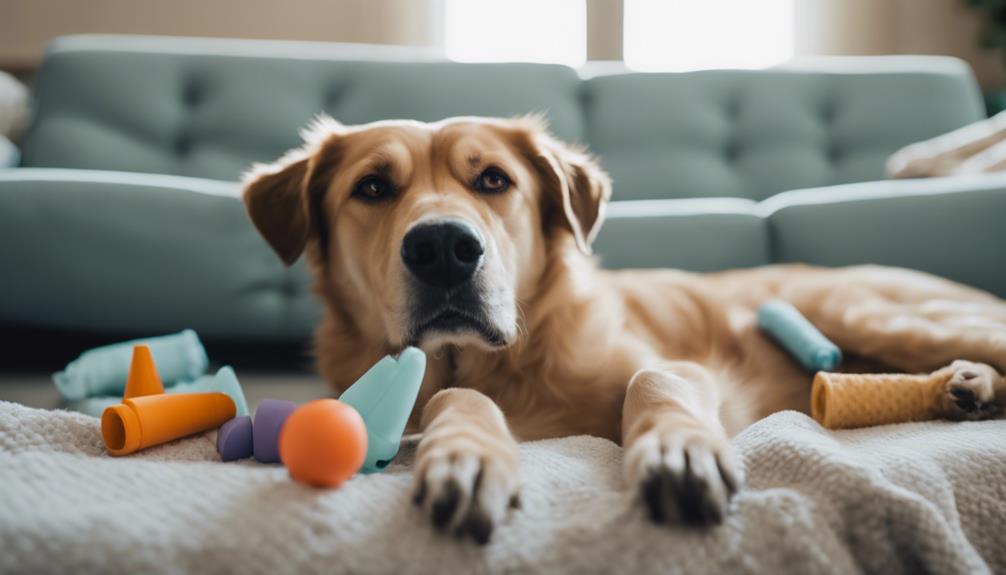
After dental surgery, your dog needs a comfortable and calm environment to recover. Set up a quiet space with minimal noise and exercise. Feed them soft, easy-to-eat food to avoid discomfort while eating. Provide warm beds or cozy blankets to help them relax. Use calming aids like pheromone diffusers or calming music to reduce anxiety. Gentle care and a peaceful atmosphere are essential for a smooth recovery.
To ensure your dog feels more at ease, offer gentle touch and reassurance. Minimize changes to their routine and provide familiar objects, like their favorite toys, to reduce stress. Monitor their condition closely and follow your veterinarian's instructions for post-operative care. By creating a comfortable and stress-free environment, you'll help your dog recover quickly and safely from dental surgery.
How Long Are Dogs in Pain After Dental Surgery?
Dogs typically experience discomfort for 2-5 days after simple dental extractions and up to 7-14 days for more complex procedures. Factors like age, size, and overall health influence their pain tolerance. Monitoring their behavior is crucial to adjusting their pain management strategy.
Recovery timelines vary, but most dogs will feel uncomfortable for a few days to a week or more, depending on the extent of the surgery. It's essential to work closely with your veterinarian to develop a plan for managing your dog's pain during this time.
What Should I Watch After My Dogs Dental Surgery?
After your dog's dental surgery, monitor the anesthesia effects, bleeding, and swelling. Check the incision site daily for signs of infection, such as redness, discharge, or a bad smell. Ensure sutures are healing properly and watch for unusual drainage or redness. Track your dog's appetite and temperature to ensure a smooth recovery.
Identify potential complications early by monitoring these key areas:
- Anesthesia effects: lethargy, vomiting, or whining
- Bleeding: excessive bleeding or bleeding that doesn't stop
- Swelling: severe swelling or swelling that gets worse
- Incision site: redness, discharge, or a bad smell
- Sutures: loose or broken sutures
- Appetite: loss of appetite or refusal to eat
- Temperature: fever over 102°F (39°C)
Do Dogs Need Pain Meds After Dental Cleaning?
Dogs often require pain medication after a dental cleaning due to their lower pain threshold compared to humans. Your veterinarian will discuss medication options with you, taking into account factors such as the effects of anesthesia and any dental anxiety your dog may have.
The goal of post-procedure care is to manage your dog's discomfort. Your vet will tailor a plan to your dog's specific needs, which may include prescription medication or alternative options. It's essential to consider the risks associated with medication when making a decision.
Keep in mind that dental cleaning can be a painful experience for dogs, and medication can help alleviate their discomfort. By working with your veterinarian, you can ensure your dog receives the appropriate care to recover comfortably.
In summary
To ensure your dog's smooth recovery after a dental procedure, follow these essential steps for pain relief and post-operative care.
Proper pain management and infection control are crucial. You'll need to monitor your dog's discomfort and watch for signs of infection, such as redness, swelling, or discharge.
Nutrition and hydration are also vital. Feed your dog a bland, easily digestible diet, and ensure they have access to plenty of fresh water.
Restrict your dog's activities to prevent complications and promote healing. Avoid exercising or playing with your dog until the veterinarian has given the all-clear.
Maintain good oral hygiene by following the veterinarian's instructions for cleaning your dog's teeth and mouth.
Remember, post-operative care is critical to a successful surgery and your dog's overall health. By following these steps, you can help your dog recover quickly and comfortably.
- Advertisement -