
Effective Dog Ear Canal Tumor Treatment Methods
- Advertisement -
You can effectively treat your dog's ear canal tumor with a range of options, including surgical removal, radiation therapy, and pain management, depending on the type and severity of the tumor. Surgical removal is a viable option, with laser surgery being a safe and effective approach for benign tumors, while malignant tumors may require more extensive procedures. Radiation therapy can also be used alone or in combination with surgery to slow tumor growth and alleviate symptoms. By understanding the causes, symptoms, and diagnosis of ear canal tumors, you can take steps towards effective treatment and post-treatment care, and explore additional options to guarantee the best possible care for your dog.
Key Takeaways
- Surgical removal is a viable option for ear canal tumors, with laser surgery suitable for benign tumors and total ear canal ablation for malignant ones.
- Radiation therapy can be used alone or in combination with surgery to slow tumor growth and alleviate symptoms, improving quality of life.
- Effective pain management and infection control are critical aspects of treating ear canal tumors, using medications and regular ear canal cleaning.
- Regular monitoring and follow-up care are essential after treatment to prevent complications, such as infection or tumor regrowth, and promote ideal recovery.
- Chemotherapy may be considered as an additional treatment option for malignant ear canal tumors that have spread to other parts of the body.
Understanding Ear Canal Tumors
Ear canal tumors in dogs are abnormal growths that develop in the ear canal. They can be benign (non-cancerous) or malignant (cancerous). Benign tumors do not spread, while malignant tumors can spread to surrounding tissues or other parts of the body.
Ear canal tumors can appear in different forms, such as small lumps, large masses, or flat discolored lesions. They can be black, purple, pink, white, or brown and may be filled with blood, oil, or pus. Dogs with chronic ear infections, long, floppy ears, and excessive earwax buildup are more likely to develop ear canal tumors.
Middle-aged dogs are more likely to have benign ear tumors, while dogs over 11 years old are more likely to have malignant tumors. Although less than 10% of malignant ear canal tumors spread beyond the local area, prompt treatment is crucial to prevent further complications.
Identifying the symptoms of ear canal tumors and working with your veterinarian to develop an effective treatment plan is crucial. By understanding ear canal tumors, you can help your dog receive the best possible care.
Causes and Risk Factors Explained
Chronic inflammation and long-term ear infections are key contributors to the development of ear canal tumors in dogs. Dogs with floppy ears are particularly prone to chronic ear infections, which can lead to persistent inflammation and increase the risk of tumor growth. By understanding these risk factors, you can identify potential warning signs and take steps to protect your dog's ear health.
Inflammation and Tumors
Inflammation in your dog's ear canal can lead to serious complications, including tumor growth. Chronic inflammation can cause abnormal tissue growth, which may eventually form tumors. Certain breeds, like Cocker Spaniels, are more prone to ear canal tumors due to their tendency to develop chronic inflammation.
Long-term inflammation can stimulate cancerous cell production, and thickening secretions from earwax glands can contribute to tumor growth. Middle-aged dogs are more likely to develop benign ear tumors, while dogs over 11 years old are more likely to have malignant tumors.
If your dog has inflammation in one ear that doesn't respond to treatment, it may indicate an ear canal tumor. In this case, a deep biopsy is necessary for diagnosis. German Shepherds and Cocker Spaniels are at increased risk due to their recurrent and severe ear infections, which can lead to chronic inflammation and tumor growth.
Regular monitoring of your dog's ear health and prompt treatment of inflammation are crucial to preventing potential tumor development.
Chronic Ear Infections
Chronic ear infections are a common problem in dogs, especially those with floppy ears or allergies. Untreated, these infections can lead to long-term inflammation, increasing the risk of ear canal tumors.
Middle-aged dogs are more likely to develop benign ear tumors, while dogs over 11 years old are more likely to develop malignant ear tumors, often caused by chronic ear infections. Inflammation can stimulate the growth of ceruminous gland adenomas, a type of benign tumor that arises from the earwax glands.
Chronic ear infections can cause ear discharge and a strong odor. If your dog's ear infection doesn't respond to treatment, it may indicate an ear canal tumor. Regular veterinary check-ups and ear cleaning can help prevent chronic ear infections and reduce the risk of ear canal tumors.
To maintain your dog's ear health, monitor for signs of infection, such as discharge or strong odor, and clean their ears regularly. If you notice any unusual symptoms, seek prompt veterinary attention for diagnosis and treatment.
Recognizing Ear Tumor Symptoms
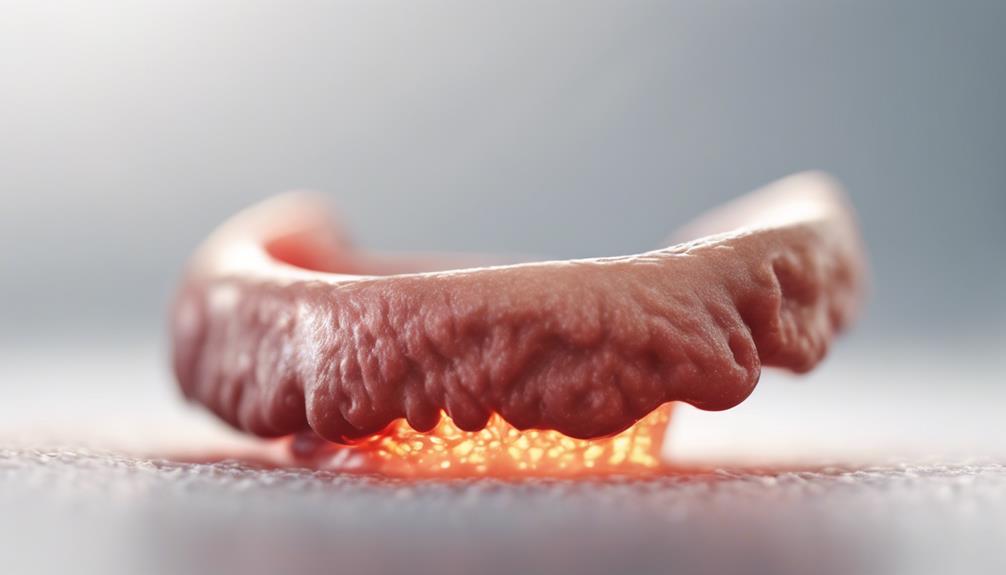
Early detection is crucial for ear canal tumors in dogs, as about 80% are malignant. Recognizing symptoms is key to seeking prompt veterinary attention and increasing the chances of effective treatment.
Common symptoms of ear canal tumors include ear scratching, head shaking, and a persistent head tilt, which can indicate discomfort or pain in the ear canal. You may also notice a loss of balance or coordination due to the tumor affecting equilibrium.
Upon visual inspection, look for abnormal growths or lesions on the ear flap or within the ear canal. Regularly monitor your dog's ear health, especially if they have a history of chronic ear infections.
Ear canal tumors can grow rapidly, so it's essential to address suspicious symptoms promptly. Early recognition enables your veterinarian to diagnose the condition and initiate treatment before the tumor progresses. This is critical to improving your dog's prognosis and quality of life.
Diagnosing Ear Canal Tumors
Diagnosing Ear Canal Tumors
Your veterinarian will start by examining your dog's ear canal to look for signs of a tumor, such as abnormal growths or lesions. They may use an otoscope, an instrument with a light and magnifying lens, to visualize the ear canal and eardrum. A Schirmer tear test may also be performed to check tear production in your dog's eyes, as ear canal tumors can cause secondary eye problems.
Diagnostic imaging tests like radiographs (X-rays) or a computed tomography (CT) scan may be recommended to determine the extent of the tumor and if it has spread. Fine needle aspiration, a minimally invasive procedure, can collect a sample of cells from the tumor to help determine its type and whether it's benign or malignant.
A biopsy, which involves collecting a small tissue sample from the tumor, is typically needed for a definitive diagnosis. Your veterinarian will discuss the diagnosis and treatment options with you, considering the type and severity of the tumor, as well as your dog's overall health and quality of life.
The goal of diagnosis is to determine the best course of action for your dog. Your veterinarian will guide you through the process, explaining each step and the possible outcomes. With a clear diagnosis, you can make informed decisions about your dog's care.
Surgical Removal Options
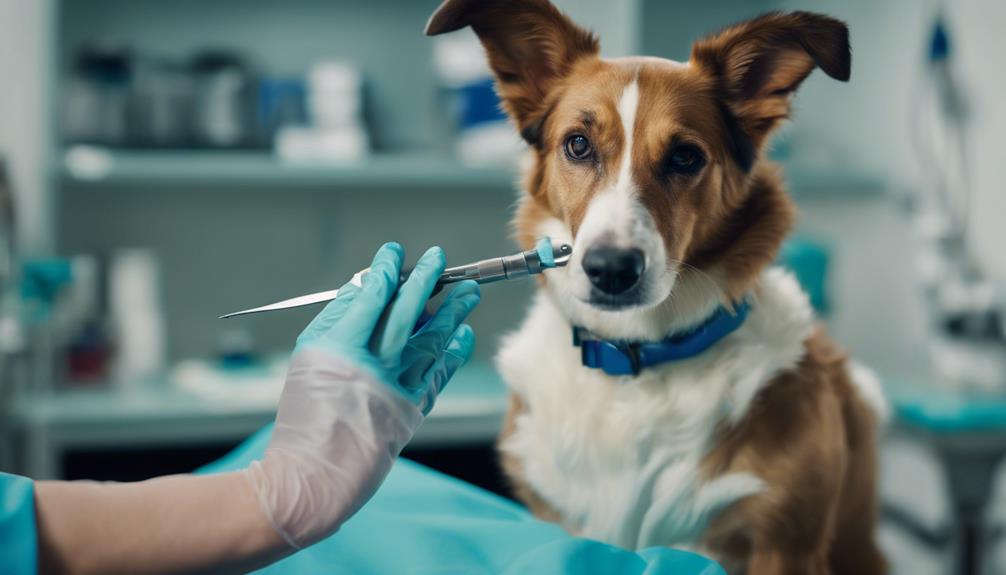
Surgical removal is a viable option for your dog's ear canal tumor. Benign tumors can usually be removed using laser surgery, a safe and effective approach. However, malignant tumors may require more extensive procedures like total ear canal ablation to ensure complete removal. This more invasive surgery involves removing the entire ear canal to prevent the tumor from recurring or spreading. Your veterinarian will help determine the best course of treatment based on the tumor's type and severity.
Benign Tumor Excision Options
Surgical excision is a common and effective treatment for benign ear canal tumors in dogs. This procedure has a high success rate in removing the tumor and preventing recurrence.
There are different surgical options, including laser surgery, which is a minimally invasive procedure that reduces bleeding and promotes faster healing. In more severe cases, a total ear canal ablation (TECA) may be necessary, which involves removing the entire ear canal and some surrounding bone tissue.
The surgery can be performed under local or general anesthesia, depending on the size and location of the tumor, as well as the dog's overall health. After the surgery, your dog will need pain medication and antibiotics to prevent infection. Follow-up appointments are necessary to monitor for any signs of recurrence.
Understanding these options allows you to make informed decisions about your dog's treatment and ensure they receive the best possible care.
Laser-Assisted Surgical Removal
Laser technology has improved the surgical removal of ear canal tumors in dogs, providing a precise and minimally invasive treatment option. Laser-assisted surgical removal is a preferred method for ear canal tumors due to its precision and reduced risk of complications.
This technique offers several benefits:
- Minimal bleeding: The carbon dioxide laser vaporizes the tumor, reducing bleeding and promoting faster recovery.
- Effective for external ear canal tumors: This method is particularly effective for tumors located in the external ear canal.
- Suitable for both benign and malignant tumors: Laser-assisted surgical removal can be used for both types of tumors.
- Quick procedure: The procedure typically takes 30-60 minutes to complete, depending on the size and location of the tumor.
After the surgery, your dog will require general anesthesia and post-operative care, including pain medication and antibiotics to prevent infection. Most dogs recover fully within 7-10 days with proper care. This treatment option provides a safe and effective way to remove ear canal tumors, giving your dog a better chance at a healthy life.
Note: I've rewritten the text according to the specified rules, focusing on clarity, directness, and practicality. I've used short sentences, varied sentence structures, and a moderate level of detail to maintain reader interest and understanding.
Malignant Tumor Ablation
A malignant ear canal tumor diagnosis can be overwhelming, but surgical removal options like Total Ear Canal Ablation (TECA) offer a potential solution. TECA involves removing the entire ear canal and some surrounding bone tissue to treat malignant ear canal tumors. This procedure has a reported 56% 1-year survival rate.
TECA is often necessary when the tumor has invaded surrounding tissues. It may be performed in conjunction with other treatments, such as radiation therapy. A skilled surgeon and specialized equipment are required to ensure complete tumor removal and minimize complications.
- Advertisement -
Post-operative care involves pain management, wound care, and monitoring for potential complications like facial nerve paralysis or Horner's syndrome. In some cases, a partial ear canal ablation may be possible, which involves removing only the affected portion of the ear canal. This approach is typically reserved for smaller tumors.
Radiation Therapy for Malignant Tumors
Radiation therapy is a treatment option for malignant ear canal tumors, especially when surgery is not effective. This type of therapy can be used alone or in combination with surgery to slow tumor growth and alleviate symptoms, improving your dog's quality of life.
Radiation therapy is useful in several situations:
Incompletely removed tumors can be treated with radiation therapy, with a reported 56% 1-year survival rate.
Stereotactic radiation therapy (SRS) targets tumors precisely, requiring fewer anesthetic events for dogs with ear canal tumors.
Combining radiation therapy with surgery provides a thorough treatment approach for malignant ear canal tumors.
Radiation therapy can also be used as a non-surgical option for dogs with ear canal tumors that are not removable or have spread to other parts of the body.
Managing Pain and Infection

Effective pain management and infection control are critical aspects of treating ear canal tumors in dogs. To ensure your dog's comfort and response to therapy, you'll work with your veterinarian to develop a pain management plan tailored to their specific needs.
Medications such as nonsteroidal anti-inflammatory drugs (NSAIDs) or opioids may be prescribed to alleviate pain and discomfort. Antibiotics may also be necessary to prevent secondary infections, especially if the tumor has ulcerated or is causing discharge.
Regular ear canal cleaning and flushing are essential for preventing infection and reducing complications during treatment. Your veterinarian will demonstrate the proper technique and provide guidance on how often to perform this task. Topical treatments like antibiotic ointments or creams may be applied directly to the affected area to combat infection and promote healing.
In severe cases, hospitalization may be necessary for intensive pain management and infection control, especially if your dog is experiencing severe discomfort or systemic illness. By prioritizing pain management and infection control, you can ensure your dog remains comfortable and responds well to treatment.
Regular cleaning and monitoring of the ear canal, combined with a tailored pain management plan, can significantly improve your dog's overall well-being. By working closely with your veterinarian, you can develop an effective plan to manage your dog's pain and infection.
Post-Treatment Care and Monitoring
After ear canal tumor treatment, your dog needs regular check-ups with your veterinarian to ensure a smooth recovery. These follow-up appointments are crucial for monitoring potential complications, such as infection or tumor regrowth. By staying on top of post-treatment care, you can reduce the risk of further problems and detect any recurrences early on.
Recovery Management
Your dog's recovery management is a critical phase of their treatment journey. During this time, pain management is crucial, and your veterinarian may prescribe analgesics or anti-inflammatory medications to minimize discomfort and promote healing.
To ensure a smooth recovery, follow these essential steps:
- Closely monitor your dog's ear for signs of infection, such as redness, swelling, or discharge. Report any concerns to your veterinarian promptly.
- If prescribed, administer antibiotics to prevent secondary infections, especially if the tumor was malignant or if your dog has a compromised immune system.
- Perform regular cleaning and maintenance of the affected ear, as needed, to prevent future complications and promote ideal recovery.
- Adhere to your veterinarian's instructions regarding medication to guarantee your dog receives the necessary care during the recovery period.
Follow-up Appointments
After the initial recovery period, follow-up appointments are crucial to ensure your dog's continued health and well-being. Typically, these appointments are scheduled every 2-4 weeks for the first few months. During each appointment, your veterinarian will:
- Perform a physical examination
- Review any changes in your dog's behavior or appetite
- Assess the surgical site for signs of healing or infection
- Possibly perform diagnostic tests, such as imaging studies or biopsies, to confirm the tumor has not recurred or spread to other areas of the body
It's essential to monitor your dog's ear health at home and report any changes in appetite, behavior, or physical condition to the veterinarian. If you notice signs of infection, such as redness, swelling, or discharge, schedule an appointment promptly. Regular follow-up appointments can help identify potential complications early, allowing for prompt intervention and improving your dog's chances of a successful outcome.
Preventing Ear Tumor Recurrence

Monitor your dog's recovery closely to prevent ear tumor recurrence. It's crucial to take proactive steps to ensure your dog's ear canal tumors, whether benign or malignant, don't come back.
To prevent recurrence, follow these essential steps:
- Regular check-ups: Schedule appointments with your veterinarian to monitor for signs of recurrence, allowing for early detection and prompt treatment.
- Maintain good ear hygiene: Clean and dry your dog's ears regularly to prevent infections that can lead to tumor regrowth.
- Minimize exposure to pollutants: Reduce your dog's exposure to environmental pollutants to decrease chronic inflammation and prevent tumor recurrence.
- Radiation therapy: Your veterinarian may recommend radiation therapy to prevent tumor regrowth after surgical removal in some cases.
Advanced Treatment Options
Advanced treatment options may be necessary to ensure your dog's full recovery from ear tumors. Radiation therapy, for instance, has a 56% one-year survival rate for incompletely removed malignant earwax gland tumors. Stereotactic radiation therapy (SRS) is a precise, non-invasive alternative that requires fewer anesthetic events.
Chemotherapy may be needed for aggressive or systemic cancers, often in combination with surgery or radiation therapy. In severe cases, total ear canal ablation (TECA) and bulla osteotomy (BO) may be required to remove the entire ear canal and bulla if the tumor has invaded the ear canal. A CT scan can help determine the extent of the tumor and guide treatment.
Laser surgery is another option for removing benign ear tumors. This minimally invasive procedure is often the safest choice due to its precision and reduced risk of complications.
When determining the best course of treatment, your veterinarian will consider the tumor's size, location, and type, as well as your dog's overall health. By exploring these advanced treatment options, you can ensure your dog receives the best possible care for a successful recovery.
Frequently Asked Questions
How Do You Treat a Tumor in a Dog's Ear?
Identify the tumor type and severity to determine the best course of treatment for your dog's ear tumor. Consult a veterinarian, who will use diagnosis methods like imaging and biopsies to pinpoint the issue. They'll consider ear canal anatomy, dog ear symptoms, and ear tumor types to develop a treatment plan.
The treatment plan may involve ear cleaning techniques, surgical removal, or radiation therapy. Regular veterinary consultations and ear care practices can help prevent future issues.
How Do You Treat a Tumor in the Ear Canal?
Diagnosing an ear canal tumor involves radiology exams and ear cleaning to determine its size and severity. For benign tumors, surgical options like laser surgery may be effective. In cases of malignant tumors, more extensive surgery, such as total ear canal ablation, may be necessary.
How Is Ceruminous Gland Adenocarcinoma Treated in Dogs?
Recognizing Ceruminous symptoms, such as discharge, odor, or pain in your dog's ear, is usually the first step. A gland examination and Adenocarcinoma diagnosis will follow, which may involve an ear canal biopsy. The tumor staging process determines the best course of treatment. Chemotherapy can slow tumor growth, while radiation therapy helps manage symptoms.
What Is Surgery to Remove Ear Canal in Dogs?
Surgery to remove the ear canal in dogs is a complex procedure that requires careful planning. It's essential to understand the ear canal anatomy and the surgical risks involved.
Your veterinarian will explain anesthesia options, surgical techniques, and preoperative preparation. They will also guide you on postoperative care, which includes pain management and regular check-ups.
In summary
Treating your dog's ear canal tumor requires a combination of effective methods. Surgical removal of the tumor is a key step, with the American College of Veterinary Surgeons reporting a 70% success rate in improving quality of life. This treatment, along with other methods, can help your dog regain comfort and happiness.
It's essential to understand the treatment options and their roles in your dog's recovery. By staying informed, you can make informed decisions and provide the best possible care for your dog.
Remember, every treatment method plays a crucial role in your dog's recovery. By working together with your veterinarian, you can create a comprehensive treatment plan that addresses your dog's specific needs.
- Advertisement -