
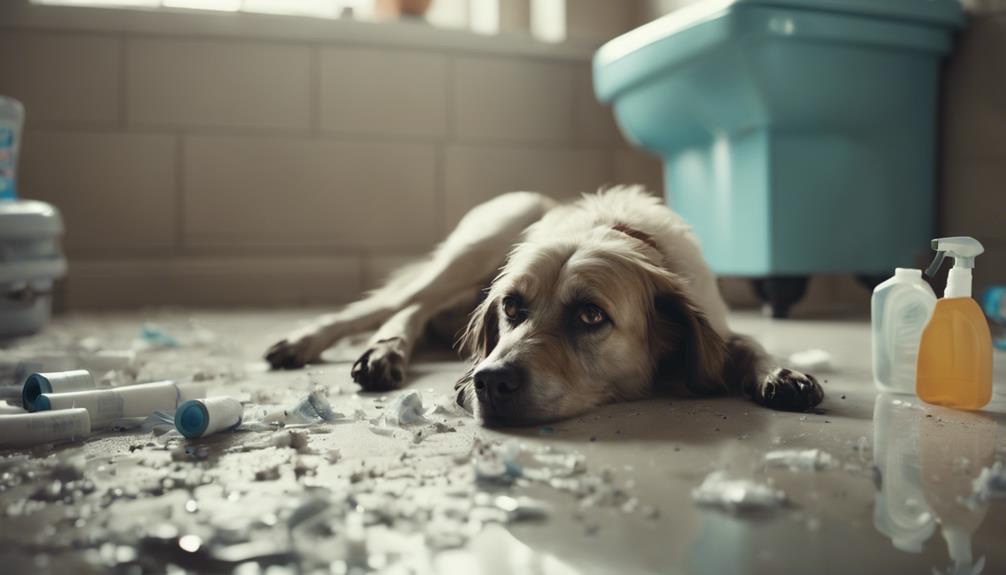
Drain Cleaner Hazards for Dogs
- Advertisement -
As a dog owner, it's vital to understand that drain cleaners are a significant threat to your pet's health, causing severe, potentially life-threatening consequences even in small amounts. Ingestion can lead to corrosive burns in the mouth and esophagus, gastrointestinal upset, and delayed symptoms. Exposure to fumes can cause respiratory issues, while symptoms may not appear immediately, and delayed treatment can lead to severe complications. If you suspect your dog has ingested drain cleaner, seek immediate veterinary attention to prevent devastating consequences. Learn more about the risks, symptoms, and treatment options to safeguard your pet's safety.
Key Takeaways
- Drain cleaners are highly toxic to dogs, causing corrosive burns to the mouth and esophagus, and can be deadly even in small amounts.
- Ingestion can cause severe symptoms, including pain, vomiting, diarrhea, and abdominal pain, which may not appear immediately.
- Delayed treatment can lead to severe complications, including ulcers, bleeding, and perforation of the gastrointestinal tract, and increased risk of mortality.
- Prompt veterinary attention is crucial to prevent long-term health problems and death, and treatment usually involves supportive care and managing symptoms.
- Store drain cleaners out of a dog's reach, and take preventative measures to prevent accidental exposure and ensure a safer environment for pets.
Drain Cleaner Toxicity Explained
Drain cleaners are highly toxic to dogs and can be deadly. Even small amounts can cause significant harm due to their high pH level, which can cause corrosive burns to the mouth and esophagus.
If your dog ingests drain cleaner, monitor for signs of pain in the mouth or gastrointestinal upset. Symptoms may not appear immediately, but watch for redness and chemical burns on the tongue and mouth. Ulcers on the tongue can take 1-2 weeks to heal. Gastrointestinal symptoms, such as vomiting, diarrhea, and abdominal pain, can also occur.
Prompt veterinary attention is crucial if your dog ingests drain cleaner. Delayed treatment can lead to complications and increased risk of mortality. To keep your dog safe, be aware of the dangers of drain cleaners and take steps to prevent exposure.
Exposure Symptoms and Risks
Exposure to drain cleaners can cause serious health problems. Ingesting a corrosive drain cleaner can result in severe burns to the mouth, throat, and digestive tract. Inhalation of the fumes can lead to respiratory issues, including coughing, wheezing, and shortness of breath. If you're exposed, seek medical attention immediately.
Drain Cleaner Exposure
Exposure to drain cleaners can be deadly for your dog. If your dog licks or ingests drain cleaner, monitor them closely for signs of pain or gastrointestinal upset. Common symptoms include redness and chemical burns on the tongue and mouth, lethargy, lack of interest in food and water, and drooling. Even if your dog doesn't show immediate signs of distress, keep a close eye on them, as symptoms can appear later.
Watch for signs of vomiting or stomach upset, such as whining, panting, or restlessness. If you suspect your dog has ingested drain cleaner, seek veterinary assistance immediately. Delayed treatment can lead to severe complications, including dehydration. Check for dehydration by feeling the gums or performing the skin tent test. Don't wait – prompt veterinary care is crucial in preventing serious health issues.
Corrosive Ingestion Risks
Drain cleaners are a significant threat to your dog's health. If ingested, they can cause severe, potentially life-threatening consequences. The corrosive properties of drain cleaners can burn your dog's mouth and esophagus, leading to severe pain, vomiting, and difficulty swallowing.
Even small amounts can cause significant harm. The high pH level of drain cleaners can damage the gastrointestinal tract, leading to ulcers, bleeding, and perforation. If left untreated, this can be fatal.
Symptoms of drain cleaner ingestion may not appear immediately. Your dog may show signs of illness hours or days after exposure. It's essential to seek prompt veterinary attention to prevent long-term health problems and death. Timely treatment is crucial to prevent devastating consequences.
If you suspect your dog has ingested a drain cleaner, act quickly. Every minute counts. Don't delay seeking veterinary attention, as prompt treatment can make a significant difference in your dog's recovery.
Treatment and Care Options

If your dog has been exposed to drain cleaner hazards, prompt medical attention is crucial to preventing long-term damage.
If you suspect your dog has ingested drain cleaners, don't attempt to induce vomiting unless instructed to do so by a Veterinarian or a pet poison hotline. Instead, immediately take your dog to the nearest animal hospital or consult with a Veterinarian for guidance.
Treatment usually involves supportive care, such as giving fluids to prevent dehydration and managing symptoms. In severe cases, surgery may be necessary to repair damage to the esophagus, stomach, or intestines.
Seek immediate veterinary attention, as prompt treatment greatly improves your dog's chances of recovery. Provide as much information as possible, including the type of drain cleaner, the amount consumed, and the time of exposure, to help your Veterinarian determine the best course of action.
Monitor your dog's condition closely, keeping a close eye on their vital signs, appetite, and overall behavior, and report any changes to your Veterinarian.
Prevention and Safety Measures
To minimize the risk of drain cleaner accidents, follow these safety measures:
Store drain cleaners out of your pet's reach. Secure bathroom doors and cabinets to prevent access to harmful substances. By taking these precautions, you can create a safer environment for your pets and prevent potential exposure to drain cleaners.
This approach will help reduce the risk of accidents and keep your pets safe.
Safe Storage Practices
Every day, at least five household pets are poisoned due to accidental ingestion of drain cleaners. To prevent this, store drain cleaners safely.
To prevent accidents, follow these guidelines:
- Store drain cleaners in a childproofed cabinet or on high shelves out of your pet's reach.
- Close bathroom doors and cabinets to restrict your pet's access to areas where drain cleaners are used or stored.
- Supervise your pet during cleaning activities and consider locking them out of the cleaning area to prevent accidents.
Pet-Proofing the Home
- Advertisement -
Pet-proofing your home is crucial to preventing drain cleaner accidents. To create a safer environment for your dog, take these steps:
Secure bathroom doors and cabinets to prevent access to areas where drain cleaners are stored or used.
Keep drain cleaners out of your dog's reach, as even small amounts can be harmful.
Pet-proof areas under sinks and around toilets to prevent accidental exposure.
Clean up spills and messes immediately to prevent contact with hazardous substances.
Veterinary Guidance and Resources

If you suspect your dog has ingested drain cleaner, seek expert advice immediately. Prompt veterinary guidance is crucial in preventing severe complications and ensuring a full recovery.
You have three options for seeking professional advice:
- Consult a local veterinarian for immediate attention and guidance.
- Use online resources that connect you with verified veterinarians and pet experts, providing 24/7 advice on drain cleaner poisoning and other pet-related issues.
- Tap into a network of over 12,000 verified experts, including veterinarians, lawyers, and mechanics, to seek advice and support on drain cleaner exposure and other pet care concerns.
Common Household Cleaner Hazards
Many common household cleaners pose a threat to your dog's health. These products can cause a range of problems, from mild to severe, if ingested.
Over-the-counter pain relievers, for example, can cause stomach ulcers, kidney failure, liver damage, and fever in dogs. Laundry detergent, including those convenient packets, can be toxic if ingested, leading to stomach upset, upper airway irritation, and aspiration pneumonia.
Drain cleaners are highly toxic and can cause corrosive burns to your dog's mouth and esophagus. If your pet ingests drain cleaners, either by licking or walking through them, symptoms can include vomiting, diarrhea, and burns to the mouth and esophagus. Sugar-free gum containing xylitol is also toxic to dogs, causing low blood sugar and liver damage, with symptoms like vomiting, lethargy, and seizures.
To keep your pet safe, choose pet-friendly household cleaners whenever possible and store products out of your pet's reach. Many cleaners have pet-safe alternatives, so read labels carefully. By being aware of these common household cleaner hazards, you can help keep your dog safe and healthy.
Frequently Asked Questions
What to Do if a Dog Licks Drain Cleaner?
If your dog licks drain cleaner, act immediately. This can cause severe tongue burns, vomiting, diarrhea, and other complications. Monitor your dog for signs of pain, redness, and chemical burns on the tongue and mouth.
Provide soft food and calorie supplements to help replenish lost nutrients. It's essential to seek veterinary attention right away to prevent further complications and ensure proper treatment.
What Happens if a Dog Eats Drano?
If you suspect your dog has ingested Drano, act immediately. Drano's caustic ingredients react with water in the digestive system, causing a chemical reaction that leads to severe poisoning. The alkaline properties can burn your dog's mouth, throat, and digestive tract, leading to internal injuries.
Seek veterinary attention right away to minimize damage and prevent long-term health issues. Delaying treatment can worsen the situation, so don't hesitate to get your dog to a vet clinic or animal hospital as soon as possible.
What Do I Do if My Dog Licked a Cleaning Product?
If your dog licks a cleaning product, take immediate action. This is a potential pet poisoning situation. The harsh chemicals can cause tongue burns and other severe reactions.
Rinse your dog's tongue and mouth with water right away. This helps remove the toxic substance. Next, contact your veterinarian or a pet poison hotline for guidance. They will advise on the best course of action.
Don't delay – prompt action is crucial in minimizing the damage. The faster you respond, the better your dog's chances of recovery. Remember, cleaning products are household dangers, and it's essential to keep them out of your dog's reach.
Can Dogs Get Sick From Smelling Cleaning Products?
Dogs are highly sensitive to smells due to their 300 million olfactory receptors, compared to humans' 6 million. This sensitivity puts them at risk when smelling cleaning products. Even brief exposure can cause paw sensitivity, snout irritation, and respiratory issues from airborne toxicity. If you suspect your dog has inhaled fumes, move them to fresh air immediately and seek veterinary attention to prevent complications.
In summary
Drain cleaners can be hazardous to your dog's health. The toxic ingredients in these products can cause severe harm if ingested. To keep your pet safe, it's essential to understand the risks and take precautions.
Drain cleaners contain strong chemicals like alkaline or acidic substances that can burn your dog's skin, eyes, and internal organs. If your dog ingests these chemicals, it can lead to severe symptoms, including vomiting, diarrhea, and respiratory distress.
To minimize the risk, always keep drain cleaners out of your dog's reach. If you suspect your dog has ingested a drain cleaner, seek immediate veterinary attention. Delaying treatment can lead to serious health complications or even death.
When using drain cleaners, ensure your dog is in a safe area, away from the cleaning process. Wear protective gloves and eyewear to prevent skin and eye irritation. Always follow the product instructions and take necessary safety precautions to avoid accidents.
Remember, it's always better to err on the side of caution when it comes to your dog's health. If you're unsure about the safety of a particular drain cleaner or how to use it, consult with your veterinarian or a professional for guidance.
- Advertisement -