
First Aid for Bleach Ingestion in Dogs
- Advertisement -
If you suspect your dog has ingested bleach, every minute counts, as prompt action can mean the difference between life and death. Common signs of bleach poisoning include vomiting, lethargy, and skin or eye irritation. If you're faced with this emergency, relocate your dog to a quiet space, gather essential information, and offer a small amount of milk or water to help neutralize the alkalinity of the bleach. While awaiting veterinary care, monitor crucial signs and keep your dog calm. Understanding the severity of bleach ingestion and taking swift action can greatly impact your dog's recovery, and there's more to learn about stabilizing your pet's condition.
Key Takeaways
- If your dog ingests bleach, relocate them to a quiet space, gather essential information, and contact a veterinarian immediately for guidance.
- Do not attempt to induce vomiting unless instructed by a veterinarian, as this can cause more harm than good.
- Offer a small amount of milk or water to help neutralize the alkalinity of the bleach, but do not delay seeking veterinary care.
- Monitor your dog's vital signs, such as heart rate, breathing rate, and temperature, while awaiting veterinary attention.
- Store bleach in a secure, inaccessible location to prevent accidents, and opt for pet-safe cleaning products to minimize risks.
Identifying Bleach Poisoning Symptoms
Identifying Bleach Poisoning Symptoms in Dogs
If your dog ingests bleach, prompt identification of symptoms is crucial. Symptoms can occur within 4-6 hours, but may be delayed up to 24 hours. Common signs of bleach poisoning include vomiting and lethargy. If left untreated, these symptoms can quickly escalate into life-threatening conditions.
Monitor your dog closely for changes in behavior or physical condition. Be aware of the potential for corneal ulceration and sensitivity to light if bleach comes into contact with their eyes. Skin contact can cause redness or ulceration of the skin.
Ingestion of sodium hypochlorite can cause severe clinical signs, including aspiration pneumonia and gastric perforation. Ultra-concentrated bleach is particularly dangerous, causing chemical burns and lesions internally and externally. Symptoms can begin within minutes, including heavy drooling and skin irritation.
If you suspect your dog has ingested bleach, seek immediate veterinary attention. Bleach poisoning can be fatal if left untreated, so prompt identification and treatment are vital for your dog's survival.
Diagnosing Bleach Ingestion in Dogs
Diagnosing bleach ingestion in dogs requires a swift and thorough approach. First, identify the toxic substance and recognize early symptoms. Your veterinarian will likely induce vomiting to collect a sample for examination and perform a physical examination to assess the severity of symptoms. This information will help determine the best course of treatment for your dog.
Identifying Toxic Substances
Identifying Toxic Substances in Your Home
If you suspect your dog has ingested bleach, it's crucial to act fast. As a responsible pet owner, you should know which toxic substances in your household can harm your dog. Bleach is a common ingredient in many cleaning products, laundry detergents, and disinfectants.
To identify toxic substances, you need to know what to look for. Three common household products that contain bleach are:
- Laundry detergents with bleach, which can be toxic to dogs if ingested.
- Disinfectants used to clean surfaces and floors, which often contain bleach.
- Cleaning supplies like toilet bowl cleaners and drain cleaners, which may contain bleach or other toxic chemicals.
Even small amounts of bleach can harm your dog. If you suspect ingestion, seek veterinary attention immediately. Identifying toxic substances in your home is the first step in preventing accidents and keeping your dog safe.
Recognizing Early Symptoms
Recognizing early symptoms of bleach ingestion is crucial for prompt veterinary attention. If your dog ingests bleach, it may show symptoms within 4-6 hours, but they can be delayed up to 24 hours.
Common early symptoms include vomiting, lethargy, and aspiration pneumonia. If left untreated, these symptoms can progress to severe clinical signs. Your dog may display abnormal behavior, such as pawing at its mouth, and may experience skin irritation, redness, or ulceration due to bleach's corrosive properties.
Corneal ulcers and skin lesions can occur due to bleach contact and may not be immediately visible. Therefore, a thorough veterinary examination is essential. It's vital to monitor your dog closely for any signs of bleach ingestion, as prompt treatment significantly impacts the outcome.
Collecting Evidence Samples
Collecting Evidence Samples
When your dog ingests bleach, it's crucial to gather evidence to help your veterinarian make an accurate diagnosis. As a responsible pet owner, you play a key role in providing essential information.
To collect evidence samples, follow these steps:
- Vomit samples: If your dog vomits, collect a sample in a sealed container or plastic bag. This will help your veterinarian identify the presence and concentration of bleach.
- Bleach packaging: Bring the bleach packaging or container to the veterinary clinic. This provides valuable information about the type and concentration of bleach ingested.
- Food and water samples: Collect samples of your dog's food and water to rule out other potential causes of illness.
Emergency Treatment and Care
If your dog ingests bleach, act fast. Every minute counts. Rush your pet to the vet for emergency treatment and care. The veterinarian will perform rapid decontamination methods to remove the bleach from your dog's system. They will also provide supportive care measures to mitigate the damage, such as fluids, oxygen, and medication to control symptoms.
Immediate Veterinary Care
Immediate Veterinary Care for Bleach Ingestion
If your dog ingests bleach, every minute counts. If you notice labored breathing, seizures, collapse, or unconsciousness, rush your dog to the nearest veterinary clinic. Delaying treatment can be fatal.
Upon arrival, the veterinarian will likely perform the following procedures:
- Induce vomiting or gastric lavage to remove the toxin from the stomach.
- Administer activated charcoal to bind the toxins and prevent further absorption.
- Flush the exposed area with water to dilute the bleach, and possibly give milk to soothe the stomach and further dilute the ingested bleach.
The veterinarian may also:
- Provide fluid therapy, ulcer medication, and supportive care for other symptoms
- Monitor your dog for a few hours to a few days before releasing them
- In severe cases, administer oxygen, intravenous fluids, warming, gastroprotectants, pain killers, and anti-inflammatories
- Treat corneal ulcers and skin lesions with topical antibiotics and anti-inflammatories
Rapid Decontamination Methods
Rapid decontamination is crucial in bleach ingestion emergencies. If your dog ingests bleach, immediately provide milk or water to rinse the bleach from their gastrointestinal tract. This can reduce symptom severity. Do not induce vomiting, as it may lead to aspiration pneumonia. Instead, focus on flushing out the toxin with milk or water.
If bleach comes into contact with your dog's skin, bathe them with mild soap and water to alleviate skin irritation. If bleach is splashed into their eyes, rinse the affected area with copious amounts of cool tap water for five minutes.
In all cases, seek immediate veterinary attention, especially if your dog ingested ultra-concentrated bleach. Severe clinical signs can develop rapidly, and prompt treatment is vital.
Supportive Care Measures
Rushing your dog to the veterinary clinic is crucial for their recovery. Supportive care measures can significantly impact their outcome. The primary goal of supportive care is to manage symptoms, prevent complications, and promote healing.
Your veterinarian may use the following supportive care measures:
- Fluid therapy: This involves administering intravenous fluids to correct electrolyte imbalances, dehydration, and acid-base disorders.
- Oxygen therapy: Supplemental oxygen is provided to alleviate respiratory distress and ensure essential organs receive adequate oxygen.
- Gastrointestinal protectants: Medications are administered to reduce gastrointestinal inflammation and ulceration.
These measures help stabilize your dog's condition, reduce the risk of complications, and enhance their chances of recovery. Your veterinarian will also monitor your dog's vital signs, perform diagnostic tests, and provide pain management to ensure their comfort and well-being. Prompt and appropriate supportive care can significantly improve your dog's prognosis and help them recover from bleach ingestion.
Managing Bleach Exposure at Home
If you suspect your dog has ingested bleach, act fast. Every minute counts. Move to a well-ventilated area to avoid inhaling fumes yourself. Then, relocate your dog to a quiet space to reduce anxiety.
Before calling your veterinarian, gather essential information: the amount and type of bleach consumed, the time of ingestion, and your dog's weight, age, and breed. This data will help your veterinarian provide guidance.
- Advertisement -
Do not attempt to induce vomiting unless instructed to do so by a veterinarian. Bleach can cause severe esophageal damage when vomited. Instead, offer your dog a small amount of milk or water to help neutralize the alkalinity of the bleach.
Monitor your dog's vital signs, such as heart rate, breathing rate, and temperature. Watch for signs of respiratory distress, including coughing, panting, or difficulty breathing. If you notice any of these symptoms, seek immediate veterinary attention.
Preventing Accidental Ingestion
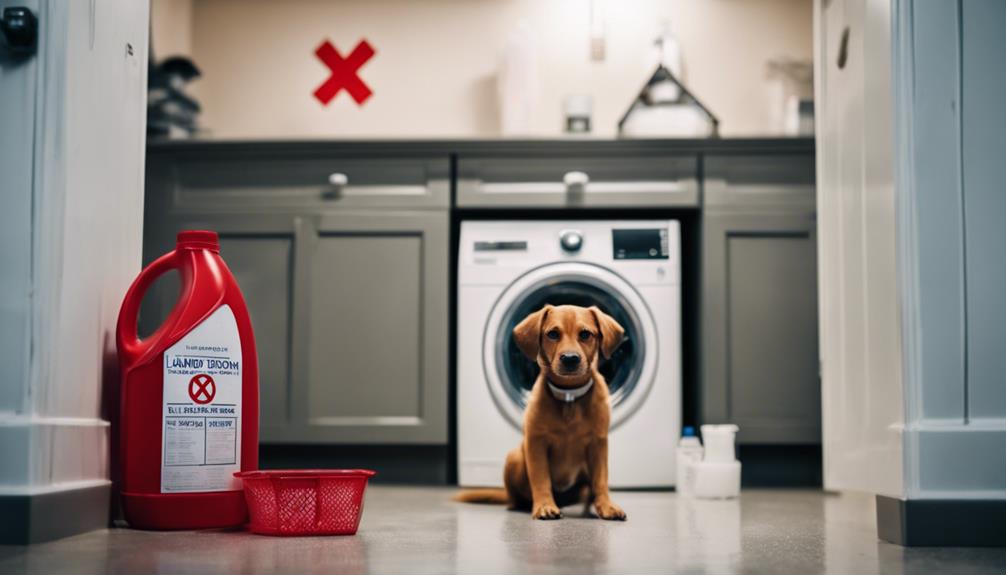
Bleach can be a hazard to dogs if ingested accidentally. To prevent this, store bleach in a secure location out of your dog's reach, such as a high cabinet or locked storage area.
Follow these guidelines to reduce the risk of bleach poisoning:
Store bleach securely to prevent accidental access. When cleaning with bleach, always supervise your dog and clean up any spills immediately. This will prevent them from ingesting the bleach.
Keep your dog occupied with toys or treats while cleaning to distract them from the process. This reduces the likelihood of them getting into the bleach.
When using cleaning products, always read the label to understand the ingredients and potential risks. Choose pet-friendly alternatives when possible. This helps ensure your dog's safety.
Pet-Proofing Your Cleaning Routine
To reduce the risk of bleach ingestion in dogs, incorporate pet-proofing measures into your cleaning routine. Start by storing bleach and other hazardous substances in a secure location, such as a high cabinet or a locked closet, to prevent accidental ingestion.
When cleaning with bleach, dilute it with water to minimize the severity of poisoning in case of accidental ingestion. Clean up spills immediately, and keep pets occupied with toys while cleaning to prevent them from getting into the bleach.
Keep pets in another room while cleaning with bleach to prevent exposure. Putting them in a crate or pet-proofed area can also help prevent accidents. Supervise pets at all times when cleaning with bleach, as some dog breeds may avoid bleach after tasting it, while others may consume the entire bucket.
To pet-proof your cleaning routine:
- Keep bleach out of reach.
- Clean up spills promptly.
- Distract pets while cleaning.
Veterinary Care and Support
When your dog ingests bleach, prompt veterinary care is crucial to prevent severe complications and ensure a successful recovery. The vet will provide necessary treatment to counteract the effects of the bleach ingestion.
To remove the toxin from your dog's system, the vet may use methods such as:
- Inducing vomiting or gastric lavage
- Administering activated charcoal to bind the toxins
Additionally, your vet may provide:
- Fluid therapy, ulcer medication, and supportive care to alleviate symptoms and soothe the stomach
- Milk to dilute the ingested bleach and provide comfort to the stomach
- Close monitoring to confirm your dog does not experience further complications, such as skin reactions or vomiting
The severity of the symptoms will determine the best course of treatment. In severe cases, oxygen, intravenous fluids, warming, gastroprotectants, pain killers, and anti-inflammatories may be necessary. Milder cases may require anti-emetics, pain killers, and antibiotics. If your dog develops corneal ulcers or skin lesions, specific treatments such as topical antibiotics and anti-inflammatories or corticosteroids may be needed.
Seeking prompt veterinary care ensures your dog receives the necessary treatment to recover from bleach ingestion.
Common Bleach Poisoning Scenarios
Accidental Ingestion of Bleach by Dogs
Dogs may ingest bleach if it's left unattended or easily accessible. This can happen when you're distracted, busy, or not paying attention to your pet's surroundings. Even a few seconds of inattention can be enough for your dog to get into trouble.
Ingestion of bleach can occur in various ways. Your dog might knock over a bottle of bleach, find a bleach-soaked cloth or mop head, or mistake bleach for water or food.
Bleach poisoning can cause vomiting, diarrhea, lethargy, and difficulty breathing. If you suspect your dog has ingested bleach, seek veterinary care immediately. Prompt action is crucial for your dog's recovery.
To prevent accidents, take the following precautions:
- Store bleach in a secure, inaccessible location.
- Keep an eye on your dog when cleaning with bleach.
- Ensure your dog is not thirsty or hungry, as this can increase the likelihood of them ingesting bleach.
Safe Cleaning Practices for Pet Owners
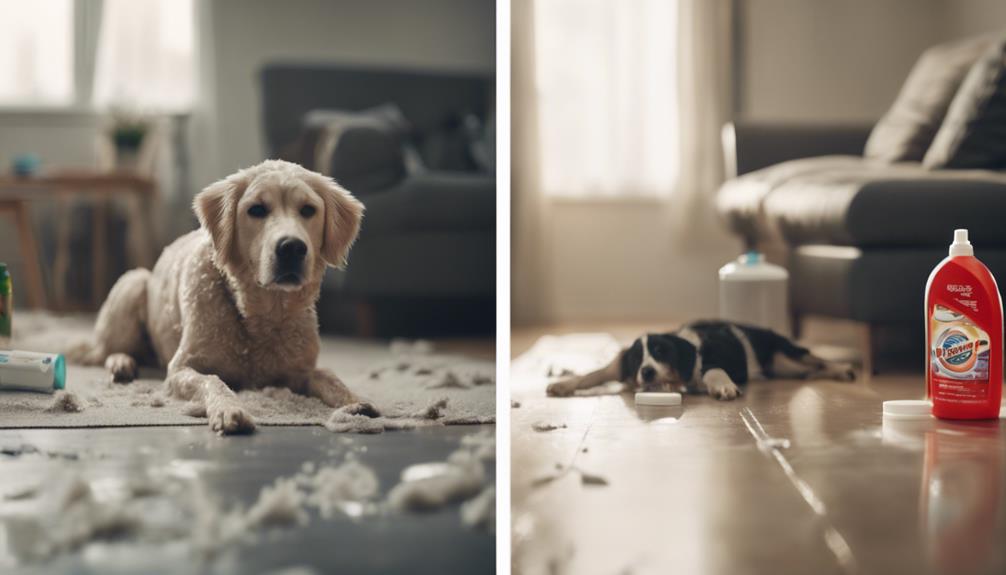
As a pet owner, you need to balance cleanliness with pet safety when using bleach and other harsh chemicals. To minimize the risk of accidents, adopt these safe cleaning practices:
Store bleach and other toxic substances in high cabinets or locked containers where your pets can't access them. This prevents many accidents.
Opt for cleaning products labeled as non-toxic or pet-safe. These products are gentler on surfaces and won't harm your pets if ingested.
Clean up spills immediately. If you spill bleach or another harsh chemical, don't let it sit on the floor where your pet can come into contact with it. Clean it up right away.
Frequently Asked Questions
What to Do if a Dog Ingested Bleach?
If your dog ingests bleach, act quickly and calmly. Call your vet or a pet poison hotline for guidance. Do not attempt to induce vomiting or give your dog anything to drink. Rush your dog to a vet visit as soon as possible. Time is critical, and prompt action can minimize damage. The vet will assess the situation and provide treatment. Every minute counts, so don't delay.
What Is the Emergency Treatment for Bleach Ingestion?
If your dog ingests bleach, act quickly to minimize harm. Induce vomiting immediately if the dog is conscious. Then, give milk or water to help neutralize the alkalinity. After that, rush your pet to the vet for further treatment. Untreated bleach ingestion can lead to severe complications. Prompt action is crucial to prevent serious health issues.
What Is the First Aid for Ingesting Bleach?
If your pet ingests bleach, act quickly to minimize damage. First, remove your pet from the source of the bleach. Then, flush their mouth with water to remove any remaining bleach. Do not induce vomiting unless advised by a veterinarian or pet poison hotline. Offer milk or water to help neutralize the alkalinity of the bleach. Prompt action is crucial in reducing harm.
How Do You Neutralize Ingested Bleach?
Neutralizing Ingested Bleach: Act Fast and Seek Veterinary Care
If your pet has ingested bleach, every second counts. To counteract the effects, mix 1 teaspoon of baking soda with 1 quart of water. This helps neutralize the alkalinity of the bleach. However, administering this mixture is only the first step. Bleach ingestion can cause severe internal damage, so seek immediate veterinary attention.
In summary
Bleach ingestion in dogs requires immediate attention and careful handling. Every minute counts in reducing the damage. To protect your dog, stay vigilant, pet-proof your cleaning routine, and know what to do in an emergency. Preventing accidents is key, so take proactive steps to ensure your dog's safety and well-being.
- Advertisement -