
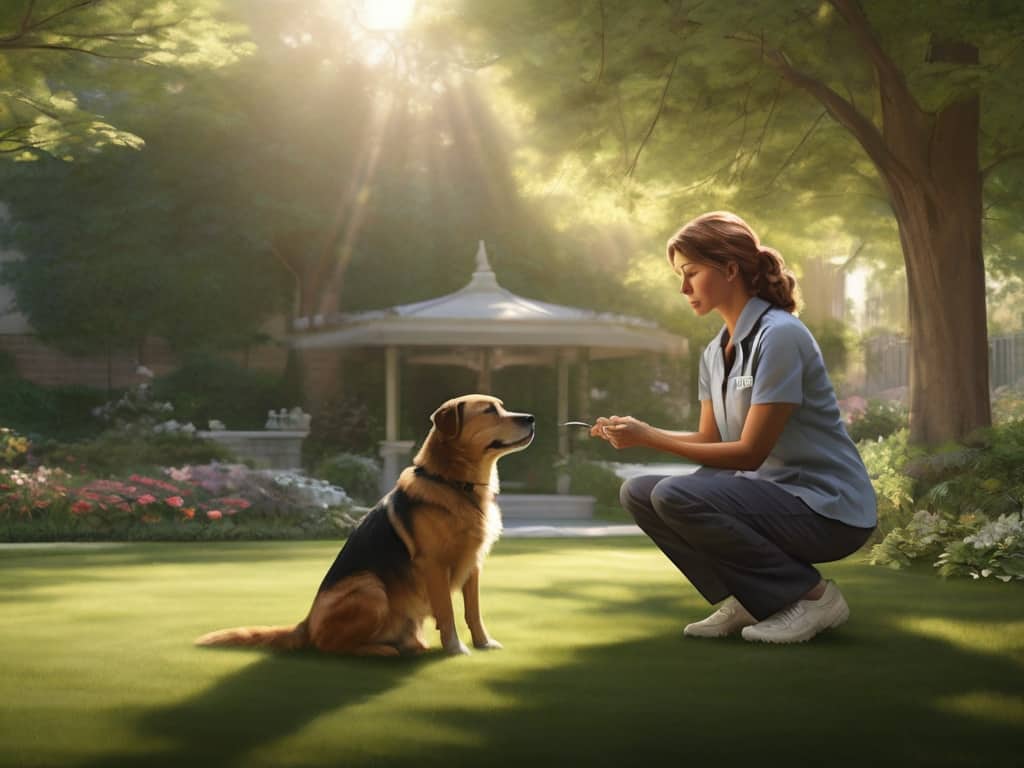
What Are Gentle Techniques to Train Anxious Dogs?
Exploring Compassionate Methods for Anxious Canine Training
- Advertisement -
Gentle techniques to train anxious dogs involve a compassionate approach focused on understanding triggers, creating a safe environment, and utilizing positive reinforcement. By identifying what triggers anxiety in your dog, you can gradually expose them to those stimuli in a controlled manner, helping them overcome their fears. Positive reinforcement, such as treats and praise, reinforces desirable behaviors, building their confidence and reducing anxiety. Additionally, implementing desensitization and counterconditioning techniques, along with practicing calming exercises, can further aid in training anxious dogs to become more calm and confident companions.
Imagine your anxious dog feeling calm and confident, wagging its tail with joy instead of cowering in fear. As a loving pet owner, you want to help your furry friend overcome their anxiety and live a happier life. But where do you start?
In this discussion, we will explore gentle techniques that can be used to train anxious dogs, allowing you to create a safe and supportive environment for your four-legged companion. From identifying triggers to seeking professional help if needed, we will delve into practical strategies that will help your anxious dog thrive.
So, let’s embark on this journey together and discover the power of gentle training techniques that will transform your dog’s life.
Key Takeaways
- Identifying triggers and creating a safe environment is crucial for training anxious dogs
- Positive reinforcement and rewards are effective in creating a positive association with training
- Desensitization and counterconditioning can gradually help the dog overcome their triggers
- Practicing calming exercises and relaxation techniques can help both the dog and owner relax and reduce anxiety
Identify Triggers and Create a Safe Environment
To effectively train anxious dogs, it’s crucial to identify triggers and establish a safe environment for them. As a responsible and caring dog owner, you understand that anxiety can be overwhelming for your furry friend. By identifying what triggers their anxiety, you can take proactive steps to minimize their stress and create a safe space for them to thrive.
Start by observing your dog’s behavior closely. Notice any patterns or situations that seem to make them anxious. It could be loud noises, unfamiliar people, or certain environments. Once you have identified these triggers, you can gradually expose your dog to them in a controlled and safe manner. For example, if your dog gets anxious around loud noises, you can start by playing soft sounds and gradually increase the volume over time.
Creating a safe environment is also essential for training anxious dogs. Provide them with a designated space where they can retreat when they feel overwhelmed. This could be a cozy crate or a quiet room with their favorite toys and bedding. Make sure this area is free from any potential stressors and give your dog plenty of positive reinforcement when they choose to go there.
Use Positive Reinforcement and Rewards
Using positive reinforcement and rewards is an effective and compassionate approach to training anxious dogs. When dealing with an anxious dog, it’s important to create a positive association with training and build their confidence. Positive reinforcement involves rewarding your dog for good behavior, which encourages them to repeat that behavior in the future. This can be done through treats, praise, or playtime. By using rewards, you’re showing your dog that they’re doing something right, boosting their self-esteem and reducing anxiety.
It’s essential to be consistent and patient when using positive reinforcement. Set clear expectations and reward your dog immediately after they demonstrate the desired behavior. Be generous with your praise and rewards, making sure to use high-value treats that your dog finds particularly enticing. This will help them associate training with positive experiences and reinforce their confidence.
In addition to using rewards, it’s important to remember that every dog is unique and may respond differently to various training techniques. Observe your dog’s body language and adjust your approach accordingly. If you notice signs of stress or anxiety, take a step back and reassess the situation.
Implement Desensitization and Counterconditioning
When working with anxious dogs, it’s important to continue building their confidence and positive association with training by implementing desensitization and counterconditioning techniques. These methods can help your furry friend overcome their fears and anxieties gently and gradually.
Here are three effective techniques to try:
- Advertisement -
- Desensitization: This involves exposing your dog to the source of their anxiety in a controlled and gradual manner. Start by introducing the trigger at a distance or intensity that doesn’t cause fear or discomfort. Gradually increase exposure over time, always rewarding your dog for calm behavior. This gradual approach helps your dog build a new positive association with the trigger.
- Counterconditioning: This technique involves pairing the trigger of your dog’s anxiety with something they love, such as treats or playtime. By consistently associating the trigger with positive experiences, your dog can learn to feel more relaxed and less anxious in its presence.
- Patience and consistency: Training an anxious dog takes time and patience. Be consistent in your training sessions, ensuring they’re short and frequent. Celebrate small victories and never force your dog into a situation that causes distress. Remember, every small step forward is a step towards a happier and more confident dog.
Practice Calming Exercises and Relaxation Techniques
Are you ready to help your anxious dog find peace and relaxation through calming exercises and relaxation techniques?
Dogs, just like humans, can experience anxiety and stress. It’s important to provide them with tools and techniques to help them feel calm and secure. Calming exercises and relaxation techniques can be effective in reducing anxiety levels in dogs and promoting a sense of calm.
One technique you can try is deep breathing exercises. When you notice your dog becoming anxious, sit or lie down with them in a quiet space. Take slow, deep breaths and encourage your dog to do the same by placing your hand gently on their chest. This can help both of you relax and reduce stress.
Another technique is progressive muscle relaxation. Start by gently massaging your dog’s muscles, starting from their head and working your way down to their tail. Pay attention to any areas of tension and gently massage those areas to help your dog relax.
You can also try using calming music or white noise to create a soothing environment for your dog. Soft classical music or nature sounds can help promote relaxation and reduce anxiety.
Seek Professional Help if Needed
If your dog’s anxiety continues to interfere with their daily life and well-being, it may be beneficial to seek professional help. While there are many techniques you can try on your own to help alleviate your dog’s anxiety, sometimes the best course of action is to consult with a trained professional. They can provide you with expert advice and guidance tailored to your dog’s specific needs.
Here are three reasons why seeking professional help may be the right choice:
- Expertise: Professional trainers and behaviorists have extensive knowledge and experience in dealing with anxious dogs. They can accurately assess your dog’s behavior and determine the underlying causes of their anxiety. With their expertise, they can develop a customized training plan to address your dog’s specific issues.
- Objective perspective: Sometimes, as pet owners, we may unintentionally reinforce our dog’s anxious behaviors without realizing it. A professional can offer an objective perspective and help you identify any unintentional reinforcement. They can guide you in making necessary changes to your interactions and environment to promote a calmer and more relaxed state for your dog.
- Support and guidance: Dealing with an anxious dog can be overwhelming and emotionally taxing. Seeking professional help provides you with the support and guidance you need throughout the training process. They can offer encouragement, answer your questions, and provide you with the tools and techniques necessary to help your dog overcome their anxiety.
As a Result
Training an anxious dog requires patience, understanding, and a gentle approach.
By identifying triggers, creating a safe environment, and using positive reinforcement, you can help your furry friend overcome their anxiety.
Implementing desensitization and counterconditioning techniques, practicing calming exercises, and seeking professional help if needed, will further aid in their training journey.
Remember, with time and the right techniques, you can help your anxious dog become more calm, confident, and happy.
- Advertisement -