
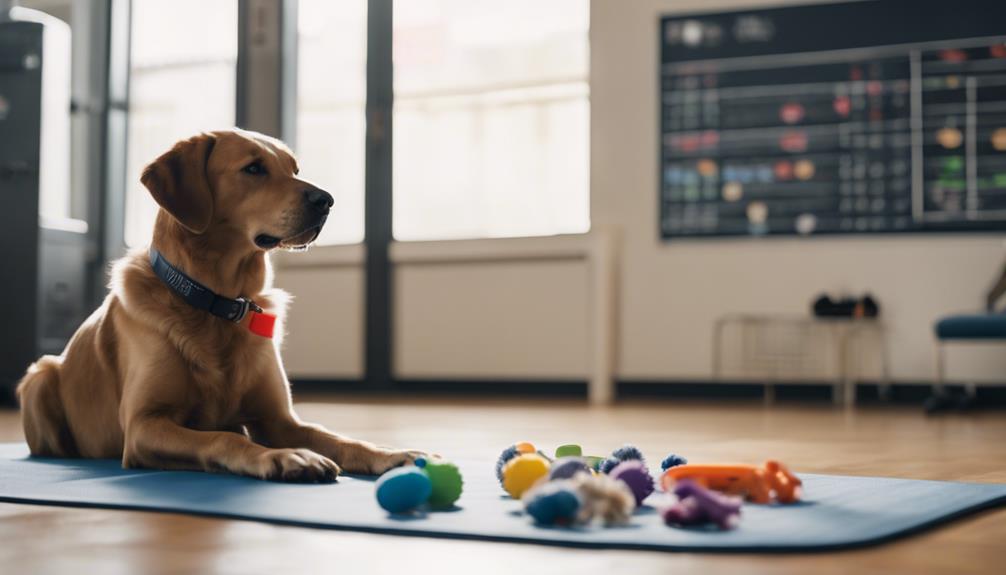
7 Trustworthy Tips for Challenging Canine Clicker Training
- Advertisement -
When committing to canine clicker training, it’s essential to focus on positive reinforcement, consistency, and clear communication. Use a mix of rewards, including food, praise, and toys, to keep your dog engaged and motivated. Confirm every desired behavior receives a reward, and establish a consistent training routine to build trust. Master the clicker sound, using it consistently to mark desired behaviors and avoid confusing your dog. By understanding the fundamentals of clicker training and overcoming common challenges, you’ll be well on your way to achieving long-term success and a strong bond with your dog; now, learn how to apply these principles to overcome specific challenges and achieve complex behaviors.
Key Takeaways
- Consistency is key in canine clicker training; use the same cues, rewards, and techniques to avoid confusing the dog.
- Use a distinct clicker sound and reward type consistently to associate the sound with the reward and create a clear association.
- Break down complex behaviors into smaller, manageable steps, rewarding each achievement to build trust and confidence.
- Vary the type and value of rewards to keep the dog engaged and motivated, and avoid desensitization.
- Establish a consistent training schedule and set specific, measurable, achievable, relevant, and time-bound (SMART) goals to track progress.
Canine Clicker Training Fundamentals
Clicker training is a powerful tool in canine training that focuses on positive reinforcement. For proven techniques to get started, you can check out this guide on 6 Proven Clicker Training Techniques. It’s based on rewarding desired behaviors, rather than punishing undesired ones. The clicker, a small mechanical noisemaker, marks the exact moment your dog performs the desired behavior. You must pair the click with a reward your dog values, such as treats, play, or praise.
Consistency is key in clicker training. Every time your dog performs the desired behavior, they must receive a reward. This clear association helps your dog understand what behavior is being rewarded. Using a mix of rewards, including food, praise, and toys, keeps your dog engaged and motivated.
Timing is crucial. The click must be followed immediately by a reward to avoid confusing your dog. For a deeper understanding of the effectiveness of clickers compared to other methods, you can refer to this scientific study. This clear association is particularly useful for actions performed at a distance or with a delay between action and reward.
By using the clicker correctly, you’ll notice your dog starts to associate the click with the reward and will work hard to earn it. This approach improves communication and builds a strong bond between you and your dog.
To get the most out of canine clicker training, remember to:
- Use a clear and consistent reward system
- Reward desired behaviors immediately
- Mix up the rewards to keep your dog engaged
- Avoid confusing your dog by ensuring every click is followed by a reward
Mastering the Clicker Sound
Mastering the Clicker Sound
To effectively communicate with your dog during clicker training, it’s crucial to master the clicker sound. The clicker serves as a distinct cue, signaling to your dog that they’ve performed a desired behavior. To desensitize your dog to the sound, practice clicking in different locations, volumes, and contexts. This helps your dog respond solely to the association with rewards.
Consistency is key when using the clicker. Use the same verbal cue every time you ask your dog to perform a specific behavior and reward the desired behavior promptly. This increases the likelihood of the behavior happening again.
During clicker training sessions, use the clicker consistently to mark desired behaviors. Aim to click precisely when your dog performs the desired action, helping them understand the connection between the behavior and the reward. To learn more about how clicker training effectiveness can vary depending on the behavior being taught, you can explore this IAABC Journal article. A distinct clicker sound also helps your dog differentiate between the clicker and other environmental noises.
Avoid clicking repeatedly or in rapid succession, as this can confuse your dog. Instead, use a single, clear click to mark the desired behavior. As you progress through canine clicker training sessions, maintain a consistent and clear clicker technique.
Overcoming Common Challenges
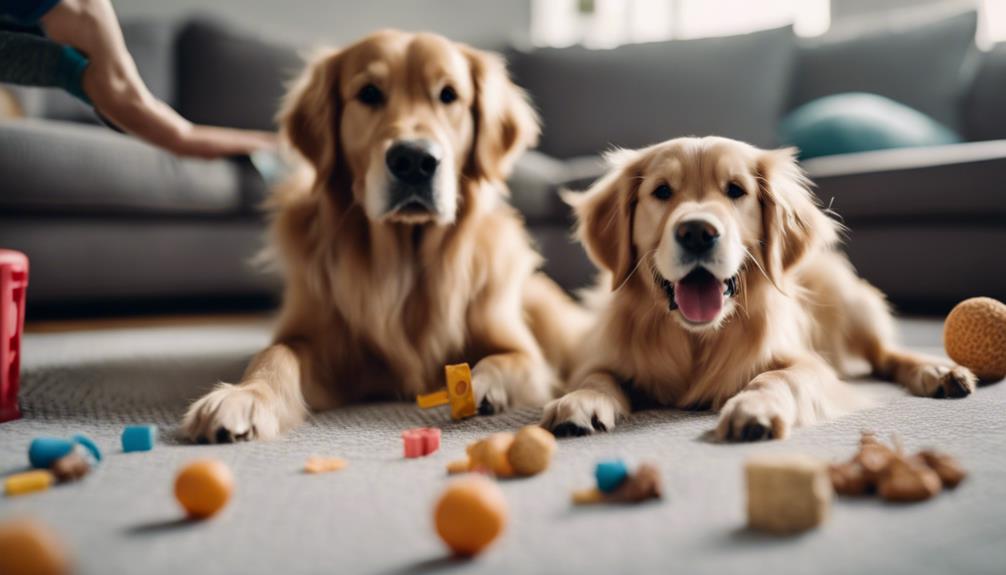
Clicker training can be challenging, but being aware of common obstacles can help you overcome them. One common issue is inconsistent timing and rewards. To avoid this, ensure all family members use the same cues and reward systems. This maintains consistency and helps your dog learn more efficiently.
Another challenge is providing a comfortable environment. To reduce anxiety and improve training, use calming scents like lavender or chamomile. You can also try other calming techniques to create a relaxed atmosphere.
Failing to generalize learned behaviors is another common problem. To overcome this, gradually increase distractions and practice in different environments. This helps your dog understand that the behavior applies in various situations.
Clicker training plateaus, where progress seems to stall, can also occur. To overcome this, break down complex behaviors into smaller steps. For more strategies on handling challenging training sessions, these 7 Trustworthy Tips can be incredibly useful. Reward each small movement, and gradually build up to the desired behavior.
Lack of motivation is another common issue. To combat this, use high-value treats and various rewards to keep your dog engaged and interested. If aggression is a challenge during training, consider these expert tips to effectively transform aggressive dog behavior with rewards.
Building Trust With Consistency
Establishing a consistent training routine helps build trust with your dog by setting clear expectations. In positive reinforcement training, consistency is key. Reward your dog every time they exhibit the desired behavior, and they’ll understand what behavior is being reinforced, making it more likely to happen again.
A consistent reward schedule and predictable training environment lead to significant improvements. Your dog will understand what’s expected of them and respond accordingly when you create a sense of reliability.
Clear Expectations Matter
Clear Expectations Are Crucial in Canine Clicker Training
In canine clicker training, clear expectations are key to success. You must clearly define what behavior you want your dog to exhibit and consistently reward desired actions. This clarity helps build trust and achieves desired outcomes. By clearly defining what you want your dog to do, you can effectively mark and reward the desired behavior, reinforcing good habits.
To set clear expectations, define specific, achievable goals for each training session. Break complex behaviors into smaller, manageable parts, and reward your dog for each incremental success. Consistency is vital, so ensure all family members involved in training are on the same page.
Setting clear expectations and consistently rewarding desired behaviors creates a strong foundation for successful training sessions and a deeper bond with your dog. Remember, clear communication and consistent reinforcement are essential components of a successful canine clicker training program.
Consistent Reward Schedule
A consistent reward schedule is crucial in canine clicker training. When you click, immediately reward your dog with a specific, high-value treat to reinforce desired behaviors. Consistency is key in positive reinforcement training, as it creates a clear understanding of what’s expected, making it easier for the dog to learn.
Avoid using a variable reward schedule, where rewards are given randomly, as it can cause confusion and frustration in dogs. Instead, maintain a consistent reward schedule to create a clear and predictable learning environment. This allows your dog to learn efficiently and effectively.
As your dog becomes proficient in the desired behavior, you can gradually phase out treats, reducing reliance on rewards and promoting long-term learning. A well-planned reward schedule is essential for successful canine clicker training.
Predictable Training Environment
Maintaining a consistent reward schedule is crucial for creating a predictable training environment, which builds trust with your dog and helps them understand what behavior is being rewarded. To achieve this, you need a distraction-free environment where your dog can focus on the training session.
Establish a routine that includes a consistent location, time, and trainer to help your dog feel secure and build trust in the training process. Crate training can also aid in creating a predictable environment by providing a safe space. Introduce the crate gradually and make it a comfortable space to reduce anxiety and promote good behavior.
A predictable training environment allows you to identify areas where your dog may be struggling, enabling you to adjust your training approach accordingly. By providing a consistent and distraction-free space, you can train your dog efficiently and effectively, leading to a stronger bond and better understanding between you and your dog.
Canine Clicker Training for Complex Behaviors
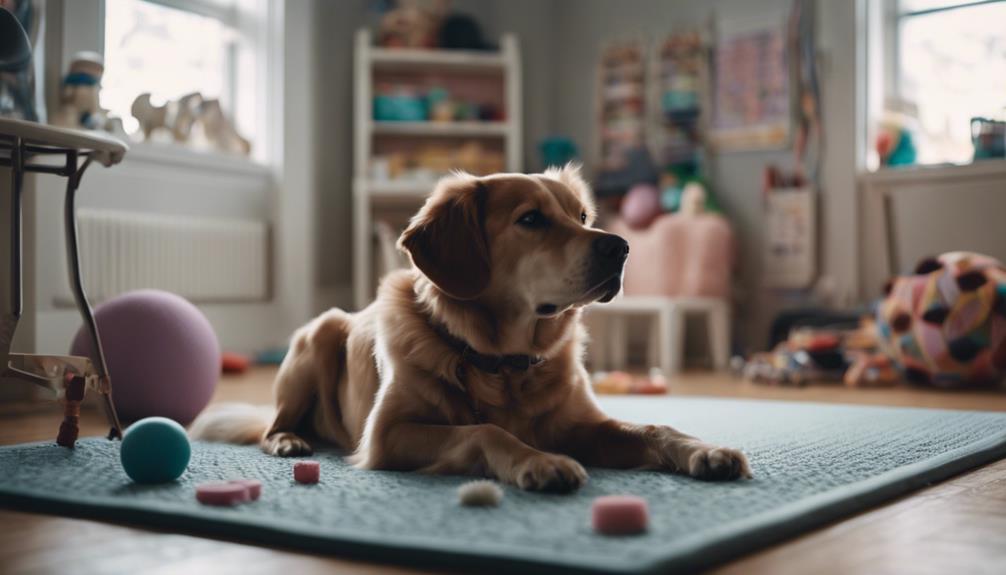
When you’re ready to advance your dog’s training, canine clicker training is an effective method for teaching complex behaviors. This technique involves breaking down complex behaviors into manageable steps and rewarding your dog for each achievement. Clicker training is particularly useful for teaching behaviors like figure-eights, weaving through cones, and jumping over hurdles.
To successfully teach complex behaviors, you need to:
- Clearly define the behavior you want to teach.
- Break it down into smaller components.
- Reward each step until your dog masters the entire behavior.
Clicker training also enables you to teach your dog to perform behaviors in sequence, such as “stay,” “down,” and “shake,” by chaining each behavior together with a clear reward. For more advanced techniques, you can explore additional strategies here.
- Advertisement -
In addition, canine clicker training helps your dog generalize complex behaviors to new environments and contexts. To achieve this, gradually introduce new distractions and variables, allowing your dog to adapt to different situations.
With patience and consistency, canine clicker training can help you teach your dog complex behaviors that will impress and delight.
Effective Reward Systems
To establish an effective reward system for canine clicker training, consider the following guidelines:
When selecting rewards, remember that high-value treats are essential. Choose small, tasty, and easy-to-consume treats to facilitate efficient rewards during sessions. Varying the type and value of rewards prevents desensitization and keeps your dog engaged.
To deliver rewards effectively:
Immediately deliver rewards after the click to create a clear association between the behavior and the reward.
Use a combination of edible rewards, praise, affection, and play to cater to your dog’s emotional and social needs.
Keep rewards easily accessible using a treat bag or pouch, allowing you to focus on the training process.
Achieving Long-Term Success

To achieve long-term success in canine clicker training, focus on three key elements: consistency, realistic goals, and building trust with your dog. Consistency is vital in positive reinforcement training because it creates a clear understanding of what behavior is expected. This makes it easier for your dog to learn and grow. By being consistent, you’ll avoid common pitfalls that hinder progress. Set specific, achievable goals for each training session to maintain motivation and track progress. For insights on the efficacy of different training methods in professional settings, such as with military and police dogs, refer to this comprehensive study. Building trust takes time, so be patient and reward good behavior. This will help you develop a strong bond with your dog.
Maintaining Consistency
Consistency is crucial in canine clicker training. Inconsistent timing and rewards confuse dogs, hindering progress and making training more challenging. To achieve long-term success, establish a consistent routine.
Consistency helps dogs understand what behavior is being rewarded and when. It increases the likelihood of the desired behavior happening again. Using a mix of rewards, including food, praise, and toys, keeps dogs engaged and motivated.
To maintain consistency:
- Ensure all family members use the same cues, rewards, and training techniques to avoid confusing your dog and guarantee uniform progress.
- Use a specific clicker sound and reward type consistently, so your dog associates the sound with the reward, making training more efficient and effective.
- Maintain a consistent training schedule, even if it’s just a few minutes a day, to help your dog develop a routine and reinforce learned behaviors.
Setting Realistic Goals
Setting realistic goals is essential for achieving long-term success in canine clicker training. Break down complex behaviors into smaller, manageable steps to ensure steady progress and avoid frustration. A good goal should be specific, measurable, achievable, relevant, and time-bound (SMART). This provides clear direction for your training sessions and helps you stay focused. Consistency is crucial, as it creates a clear understanding of what’s expected and makes it easier for the dog to learn.
Achieving long-term success in canine clicker training requires patience, consistency, and persistence. It may take weeks or even months to see significant results, so it’s essential to set realistic goals. By doing so, you’ll celebrate small victories, stay motivated, and adjust your training strategies as needed. Realistic goals also help you identify potential roadblocks and seek professional guidance when necessary.
To set SMART goals, follow these guidelines:
- Specific: Clearly define what you want to achieve.
- Measurable: Quantify your goals so you can track progress.
- Achievable: Ensure your goals are realistic and attainable.
- Relevant: Align your goals with your overall training objectives.
- Time-bound: Set specific deadlines for achieving your goals.
Building Trust Slowly
Building trust with your dog is a crucial step in canine clicker training. To establish this foundation, associate the clicker with a positive outcome, like a treat, to help your dog understand the connection between the sound and the reward.
Understanding your dog’s motivations and triggers is vital for effective behavior modification. In clicker training, consistency and patience are key to successful correction and clear communication.
To progress, gradually increase the duration and complexity of training sessions to challenge your dog and build their confidence. Be aware of your body language and energy, as dogs can sense tension or frustration, which can erode trust.
Acknowledge and celebrate small victories to reinforce positive behaviors and strengthen the bond between you and your dog. This will help build trust and confidence in the canine clicker training process.
Frequently Asked Questions
How Do You Train a Dog That Is Scared of Clickers?
Addressing Fearful Associations with Clickers
When a dog is scared of clickers, it’s essential to tackle the fearful associations head-on. Start by introducing the clicker at a safe distance from your dog. Gradually increase the proximity using desensitization techniques. This approach helps your dog become comfortable with the sound.
If your dog remains anxious, consider alternatives to clickers. A soft whistle or verbal marker can be an effective substitute. Pair the new sound with treats, helping your dog associate it with rewards, not fear.
Begin by using the new sound at a distance, then gradually increase its proximity. Reward your dog with treats for remaining calm. Over time, your dog will learn to connect the sound with positive outcomes, replacing fear with confidence.
Why Is My Dog Not Responding to Clicker Training?
If your dog isn’t responding to canine clicker training, consider the following factors. Dog distractions, like other pets or loud noises, might be diverting their attention. Training fatigue is another possibility, as repetitive exercises can become boring. Inconsistent owner behavior, such as delayed rewards or inconsistent timing, can confuse your dog and hinder the learning process.
To get your dog back on track, identify the specific issue and address it. For example, try training in a quieter area with fewer distractions or mix up the exercises to keep things interesting. Ensure you’re providing rewards promptly and consistently, and adjust your timing to better match your dog’s responses.
What Are the Disadvantages of Using a Clicker in Dog Training?
Using a clicker in dog training can have several disadvantages. One potential issue is creating clicker anxiety or noise aversion in your dog if you’re not careful. Over-reliance on the clicker can also lead to training distractions. Additionally, canine clicker training may not be effective for dogs with severe behavioral issues or low food drive, which can cause frustration and slow progress.
It’s essential to be aware of these potential pitfalls to ensure a successful training experience. By understanding these limitations, you can adjust your training approach to better suit your dog’s needs and avoid common mistakes.
When to Stop Clicker Training?
Stop canine clicker training when you observe signs of clicker fatigue or burnout. If your dog appears uninterested, frustrated, or stressed, they’ve likely reached their session limits. Cease training immediately to prevent creating negative associations.
Reassess your approach by adjusting rewards, revisiting earlier steps, or changing the training environment to re-engage your dog. Progress plateaus are a normal part of the training process. Recognize when it happens and be willing to stop and regroup to ensure effective training. This allows you to adjust your strategy and get back on track.
In summary
When starting canine clicker training, it’s essential to build on small successes. Research shows that dogs trained with positive reinforcement, including clicker training, are more obedient and less anxious. To achieve effective canine clicker training, follow these seven tips:
Remember, every small achievement lays the groundwork for the next, leading to a strong bond with your dog.
- Advertisement -