
Toxic Foods for Dogs: What You Need to Know
- Advertisement -
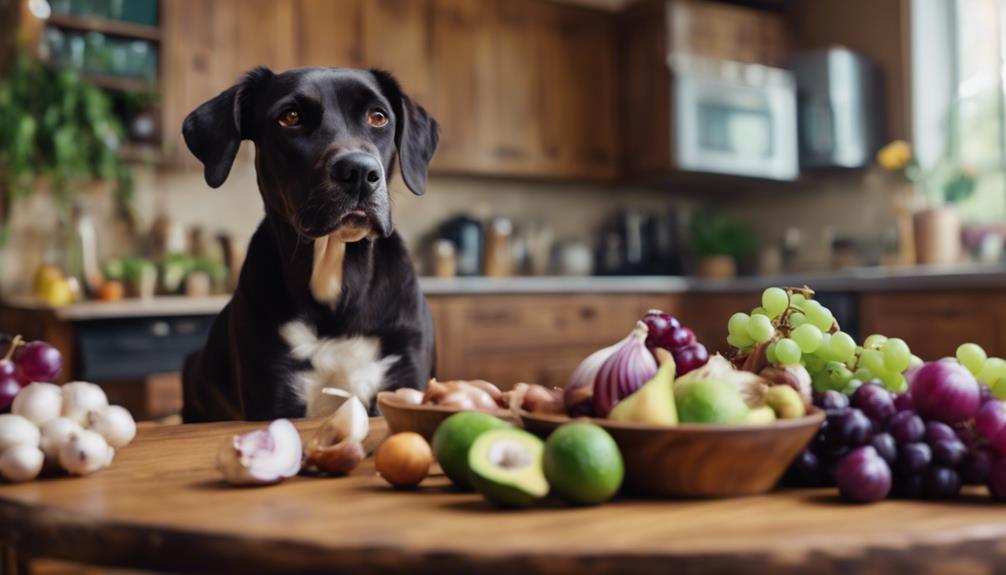
To protect your dog’s health, be aware of common toxic foods such as grapes, raisins, onions, garlic, and chocolate, which can cause severe illness or even death. Apple seeds contain cyanide, while avocados and raw tomatoes can cause gastrointestinal issues. Xylitol, a sugar substitute, and macadamia nuts are particularly dangerous. Cooked bones may splinter, and raw meats can harbor harmful bacteria. It’s vital to recognize symptoms like vomiting, diarrhea, and lethargy. Contact a veterinarian immediately if poisoning is suspected. By staying informed about such toxic foods, you can safeguard your dog’s well-being effectively. Further details can expand your understanding.
Key Takeaways
- Grapes and raisins can cause kidney failure in dogs, even in small amounts.
- Xylitol, a common sugar substitute, can cause severe illness or death in dogs.
- Chocolate contains theobromine, which is highly toxic to dogs and can cause seizures.
- Onions and garlic can damage red blood cells, leading to anemia and other health issues.
Dangerous Fruits and Vegetables
Certain fruits and vegetables can be harmful or even toxic to your dog, so it’s crucial to know which ones to avoid. For more information, check out WebMD’s slideshow on foods your dog should never eat.
Grapes and raisins are extremely toxic to dogs and can cause kidney failure, even in small amounts. For detailed research on this and other toxic foods, refer to the study published by the National Center for Biotechnology Information. If your dog eats these, seek immediate veterinary attention.
Onion powder, which is often found in cooked foods, can cause serious problems. It can irritate the gastrointestinal tract and lead to vomiting and other severe health issues. Onions can also damage a dog’s red blood cells, possibly causing anemia and liver failure if ingested regularly or in large quantities.
A raw diet might seem natural, but some raw vegetables and fruits can be risky. For example, apple seeds contain cyanide, which is toxic to dogs. Even small amounts can lead to cyanide poisoning, requiring a quick trip to the vet.
Raw tomatoes and their leaves can also cause gastrointestinal irritation and should be avoided.
Avocados contain persin, a substance toxic to dogs that can cause vomiting and diarrhea. The pit is a choking hazard and can cause intestinal blockages if swallowed.
If you want to keep your pet safe, it’s important to know about these toxic foods. Avoiding these harmful fruits and vegetables can prevent serious health issues and potentially save your dog’s life.
Always consult your veterinarian if you’re unsure about what’s safe for your dog to eat.
Harmful Proteins and Grains
When thinking about harmful proteins and grains for dogs, it’s crucial to know the risks associated with grapes and onions.
Grapes can lead to acute kidney failure in dogs.
Onions, on the other hand, can damage a dog’s red blood cells, causing anemia.
Being aware of these dangers is key to keeping your dog healthy and safe.
Toxicity of Grapes
Grapes and raisins are dangerous for your dog because they can cause kidney failure. Even a small amount can be harmful. Researchers aren’t sure exactly which compound in these fruits is toxic, but it’s likely a harmful protein or mix of proteins that damage the kidneys.
Signs of grape or raisin poisoning in dogs include:
- Vomiting: This may happen within a few hours of eating the fruit.
- Lethargy: Your dog might seem unusually tired or low on energy.
- Depression: You may notice your dog acting withdrawn or less responsive.
Just 1-2 grapes or raisins per 10 pounds of body weight can cause these symptoms. The toxic effect likely blocks certain enzymes in the kidneys, leading to severe kidney damage.
It’s crucial to understand how serious grape toxicity is for dogs. If you think your dog has eaten grapes or raisins, get them to a vet right away to prevent long-term kidney damage or failure. Always keep grapes and raisins out of your dog’s reach to keep them safe.
Danger of Onions
Onions are dangerous for dogs in any form—dry, raw, or cooked.
They contain a harmful protein called N-propyl disulfide, which can damage a dog’s red blood cells and cause anemia.
The highest concentration of these toxic compounds is in the bulb of the plant, making it especially risky.
Even small amounts can be harmful, and the effects can build up over time with repeated exposure.
Cooking onions doesn’t make them safe for dogs.
It might make them more appealing, increasing the risk of accidental ingestion.
Signs of onion toxicity in dogs include vomiting, diarrhea, lethargy, and pale gums, which are indicators of anemia.
If not treated, severe onion toxicity can be fatal.
It’s important to keep onions out of your dog’s reach, whether they’re raw, cooked, or processed.
Be careful with foods that might contain onions as an ingredient.
By preventing your dog from eating onions, you can help protect their health.
If you think your dog has eaten onions or is showing signs of toxicity, contact your vet immediately.
Dairy Products and Sugar
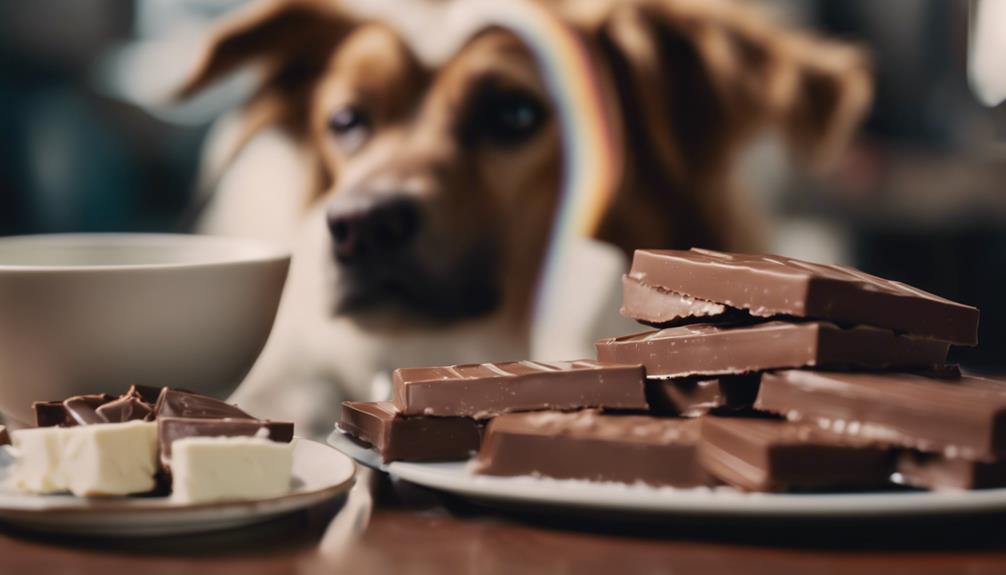
Dogs can’t digest lactose found in milk, which can lead to stomach upset and diarrhea.
Also, xylitol, a common sugar substitute in sugar-free products, can cause severe illness or even death in dogs.
Lactose and Stomach Upset
Many dogs can’t digest lactose, which can lead to stomach upset and diarrhea when they consume dairy products.
When dogs drink milk or eat other dairy items, they often face digestive problems because they can’t break down lactose properly. This can cause symptoms like vomiting, diarrhea, and abdominal pain.
Before giving your dog any dairy products, it’s important to understand the risks.
Lactose Intolerance: Dogs that are lactose intolerant can’t digest lactose, a sugar in milk. This leads to gastrointestinal issues.
Digestive Problems: Eating dairy can cause bloating, gas, and stomach cramps in dogs. This can make them uncomfortable and might lead to more serious health problems.
High Sugar Content: Many dairy products, like ice cream, have a lot of sugar. This can worsen digestive issues and contribute to obesity.
To keep your dog healthy, it’s best to avoid feeding them dairy products. Instead, offer treats that are free of lactose and added sugars.
This will ensure their comfort and well-being.
Xylitol and Sugar-Free Dangers
Avoiding dairy is important for your dog’s health, but it’s also crucial to watch out for xylitol, a common sugar substitute.
Xylitol is often found in sugar-free gum, candy, and baked goods. Even a small amount can cause a rapid drop in your dog’s blood sugar, leading to symptoms like vomiting, loss of coordination, and seizures. In severe cases, it can cause liver failure, which can be fatal.
The toxic level of xylitol is as low as 0.05 grams per pound of your dog’s body weight. The severity of symptoms depends on how much xylitol your dog eats and the type of product.
Sugar-free dairy products, like yogurt and ice cream, often contain xylitol, posing a big risk to your dog’s health. Other common items like peanut butter, energy bars, and toothpaste may also contain this harmful substance.
If your dog eats food with xylitol, get them to a vet right away. Quick treatment can improve their chances of recovery and prevent serious complications.
Always check ingredient labels before giving human food to your dog to make sure it doesn’t contain xylitol or other harmful substances. Being careful can help prevent accidental poisoning and keep your pet safe.
Toxic Bones and Treats
Some bones and treats can be dangerous for your dog. It might seem natural to give your dog a bone, but not all bones are safe.
Cooked bones can splinter easily, causing choking or internal injuries. Raw meat and raw eggs can carry bacteria like Salmonella and E. coli, leading to food poisoning. This can cause serious health issues like liver damage, excessive thirst, abnormal heart rhythms, pancreatitis, and even death.
To keep your dog safe, avoid the following:
Cooked Bones: These can splinter and cause choking, blockages, or tears in the digestive tract.
Raw Meat and Raw Eggs: These can contain harmful bacteria that lead to food poisoning and other severe health issues.
Store-Bought Treats with Additives: Some commercial treats have harmful additives and preservatives that can affect your dog’s health.
Common Poisons and Toxins
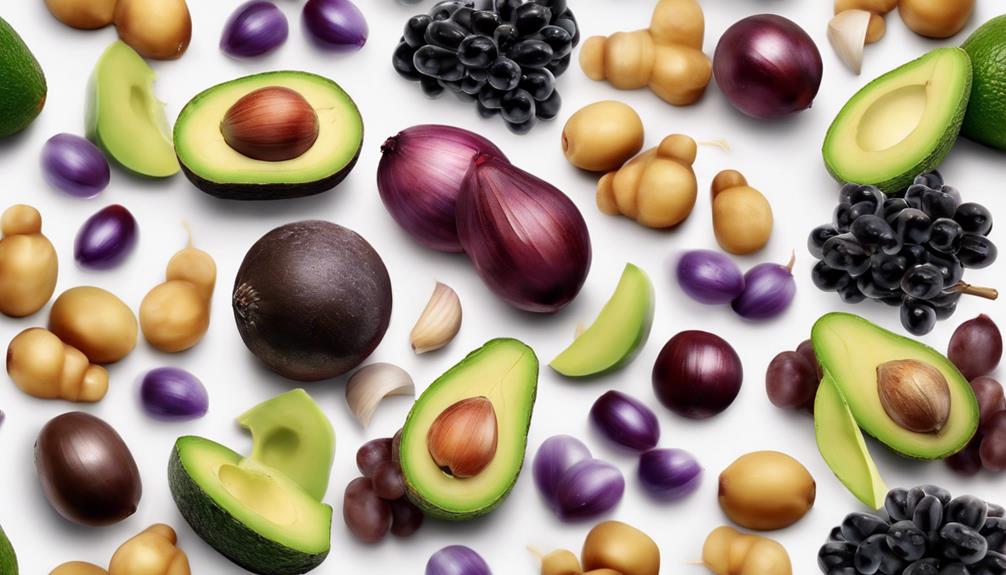
Many everyday foods and substances can be very toxic to dogs, posing serious health risks and sometimes even fatal consequences.
One such substance is xylitol, a common sweetener found in sugar-free gum, candy, and baked goods. Xylitol can cause a sudden drop in blood sugar and liver failure in dogs, leading to symptoms like vomiting, weakness, and seizures.
Chocolate contains theobromine, a compound that dogs metabolize slowly, making it highly toxic. Even small amounts can cause vomiting, diarrhea, rapid breathing, and seizures. The darker the chocolate, the more theobromine it contains and the greater the risk.
- Advertisement -
Onions and garlic, whether raw, cooked, or powdered, contain compounds that damage a dog’s red blood cells, leading to anemia. This can cause lethargy, weakness, and in severe cases, life-threatening complications.
Grapes and raisins are particularly dangerous as they can cause rapid kidney failure. Symptoms like vomiting, lethargy, and decreased appetite can appear within hours and can be fatal if not treated quickly.
Macadamia nuts contain a toxin that can cause muscle weakness, vomiting, tremors, and overheating in dogs. In severe cases, this can lead to respiratory failure and death.
Avocado contains a compound called persin, which can cause vomiting and diarrhea in dogs. Additionally, the large seed poses a risk of intestinal or stomach blockage, which can be fatal if not addressed.
Signs of Food Poisoning
Recognizing the signs of food poisoning in dogs is crucial for prompt and effective treatment. When your dog eats toxic food, symptoms can vary widely depending on the toxin. Quick observation and action can prevent complications and improve recovery.
Common signs of food poisoning in dogs include:
Vomiting and Stomach Upset: This is one of the first signs. Your dog may vomit or have diarrhea within hours of eating something toxic. They might also have abdominal pain.
Weakness and Lethargy: Toxins can make your dog very weak and lethargic. This happens because the toxins disrupt the nervous system or damage red blood cells, which affects normal body functions.
Changes in Blood Sugar Levels: Some toxins affect insulin release, leading to high or low blood sugar. This can cause confusion, seizures, or even coma.
Other critical signs include difficulty breathing, excessive drooling, and abnormal heart rates. Some toxins can damage the liver, leading to jaundice (yellowing of the skin or eyes) and loss of appetite.
In severe cases, toxins can affect the nervous system, causing tremors, seizures, or uncoordinated movements. These symptoms mean significant neurological impairment and need immediate veterinary attention.
It’s essential to monitor your dog’s behavior and condition closely after they eat something toxic. Recognizing these symptoms quickly can help you take the right steps to reduce the effects of poisoning and get proper veterinary care.
Emergency Veterinary Care
In an emergency, it’s crucial to get your dog to a veterinarian quickly for prompt and effective treatment. If you think your dog has eaten something toxic, immediate action can save their life. Even small amounts of certain substances can cause serious health problems.
First, contact your veterinarian or the ASPCA Animal Poison Control Center‘s 24-hour hotline at (888) 426-4435. They can provide medical advice specific to the toxin your dog may have ingested.
Make sure you have the phone numbers for your local vet, the nearest emergency clinic, and the ASPCA Animal Poison Control Center handy.
If you suspect your dog has eaten something toxic, watch their behavior closely. Signs of poisoning include vomiting, diarrhea, lethargy, and tremors.
These symptoms require immediate veterinary attention. Acting quickly can greatly improve your dog’s chances of recovery, so don’t hesitate to take them to a vet if you notice these signs.
Preventative measures are also important. Keep toxic substances out of reach and secure your trash cans to prevent your dog from accessing harmful materials.
Being proactive can reduce the risk of accidental ingestion and emergencies.
Safe Human Foods
You can safely share some human foods with your dog, which can be nutritious and enjoyable for them. While some foods like chocolate, xylitol, and lactose-rich options are toxic and should be avoided, others offer health benefits without the risk of poisoning.
Carrot Sticks: These are a healthy snack for dogs. Carrots provide essential vitamins and minerals and are low in calories. They can also improve your dog’s dental health as they chew.
Green Beans: These are safe, nutritious, and low in calories. Green beans offer a crunchy texture that many dogs find appealing, making them an excellent alternative to salty foods.
Cooked White Rice: Plain cooked rice can be helpful during digestive upset or stomach issues. It’s easy to digest and can soothe dogs with temporary stomach problems.
Other safe options include cucumber slices and plain baked potatoes. Peel and seed cucumber slices to avoid choking hazards. Plain baked potatoes, cooked without added toppings or seasonings, are a safe and nutritious option.
When baking treats for your dog, avoid harmful ingredients like chocolate and xylitol. These substances are poisonous and can cause severe health issues. It’s essential to know which human foods are safe and which are toxic so you can provide healthy, enjoyable snacks for your dog. Always consult your veterinarian if you’re unsure about introducing a new food to your pet’s diet.
Preventing Food Poisoning
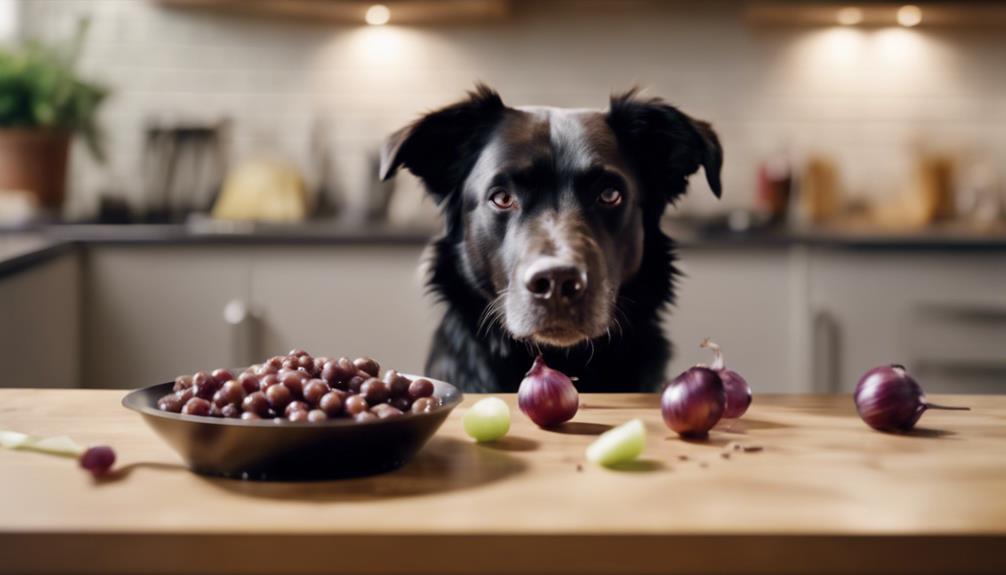
Preventing food poisoning in dogs starts with keeping toxic foods out of their reach. Dogs are curious and might eat anything that smells or looks tasty. To minimize risks, be aware of foods to avoid feeding your pets.
Common toxic foods include chocolate, which contains theobromine and can cause serious health issues. Xylitol, a sweetener in many sugar-free products, can lead to a dangerous drop in a dog’s blood sugar even in small amounts.
Cleaning up food waste and scraps promptly helps too. This reduces the chance of your dog finding and eating something harmful. Labeling toxic foods in your home is also useful. This way, everyone knows which foods to keep away from your dog, promoting safer storage practices.
Supervise meal preparation and snacks, especially if your dog likes to counter-surf or steal food. Keeping an eye on your dog during these times can prevent accidental ingestion of harmful substances. Posting a list of toxic foods in a visible area, like on the fridge or near the dog’s food bowl, serves as a quick reference. It helps everyone remember which foods to avoid feeding dogs, ensuring safer feeding practices.
If you suspect your dog has eaten something toxic, contact an animal poison control center immediately. Early intervention can make a big difference, helping to reduce the effects of toxic substances on your pet.
Frequently Asked Questions
What Are the 10 Most Toxic Foods for Dogs?
When thinking about the most toxic foods for dogs, it’s important to be aware of the dangers.
First, avoid giving your dog grapes and raisins. These can cause severe kidney damage.
Second, be cautious with pizza crusts, especially if they contain garlic or onions, which are harmful to dogs.
Dairy products like cheese can also be problematic, leading to digestive issues.
Avocado, often found in taco toppings, is another food to avoid because it contains a substance called persin, which is toxic to dogs.
Kitchen scraps can be risky too. Foods that are fried or high in fat can cause pancreatitis. Leftovers might’ve hidden hazards like bones or seasonings that are dangerous for dogs.
Chocolate is a well-known danger. Even small amounts can be toxic and lead to serious health issues.
Be mindful of any foods with seasoning, such as salt or nutmeg, which can be harmful in large quantities.
Lastly, avoid giving your dog deli meats. These often contain high levels of sodium and preservatives that aren’t safe for pets.
Keeping these foods away from your dog can help ensure their safety and health.
What Are 13 Human Foods Toxic to Dogs?
When it comes to feeding your dog, certain human foods can be dangerous.
- Peanut Butter: Make sure it doesn’t contain xylitol, which is toxic to dogs.
- Chocolate: Even a small amount can be harmful.
- Garlic: Can cause serious health issues.
- Onions: Just like garlic, onions are very dangerous.
- Macadamia Nuts: These are hazardous for dogs.
- Grapes and Raisins: Can lead to poisoning.
- Cinnamon: May cause adverse reactions.
- Avocados: Not safe for dogs.
- Bacon: Can create health problems.
Always consult your vet for advice on what foods are safe for your dog.
What Do Toxic Foods Do to Dogs?
Toxic foods can seriously harm dogs.
They can cause symptoms of poisoning, damage organs, and trigger allergic reactions.
Some foods may even block the intestines or cause seizures.
Gastrointestinal upset is common, and certain foods can lead to kidney failure and neurological damage.
Additionally, toxic foods may cause liver disease, posing significant health risks to dogs.
What Is the 95 Rule for Dog Food?
The 95 Rule for dog food is a labeling standard. It means 95% of the product must be the named ingredients, not counting water. This rule helps ensure the quality of ingredients and that the food meets strict feeding guidelines.
However, many pet owners get misled by nutrition myths and tricky labels. Manufacturers sometimes hide the real quality of ingredients, which can lead to pet food recalls.
To avoid common mistakes, always check safety regulations.
This straightforward approach can help you make better choices for your pet’s diet.
In summary
Knowing which foods are toxic to dogs is crucial for their well-being.
Fruits and vegetables like grapes and onions can be very harmful to dogs. Proteins and grains, such as raw meat and yeast dough, also pose risks. Dairy products and sugary foods can upset your dog’s stomach. Some bones and treats might cause choking or internal injuries.
It’s important to recognize the signs of food poisoning in your dog and seek emergency veterinary care if needed.
On the flip side, some human foods like carrots and apples are safe and even beneficial for dogs.
Being aware of these risks helps keep your dog healthy and happy.
- Advertisement -