
The Ultimate Leash Training Guide for Rescue Dogs
- Advertisement -
You’re about to transform your rescue dog’s leash-pulling behavior into a pleasant, slack-leash walking experience. Understanding your dog’s instinct to explore and the influence of human interaction on their behavior is key. Consistency is vital, and rewarding desired leash behaviors, such as loose-leash walking, encourage good habits. Positive reinforcement techniques, like clicker training, can help. Crate training can aid in leash training, providing a safe space and reducing anxiety. By focusing on what your dog should do, rather than what they shouldn’t, and using consistent verbal cues, you’ll be well on your way to mastering the art of polite leash walking – and there’s much more to discover ahead.
Key Takeaways
- Consistency is key in leash training rescue dogs, as it helps build trust and confidence in their new environment.
- Crate training can aid in leash training by providing a sense of security and reducing anxiety in rescue dogs.
- Rewarding desired leash behavior, such as loose-leash walking, encourages good habits and promotes positive reinforcement.
- Using positive reinforcement techniques, like clicker training, helps rescue dogs associate walking on a leash with positive outcomes.
- Short, frequent training sessions with minimal distractions are essential for successful leash training in rescue dogs.
Understanding Leash-Pulling Behavior
Leash-pulling behavior is a common issue many dog owners face. The ASPCA offers professional advice on addressing common leash training issues. Understanding why your dog pulls on the leash is crucial to addressing the problem.
Genetics can contribute to this behavior, especially in breeds like Scent Hounds and Arctic breeds that are naturally inclined to follow their noses or explore their surroundings. However, human interaction can influence a dog’s behavior, either encouraging or discouraging it.
Dogs have an instinct to explore their environment, which often takes priority over walking beside their human. As a result, they pull on the leash to get to what they want, whether it’s a smell or a squirrel. Humans often unintentionally reinforce this behavior by following their dogs when they lean into the leash, creating a comfort level with a tight lead.
To address leash-pulling, consistency is key. Identify the desired behavior you want from your dog – walking on a slack leash – and reward it. Avoid inconsistent reinforcement, as this can confuse your dog. Recognize that your dog associates pulling with getting what they want, and they’ll continue to do so unless trained otherwise.
Even breeds prone to pulling can be trained to walk on a slack leash with proper training, patience, and consistency. By understanding the reasons behind your dog’s leash-pulling behavior, you can take the first step towards addressing it and enjoying a more harmonious walk together.
Training Principles and Philosophy
To successfully train your rescue dog to walk on a leash, you need to understand the underlying principles and philosophy. Remember that behaviors that are consistently rewarded will increase in frequency. Focus on rewarding desirable leash behaviors, such as loose-leash walking, to encourage good habits. A peer-reviewed study in the Journal of Veterinary Behavior examines the effectiveness of different leash training methods, providing evidence-based insights into what works best.
Positive reinforcement is key. Effective Leash Training Using Positive Reinforcement Techniques teaches you to reward your dog for what you want them to do, rather than punishing them for what you don’t want them to do. This approach promotes a positive training experience and helps your dog understand what’s expected.
Consistency is crucial. Use the same verbal cue every time you ask your dog to perform a specific behavior. Timing is also essential. Rewards should occur within 1-2 seconds of the desired behavior to create an association between the action and the reward.
To achieve successful leash training, make yourself more rewarding than the environment. This will help your dog focus on you and reduce distractions. The goal of leash training is to teach your dog to walk by your side, not to pull on the leash.
Polite Leash-Walking Fundamentals

Teaching your rescue dog to walk on a leash without pulling requires a solid understanding of polite leash-walking fundamentals. This skill is built on positive reinforcement, patience, and consistency.
Genetics can influence leash-pulling behavior, but human interaction and proper training can greatly impact your dog’s behavior. Crate training, for example, can help reduce anxiety and promote good behavior, which can translate to better leash walking.
To establish polite leash-walking habits, focus on what you want your dog to do, rather than what you want them not to do. The APDT provides expert insights into leash walking from professional dog trainers. This mindset shift is crucial in leash training.
Key Principles:
- Reward desired behavior promptly: Rewards should occur within 1-2 seconds of the desired action to associate the behavior with the reward.
- Manage the environment: Minimize distractions and rewards for pulling to create an environment conducive to learning.
- Use positive reinforcement techniques: Methods like clicker training can encourage good leash manners and promote a strong bond between you and your dog.
- Avoid reinforcing pulling behavior: Refrain from letting your dog pull you towards something, as this reinforces pulling behavior.
Effective Training Sessions and Progression
To maximize your rescue dog’s learning potential, structure training sessions to be short and focused, initially 5-10 minutes, to avoid overwhelming them. Tips for Crate Training Older Dogs Successfully, which provides a safe space and reduces anxiety, can be a valuable tool in leash training. As your dog gains confidence, gradually increase session duration and frequency, introducing new challenges and distractions that mimic real-world walks.
Initial Training Sessions
Establishing a strong foundation is crucial in the initial leash training sessions with your rescue dog. These early sessions set the tone for the entire training process, so it’s vital to get them right. To ensure your dog’s safety during nighttime walks, use reflective leash add-ons for increased visibility in low-light conditions. Hands-free leash accessories can also provide convenience and better control.
To ensure a successful start, follow these guidelines for your initial training sessions:
- Select a quiet area: Start in a distraction-free zone, such as a backyard or empty room, to help your dog focus on the training process.
- Keep sessions brief: Limit the first few sessions to 5-10 minutes to prevent overwhelming your dog and keep them engaged and motivated.
- Reward desired behaviors: Use positive reinforcement by rewarding your dog with treats and praise for desired behaviors, such as walking beside you or responding to verbal cues.
- Gradually introduce distractions: As your dog becomes more comfortable with the leash, introduce more distractions, such as other people, dogs, or noises, to help them generalize their learning.
Leash Training Progression
To advance leash training, increase the duration and frequency of sessions, introducing new distractions and environments to challenge your dog. Crate training can help reduce anxiety and promote good behavior during walks. Separate your dog’s life into behavior and training to identify areas needing more attention and practice. Break down leash training into smaller, manageable steps, focusing on specific issues like pulling on the leash or reactivity. Keep sessions short, fun, and rewarding, with positive reinforcement to motivate your dog.
As you progress, you’ll notice an improvement in your dog’s leash walking, making everyday situations easier to navigate. Focus on specific aspects of leash training, such as:
- Gradually increasing the duration and frequency of training sessions
- Introducing new distractions and environments to challenge your dog
- Using crate training to reduce anxiety and promote good behavior
- Identifying areas that require more attention and practice
- Breaking down leash training into smaller, manageable steps
- Focusing on specific issues like pulling on the leash or reactivity
- Keeping training sessions short, fun, and rewarding with positive reinforcement
Gradual Distraction Exposure
Gradual Distraction Exposure: A Key to Successful Leash Training
To prepare your rescue dog for real-life distractions on walks, gradual distraction exposure is essential. Companion Animal Psychology offers a comprehensive guide to loose-leash walking that delves into the psychology behind effective training. This involves introducing your dog to various distractions, such as people, dogs, and noises while maintaining a calm demeanor. Consistency and patience are crucial for successful correction.
To implement gradual distraction exposure, follow these steps:
- Start with minor distractions, like a person walking by or a gentle noise. Reward your dog for remaining calm.
- Gradually increase the level of distractions, introducing more significant ones such as other dogs, loud noises, or children playing.
- Consistently react to distractions by calmly guiding your dog back to the walk and rewarding good behavior.
- Incorporate distraction exposure into your daily walks to help your dog generalize their learning and become desensitized to distractions.
Importance of Positive Reinforcement
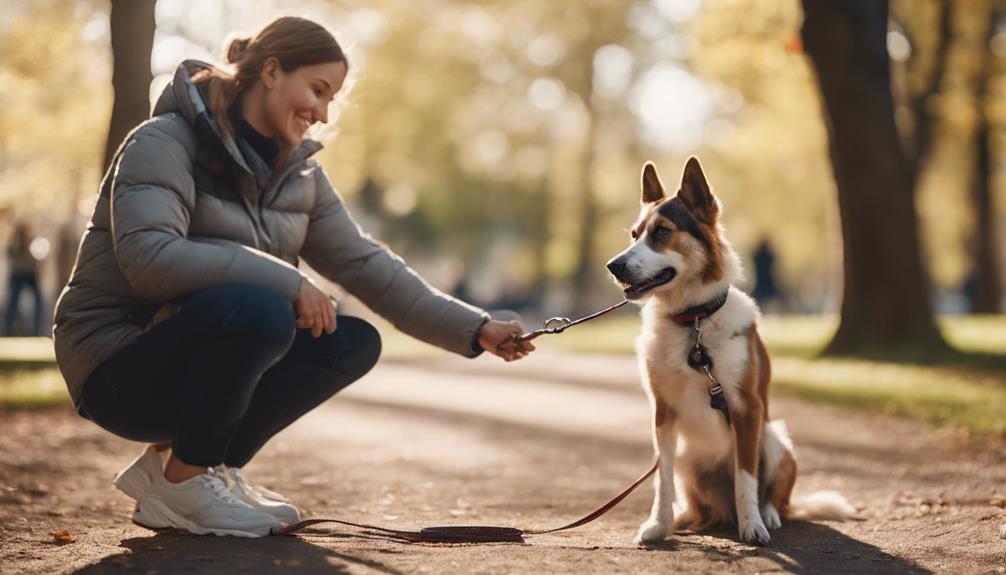
Positive reinforcement is a crucial element in training your rescue dog. By rewarding desired behaviors, you encourage your dog to repeat them. This approach helps create a smoother walking experience. Consistency is vital, so always reinforce good behavior when you see it. Positive reinforcement focuses on what your dog should do, not what they should stop doing. This method creates a clear understanding of what’s expected, making it easier for the dog to learn and grow.
Rewarding Desired Behavior
Rewarding desired behavior is crucial in leash training your rescue dog. It helps your dog associate walking on a leash with positive outcomes, creating a strong foundation for successful walks.
Mastering Positive Reinforcement Training for Dogs, like clicker training, works well for leash-training rescue dogs. They provide a clear and immediate reward for desired actions. To make this technique effective, you need to identify the desired behavior and consistently reward it. This creates a clear understanding of what’s expected, making it easier for your dog to learn and grow.
To successfully reward desired behavior:
- Use high-value treats and praise to help your dog focus on the reward rather than distractions.
- Consistency is key. Inconsistent reinforcement can confuse your dog and hinder the learning process.
- Reward desired behavior immediately to associate the reward with the desired action.
Be patient and persistent. Rewarding desired behavior takes time and effort, but it’s essential for successful leash training.
Consistency Is Key
Consistency is crucial for successful leash training. It helps rescue dogs understand that good behavior leads to rewards, building trust and confidence. Consistent verbal cues or commands reduce confusion and anxiety, allowing dogs to understand what’s expected of them. Promptly rewarding good behavior, such as loose-leash walking, reinforces desired actions and encourages the dog to repeat them.
Consistency is vital in positive reinforcement training. It helps dogs associate actions with positive outcomes. Inconsistent training leads to confusion, frustration, and regression in rescue dogs. Maintaining consistency helps dogs generalize learned behaviors to new environments and situations, making walks more enjoyable and safe.
To achieve consistency, reward desired behavior every time, every walk, and in every situation. This ensures your rescue dog understands what’s expected of them and builds trust in the training process. Remember, consistency is key to successful leash training.
Setting Yourself Up for Success
To set yourself up for successful leash training with your rescue dog, follow these essential steps:
- Choose a quiet area with minimal distractions where your dog can focus on you. This helps prevent distractions and startles.
- Select the right equipment: a comfortable, well-fitting harness and leash designed for dog walking. Avoid collars, as they can cause discomfort and injury.
- Schedule regular training sessions: commit to short, frequent sessions (10-15 minutes, 2-3 times a day) to maintain consistency and prevent boredom.
Approach each training session with patience and calm energy. Avoid frustration or anxiety, as this can hinder the training process.
- Advertisement -
Leash Training Vs. Walking Distinctions
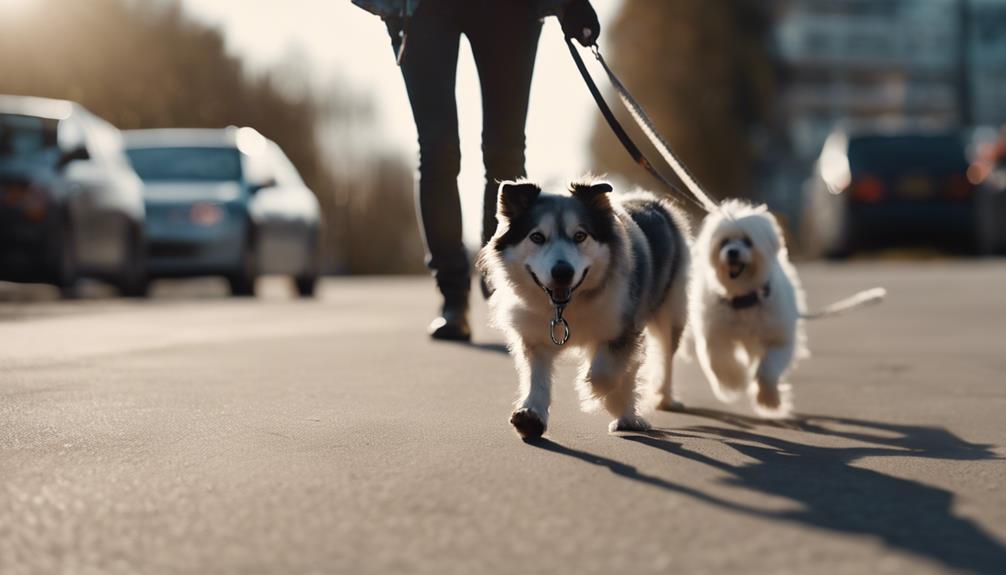
In dog training, leash training and walking are often mistakenly used interchangeably, but they have distinct differences. Leash training teaches your dog to walk beside you without pulling on the leash, establishing control and obedience. This type of training helps manage behavior and reduce anxiety, making walks more enjoyable.
Crate training can be beneficial in leash training by providing a comfortable space for your dog to relax before walks. During leash training, you actively work to eliminate unwanted behaviors, such as pulling or lagging. You teach your dog to respond to cues like “heel” or “walk” and ignore distractions.
Walking, on the other hand, is simply moving from one place to another, often without paying attention to your dog’s behavior on the leash. Unleash the Secret to Leash Walking with Fido is essential for developing a strong bond with your rescue dog and ensuring safe, enjoyable walks.
Introducing Leashes to Young Dogs
Introducing leashes to young dogs is essential for their development. The earlier you start, the better. Early leash introduction helps puppies get accustomed to wearing a leash, reducing the risk of leash aversion later in life. Learn more about how to teach your puppy to walk on a leash from the AKC.
Crate training can aid in the leash introduction process by providing a sense of security for the puppy and helping to manage their behavior. When done correctly, crate training can also reduce anxiety and destructive behavior when left alone.
To introduce the leash, follow these steps:
- Start by letting your puppy wear a soft, lightweight leash in the house for short periods. Reward them with treats and praise to create a positive association.
- Introduce the leash early: Start leash training at 8-10 weeks old.
- Choose the right equipment: Select a puppy-sized leash with a comfortable harness or collar to prevent choking or discomfort.
- Gradually increase duration and frequency: Supervise your puppy during leash-wearing sessions and gradually increase the duration and frequency of these sessions.
- Practice walking: Once your puppy is comfortable on the leash, begin short walks around the house or in a controlled outdoor area to help them learn to walk on a leash in a distraction-free environment.
Avoiding Common Leash Training Pitfalls

When leash training your rescue dog, common pitfalls can hinder progress and create frustration. Inconsistent rewards, unrealistic goals, and a lack of patience are frequent mistakes that lead to ineffective training.
To avoid these pitfalls, it’s essential to understand the principles of positive reinforcement training. Consistency is key in rewarding good behavior and creating a clear understanding of what’s expected. Set specific, achievable goals, and be patient with your dog’s progress.
Inconsistent rewards, for instance, can confuse your dog and slow down the learning process. Set a clear reward system and stick to it. Unrealistic goals can lead to frustration and disappointment. Break down complex behaviors into smaller, manageable parts, and celebrate small successes.
Inconsistent Rewards
Inconsistent rewards can hinder leash training in rescue dogs. To overcome this, establish a clear and consistent reward system. Inconsistent rewards lead to confusion and frustration, making training more challenging. Positive reinforcement training is key to successful leash training.
To avoid inconsistent rewards:
- Select a reward strategy and stick to it. Changing the type, timing, or frequency of rewards undermines training.
- Specify behaviors to reinforce. Focus on rewarding desired behaviors, such as loose-leash walking, to avoid inadvertently rewarding undesired ones.
- Reward immediately and consistently. Reward your dog right after they exhibit the desired behavior to create a clear association.
- Prevent anxiety and stress. Inconsistent rewards can lead to anxiety and stress, damaging trust and communication between you and your dog.
Setting Unrealistic Goals
Setting unrealistic goals is a common mistake when leash training a rescue dog. It leads to frustration and discouragement for both you and your pet. Understand that your dog won’t walk perfectly on a leash from the start. Unrealistic expectations lead to disappointment and a sense of failure, causing you to give up.
Consistency is crucial in positive reinforcement training. Identify desired behavior and set achievable milestones. Reward good behavior consistently to create a clear understanding of what’s expected. This helps your dog learn and grow.
Consider your dog’s background, temperament, and current training level when setting goals. Break down the training process into smaller, achievable steps. Allocate sufficient time for each step. For example, if your dog is still learning to walk on a leash without pulling, don’t expect them to master it in one session. Allocate several short sessions over time to gradually build up their skills.
Lack of Patience
Lack of patience is a common obstacle in leash training. When working with a rescue dog, patience is crucial, especially during crate training, which can take up to six months.
Four common signs of impatience include:
- Frustration when your dog pulls on the leash or ignores commands.
- Rushing the training process by trying to cover too much in one session.
- Expecting immediate results and becoming discouraged when your dog doesn’t grasp a command right away.
- Failing to take breaks, can overwhelm your dog.
To avoid these pitfalls, remember that your dog is still learning. Introduce new concepts gradually, and keep in mind that successful training takes time.
Mastering the Art of Piloting
When leash training your rescue dog, effective piloting is crucial for a successful walk. Piloting involves more than just holding the leash; it’s about guiding your dog to walk on a leash while maintaining a loose leash and good leash manners. Establishing a routine, such as setting times for walks and training, can help reduce anxiety and uncertainty in your dog.
To master piloting, start by standing still with your dog on a leash. Take a few steps forward, then stop again. Repeat this process several times, rewarding your dog with treats and praise for staying by your side. You can also use calming music or white noise to create a soothing environment.
As you progress, increase the distance and duration of your walks. Keep the leash relaxed, but not too loose. Avoid jerking or yanking the leash, which can create anxiety in your dog. Instead, use verbal cues and gentle tugs to guide your dog back to your side.
Remember to stay calm and patient, as your dog will pick up on your energy. With consistent practice and positive reinforcement, your dog will learn to walk beside you without pulling on the leash, making for a more enjoyable and stress-free walk for both of you.
Frequently Asked Questions
How to Leash Train an Adopted Dog?
When leash training an adopted dog, consider their potential fearful behaviors due to past trauma. To build trust, introduce the leash gradually in a familiar space, such as indoors or a quiet area, to prevent overwhelming them. Start by letting them get used to wearing a harness and leash while you’re standing still. Next, take small steps while holding the leash, rewarding them with treats and praise for calm behavior. Gradually increase the duration and distance of your walks, always keeping the leash loose and relaxed. By using positive reinforcement techniques, you can help your dog overcome anxiety and develop a strong bond with you, leading to successful leash training.
How to Stop a Rescue Dog From Pulling on Lead?
To stop a rescue dog from pulling on the lead, you need to address this behavior. Pulling often stems from puppy habits carried over from their past. To break this habit, teach your dog leash manners.
Start with short training sessions. Positive reinforcement is key. Reward your dog for walking beside you. Consistency is crucial. Set a routine and stick to it.
Be patient. Breaking the pulling habit takes time. Don’t let your dog pull you around. Instead, stop moving when they start pulling. Wait for them to come back to your side before continuing the walk.
How to Stop Leash Pulling in 5 Minutes?
To stop leash pulling in 5 minutes, refocus your dog’s attention on good leash manners. When they pull, stop moving forward and wait for them to return to your left side. As soon as they do, reward them with treats and praise. This approach requires consistency and patience, as it may take multiple attempts to yield results.
Why Won’t My Rescue Dog Go for a Walk?
If your rescue dog refuses to go for a walk, it’s likely due to fearful behavior stemming from past trauma or adjustment anxiety. This fear may be linked to negative experiences with leashes or walks in the past. To overcome this, it’s crucial to approach training with patience and gentle guidance.
Start by identifying the source of your dog’s fear. Was it a past traumatic event or a series of unpleasant experiences? Understanding the root cause will help you develop a more effective training plan.
When training, move at your dog’s pace. If they’re hesitant to leave the house, start with small steps, such as simply going to the door or taking a few steps outside. Gradually increase the distance and duration of your walks over time.
Remember to use positive reinforcement techniques, such as treats and praise, to encourage your dog and build trust. Avoid pushing them beyond their comfort zone, as this can exacerbate the problem.
With patience, consistency, and gentle guidance, you can help your rescue dog overcome their fear and enjoy walks together.
In summary
You’ve successfully leash-trained your rescue dog. Consistency and patience are key to achieving a stress-free walk. With continued practice, your dog will learn to walk beside you without pulling.
To maintain a smooth walk, remember to:
- Practice regularly to reinforce good habits
- Be patient and calm, as your dog reacts to your energy
- Gradually increase walk duration and distractions to simulate real-life situations
By following these guidelines, you’ll enjoy a peaceful walk with your dog.
- Advertisement -