
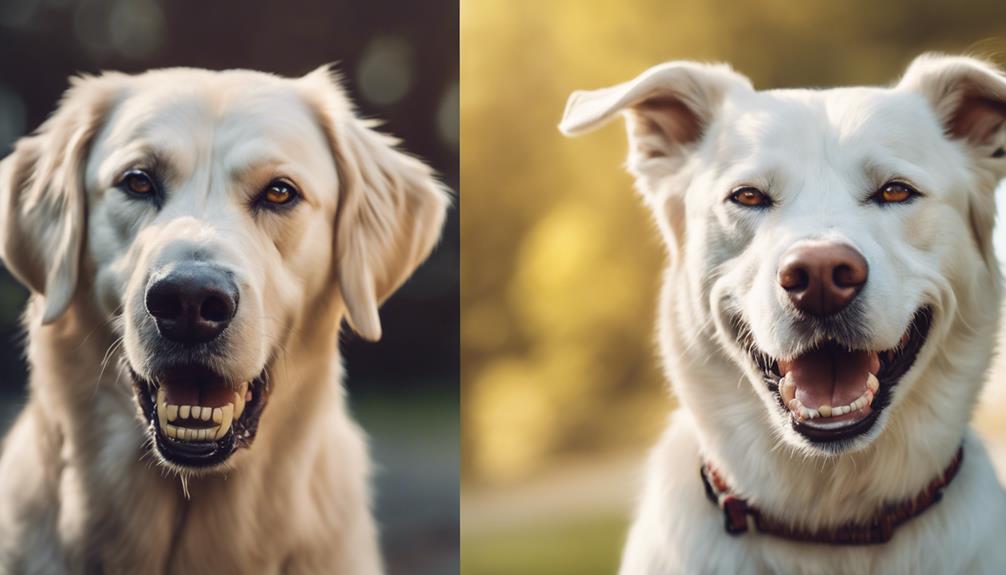
The Effects of Age on Dog Dental Health
- Advertisement -
As your dog ages, their dental health undergoes significant changes, with 80% of canines developing dental disease by the age of two, and the risk of periodontal disease increasing dramatically with each passing year. Senior dogs are more prone to plaque and tartar buildup, dry mouth, and worn or missing teeth, making regular dental care vital in preventing and managing these issues. Daily tooth brushing, regular veterinary check-ups, and a balanced diet are essential in maintaining oral health throughout your dog's life. By understanding the effects of age on dog dental health, you can take proactive steps to safeguard your furry friend's overall well-being, and there's more to explore on this critical topic.
Key Takeaways
- By two years old, most dogs have developed dental disease, and the risk of periodontal disease increases with age.
- Senior dogs are more prone to plaque and tartar buildup, dry mouth, and worn or missing teeth, making regular dental care crucial.
- Age-related tooth loss can alter a dog's chewing pattern, causing uneven wear on remaining teeth and further exacerbating dental problems.
- As dogs age, tooth decay risk increases, gum disease progresses faster, and age-related tooth loss becomes more likely.
- Regular dental check-ups and cleanings can help prevent dental disease and related health problems, which worsen with age.
Understanding Dental Disease in Dogs
Dental disease is a common issue in dogs, affecting 80% of canines by the age of two. This makes early intervention and regular dental care crucial. If left untreated, dental disease can lead to serious health problems, including heart disease, kidney disease, and respiratory disease.
The formation of plaque is often the starting point for dental disease. Regular removal of plaque through daily teeth brushing and veterinary dental check-ups is essential in preventing and managing the disease. Untreated dental disease can cause pain, tooth loss, and other oral health issues, affecting a dog's appetite, behavior, and overall well-being.
Regular dental care is vital in preventing and managing dental disease in dogs. By prioritizing your dog's dental health, you can reduce the risk of related health problems and improve their quality of life. As a responsible dog owner, it's essential to be aware of the risks of dental disease and take proactive steps to ensure your dog receives necessary dental care.
Some key steps you can take include:
- Brushing your dog's teeth daily to remove plaque
- Scheduling regular veterinary dental check-ups
- Providing dental chews and toys to help remove plaque and tartar
- Monitoring your dog's oral health and reporting any changes to your veterinarian
Age-Related Changes in Dental Health
As dogs age, their dental health undergoes significant changes. By two years old, most dogs have developed dental disease. In their senior years, they're more prone to plaque and tartar buildup, dry mouth, and worn or missing teeth. Regular dental care is crucial, as the risk of dental disease increases with age.
Aging and Periodontal Disease
Aging significantly impacts your dog's dental health, making them more prone to periodontal disease. As dogs get older, their immune system weakens, allowing plaque and tartar to build up more easily. Additionally, saliva production decreases, and teeth become worn, fractured, or missing. This combination of factors increases the risk of periodontal disease.
By the age of three, most dogs have some degree of periodontal disease, with the severity increasing as they age. Senior dogs are particularly susceptible to periodontal abscesses, which can lead to sepsis, organ failure, and even death if left untreated. In fact, 80% of dogs over the age of three have some degree of periodontal disease.
Regular dental care and early intervention are crucial for preventing and managing periodontal disease in senior dogs. Dental disease can lead to serious health problems if left untreated. By prioritizing your dog's dental health, you can prevent these issues and ensure your dog stays healthy.
It's essential to stay on top of your dog's dental health to prevent periodontal disease. Schedule regular dental check-ups, and consider daily brushing and dental chews to help prevent plaque and tartar buildup.
Dental Issues in Seniors
As people age, their dental health undergoes significant changes. Weakened immune systems, increased plaque and tartar buildup, reduced saliva production, and worn, fractured, or missing teeth make seniors more susceptible to dental issues. Age-related changes contribute to a higher prevalence of dental problems, making proactive management of oral health essential.
Dental disease symptoms include bad breath, toothache, loss of appetite, and bleeding from the gums. These symptoms can significantly impact quality of life. By age 65, many seniors have some form of dental disease, with the prevalence increasing with age. Untreated dental disease can lead to serious health problems, including heart disease, kidney disease, and respiratory disease. Regular dental care is vital to prevent periodontal disease and tooth decay, ensuring seniors maintain good oral health and overall well-being.
Regular dental check-ups can help detect dental problems early, and preventative measures like brushing and flossing can reduce the risk of dental disease. Seniors should also avoid sugary snacks and drinks, which contribute to tooth decay. By taking proactive steps, seniors can maintain good oral health and reduce the risk of related health problems.
Causes of Dental Problems in Dogs

Dental problems in dogs typically result from a combination of diet, breed, and age. Understanding these factors is crucial for providing your dog with proper oral care.
Periodontal disease is a common issue, affecting 80-89% of dogs over three years old. It begins with dental plaque and can lead to tooth loss if left untreated. Smaller breeds are more prone to this disease, and the risk increases with age. Daily tooth brushing is essential for prevention.
Tooth decay is rare in dogs, but dental calculus (tartar) can facilitate the adhesion of dental plaque, leading to further problems. A dog's diet significantly impacts their dental health. Eating the wrong food, chewing marrowbones, or having a natural diet can contribute to dental issues.
Untreated dental problems can lead to systemic health issues, including heart disease, kidney disease, and respiratory disease. Regular dental care and check-ups are vital to prevent these complications.
Effects of Aging on Canine Teeth
As dogs age, their teeth undergo significant changes. Tooth decay risk increases, gum disease progresses faster, and age-related tooth loss becomes more likely. Regular dental check-ups are crucial to address these changes and maintain your dog's overall health.
Tooth Decay Risks
Tooth decay is a significant risk for aging dogs. As your dog gets older, the likelihood of tooth decay increases, leading to painful dental issues. Tooth decay can cause periodontal disease, which leads to infection, inflammation, and even tooth loss.
To prevent tooth decay, regular dental care is essential. Brush your dog's teeth regularly to remove plaque and tartar. Provide dental chews to help with oral hygiene. Regular dental check-ups can identify potential issues before they become severe.
Neglecting dental care can lead to serious health problems. Dog teeth are prone to decay, and regular care can help prevent this. By prioritizing your dog's dental health, you can help prevent tooth decay and ensure they maintain good oral health throughout their life.
Gum Disease Progression
Periodontal disease is a common condition in dogs that can lead to tooth loss, pain, and even affect their overall health if left untreated. As your dog ages, the risk of periodontal disease increases. It's essential to monitor their dental health closely.
Periodontal disease is characterized by the inflammation of the gums and surrounding tissues. The primary cause is plaque and tartar build-up on your dog's teeth. Plaque accumulates and hardens into tartar, which can only be removed through professional dental care.
Regular dental cleanings and check-ups can help prevent periodontal disease and maintain your dog's oral health. Good dental care at home, such as brushing your dog's teeth regularly, can also reduce the risk of tooth decay and gum disease.
To prevent the progression of periodontal disease, stay on top of your dog's dental health. This includes regular dental cleanings, check-ups, and good dental care at home. By doing so, you can guarantee your dog maintains good oral health as they age.
Age-Related Tooth Loss
As dogs age, their teeth undergo significant changes. By three years old, most dogs have lost their baby teeth, and by seven to ten years old, they may start losing adult teeth due to wear and tear.
As an owner, it's crucial to understand this natural process. Senior dogs are more prone to tooth loss due to periodontal disease, which affects 80% of dogs over three years old. If left untreated, this can lead to loose teeth and eventual tooth loss.
Age-related tooth loss can alter your dog's chewing pattern, causing uneven wear on remaining teeth and further exacerbating dental problems. Additionally, tooth loss in senior dogs can contribute to health issues such as malnutrition, weight loss, and gastrointestinal problems.
Regular dental care and veterinary check-ups are vital in identifying and addressing age-related tooth loss in dogs. Professional cleanings, extractions, and other dental interventions can help prevent or delay tooth loss.
Maintaining Oral Health in Senior Dogs
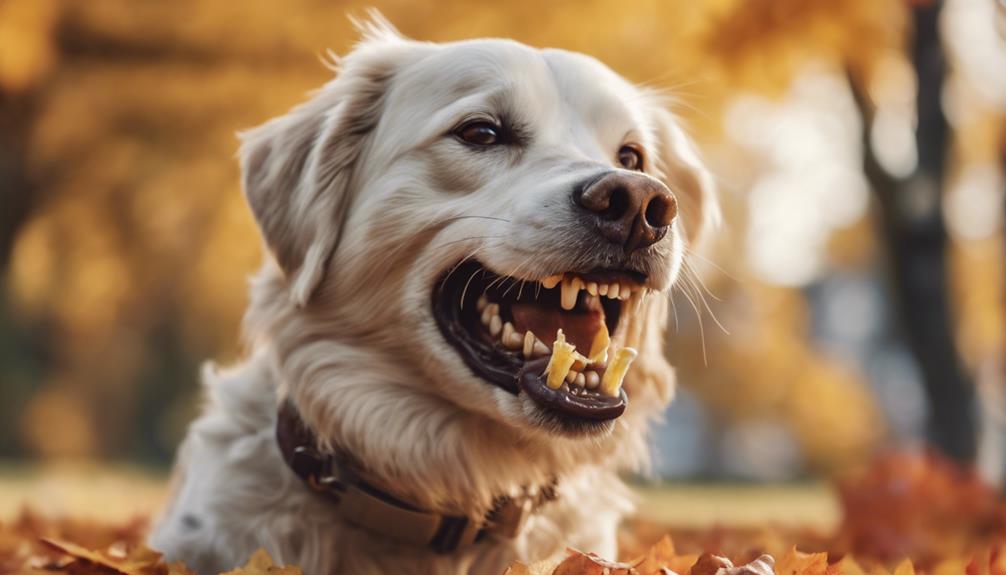
As your dog ages, their dental health becomes more vulnerable to various issues. Weakened immunity, increased plaque and tartar buildup, reduced saliva production, and worn, fractured, or missing teeth make them more susceptible to dental problems. Symptoms may include bad breath, toothache, loss of appetite, and bleeding from the gums.
To maintain your senior dog's oral health, establish a daily teeth brushing routine. This habit helps remove plaque and tartar, promoting healthy teeth and gums. Schedule regular veterinary dental check-ups to identify and address dental issues early, including periodontal disease. Providing dental chews and toys can also support oral health by removing plaque and tartar. A balanced, high-quality diet helps maintain healthy teeth and gums.
Regular professional cleanings are essential to prevent severe dental problems. These cleanings can identify hidden issues, extend your pet's life, and improve their behavior and overall quality of life. By taking proactive steps to maintain your senior dog's oral health, you can ensure they remain comfortable and healthy in their golden years.
Dental Care for Dogs of All Ages
Dental care is crucial for dogs of all ages. As a dog owner, you play a vital role in maintaining your dog's oral health. Daily tooth brushing is the most effective way to prevent periodontal disease, and it's essential for dogs of all ages.
- Advertisement -
By three years old, 80% of dogs have active dental disease. This highlights the importance of regular dental care in preventing and managing dental health issues. Regular dental check-ups and cleanings can help prevent dental disease and related health problems.
Smaller breeds and certain breeds are more prone to periodontal disease, which worsens with age. These dogs require extra attention to their dental care. Remember, dental health is closely linked to overall health. By prioritizing dental care, you're promoting not just healthy teeth and gums but also overall well-being.
Regular dental care is necessary for dogs of all ages, from puppies to seniors. It's essential to prioritize dental care to prevent dental disease and related health problems. By doing so, you're investing in your dog's overall health.
Recognizing Signs of Dental Disease

Dental disease is a common and often hidden condition in dogs. By the age of two, 80% of dogs already have dental disease, making early detection and intervention crucial.
Recognizing dental disease can be challenging, but there are key signs to look out for. These include:
- Bad breath (halitosis) accompanied by yellow or brown teeth, red or swollen gums, and loose teeth
- Changes in appetite or behavior, such as decreased interest in food or play
- Physical signs like pawing at the mouth, head shaking, or jaw chattering
If left untreated, dental disease can lead to serious health complications, including heart disease, kidney disease, and respiratory disease. Regular veterinary check-ups are essential for detecting dental issues early on, preventing problems like tooth decay and periodontal disease from developing.
To maintain your dog's overall health, monitor their dental health closely and seek veterinary care if you suspect dental disease. Early detection and intervention can help prevent serious health issues and ensure your dog lives a happy and healthy life.
Preventing Dental Disease in Dogs
To prevent dental disease in your dog, focus on three key areas. Brush your dog's teeth daily, aiming for at least twice a week, to make a significant impact. A balanced diet and regular veterinary check-ups are also crucial in maintaining your dog's oral health. By combining these habits, you can effectively prevent dental disease in your dog.
Daily Tooth Brushing
Daily tooth brushing is crucial for your dog's overall health. It helps prevent dental disease, which can have serious consequences if left untreated.
Daily tooth brushing removes plaque and tartar, preventing the buildup of bacteria that can lead to dental problems. It also helps prevent bad breath and gum disease. By brushing your dog's teeth daily, you can detect any oral health issues early on, allowing for prompt veterinary care.
Regular tooth brushing is a key part of dental home care. It helps maintain good dental health and reduces the risk of tooth decay.
Dental Diets and Chews
Incorporating dental diets and chews into your dog's daily routine is essential for maintaining good oral health. Look for products carrying the Veterinary Oral Health Council (VOHC) seal, which ensures their effectiveness in reducing tartar buildup and plaque formation. Studies have shown that feeding dental diets and chews can reduce calculus accumulation on teeth by up to 70%. Regular consumption can also decrease halitosis, gingivitis, and periodontitis in dogs.
The American Animal Hospital Association recommends including dental diets and chews as part of a comprehensive oral health care plan, along with regular brushing and veterinary dental cleanings. By doing so, you can prevent periodontal disease and promote good dental health. Remember, dental care goes beyond brushing; make dental diets and chews a part of your dog's daily routine for a healthier, happier pet.
Regular Check-Ups
Regular veterinary dental check-ups are crucial for maintaining your dog's oral health. As your dog ages, these check-ups become even more essential for identifying and addressing dental issues early.
The American Veterinary Dental Society recommends that senior dogs have a dental examination at least once a year, or more frequently if they have a history of dental problems. This is because dental disease affects 80% of dogs over three years old and can lead to serious health complications if left untreated.
Regular dental cleanings can help prevent dental disease. These cleanings are especially important for senior dogs, as they allow for thorough dental evaluations and removal of plaque and tartar. In fact, veterinary dental cleanings under anesthesia are often necessary for a thorough evaluation and cleaning.
Importance of Regular Dental Check-Ups
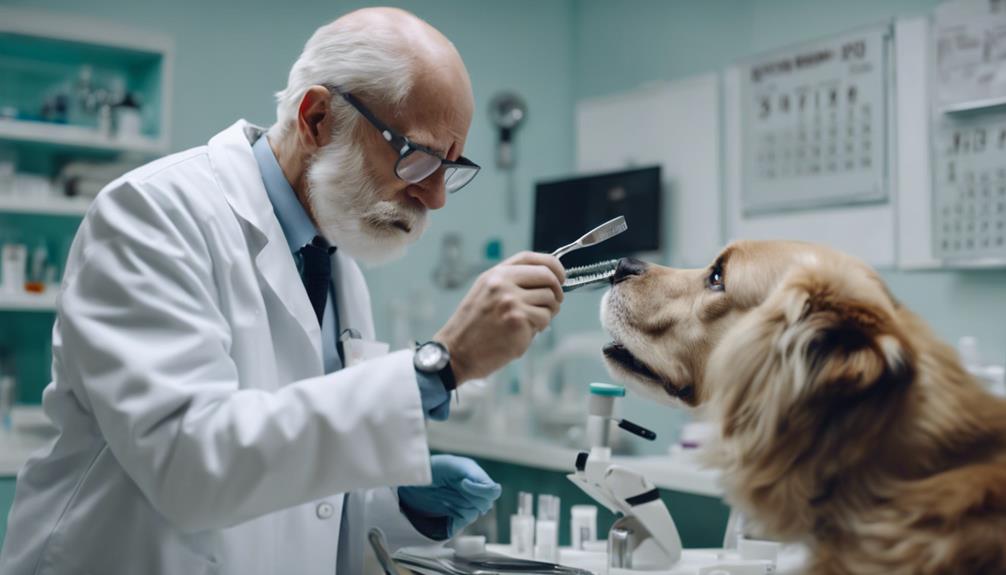
Regular dental check-ups are crucial for senior dogs' overall health and wellbeing. In fact, 80% of dogs over 3 years old have some form of dental disease, which can lead to serious health problems if left untreated.
Annual dental cleanings are recommended by the American Veterinary Dental Society to help prevent dental disease and related health problems. A thorough dental examination, including periodontal probing and intraoral radiographic examination, is necessary to identify hidden dental issues.
Dental disease can lead to bad breath, loose teeth, and even heart and kidney disease if left untreated. Regular dental check-ups can help prevent these problems by identifying and addressing dental issues early. By staying on top of your dog's dental health, you can help ensure they remain healthy and happy as they age.
Don't wait until dental issues become severe. Schedule routine veterinary dental check-ups to give your senior dog the best possible life. Regular dental check-ups can help extend your pet's life and improve their overall quality of life.
Managing Dental Health in Aging Dogs
As dogs age, they become more susceptible to dental issues due to weakened immune systems, increased plaque and tartar buildup, reduced saliva production, and worn, fractured, or missing teeth. To prevent periodontal disease, it's crucial to take proactive steps to manage their dental health.
Establish a daily teeth brushing routine using a specialized toothpaste and brush designed for dogs. This habit helps remove plaque and tartar, reducing the risk of dental conditions. Schedule routine veterinary dental check-ups to identify and address any dental issues early on.
In addition to brushing, provide dental chews and toys to help remove plaque and tartar, promoting healthy teeth and gums. Incorporate specialized oral hygiene formulas into your dog's diet to contribute to managing and improving dental health. A balanced, high-quality diet that supports oral health in senior dogs is also essential.
Frequently Asked Questions
At What Age Do Dogs Have Dental Problems?
Dental problems can affect dogs of all ages, not just seniors. In fact, 80% of dogs have dental disease by the age of two. Even puppy teething can be a sign of underlying issues. Breed and genetic factors contribute to dental problems. Small breeds, for example, are more prone to periodontal disease.
Regular dental care is crucial to prevent and detect dental problems early on. Schedule regular check-ups with your veterinarian to monitor your dog's dental health.
What Happens to Dogs Teeth as They Age?
As your dog ages, their teeth undergo significant changes. Tooth decay and enamel wear cause sensitivity and pain. Gum recession exposes roots, making them more susceptible to decay. You may notice loose teeth, tooth fractures, or dental abscesses.
To prevent or catch these issues early, regular dental check-ups are crucial. During these check-ups, your veterinarian can identify potential problems and provide guidance on how to care for your dog's teeth. By staying on top of your dog's dental health, you can help ensure they remain comfortable and healthy.
Is It Safe for a 12 Year Old Dog to Have Dental Surgery?
Dental surgery can be a safe option for a 12-year-old dog, but it's crucial to consider the risks and benefits. The decision depends on your dog's overall health, which your vet will assess through pre-surgery tests like blood work and urinalysis. These tests will determine if your dog is cleared for senior anesthesia.
Recovery from surgery may take longer for older dogs, but if your vet gives the green light, the benefits often outweigh the risks. Your vet will weigh these factors and discuss the best course of action with you, considering age-related changes and medical considerations.
It's essential to remember that age is just one factor in determining whether dental surgery is right for your dog. Your vet will evaluate your dog's individual health and make a recommendation based on their unique needs.
How Does Age Affect Dental Health?
As pets age, their dental health declines. Older dogs and senior pets are more likely to develop age-related issues like tooth resorption, gum recession, and dental wear. If left untreated, these problems can lead to systemic diseases. Regular dental check-ups and preventive measures are essential to maintain your pet's overall health and well-being as they age.
In summary
As dogs age, dental disease can cause significant health problems. If left untreated, it can lead to painful gums, bad breath, and even life-threatening infections. Regular dental check-ups and good oral hygiene can prevent these issues.
Dental disease can be prevented with regular veterinary check-ups, daily tooth brushing, and a balanced diet. It's essential to monitor your dog's dental health, especially as they get older.
By taking proactive steps, you can improve your dog's quality of life and extend their lifespan.
- Advertisement -