

Stages of Dog Dental Disease
- Advertisement -
As you care for your dog's overall health, understanding the progressive stages of dog dental disease is vital to identifying potential issues early on. The stages begin with plaque and tartar accumulation on the teeth, leading to gingivitis, and progress to periodontal pocket formation, bad breath, and potential tooth loss. As the disease advances, it can lead to significant tooth loss and bone damage, making it challenging to maintain oral health. Recognizing these stages will help you catch any potential issues early, and by continuing to learn more about periodontal disease, you'll be better equipped to provide your dog with the best possible care.
Key Takeaways
- Stage 1 of dog dental disease begins with plaque and tartar accumulation on the teeth, leading to gingivitis.
- Stage 2 is characterized by periodontal pocket formation, bad breath, and potential tooth loss.
- Stage 3 and 4 are marked by significant tooth loss and bone damage, making it challenging to maintain oral health.
- Early detection and treatment can reverse periodontal disease, making regular dental check-ups essential.
- Recognizing signs of periodontal disease, such as bad breath and swollen gums, is crucial for catching any potential issues early on.
Understanding Periodontal Disease
Periodontal disease is a common health issue in dogs, affecting four out of five dogs over the age of three. It's a bacterial infection that targets the dental tissues, including teeth, gums, and surrounding bone. The buildup of plaque and tartar on your dog's teeth leads to inflammation and infection of the gums, which can cause bone loss and tooth loss if left untreated.
Early detection and treatment can reverse periodontal disease. Regular dental check-ups and cleanings can remove plaque and tartar, preventing the disease from progressing. However, if neglected, periodontal disease can lead to severe health issues, including heart and kidney problems.
Identifying signs of periodontal disease is crucial. Look for bad breath, red or swollen gums, loose teeth, and changes in appetite or chewing habits. By recognizing these signs and taking proactive steps to maintain your dog's dental health, you can prevent periodontal disease and ensure your dog lives a healthy life.
Stages of Dog Dental Disease
Understanding the Stages of Dog Dental Disease
The progressive stages of dog dental disease are crucial to recognize to catch any potential issues early on. The Four Stages of Periodontal Disease determine the severity of dental disease in dogs.
Stage 1 begins with plaque and tartar accumulation on the teeth, leading to gingivitis. Regular dental cleanings can remove plaque and tartar, preventing further damage. If left untreated, Stage 1 progresses to Stage 2, characterized by periodontal pocket formation, bad breath, and potential tooth loss.
In Stage 3, periodontal pockets deepen, causing significant damage to teeth and surrounding tissues. Dental cleanings become more complex, and tooth extraction may be necessary. Stage 4, the most advanced stage, is marked by significant tooth loss and bone damage, making it challenging to maintain oral health.
Regular dental cleanings and check-ups are essential in preventing periodontal disease progression. By recognizing the stages of dog dental disease, you can take proactive steps to protect your dog's oral health and prevent severe consequences. Monitor your dog's oral health and schedule regular dental cleanings to catch any potential issues early on.
Causes and Risk Factors

Causes and Risk Factors of Dental Disease in Dogs
Dental disease in dogs can be caused by several factors, including genetic predisposition, poor oral hygiene, and diet. Understanding these causes and risk factors is crucial in preventing or managing periodontal disease in your dog.
Genetic Predisposition
Some breeds, such as small breed dogs and short-muzzled dogs, are more prone to periodontal disease due to their genetic makeup.
Poor Oral Hygiene
A lack of regular dental care and poor oral hygiene allow bacteria to thrive, leading to periodontal disease. In fact, 80% of dogs older than 3 years old are affected by the disease.
Diet and Jaw Alignment
Wet food diets, which stick to the teeth more than dry food, contribute to the development of periodontal disease. Misalignment of the jaw or teeth can also increase the risk of periodontal disease. Additionally, enamel defects and misalignment of the jaw or teeth can predispose dogs to rapid development of periodontal disease.
To prevent periodontal disease, it is essential to practice good oral hygiene, provide regular dental check-ups, and feed a balanced diet. By being aware of these risk factors and taking proactive steps, you can maintain your dog's oral health.
Signs and Symptoms
Recognizing the signs and symptoms of periodontal disease is crucial for early detection and treatment. As a dog owner, you play a key role in identifying these signs, which can be subtle.
Common signs of periodontal disease in dogs include bad breath, swollen gums, and minor bleeding during brushing or chewing. You might notice abnormal discharge from your dog's mouth, favoring one side of the mouth for chewing, or pawing at the mouth.
What's concerning is that dogs may not show signs of pain associated with periodontal disease, making regular dental check-ups essential. You might not notice any changes in your dog's behavior, but periodontal disease can be silently progressing.
Severe symptoms of periodontal disease include the inability to open or close the mouth and the presence of a mass or growth inside the mouth.
Watch for changes in your dog's eating habits, such as inability to chew, broken or missing teeth, excessive drooling, or changes in behavior. These signs can indicate periodontal disease has advanced.
Regular dental check-ups can help identify these signs early on, preventing further progression of the disease. By staying vigilant and proactive, you can help your dog maintain good oral health and prevent periodontal disease.
Diagnosis and Treatment Options

During a dental exam, your vet will use a combination of physical exams, dental X-rays, and full mouth X-rays to diagnose periodontal disease and assess bone loss and tissue damage. The severity of the disease and your commitment to home dental care will determine the treatment plan, which may include dental scaling and polishing, periodontal surgery, or extractions. To manage the disease, regular dental cleanings, scaling, and polishing will be necessary.
Dental Exam Process
The dental exam process for your dog begins with a thorough oral examination, known as a COHAT, to assess the health of their teeth and gums. This examination is crucial for identifying periodontal disease, a common condition that affects their dental routine and oral hygiene.
Your veterinarian will perform the following steps during the exam:
- Advertisement -
- Visually inspect your dog's teeth and gums for signs of periodontal disease, such as bad breath, swollen gums, and loose teeth.
- Probe the periodontal pockets to measure attachment loss and detect signs of periodontal disease.
- Take dental X-rays to assess bone loss and periodontal disease progression, which cannot be seen during a visual examination.
These diagnostic tools help your veterinarian diagnose periodontal disease and determine the best course of treatment for your dog. Regular dental exams are essential for maintaining your dog's oral health and preventing periodontal disease. By working with your veterinarian, you can ensure your dog receives the best possible care for their teeth and gums, meeting the standards set by the Veterinary Oral Health Council.
Treatment Options Available
Your veterinarian will create a customized treatment plan based on the severity of your dog's periodontal disease, considering their overall health, age, and your commitment to home dental care. The treatment options depend on the stage of the disease and may include dental scaling and polishing, periodontal surgery, and extractions. Anesthesia is necessary for a thorough dental cleaning, and your veterinarian will take every precaution to ensure your pet's safety during the procedure.
Dental cleanings, scaling, polishing, and tooth removal (if needed) are crucial for treating and managing periodontal disease. Prices for dental cleanings vary depending on the region and the veterinarian's expertise. Regular dental cleanings and at-home dental care are vital for preventing and managing periodontal disease. To ensure treatment success, commit to daily home oral hygiene. By working closely with your veterinarian, you can develop an effective treatment plan that addresses your dog's specific needs and helps them maintain peak oral health.
Professional Cleaning Methods
Professional cleaning methods are crucial for diagnosing and treating periodontal disease in dogs. These methods involve several stages to remove plaque and tartar, prevent further attachment loss, and promote good oral health.
A comprehensive examination is the first step. This includes a thorough oral examination, dental X-rays, and measurement of bone loss to diagnose periodontal disease accurately.
Next, anesthesia and scaling are necessary. Anesthesia ensures a thorough dental cleaning, and veterinarians take every precaution to ensure the pet's safety during the procedure. Scaling and polishing remove plaque and tartar, preventing further attachment loss.
Regular preventative care is vital for good oral health. This includes regular dental cleanings under anesthesia, with the frequency depending on the severity of the disease and the client's commitment to home dental care. Using products approved by the Veterinary Oral Health Council in conjunction with professional cleaning methods can help prevent tartar buildup and promote oral health.
Prevention and Maintenance
Responsible dog ownership involves prioritizing your pet's oral health through regular prevention and maintenance. This helps prevent periodontal disease and ensures overall health.
Daily tooth brushing with a dog-specific toothbrush and toothpaste removes plaque and tartar buildup. Combining this with dental-friendly foods and treats significantly reduces the risk of periodontal disease.
Regular dental cleanings under anesthesia are crucial for maintaining good oral health. Regularly check your dog's mouth for bad breath or abnormalities to identify potential issues early on. Topical medications can be applied to prevent plaque buildup and promote oral health. Annual oral examinations by a veterinarian are essential for preventing periodontal disease and maintaining overall health.
Importance of Regular Care
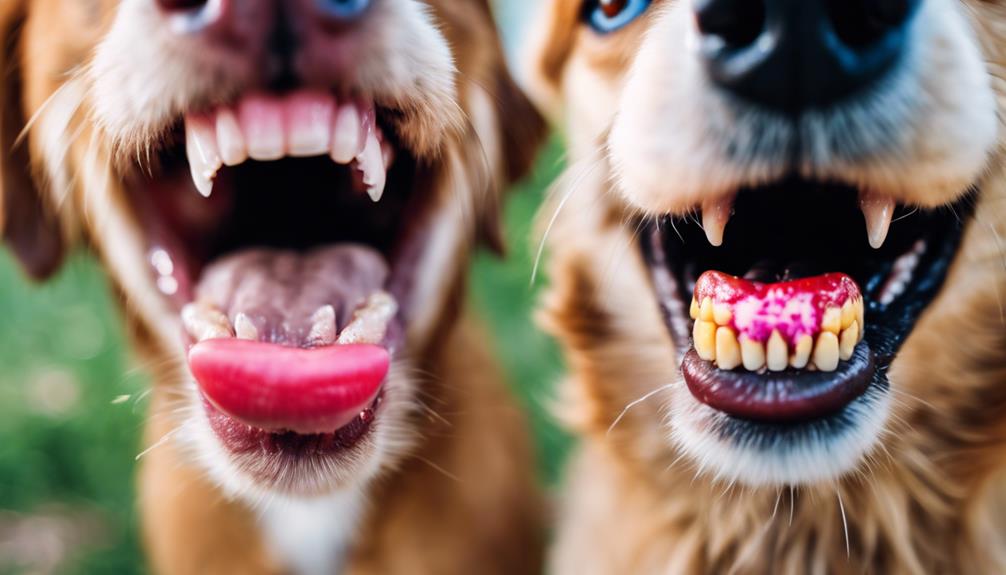
By age three, most dogs show signs of periodontal disease, a condition affecting 80% of canines in this age group. Regular dental care is crucial to prevent and slow down this disease.
Preventing Bone Loss
Regular dental care helps prevent bone loss, a common consequence of periodontal disease. Early treatment of oral health issues prevents long-term damage to your dog's teeth and gums.
Link to Overall Health
Periodontal disease is linked to systemic health issues, including heart and kidney disease. Regular dental care helps prevent these health problems by keeping your dog's teeth and gums healthy.
Reducing Plaque Build-up
Daily brushing and regular dental cleanings under anesthesia reduce plaque build-up, a leading cause of periodontal disease.
Regular dental care goes beyond daily brushing at home. While daily brushing is essential, regular dental cleanings under anesthesia are necessary to remove plaque and tartar below the gum line. By prioritizing your dog's oral care, you can prevent periodontal disease and maintain their overall health.
Frequently Asked Questions
What Is the Progression of Dental Disease in Dogs?
Dental disease in dogs progresses in stages. First, plaque forms on the teeth, leading to gum inflammation and tartar buildup. If left untreated, tartar can cause gum recession, tooth decay, and jaw alignment issues. Regular dental care is crucial to prevent and manage dental disease. This includes daily brushing, regular dental cleanings, and a balanced diet. By prioritizing dental health, you can prevent severe oral health problems and ensure your dog's overall well-being.
What Is End Stage Dental Disease in Dogs?
End-stage dental disease in dogs is a severe and painful condition resulting from dental neglect. It's characterized by bad breath, loose teeth, and gum recession, making eating and everyday activities uncomfortable for your dog.
Frequent vet visits and poor nutrition can contribute to the progression of the disease. Unfortunately, treatment is often costly and may involve multiple procedures. Regular dental care is crucial to prevent end-stage dental disease.
What Is Stage 5 Periodontal Disease in Dogs?
Stage 5 periodontal disease is a severe oral health condition in dogs. At this advanced stage, you'll notice significant gum recession, tooth fractures, and painful gums due to unchecked oral bacteria growth.
To diagnose the extent of the damage, your veterinarian will likely use dental radiographs. While regular veterinary care, including professional cleanings and dental chews, can help manage the condition, prevention is key.
Prioritizing your dog's oral health through regular dental care and check-ups can prevent this debilitating disease from developing in the first place.
What Are the Symptoms of Stage 3 Periodontal Disease in Dogs?
Bad breath in dogs can be a sign of periodontal disease, a serious condition that requires attention. As the disease advances, symptoms may appear, including loose teeth, painful gums, and swollen jaws. Other signs to watch for are yellow teeth, tartar buildup, gum recession, and tooth fracture. If you suspect periodontal disease, your vet may take dental radiographs to confirm the diagnosis. Prompt treatment is essential, as untreated periodontal disease can lead to serious health issues.
In summary
Periodontal disease is a common and preventable condition that affects millions of dogs. Now that you understand the stages, causes, and signs of dog dental disease, it's crucial to prioritize your dog's oral health. Regular dental care is key to preventing this condition and ensuring your dog has a healthy, happy smile for years to come. Stay informed and take action to protect your dog's teeth and gums.
- Advertisement -