
Preventing Raisins Ingestion by Dogs
- Advertisement -
By taking proactive steps, you can prevent raisin ingestion, a vital move since even a small amount can cause sudden kidney failure in dogs. To keep your dog safe, remove grapes, raisins, and foods containing these fruits from their reach, including countertops, tables, and trash cans. Block access to grape vines in your yard and secure fruits in trash bins or compost to prevent accidental ingestion. Educate family members and friends about the risks, and store raisins and grapes in sealed containers or zip-top bags. By following these steps, you'll be well on your way to creating a safer environment for your pet, and there's more to learn about keeping them safe from raisin toxicity.
Key Takeaways
- Remove grapes, raisins, currants, and foods containing these fruits from dog's reach, including countertops, tables, and trash cans.
- Block access to grape vines in the yard to prevent accidental ingestion and secure fruits in trash bins or compost.
- Store raisins and grapes in sealed containers or zip-top bags to avoid accidental spills and educate family members about the risks.
- Keep an eye on food preparation areas and clean up crumbs and spills immediately to prevent accidental ingestion.
- Supervise meal times and snacks to ensure dogs are not getting access to grapes or raisins from guests or other sources.
Raisin Toxicity Dangers for Dogs
Raisin toxicity is a serious and potentially life-threatening condition that can affect dogs. As a pet owner, it's crucial to understand the dangers of raisin toxicity, which can cause sudden kidney failure.
The exact toxic dose of raisins is unknown, but even a small amount can be toxic. The toxic substance in raisins is still not fully understood, but it's believed to be related to a mycotoxin, salicylate, or tartaric acid. These substances can vary in concentration depending on the ripeness and maturity of the raisins.
If your dog ingests raisins, symptoms may not appear until 24-48 hours later. These symptoms can include vomiting, loss of appetite, diarrhea, lethargy, and abdominal pain. If left untreated, raisin toxicity can lead to kidney failure, which can be fatal.
Prompt decontamination and veterinary treatment are essential to prevent kidney damage and failure. The prognosis for dogs with raisin toxicity depends on the amount ingested, time to decontamination, and response to treatment. Early intervention is critical for a successful outcome.
To protect your dog from raisin toxicity, it's essential to be aware of the risks and take steps to prevent ingestion. Keep raisins and products containing raisins out of your dog's reach, and be cautious when eating foods that may contain raisins. If you suspect your dog has ingested raisins, seek veterinary attention immediately. Don't wait for symptoms to appear – act fast to ensure your dog's safety.
Preventing Raisin Ingestion at Home
Preventing Raisin Ingestion at Home
To keep your dog safe from the dangers of raisin toxicity, take proactive steps to prevent accidental ingestion. Start by removing grapes, raisins, currants, and foods containing these fruits from your dog's reach. This includes:
- Moving them off countertops, tables, and trash cans
- Blocking access to grape vines in your yard
Secure fruits in trash bins or compost to prevent your dog from accessing them, even if they're attracted to the smell and taste. Store raisins and grapes in sealed containers or zip-top bags to avoid accidental spills.
Educate family members, friends, and house guests about the risks of feeding grapes or raisins to dogs. This is crucial in preventing unintentional poisoning. Make sure everyone understands the dangers of raisin toxicity, including symptoms like vomiting, lethargy, and kidney failure.
Safe Snack Alternatives for Dogs
Providing healthy snack alternatives for your dog is crucial to supporting their overall health and well-being.
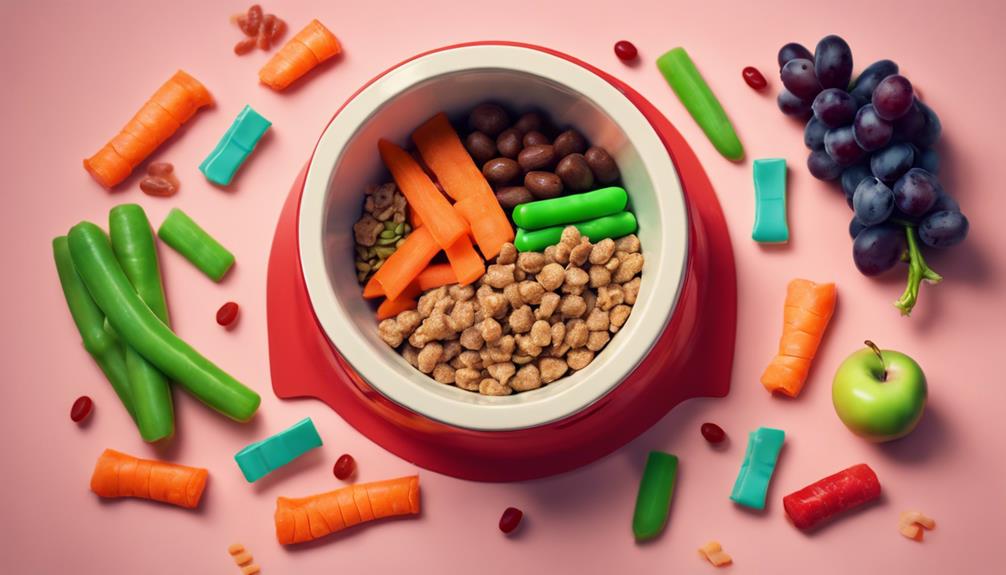
Carrots are a safe and healthy snack option, providing fiber, vitamins, and antioxidants while supporting dental health.
Sweet potatoes are rich in vitamins A and E, iron, and fiber, making them a nutritious and easily digestible snack.
Green beans are a low-calorie, nutrient-rich snack that can help support healthy digestion and weight management.
Apple slices, without seeds and cores, provide fiber, vitamins, and antioxidants.
Pumpkin is another fiber-rich snack that can help support healthy digestion and bowel movements in dogs, making it an excellent alternative to grapes and raisins. By incorporating these snack alternatives into your dog's diet, you can promote healthy digestion and reduce the risk of raisin-related health issues.
Recognizing Early Warning Signs
Recognizing Early Warning Signs of Grape or Raisin Poisoning in Dogs
Grape or raisin poisoning can be a life-threatening situation for dogs. Within 12-24 hours of ingestion, your dog may exhibit symptoms including vomiting, loss of appetite, diarrhea, and lethargy. These signs may not always appear immediately, making it challenging to identify the cause of illness.
Vomiting is a common sign of grape or raisin toxicity in dogs. Monitor your dog's behavior closely after ingestion to catch any early warning signs. Early detection of symptoms is critical, as prompt treatment can improve the dog's chances of recovery. Delay in seeking veterinary attention can lead to severe kidney damage or even death.
Dogs affected by grape or raisin poisoning may exhibit abdominal pain, weakness, dehydration, and changes in urination habits. These signs can be subtle and easily overlooked, emphasizing the need for vigilant monitoring and immediate veterinary attention.
Common signs of grape poisoning include:
- Vomiting
- Loss of appetite
- Abdominal pain
- Lethargy
- Changes in urination habits
- Advertisement -
Early detection and prompt treatment can prevent kidney failure and ensure your dog's recovery. By recognizing these early warning signs, you can take swift action to protect your dog's health and well-being.
Emergency Response and Treatment
Act Fast to Save Your Dog's Life
If you suspect your dog has eaten grapes or raisins, every minute counts. Call your veterinarian immediately for guidance. Delaying treatment can lead to kidney failure.
While waiting for guidance, take these steps:
1. Induce vomiting if advised by your veterinarian. Use one teaspoon of hydrogen peroxide per five pounds of your dog's weight within a few minutes of consumption to help prevent acute kidney failure.
Seek immediate veterinary attention for:
2. Decontamination: A veterinarian will empty your dog's stomach, administer medical-grade activated charcoal, and provide intravenous fluid therapy.
3. Hospitalization: Your dog will likely need to be hospitalized for at least 48 hours for supportive care and close monitoring of kidney function.
4. Blood chemistry monitoring: Your veterinarian will monitor blood chemistry values for 72 hours to assess kidney function and response to treatment.
Frequently Asked Questions
How Do You Stop a Dog From Eating Raisins?
To prevent your dog from eating raisins, follow these steps:
First, keep a close eye on your dog to ensure they don't sneak a snack. Offer alternative treats to distract them from raisins. Monitor their dog food to prevent contamination with raisins.
Restrict access to snacks, and supervise outdoor activities to prevent accidental ingestion. Store food safely, and puppy-proof your home to minimize risks. Maintain a clean household to reduce the likelihood of raisins being left out.
What if My Dog Eats Raisins but Seems Fine?
If your dog eats raisins but appears normal, don't assume everything is okay. Delayed symptoms can occur, and your dog may be experiencing silent poisoning. Monitor your dog closely, as symptoms can emerge later and put your pet's life at risk.
Even if your dog seems fine, it's crucial to consult a veterinarian. They can assess your dog's condition and provide proper care.
How Many Raisins Are Toxic to a 30 Lb Dog?
For a 30-pound dog, the toxic amount of raisins is between 5-14, depending on their size and the dog's individual sensitivity. This translates to approximately 0.18 to 0.48 ounces of raisins per pound of body weight. Even a small ingestion can be dangerous.
What Is the Protocol for Grape Toxicity in Dogs?
If your dog ingests grapes, act quickly and seek veterinary guidance immediately. The toxic compound in grapes can cause severe symptoms in dogs, including kidney failure.
Contact a pet poison hotline or your veterinarian for advice. They may recommend inducing vomiting, administering activated charcoal, or providing intravenous fluid therapy to support kidney function.
Blood tests will help determine the severity of the situation. Your veterinarian will use the test results to develop an appropriate treatment plan.
Stay informed about the latest research on grape toxicity to ensure the best possible outcome for your dog.
In summary
Raisins are toxic to dogs and can cause serious health problems if ingested. To keep your dog safe, it's essential to keep raisins out of reach and provide alternative treats. If you suspect your dog has eaten raisins, recognize the early warning signs, such as vomiting, diarrhea, and lethargy.
In case of an emergency, act quickly and seek veterinary care. Prompt treatment can significantly improve your dog's chances of recovery. Stay informed about the risks of raisins and take proactive steps to prevent accidents.
Remember, it's always better to err on the side of caution when it comes to your dog's health. By being vigilant and prepared, you can help ensure your dog stays healthy and safe.
- Advertisement -