

How to Treat Hot Spots in Dogs
- Advertisement -
To effectively treat hot spots in dogs, it’s essential to first identify the underlying cause and address it promptly. Watch for areas where your dog persistently licks, chews, or scratches, as these are often signs of acute moist dermatitis. To treat hot spots in dogs, your veterinarian will develop a comprehensive plan to stop itching, break the cycle of itching and scratching, and promote healing. This plan may include topical treatments, oral medications, and omega-3 fatty acids to reduce inflammation and combat bacterial infections. By understanding the causes and symptoms of hot spots, you can take proactive steps to prevent them from recurring, ensuring your dog remains healthy and comfortable.
Key Takeaways
- To treat hot spots in dogs, a veterinarian will create a plan to identify and address the underlying cause, stop itching, and break the cycle of itching and scratching.
- Topical treatments like creams or sprays can reduce inflammation and promote healing, while oral medications can combat bacterial infections or reduce inflammation.
- Omega-3 fatty acids, particularly DHA, can support the dog’s skin health and reduce inflammation, making them a valuable addition to their diet.
- Applying cool compresses or hydrocortisone cream can reduce itching and inflammation, and oatmeal baths, aloe vera gel, and tea tree oil can soothe and calm the skin.
- Medicated dog wipes or solutions can gently clean the affected area daily, promoting healing and reducing the risk of further infection.
Understanding How to Treat Hot Spots in Dogs
Identify areas on your dog’s skin where they constantly lick, chew, or scratch. These could be the beginning of hot spots. Hot spots in dogs, also known as acute moist dermatitis, are inflamed and irritated skin areas often triggered by allergies or underlying skin conditions.
Look for redness, swelling, and hair loss when examining your dog’s skin. Hot spots can appear anywhere, but they’re more common on the face, legs, and belly. If you notice your dog excessively licking or chewing a specific area, it’s crucial to address hot spots early to prevent further irritation, as emphasized by the American Kennel Club.
A dog’s coat can significantly contribute to hot spot development. Dogs with thick, double coats are more prone to hot spots because their coat traps moisture, creating an ideal environment for bacterial growth. Underlying skin conditions, such as allergies or dermatitis, also increase the risk of hot spots.
Early intervention is essential to effectively treat hot spots in dogs. By recognizing the signs and addressing the underlying causes, you can help your dog avoid discomfort and skin damage.
Causes and Risk Factors
Hot spots in dogs, also known as acute moist dermatitis, are often caused by a combination of factors that trigger itching and scratching, leading to inflammation and secondary bacterial infections, as detailed in this guide from VCA Animal Hospitals. To effectively treat hot spots in dogs, it’s crucial to understand these underlying causes.
Common causes of hot spots include parasites like fleas, flea allergy dermatitis, dog food allergies, and atopic dermatitis. These conditions lead to intense itching, scratching, and chewing, which can further traumatize the skin and create an ideal environment for bacteria to thrive. To treat hot spots in dogs, it’s important to address these root causes promptly.
Other contributing factors may include ear or skin infections, anal sac disease, contact irritants, and stress or boredom. Moisture trapped in the coat from swimming, bathing, or inclement weather can also contribute to hot spots. Certain breeds, such as Golden Retrievers and Labradors, are more prone to hot spots due to their thick, dense coats.
Hot spots can develop rapidly, often within hours. Understanding the causes and risk factors can help you take preventative measures to reduce the likelihood of hot spots occurring. By recognizing potential triggers and using appropriate treatment options, you can minimize your dog’s exposure to these factors and create a healthier environment for their skin.
Identifying and Diagnosing Hot Spots in Dogs for Effective Treatment
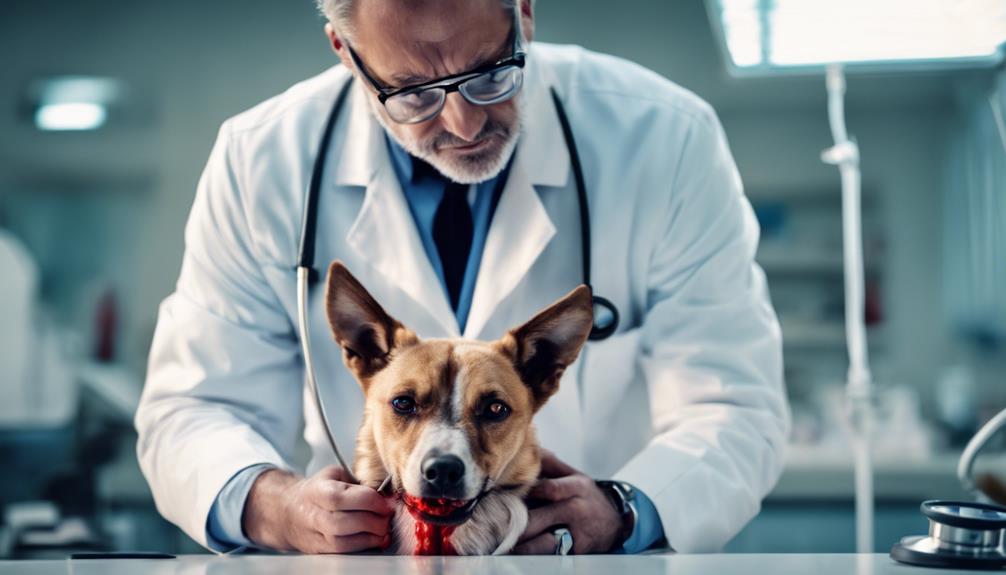
Recognizing the signs of hot spots is crucial for promptly addressing and treating hot spots in dogs, as highlighted by experts from Cornell University. Typical symptoms include well-defined areas of redness, swelling, and hair loss, often accompanied by a strong odor due to bacterial infection. The affected area may be moist, discharge pus or fluid, and cause crusting and matting of the surrounding fur or hair. Your dog may excessively scratch, lick, or chew at the affected area, which can worsen the condition.
To effectively treat hot spots in dogs, it’s essential to monitor your dog’s behavior and skin surface for signs like redness, swelling, and inflammation. These symptoms can be painful and itchy for dogs, leading to rapid growth and spread of the lesion if left untreated. Breeds like Golden Retrievers and Labradors are particularly prone to developing hot spots due to their dense coats, so extra vigilance is necessary.
If you notice any of these symptoms, consult your veterinarian for a proper diagnosis. They will perform a physical examination and may conduct skin scrapings or biopsies to rule out other skin conditions and identify underlying causes. Early recognition and diagnosis are key to preventing further complications. By seeking prompt veterinary care, you can ensure your dog receives the necessary treatment to recover from hot spots and return to a healthy, comfortable state.
Treatment and Prevention
To treat hot spots in dogs, as supported by research in the Journal of the American Veterinary Medical Association, your veterinarian will create a tailored plan to identify and address the underlying causes, stop itching, and break the cycle of itching and scratching. This comprehensive plan may include:
- Topical treatments, such as creams or sprays, that reduce inflammation and promote healing to effectively treat hot spots in dogs.
- Oral medications, including antibiotics or steroids, to combat bacterial infections and reduce inflammation.
- Omega-3 fatty acids, particularly DHA, support your dog’s skin health and reduce inflammation.
Managing allergies and underlying conditions, such as exercise guidelines for dogs with congestive heart failure, is also crucial to prevent hot spots from recurring. By addressing the root cause, you can promote healthy, comfortable skin for your dog. Work closely with your veterinarian to develop a comprehensive management plan to keep hot spots under control, ensuring your dog’s well-being.
Effective Home Remedies for Treating Hot Spots in Dogs
- Advertisement -

To treat hot spots in dogs and support your dog’s recovery, you can take the following steps at home:
Start by applying cool compresses or hydrocortisone cream to reduce itching and inflammation. Additionally, consider using oatmeal baths, aloe vera gel, and tea tree oil, as they have anti-inflammatory properties that can soothe and calm the skin, effectively reducing redness and swelling associated with hot spots.
Incorporating omega-3 fatty acids into your dog’s diet can further help treat hot spots in dogs by reducing inflammation and promoting a healthy skin barrier.
Use medicated dog wipes or solutions to gently clean the affected area daily, promoting healing and minimizing the risk of further infection. Moisturizing the area is also crucial to prevent dryness and ensure optimal healing.
Before trying any home remedies or natural solutions, it’s essential to consult with a veterinarian to confirm the proper diagnosis and treatment of hot spots. Your veterinarian can guide you on the best course of action and recommend suitable products for your dog’s specific needs.
Frequently Asked Questions
How Can I Treat My Dog Hotspot at Home?
To treat your dog’s hotspot at home, apply topical creams like hydrocortisone or calendula ointment to reduce inflammation. Cool compresses and oatmeal baths can also provide relief. For a natural approach, add tea tree oil or apple cider vinegar to a bath, or apply aloe vera gel directly to the affected area. Epsom salt soaks can help reduce itching and promote healing. Before starting any treatment, consult with a veterinarian to ensure the best course of action for your dog.
Will a Dog Hot Spot Go Away on Its Own?
Dog hot spots will not go away on their own. 80% of dog owners wait too long to treat their pet’s hot spots, which can lead to skin lesions, bacterial infections, and severe skin irritation.
Timely treatment is crucial to prevent hot spots from worsening. Consult with a veterinarian to guide your treatment plan. Natural remedies can aid in rapid healing, but it’s essential to avoid common mistakes that can exacerbate the issue.
Focus on managing symptoms and avoid delaying treatment. With proper care, you can help your dog recover from hot spots and prevent future occurrences.
What Causes Hot Spots for Dogs?
Hot spots on dogs are often caused by a combination of factors. Allergen reactions, skin irritations, and flea bites can trigger itchy areas, leading to infected sores. Underlying skin allergies can also contribute to hot spots. Insect bites, over-grooming, and bacterial infections can make the problem worse.
To address hot spots, it’s essential to identify and address the underlying cause. If your dog has skin allergies, treating the allergy can help prevent hot spots. Reducing flea bites and insect bites, and preventing over-grooming can also help. In some cases, bacterial infections may need to be treated with antibiotics.
Can I Give My Dog Benadryl for Hot Spots?
Can I Give My Dog Benadryl for Hot Spots?
Before giving your dog Benadryl for hot spots, consult with a vet. While Benadryl can calm and relieve itching, it’s crucial to get a vet’s approval for the correct dosage and to ensure it’s safe with your dog’s medications and health conditions.
The typical dosage is 1mg per pound of body weight. Never use over-the-counter Benadryl, as it can interact with other medications and cause side effects. Your vet may recommend alternative treatments or additional measures to prevent allergic reactions and effectively treat the hot spot.
In summary
- Advertisement -