

Understanding Flea Allergy Dermatitis (FAD) in Dogs
- Advertisement -
You’re likely no stranger to the frustration and discomfort flea allergy dermatitis (FAD) can cause in your dog. Triggered by an allergic reaction to flea bites, FAD leads to severe itching, skin lesions, and secondary infections. Even a single flea bite can spark an allergic response in sensitive dogs, and certain breeds like Labradors and Golden Retrievers are more prone to developing FAD. Effective flea treatment and prevention strategies can manage FAD, and understanding its causes, symptoms, and diagnosis is vital to providing your dog with relief. For comprehensive information on managing environmental allergies in dogs, explore this guide on effective flea treatment and prevention strategies. As you explore further, you’ll discover the key to alleviating your dog’s discomfort.
Key Takeaways
- Flea allergy dermatitis (FAD) is a skin condition in dogs caused by an allergic reaction to flea bites, leading to discomfort, skin lesions, and infections.
- A single flea bite can trigger an allergic response in sensitive dogs, making prevention crucial to manage FAD.
- Symptoms of FAD include excessive scratching, chewing, and hair loss, typically appearing 2-5 days after a flea bite due to a delayed reaction.
- Effective management of FAD involves flea control, itch relief, and prevention, using a multimodal approach combining products, environmental treatment, and medications.
- Year-round prevention is key to managing flea infestations and allergies, involving regular flea control, cleaning, and monitoring the dog’s skin health.
What Is Flea Allergy Dermatitis?
Flea allergy dermatitis (FAD) is a common skin condition in dogs caused by an allergic reaction to flea bites. For more detailed information, consult the American Veterinary Medical Association (AVMA). When a dog is bitten by a flea, its immune system overreacts to the saliva and flea antigen, leading to intense itching and discomfort.
FAD is not just a minor skin irritation; it’s a serious skin condition that can cause severe discomfort, skin lesions, and even secondary infections. Even a single flea bite can trigger an allergic reaction in sensitive dogs.
If your dog is scratching, chewing, and losing hair excessively, it may be a sign of FAD. Consult with your veterinarian to determine the best course of treatment. Effective flea treatment and prevention strategies can manage FAD.
To protect your dog from FAD, it’s essential to understand its signs and symptoms. Look out for excessive scratching, chewing, and hair loss. Work with your veterinarian to develop a treatment plan that includes flea prevention and control measures.
Causes and Risks of FAD
Flea allergy dermatitis (FAD) is a common issue in dogs, triggered by a single flea bite. The saliva from the flea bite contains an antigen that provokes an immune response. In dogs with FAD, their immune system overreacts to this antigen, causing intense itching, inflammation, and skin lesions.
The problem lies not with the flea bite itself, but with the dog’s immune system’s response to it. Even after eliminating the fleas, the allergic reaction can persist for weeks. It’s essential to understand that just one flea bite is enough to trigger the allergic response, making prevention crucial.
Some breeds, such as Labradors and Golden Retrievers, are more prone to developing FAD due to their genetic makeup. Dogs exposed to fleas at a young age are also more likely to develop the allergy. If your dog has a history of skin allergies or sensitivities, take preventative measures to minimize their exposure to fleas.
Symptoms of Flea Allergy Dermatitis

Recognizing the Symptoms of Flea Allergy Dermatitis (FAD)
Flea allergy dermatitis (FAD) is a skin disease caused by flea bites. It can lead to significant discomfort and distress in your dog. The symptoms of FAD typically appear 2-5 days after a flea bite, due to a delayed reaction to the saliva injected into the skin.
Common symptoms of FAD include intense itching, scratching, and chewing at the affected areas. This can lead to skin lesions and hair loss, usually on the lower back, tail, and belly. In severe cases, the skin may become thickened, darkened, and rough, making it prone to secondary infections.
To diagnose FAD, your veterinarian may perform skin tests to rule out other skin conditions with similar symptoms. It’s essential to maintain a consistent flea control program, as even a single flea bite can trigger a reaction.
Regular monitoring and prompt treatment can help alleviate your dog’s suffering and prevent further complications. By recognizing the symptoms of FAD, you can take swift action to provide your dog with the necessary care and relief.
Diagnosis of Flea Allergy Dermatitis
Accurate diagnosis is essential to determine the best course of treatment for flea allergy dermatitis in dogs. A veterinarian will examine your dog, looking for signs of fleas or flea dirt, and assess the severity of the itching.
To diagnose flea allergy dermatitis, skin testing and blood tests can be conducted. Skin testing, also known as intradermal testing, involves injecting small amounts of flea-specific salivary antigens into your dog’s skin to observe the reaction. This test is usually performed by a veterinary dermatologist. Blood testing, on the other hand, can be done in most general veterinary practices to test the IgE directed against the flea-specific salivary antigens.
A thorough diagnosis involves a physical examination, medical history, and skin testing. For a more in-depth, scientific analysis, refer to this article in Veterinary Dermatology. The veterinarian will rule out other potential causes of skin irritation, such as food allergies or skin infections, to ensure an accurate diagnosis. By accurately diagnosing flea allergy dermatitis, the veterinarian can develop an effective treatment plan to alleviate your dog’s discomfort and prevent further skin damage.
Treatment and Prevention Strategies
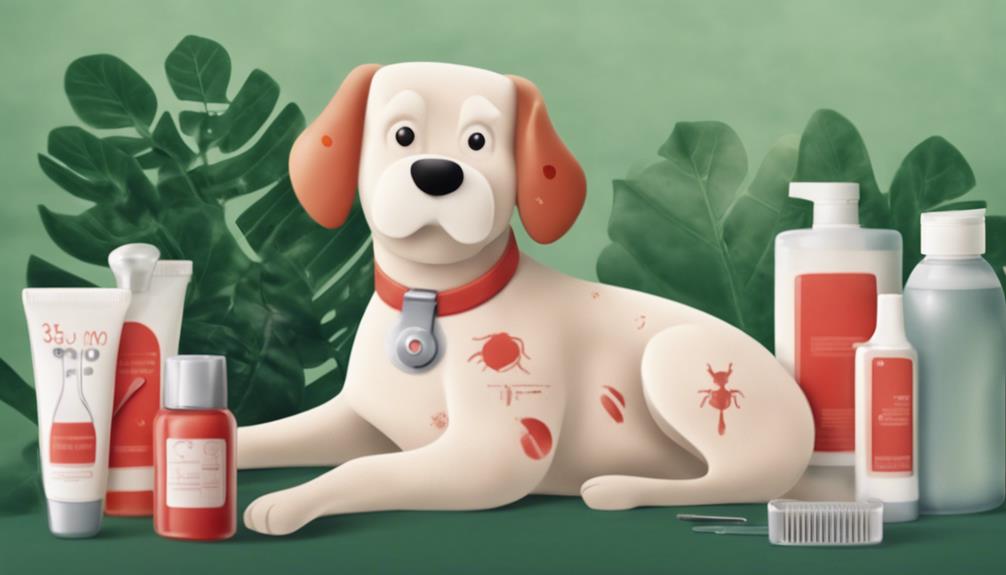
To effectively manage flea allergy dermatitis in your dog, you need to focus on three key areas: flea control, itch relief, and prevention.
Flea control strategies aim to eliminate the source of the problem. This involves removing fleas from your dog’s environment, including their living space and your home.
Itch relief measures help reduce your dog’s discomfort. These can include medications, baths, and topical treatments that soothe the skin and reduce inflammation.
Prevention is crucial to stopping future outbreaks. This involves regular flea control, maintaining a clean environment, and monitoring your dog’s skin health.
Flea Control Strategies
To effectively combat flea allergy dermatitis in your dog, a multimodal approach is necessary. This involves using flea control products, environmental treatment, and medications to reduce itch and inflammation.
Topical or oral flea medications, such as afoxolaner, fluralaner, lotilaner, sarolaner, or spinosad, can eliminate fleas. However, these products may take several hours to kill all existing fleas.
Environmental control measures are also crucial. Vacuuming and washing pet bedding can help eliminate flea infestations. You may need to repeat applications of insecticides, IGRs, or both to ensure complete elimination.
Regular monitoring and follow-up are vital to verify successful treatment and control. For global perspectives on managing FAD, refer to the World Small Animal Veterinary Association (WSAVA) guidelines. Using flea prevention products year-round can prevent recurring flea allergy dermatitis.
In addition to flea control products, you can combine them with corticosteroids, antihistamines, and omega fatty acid supplements to provide rapid relief from itching and inflammation.
Fighting the Itch
To combat flea allergy dermatitis, you need a comprehensive approach that targets fleas, discomfort, and inflammation. A combination of strategies is essential to effectively fight the itch.
First, eliminate the fleas. Oral flea medications can provide quick relief, killing all fleas on your dog within 30-60 minutes.
Next, soothe the skin. Medicated shampoos can reduce itching and inflammation, while topical and oral medications offer additional relief.
In severe cases, address inflammation with steroids or allergy medications like Apoquel or Cytopoint.
Don’t forget to treat the environment. Wash your dog’s bedding and vacuum regularly to prevent flea infestations and reduce the risk of flea allergy dermatitis.
Prevention Essentials
To prevent flea allergy dermatitis, it’s crucial to focus on prevention. Year-round treatment with an effective anti-flea product is necessary to prevent new flea bites and allergic reactions.
Regular cleaning of your dog’s blankets and beds reduces the risk of flea infestations. Flea control products, such as topical or oral medications, can eliminate existing flea infestations and prevent new ones.
- Advertisement -
Environmental control measures are also essential. For comprehensive guidelines on flea control, check the Centers for Disease Control and Prevention (CDC). Vacuuming and washing bedding regularly can eliminate fleas and prevent re-infestation.
Prevention is a simple, inexpensive, and essential step in reducing the risk of new allergic reactions and costly treatments. By taking these steps, you can provide your dog with effective treatment and prevention strategies, ultimately managing flea allergy dermatitis.
Managing Flea Infestations and Allergies
To manage flea infestations and allergies in your dog, you need a multi-faceted approach. This includes effective flea control methods, recognizing flea allergy dermatitis symptoms, and year-round prevention strategies. By doing so, you can prevent recurring symptoms and reduce the risk of flea allergy dermatitis.
Effective flea control involves using products that kill fleas, such as topical treatments, oral medications, and flea collars. It’s essential to choose a product that targets both adult fleas and their eggs to break the flea life cycle.
Recognizing flea allergy dermatitis symptoms is crucial. These include excessive scratching, biting, and chewing, leading to skin lesions and hair loss. If you suspect flea allergy dermatitis, consult your veterinarian for a proper diagnosis and treatment plan.
Year-round prevention is key to managing flea infestations and allergies. Regularly wash your dog’s bedding, vacuum carpets, and treat your yard to reduce flea populations. Additionally, consider using preventative medications and supplements to support your dog’s skin health.
Flea Control Methods
Managing flea infestations and allergies in dogs requires a multi-faceted approach. To eliminate existing fleas and prevent re-infestation, you’ll need to use a combination of flea control methods.
Four effective methods to consider:
- Topical and oral medications: Products containing afoxolaner, fluralaner, lotilaner, sarolaner, or spinosad can eliminate fleas and prevent re-infestation.
- Environmental control measures: Regularly vacuum and wash your dog’s bedding to remove existing fleas and prevent re-infestation.
- Regular monitoring and follow-up: Schedule regular check-ins with your veterinarian to confirm successful treatment and control of flea infestations and allergies.
- Transdermal and oral-systemic approaches: These methods can eliminate fleas with regular monthly application, but be patient – it may take 2-3 months to see results due to existing flea life stages in the environment.
Flea Allergy Symptoms
Fleas can cause intense allergic reactions in dogs, leading to uncomfortable symptoms. Common signs include restlessness, itchy skin inflammation, and even loss of fur and crusty or weeping patches of skin. A single flea bite can trigger itching for several days.
Itchy, inflamed skin can be a symptom of many skin diseases, so a clear diagnosis is crucial. A flea comb test can help identify flea allergy dermatitis (FAD) by detecting flea fecal matter.
To manage your dog’s symptoms, controlling itching and affected skin is key. Your veterinarian may prescribe anti-itching products, infection treatment, and thorough flea infestation control to prevent further allergic reactions. Be aware that secondary skin infections can occur, so monitor your dog’s condition closely.
Regularly cleaning your dog’s blankets and beds is also essential to reduce the risk of a new allergic reaction. Remember, prompt action can help alleviate your dog’s discomfort and prevent further complications.
Year-Round Prevention
Year-round prevention of Flea Infestations and Allergies
To prevent flea infestations and allergies, it’s essential to take a proactive approach by treating your dog year-round with an effective anti-flea product. This is crucial for pets diagnosed with flea allergy dermatitis (FAD) to control itching and affected skin.
Fleas can remain unnoticed, making it challenging to correctly interpret symptoms. Therefore, continuous prevention is vital to reduce the risk of a new allergic reaction. To manage flea infestations and allergies, follow these steps:
- Use flea preventatives, such as topical treatments and oral medications, to reduce itching and inflammation.
- Regularly clean your dog’s blankets and beds to prevent flea infestations and allergies.
- Treat your dog for fleas all year round, as fleas can carry diseases like the cucumber tapeworm, which can infect humans.
- Environmental treatment is vital, so wash bedding and vacuum regularly to manage flea allergies.
Importance of Continuous Prevention

Continuous Prevention of Flea Infestations is Crucial for Dogs with Flea Allergy Dermatitis
If your dog has flea allergy dermatitis (FAD), it’s essential to understand that preventing flea infestations is an ongoing process. To reduce the risk of new allergic reactions, you must commit to year-round treatment with an effective anti-flea product.
Fleas can be difficult to detect, making it challenging to accurately interpret symptoms. Continuous prevention reduces the risk of a new allergic reaction, protecting your dog’s comfort and well-being. Regularly cleaning your dog’s blankets and beds is vital to prevent flea infestations and reduce the risk of FAD.
Topical or oral medications can be used to prevent flea infestations and reduce the risk of FAD. Continuous prevention is a relatively simple and inexpensive way to protect your dog from the discomfort and distress caused by flea allergy dermatitis. Prioritizing continuous prevention is essential to ensuring your dog leads a happy and healthy life.
Frequently Asked Questions
What Is Flea Allergy Dermatitis FAD in Dogs?
Flea allergy dermatitis (FAD) is a common condition in dogs where their immune system overreacts to flea bites. The saliva from fleas triggers an allergic reaction, leading to skin irritation and discomfort for the dog. Some breeds are more prone to FAD due to genetic predisposition.
Recognizing the signs of FAD is crucial to alleviate your dog’s suffering and prevent complications. The symptoms include excessive scratching, chewing, and biting, leading to skin lesions and hair loss. If you suspect your dog has FAD, consult with your veterinarian to determine the best course of treatment.
How Long Does FAD Last in Dogs?
Flea allergy dermatitis (FAD) in dogs can be a lifelong condition if not properly managed. The duration of symptoms varies depending on several factors, including the length of flea season, your dog’s reaction time, skin sensitivity, and allergy threshold. The frequency of flea bites and the itch cycle length also influence the duration.
While consistent treatment can control symptoms and prevent secondary infections, the allergy itself will not resolve over time. It’s essential to understand that managing FAD requires ongoing effort and attention to your dog’s skin health.
How Do You Treat a Dog With Fad?
To treat flea allergy dermatitis in your dog, you’ll need to take a multi-step approach. First, give your dog flea medication to quickly eliminate the fleas. Your vet may recommend skin testing to identify specific allergies and suggest changes to your dog’s diet to reduce inflammation. Topical creams, oral steroids, and medicated baths can help soothe the skin. Immunotherapy and environmental control measures, such as washing bedding and vacuuming, are also crucial. Work with your vet to develop a customized treatment plan that addresses your dog’s specific needs.
What Is the Pattern of Flea Allergy Dermatitis?
Flea allergy dermatitis (FAD) follows a distinct pattern. Flea bites typically occur in clusters, causing skin lesions to appear in a linear pattern. Itching intensity varies, but some breeds, such as Labradors and Golden Retrievers, are more prone to FAD. Regional skin reactions can occur, often accompanied by seasonal flare-ups. Lesions often crust and excessive shedding correlates with the severity of the condition. Recognizing this pattern is key to diagnosing and treating FAD in dogs.
In summary
Flea allergy dermatitis (FAD) is a common problem in dogs. A single flea bite can cause intense discomfort, but with the right prevention and treatment, you can control the symptoms. To manage FAD, it’s essential to understand how it works and take proactive steps.
A flea bite triggers the release of histamine, which leads to itching, scratching, and skin inflammation. This can cause hair loss, redness, and secondary skin infections. If left untreated, FAD can significantly impact your dog’s quality of life.
To prevent FAD, use a reliable flea control product, such as topical treatments or oral medications. Regularly wash your dog’s bedding, vacuum carpets, and mop hard floors to reduce flea infestations.
If your dog is already experiencing FAD symptoms, consult your veterinarian for guidance on treatment. They may recommend anti-itch medications, antibiotics, or steroids to reduce inflammation and alleviate discomfort.
By staying informed and taking proactive steps, you can help your dog live comfortably and reduce the risk of FAD complications.
- Advertisement -