

How to Socialize a Senior Dog Successfully
- Advertisement -
You can socialize a senior dog successfully by understanding their unique needs and implementing a tailored plan that addresses their emotional and psychological well-being. Start by identifying areas where your dog needs socialization, such as fear or aggression towards people or other animals, and recognize subtle body language cues like tail tucking or yawning. Gradually introduce new people, dogs, and experiences at a pace your dog can handle, rewarding calm behavior with treats and praise. Be patient and consistent, and tailor your plan to your dog's individual needs and limitations. With time and effort, you can help your senior dog feel more confident and calm in new situations, and discover more about how to improve their socialization.
Key Takeaways
- Identify socialization needs by recognizing signs of fear, anxiety, or aggression, and observing body language cues like tail tucking or avoidance.
- Gradually introduce new people, dogs, and experiences at a pace the senior dog can handle, rewarding calm behavior with treats and praise.
- Create a tailored plan considering the dog's unique needs, limitations, and past experiences, prioritizing emotional well-being and realistic goals.
- Implement the plan consistently and patiently, incorporating desensitization techniques and varying the pace and environment to keep the dog engaged.
- Provide frequent breaks and reassurance to ensure the dog's comfort, and avoid pushing them beyond their comfort zone to prevent setbacks.
Understanding Dog Socialization
Socialization is crucial for your dog's emotional and psychological well-being. It involves helping your dog feel comfortable around other dogs, new people, and unfamiliar environments and situations. This process reduces fear and aggression towards people and other animals, making your dog more adaptable and resilient.
Socialization is not just for puppies. Adult dogs, especially those that missed socialization as puppies, can also benefit from it. Socializing your older dog can improve their quality of life and strengthen your bond with them.
To socialize your dog, provide positive experiences by gradually exposing them to new people, environments, and situations. This helps them feel calm in new situations. Start with small steps, such as short visits to new places or introductions to new people. Gradually increase the duration and intensity of the experiences.
Remember to keep the experiences positive and calm. Avoid overwhelming your dog, as this can create negative associations. With patience and consistency, you can help your dog become more confident and calm in new situations.
Identifying Socialization Needs
Observe your senior dog's behavior to identify signs that indicate a need for socialization. These signs may include:
- Fear or aggression around people or animals
- Nervousness on walks
- Shyness around other dogs or people
- Subtle body language cues, such as:
- Tail tucking
- Yawning
- Avoidance
These signs suggest your dog may be experiencing fear or anxiety. Socialization can help improve your dog's emotional and psychological well-being in these areas.
Signs of Fear
Recognizing Fear in Senior Dogs
Fearful behavior in senior dogs can be subtle, making it essential to identify signs that indicate your dog needs socialization. Look for signs of fear or anxiety around people, other dogs, or specific environments. Does your dog exhibit fear or aggression towards strangers or shyness around other dogs? Do they bark or respond anxiously to certain stimuli?
Observe your dog's body language, such as raised hackles (hair on their back) or a tense posture, which can indicate anxiety. When you notice these signs, remain calm and patient, as your dog will pick up on your emotions. Be aware of your dog's triggers and old habits, and be prepared to address them through socialization.
Fearful behavior can be deeply ingrained, but gentle, consistent exposure can help your senior dog overcome their fears and become more confident. By recognizing the signs of fear and taking steps to address them, you can improve your dog's quality of life.
Socialization Deficits
Socialization deficits in your senior dog can have a significant impact on their behavior and quality of life. To address these deficits, identify areas where your dog needs improvement, such as interactions with strangers, loud noises, or new environments.
When socializing an adult dog, consider their unique needs. Unlike puppies, adult dogs have established behaviors and may require a more tailored approach. Keep new experiences positive and rewarding, allowing your dog to remain calm and relaxed. Gradually introduce your dog to new situations, giving them the opportunity to become comfortable.
Socialization is an ongoing process, and it's never too late to start. By addressing socialization deficits, you can improve your dog's behavior and quality of life. Focus on building positive experiences, and remember that small steps can lead to significant changes over time.
Methods for Successful Socialization

When socializing a senior dog, a gradual approach is crucial. This process requires patience, consistency, and positive reinforcement.
To socialize your senior dog successfully, follow these steps:
- Gradual Introduction: Introduce your dog to new people, dogs, and pets gradually, allowing them to approach and interact at their own pace.
- Controlled Environments: Use controlled environments like dog daycare or training classes to provide opportunities for socialization and exercise. Ensure your dog feels safe and confident.
- Reward Positive Interactions: Reward calm behavior with treats, praise, and affection. Avoid scolding or punishing your dog for fearful or anxious reactions.
Remember to be patient and consistent when socializing your senior dog. They may need more time to adjust to new experiences and may require more frequent breaks to avoid overwhelming them. By following these steps, you can help your senior dog become more confident and calm in social situations.
Note: I made some minor adjustments to the original text to make it more concise and direct, while maintaining the same level of clarity and practicality.
Benefits of Socializing Senior Dogs
Socializing your senior dog has numerous benefits for their overall well-being. It can improve their mental and emotional health by increasing confidence and calmness in new situations. This, in turn, can reduce anxiety and fear-based behaviors, leading to a more balanced dog.
Socialization also helps combat boredom and stagnation, common issues in older dogs. By introducing your dog to new people, places, and experiences, you can stimulate their mind and body, reducing the risk of destructive behavior and stress.
Regular socialization has physical health benefits as well. It can reduce stress, a major contributor to many age-related health issues. Additionally, socialization can improve cognitive function, reducing the risk of age-related cognitive decline.
Overcoming Socialization Challenges
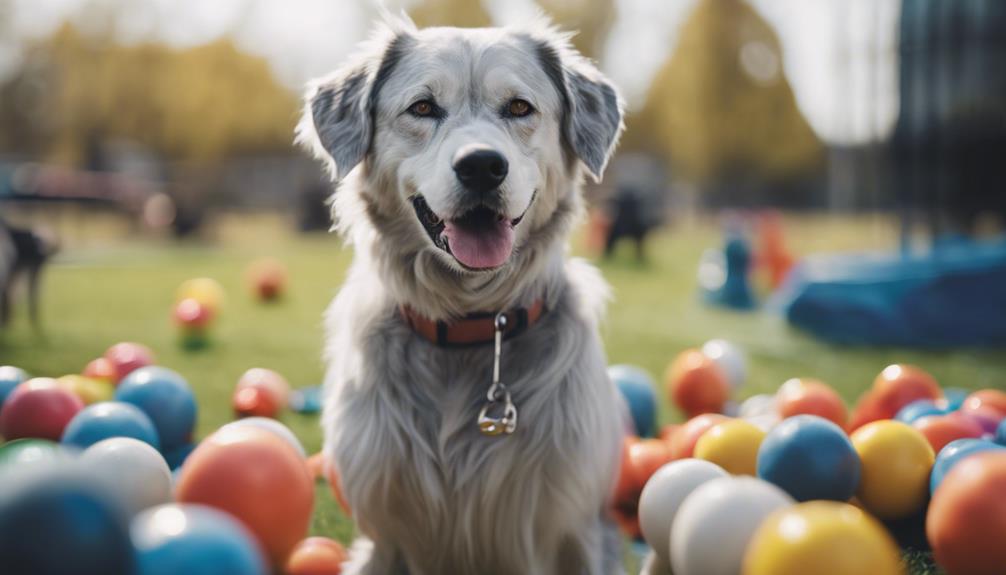
Socializing a senior dog can be challenging, especially when dealing with fear and aggression. To overcome these issues, use desensitization techniques and move at your dog's pace to build trust and confidence. This approach helps your dog feel more comfortable and secure in new situations.
Desensitization involves gradual exposure to the feared object, person, or environment. Start with small steps, such as brief exposure from a safe distance, and reward your dog for remaining calm. Gradually increase exposure over time, always monitoring your dog's comfort level.
Remember to stay patient and calm, as your dog will pick up on your emotions. Avoid pushing your dog beyond their comfort zone, as this can create setbacks. By working at your dog's pace, you can help them become more confident and secure in new situations.
- Advertisement -
Fear and Aggression
Fear and aggression are common challenges when socializing senior dogs. These issues often result from past traumatic experiences or anxiety. To ensure a safe and successful socialization experience, you must address these problems.
When dealing with an aggressive dog, follow these steps:
- Identify the triggers: Determine what causes your dog's fear or aggression, such as loud noises, strangers, or specific situations.
- Keep them calm: Use positive reinforcement techniques, like treats and praise, to help your dog behave calmly in anxiety-provoking situations.
- Gradually expose them: Introduce your dog to new people, places, and experiences gradually, allowing them to become comfortable at their own pace.
Building Trust Slowly
To build trust with your senior dog, introduce new experiences gradually to avoid overwhelming them. When introducing your dog to another adult dog, ensure your dog remains calm and comfortable. Observe their body language, and if they appear anxious or stressed, stop the interaction.
Start in a quiet area with minimal distractions, allowing your dog to absorb the sights and sounds at their own pace. Gradually increase exposure to new environments and dogs, always monitoring their behavior and body language.
Desensitization Techniques
Desensitization techniques are a crucial part of socializing your senior dog. These techniques help your dog gradually become comfortable with new sights, sounds, and experiences, reducing anxiety and stress.
When using desensitization techniques, follow these steps to ensure your dog's comfort and progress:
First, create a calm environment. Avoid loud noises and overly excited people, as these can overwhelm your dog.
Next, introduce new stimuli gradually. Start with small, manageable exposure and gradually increase the intensity. This allows your dog to become comfortable with new sights and sounds at their own pace.
Finally, reward your dog's calm behavior. Use treats and praise to positively reinforce their calm behavior, helping them associate new experiences with positive outcomes.
Creating a Socialization Plan
Create a socialization plan tailored to your senior dog's unique needs and limitations. Prioritize their emotional well-being by considering potential tiredness or underlying health issues. Set realistic goals based on their comfort level and boundaries.
Identify your dog's comfort level and boundaries, then gradually introduce new people, dogs, and experiences at a pace they can handle. A well-structured plan should include a mix of controlled environments, such as quiet rooms or enclosed areas, and gradual exposure to more stimulating environments, like dog parks or busy streets.
Be consistent and patient, as senior dogs may need more time to adjust to new situations and may require more frequent breaks and reassurance. Consider their past experiences and potential triggers, and incorporate strategies to mitigate any negative reactions or anxiety.
Remember to vary the pace and environment to keep your dog engaged and comfortable. With a clear plan and consistent approach, you can help your senior dog feel more confident and calm in social situations.
Frequently Asked Questions
Is It Too Late to Socialize an Older Dog?
It's not too late to socialize an older dog. While past experiences, limited exposure, or shelter life may have contributed to fear aggression or old dog habits, social anxiety can also stem from breed characteristics or owner influence. Fortunately, with patience and gentle exposure, you can help your senior dog overcome these challenges and reduce anxiety.
Older dogs can still learn and adapt, but it's essential to approach socialization gradually and carefully. Start with small steps, such as short introductions to new people, places, or experiences. Reward your dog with treats and praise for calm behavior. Avoid pushing them beyond their comfort zone, as this can exacerbate anxiety.
Consistency and patience are key when socializing an older dog. Focus on building trust and confidence, and you'll be surprised at the progress your dog can make, regardless of their age.
How to Train an Older Dog to Socialise?
Training an older dog to socialize requires breaking old habits and introducing gentle exposure to new people, dogs, and environments. To start, create a calm atmosphere and be a patient owner. Use slow introductions to new social situations, rewarding your dog with treats and gentle commands for calm behavior.
Aim for short, positive interactions, gradually increasing exposure to new stimuli. Focus on building confidence in your dog, rather than pushing them beyond their comfort zone. Avoid overwhelming your dog, as this can create anxiety and undermine the training process.
How Do You Socially Enrich a Senior Dog?
To socially enrich a senior dog, provide mental stimulation through sensory exercises like scent work and problem-solving toys. Calming aids, such as pheromone diffusers and calming music, can help reduce anxiety. When introducing your dog to new environments or people, do so gently to minimize stress. Offer familiar social interactions and comforting routines to provide a sense of comfort. Create quiet spaces with minimal changes to promote relaxation.
Remember to keep introductions to new things gradual and gentle, as sudden changes can be overwhelming. By incorporating these activities into your dog's routine, you can help them feel more engaged and calm.
How Do You Train an Older Dog to Be Around Other Dogs?
To train an older dog to be around other dogs, prioritize calm introductions and gentle exposure. Start with small group socials in neutral locations, such as quiet areas or dog parks with rules. Observe canine body language to ensure a smooth interaction. Consider enrolling your dog in dog daycare or organizing playdates for slow introductions. This will help your dog feel comfortable and confident around other dogs.
Remember to:
- Keep initial interactions brief and positive
- Monitor your dog's behavior and body language
- Gradually increase exposure to other dogs over time
- Reward calm behavior with treats and praise
In summary
Socializing your senior dog requires a well-planned approach, patience, and dedication. By following a structured plan and being willing to adapt, you can help your dog become more confident and calm in social situations.
With a successful socialization plan, you can expect your dog to become a more loving and calm companion. To achieve this, it's essential to focus on gradual exposure to new people, places, and experiences. Be prepared to make adjustments as needed, and remember that every dog is different.
By following the steps outlined in this article, you'll be able to help your senior dog overcome social challenges and develop better relationships with those around them.
- Advertisement -