
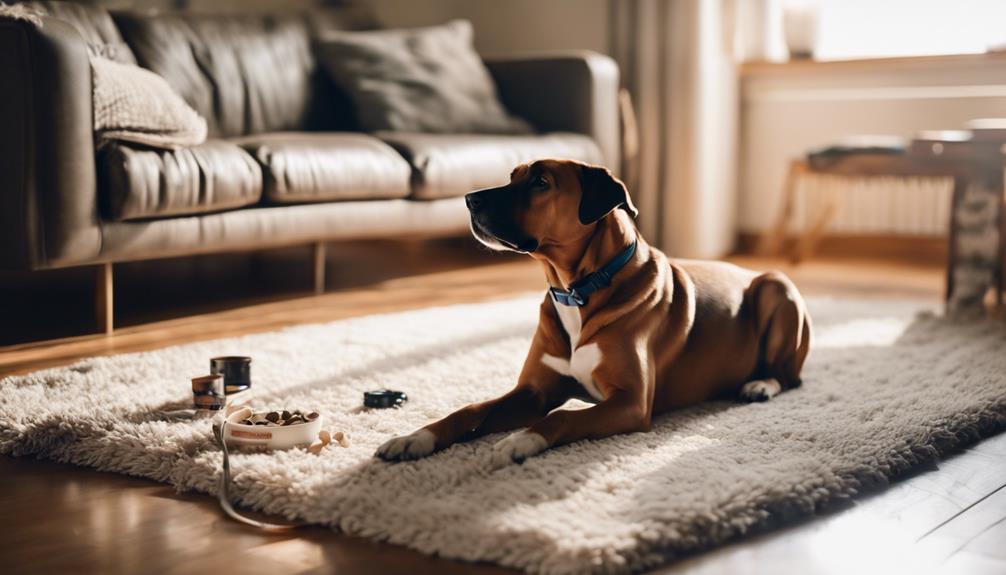
How to Housebreak Stubborn Dogs Successfully
- Advertisement -
To housebreak a stubborn dog successfully, it's essential to understand their behavior and instincts. Recognize their subtle cues, such as sniffing and circling, and respond promptly to prevent accidents. Establish a consistent routine for feeding, exercise, and potty breaks, and designate a specific area outside for them to do their business. Use a consistent command and reward system, and supervise them at all times. Manage accidents calmly and patiently, and review your housetraining plan to identify areas for adjustment. By doing so, you'll be well on your way to overcoming common obstacles and achieving successful housebreaking.
Key Takeaways
- Establish a consistent routine for feeding, exercise, and potty breaks to help stubborn dogs learn when to go.
- Use positive reinforcement, such as praise and rewards, to teach the dog to associate good behavior with desired outcomes.
- Identify and respond promptly to the dog's natural elimination cues, such as sniffing and circling, to prevent accidents.
- Designate a specific potty area and use a consistent command, such as "go potty," to create a clear association.
- Stay calm and patient when managing accidents, and review the housetraining plan to identify areas that need adjustment.
Understanding Canine Behavior
When interacting with your dog, remember they have their own language, social structures, and instincts that govern their behavior. To housebreak your puppy, you need to understand canine behavior. Dogs primarily communicate through body language, so recognizing their subtle cues is crucial. These cues indicate when they need to go, and responding promptly is essential for potty training outside.
Dogs are driven by instinct, and their natural inclination is to eliminate away from their living space. However, consistent training can override this instinct. Watch for signs your dog needs to go, such as sniffing or circling. When you see these signs, take your dog to the designated potty area immediately. If you don't, accidents and setbacks will occur in the house training process.
Creating a Housetraining Plan
Develop a Housetraining Plan That Works for Your Dog
To create an effective housetraining plan, identify your dog's natural elimination habits. When does your dog typically need to go outside? How long can they hold their bladder and bowels? This information will help you establish a regular schedule for potty training.
Provide frequent potty breaks by taking your dog outside to the same spot each time. Use a specific command like "go potty" to associate with the action. Praise and reward your dog when they successfully eliminate outside. If you have an indoor dog or one that requires additional support, consider using puppy pads in a designated area.
For a consistent approach, take your dog out every hour, or immediately after meals and playtime. As your dog becomes more reliable, you can gradually increase the time between potty breaks. Remember to stay patient and calm, as house training can be a challenging process.
Key takeaways:
- Identify your dog's natural elimination habits to establish a regular schedule.
- Provide frequent potty breaks using a specific command and reward system.
- Take your dog out every hour, or immediately after meals and playtime, and adjust as needed.
- Stay patient and calm throughout the house training process.
Managing Accidents and Setbacks
Accidents and setbacks are an inevitable part of housebreaking a stubborn dog. Stay calm and composed when you catch your dog having an accident in the house. Say "outside" or "potty" and immediately take them to the designated potty area. Avoid scolding or punishing your dog, as this can create anxiety and make the housebreaking process more challenging.
If you don't catch the accident in the act, thoroughly clean the area with a pet-safe cleaner to remove any remaining scents that might attract your dog to the same spot again. Review your housetraining plan to identify any gaps or areas that need adjustment. Setbacks can happen due to various reasons, such as changes in your work schedule or unexpected weather conditions.
Stay patient and consistent, and remember that accidents are a normal part of the learning process. Identify the cause of the setback and adjust your plan accordingly. With time and persistence, your dog will learn to go potty outside where they belong.
Managing the Dog's Environment
To prevent accidents and reinforce good behavior, take control of your dog's environment. Block off areas you don't want your dog to access. Use belly bands to discourage marking. Restrict access to rooms or areas that are prone to accidents. By managing your dog's environment, you can minimize opportunities for mistakes and create a space that supports the housebreaking process.
Block Off Areas
To effectively housebreak your dog, manage their environment to prevent accidents and make the training process easier. Block off areas your puppy might soil, such as fancy rugs and new carpeting, using baby gates or pet gates. This restricts access to certain rooms or areas your dog isn't yet trusted in. Close doors to rooms your dog doesn't need to be in, like bedrooms or home offices, to limit their access and potential for accidents.
Consider using a dog playpen or exercise pen to create a safe, controlled area for your dog to play and relax in. By blocking off areas, you create a safe space for your dog to learn to go potty outside, reducing the likelihood of accidents and making training more effective.
Use Belly Bands
Limiting your dog's freedom in the house is a crucial step towards successful housebreaking. The next step is to use belly bands, a simple and effective tool in potty training. Belly bands absorb accidents, making cleanup easy and preventing your dog from getting used to the smell of their waste.
To use belly bands effectively:
- Put a belly band on your dog every time you take them outside.
- This helps your dog associate going outside with doing their business.
- As your dog becomes more reliable, you can gradually phase out the belly bands.
Consistency is key. Going outside with your dog every time they wear a belly band helps them learn to hold their bladder and bowels until they're outside. With patience and persistence, you'll achieve successful housebreaking.
Restrict Access
To prevent accidents, restrict access to areas where they often happen. Dogs thrive on routine and clear boundaries.
Identify hotspots where your dog tends to have accidents, such as near doors. Supervise them closely in these areas. When you see your dog going to the door, take them outside immediately. Once they've done their business, bring them back inside. This creates a clear association between going outside and doing their business.
Establishing a Routine and Supervision
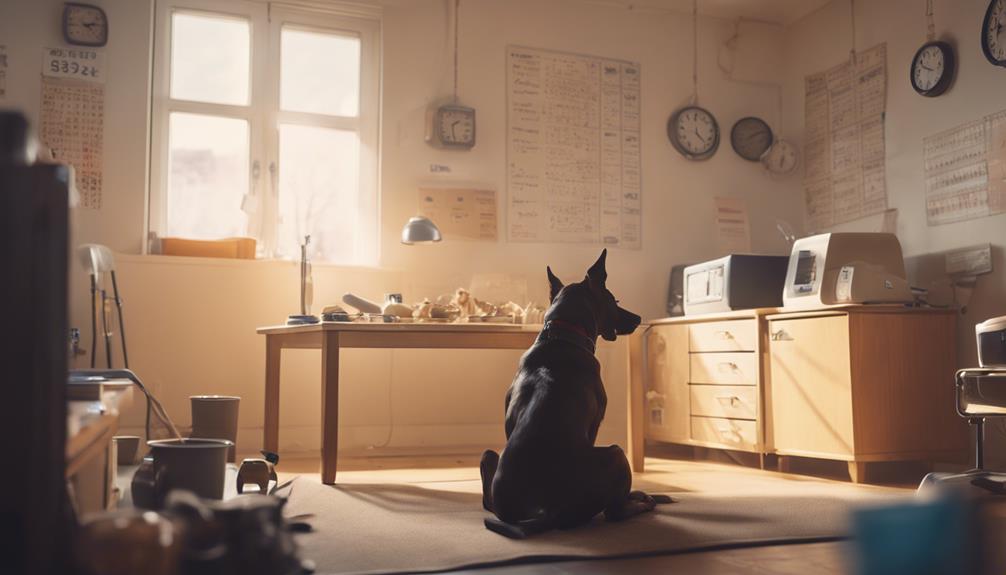
To housebreak your dog, establish a consistent routine for feeding, exercise, and potty breaks. This helps your dog learn when it's time to go. Supervise your dog at all times, especially in the early stages. This allows you to catch any signs of elimination and quickly take them to the designated potty area. A routine helps you schedule potty breaks, monitor elimination signs, and designate potty areas – all essential steps in housebreaking your dog.
Schedule Potty Breaks
Establish a routine to housebreak your dog successfully. Create a schedule for feeding, exercise, and potty breaks to help your dog learn when to go to the bathroom and when to hold it. Always take your dog to a designated potty area outside, and praise them when they go.
Follow these guidelines to schedule potty breaks:
- Take your puppy outside every hour, or as many hours as they are months old, to prevent accidents.
- Schedule naps or quiet time to prevent over-excitement, which can lead to accidents, and create opportunities for potty breaks.
- Adjust your dog's feeding schedule as they grow, feeding puppies more frequently than adult dogs, to prevent accidents.
Monitor Elimination Signs
Monitor Elimination Signs
To potty train your dog effectively, you need to recognize their elimination signs. These physical cues indicate when your dog needs to go outside. A dog that needs to go will typically sniff and circle before eliminating. If you see these behaviors, quickly take your dog to the designated potty area.
Praise and reward your dog when they go potty outside. This reinforces good behavior. Don't scold or punish accidents. Instead, calmly take your dog outside to try again. Consistency is crucial in potty training. By observing your dog's habits, you'll become more attuned to their needs, and they'll learn to associate going outside with going potty.
Different dogs have different habits, so be patient and adjust your approach as needed. By paying attention to elimination signs, you'll reduce accidents and speed up the housebreaking process. Remember, every dog is unique, and it may take time for them to learn. Stay calm, and with consistent practice, your dog will learn to go potty outside.
- Advertisement -
Designate Potty Areas
Designate a specific area outside, such as a grassy patch or puppy pad, where you want your dog to do their business. This creates a routine and helps your dog learn where to go.
Use a consistent command, such as "go potty," when taking your dog to the designated area. This associates the area with the action. You can also use a potty bell to help your dog communicate their needs. Praise and reward your dog when they use the area correctly.
Establish a routine by taking your dog to the designated area:
- Immediately after meals
- After naps
- After playtime
Clean up accidents with an enzymatic cleaner to remove remaining scents that might attract your dog to the same spot again. Be patient and consistent, as it may take time for your dog to adjust to the new routine.
Using Commands and Signals Effectively
Teaching your dog to recognize and respond to commands and signals is crucial for successful housebreaking. Consistency is key when associating specific commands and signals with going outside to eliminate.
Use a distinct sound, like a jingle bell, to signal to your dog that it's time to go outside. Use it every time you take your dog out to create a strong association. Teach your dog to ring the bell or respond to a specific command, such as "go potty," to indicate they need to eliminate.
When your dog signals they need to go outside, immediately take them to the designated potty area. To keep your dog focused, avoid distractions and keep training sessions short and consistent.
Using commands and signals effectively establishes a clear line of communication with your dog, making housebreaking more manageable. Consistency and patience are essential when teaching your dog new habits. With time and practice, your dog will learn to respond to commands and signals, leading to successful housebreaking.
Designating a Potty Spot and Watching
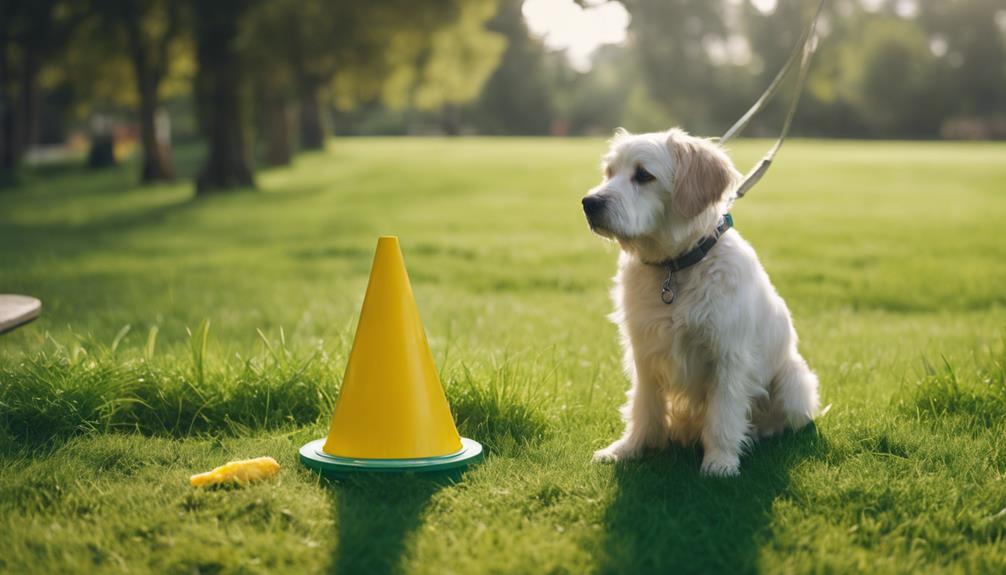
Designate a specific potty spot outside, away from distractions, where your dog can learn to associate eliminating with that area. Take your dog to this spot after meals, naps, and playtime, when they're likely to need to go.
To make housebreaking efficient, consistency is crucial. Follow these guidelines:
Choose a specific spot, like a corner of the yard or a particular tree, and stick to it.
Take your dog to the potty spot at the same time every day, such as first thing in the morning and after dinner.
Praise and reward your dog with treats and affection when they use the potty spot correctly.
Watch your dog's body language and behavior closely. If they sniff or circle, it's likely they need to go. Quickly take them to the designated potty spot to avoid accidents. By designating a specific potty spot and watching your dog's cues, you can help them learn to eliminate outside and reduce accidents in the house.
Positive Reinforcement and Crate Training
Housebreaking requires patience and persistence. Stay committed to your training routine, even when faced with setbacks. Positive reinforcement is crucial, as it teaches your dog to associate good behavior with rewards. When your dog eliminates outside or in the designated potty spot, praise them and offer treats or affection. This reinforces desired behavior.
Crate training is a valuable tool in housebreaking. Dogs instinctively avoid soiling their sleeping quarters, so confining them to a crate when unsupervised helps with potty training. Gradually increase crate time as your dog grows. Remember, puppies have small bladders and can't hold their urine for long. Take them outside frequently, especially after meals and playtime.
Establish a routine for potty times, such as immediately after meals or naps. Consistency is key, so try to take your dog outside at the same times each day. Combining positive reinforcement with crate training sets you up for successful puppy training. Stay calm, patient, and persistent, and you'll achieve a well-trained, well-behaved dog.
Frequently Asked Questions
How to Potty Train a Very Stubborn Dog?
To potty train a stubborn dog, establish a consistent potty schedule and stick to it. Consistency helps your dog learn when it's time to go. Select a training method that fits your dog's breed and age. Be patient and understanding, as accidents will occur. Every dog is different, and what works for one may not work for another.
Remember, establishing a routine is key. Take your dog outside to the same spot at the same time each day (e.g., after meals, naps, and playtime). Use positive reinforcement like treats and praise when your dog goes potty in the right spot. If your dog has an accident, don't scold or punish. Instead, clean up the mess and try to prevent it from happening again in the future.
Keep an eye on your dog's body language and behavior. If you see your dog sniffing or circling, quickly take them to the designated potty area. If you're away from home, use puppy pads or a litter box as a backup. Be prepared for setbacks, and don't get discouraged. With time, patience, and consistency, your stubborn dog will learn to go potty outside where they belong.
How to Get a Stubborn Dog to Stop Peeing in the House?
Dealing with a dog that pees in the house can be frustrating. To solve this problem, consider using potty pads as a convenient and sanitary solution. Watch your dog closely to prevent accidents and establish clear indoor boundaries. Urine marking can be caused by anxiety or dominance, so maintain a consistent elimination schedule.
Crate training can also help by giving your dog a designated area for peeing. This can reduce the likelihood of accidents in the house. To stop your dog from peeing in the house, you need to address the root causes and implement these strategies.
What to Do if Your Dog Will Not Potty Train?
If your dog is resisting potty training, don't give up. Identify the root cause of the issue to adjust your approach. Common reasons for potty training failures include inadequate training, medical issues, or inconsistent schedules.
Once you understand the cause, adjust your strategy. Establish a consistent routine, taking your dog outside frequently, especially after meals and playtime. Reward successful potty breaks with treats and praise.
Be patient, as potty training can take time. If you're still struggling, consider consulting a veterinarian or dog trainer for personalized guidance. With persistence and the right approach, you can overcome potty training obstacles and achieve success.
Why Am I Having Such a Hard Time Potty Training My Dog?
Potty training your dog is proving difficult, and several factors might be responsible.
First, consider your dog's age and developmental stage. Puppies under 16 weeks may not have sufficient bladder control, making accidents inevitable.
Breed-specific traits, such as high energy levels, can also hinder potty training. Some breeds require more exercise and stimulation than others, which can lead to accidents if not addressed.
Inconsistent schedules and lack of exercise can confuse your dog, leading to potty training setbacks. Establish a routine and ensure your dog gets enough physical activity to help them learn.
Lastly, your patience level plays a significant role in potty training. Losing your temper or punishing your dog for accidents can create anxiety, making the process even more challenging.
In summary
You're close to achieving a mess-free home with your stubborn dog. To get there, stick to your plan and remember that setbacks are a normal part of the process. Don't get complacent, as consistency and persistence are key to successful housebreaking.
Maintain your routine and continue to reinforce good behavior. If accidents happen, don't get discouraged. Instead, use them as opportunities to adjust your strategy and move forward. Stay committed, and you'll eventually enjoy the benefits of having a well-trained and well-behaved dog.
- Advertisement -