

Housebreaking Dog Breeds: What to Know
- Advertisement -
When housebreaking your dog, it's essential to weigh your breed's unique traits and needs. Establish a routine that works for both you and your dog, using tools like crates, puppy pads, and a consistent schedule. Understanding breed-specific traits, such as intelligence level and energy level, helps determine the best potty training approach. Stay committed to your plan, avoiding scolding or punishing accidents, and instead, focus on reinforcing good behavior. By doing so, you'll set your dog up for success. With the right approach, consistency, and patience, you'll be well on your way to achieving successful potty training, and there's more to learn about tailoring a plan that works best for your furry friend.
Key Takeaways
- Consider breed-specific traits like intelligence level and energy level when creating a potty training plan to ensure the best approach.
- Crate training and potty pads can be effective tools, especially for small breeds, but require consistency and patience.
- A consistent schedule for potty breaks, feeding, and playtime helps dogs learn quickly and reduces the likelihood of accidents.
- Rewarding good behavior with praise and positive reinforcement encourages good habits, while scolding or punishing dogs for mistakes sets back progress.
- Understanding a dog's breed traits helps determine the best potty training approach, and staying committed to the plan minimizes accidents.
Establishing a Potty Training Timeline
Establishing a Potty Training Timeline
To successfully potty train your dog, create a schedule that works for both you and your pet. This routine will help you stay on track and ensure your dog learns to go potty outside.
Use dog crates and puppy pads to establish a schedule. Take your puppy outside to potty immediately after waking up. Keep the crate in or near the bedroom to hear their needs during the night or before your alarm sounds. After meals, take your puppy outside to potty 5-30 minutes later, as they typically need to poop during this time.
When outside, react immediately to your puppy's needs and praise and reward them for going potty outside. This positive reinforcement encourages good behavior and helps them learn faster. Stay consistent, patient, and positive, and you'll achieve successful potty training.
Remember to take your puppy outside to potty:
- Immediately after waking up
- 5-30 minutes after meals
- When you notice signs they need to go (e.g., sniffing, circling)
Breed-Specific Traits and Training
When training your dog, consider breed-specific traits that can affect housebreaking success. Intelligence level is key, as some breeds are more receptive to training than others. Adjust your training style and energy level to match your dog's individual needs.
Breed Intelligence Levels
Understanding breed intelligence levels is crucial for successful housebreaking. Some breeds are naturally more intelligent than others, making them easier to train and housebreak.
Highly intelligent breeds, such as Border Collies, German Shepherds, Australian Shepherds, and Standard Poodles, respond well to training techniques and positive reinforcement. They quickly learn new commands and potty training routines, making housebreaking easier.
Loyal breeds, like German Shepherds, Australian Shepherds, and Miniature Schnauzers, thrive on working with their human companions and are highly motivated to learn new skills, including housebreaking.
Small breed dogs, such as Maltese, Papillon, and Shih Tzu, are also highly intelligent and respond well to consistent training and positive reinforcement. This makes them well-suited for housebreaking.
Training Style Needs
When it comes to housebreaking, understanding your dog's breed-specific traits and training needs is crucial. Different breeds require different approaches.
Intelligent breeds like Border Collies and German Shepherds respond well to positive reinforcement and reward-based training. Friendly breeds such as Labradors and Papillons thrive on consistent routine and positive reinforcement, making house training easier. Loyal breeds like German Shepherds and Shih Tzus need strong bonds with their owners and clear communication to succeed in potty training.
Energetic breeds require regular exercise and mental stimulation to prevent distractions. Small breeds need patience, consistency, and gentle guidance due to their delicate nature and small bladders.
To tailor your approach to your dog's unique needs, consider the following strategies: crate training, frequent trips outside, and praise and attention for good behavior. This will help your puppy learn to hold their bladder and bowels.
Energy Level Impact
High-energy breeds can make potty training challenging if their exercise needs aren't met. It's crucial to understand the energy level of your chosen breed and its impact on potty training. Breeds like Australian Shepherds, Toy Fox Terriers, Standard Poodles, German Shepherds, and Border Collies require regular exercise and mental stimulation to prevent accidents.
Without sufficient physical and mental stimulation, these breeds can become restless, leading to destructive behavior and potty training setbacks. German Shepherds, for example, need regular exercise and mental stimulation to prevent boredom and accidents.
Providing your dog with the necessary exercise and stimulation helps them focus on the training process, reducing the likelihood of accidents and making potty training more manageable. By catering to your dog's energy level, you can set them up for success in potty training.
Successful Potty Training Methods
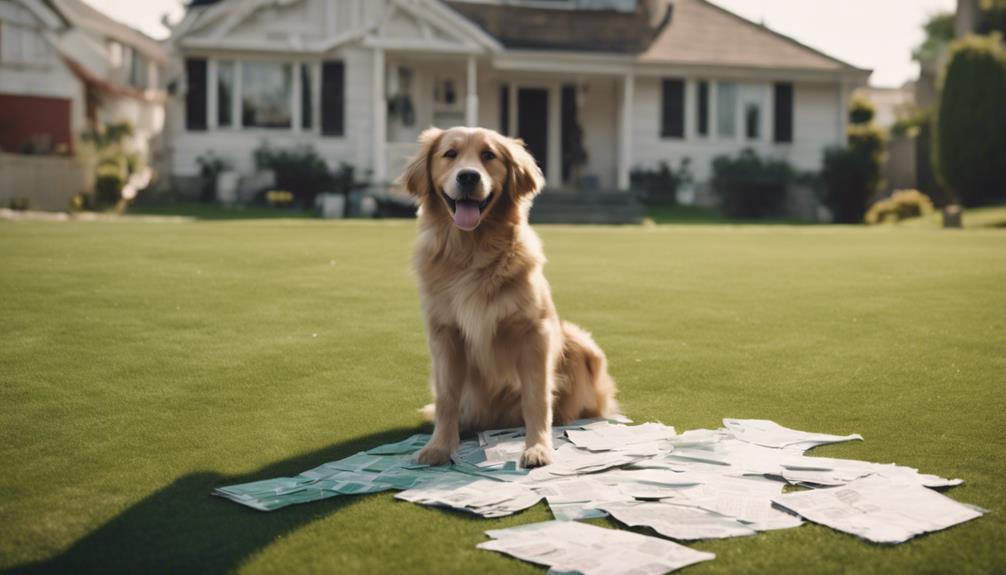
Establish a routine to ensure successful potty training. A schedule for potty breaks, feeding, and playtime helps your puppy learn good behavior. A crate is a useful tool, allowing your puppy to hold their bladder and bowels until you take them to the designated potty spot.
Determine how often to take your puppy outside based on their age and breed. A general rule is to take them out every hour, or immediately after meals and playtime. Puppies can hold their bladder for one hour for every month of age, plus one. For example, a three-month-old puppy can hold their bladder for four hours. However, this may vary depending on the breed and individual puppy.
Monitor your puppy's food intake to prevent overfeeding, which can lead to accidents in the house. Measure their food carefully, and avoid giving them treats or table scraps that can disrupt their digestive system. Stick to a consistent routine and reward good behavior to achieve successful potty training. Be patient and calm, as your puppy will respond to your energy. With time and effort, your puppy will learn to go potty in the right spot.
Overcoming Potty Training Challenges
When potty training your dog, accidents will happen. It's crucial to remain calm and patient, as consistency is key to successful training. Even with the best methods, accidents can still occur. How you respond to these accidents determines the outcome.
Stick to your training plan, and you'll be better equipped to overcome potty training challenges. This approach helps your dog learn successfully.
Accidents Happen Anyway
- Advertisement -
Housebreaking dog breeds requires patience and persistence. Accidents will happen, so it's essential to focus on reinforcing good behavior rather than getting discouraged. To minimize accidents, take your dog out frequently, especially after meals and naps, to give them opportunities to go outside when needed. Praise and reward your dog when they exhibit good potty training behavior.
Remember that dogs have limited bladder and bowel control, so be patient and consistent in your potty training routine. Progress may take time, but with persistence and positive reinforcement, your dog will eventually learn to go outside where they belong.
Staying committed to your potty training plan is key to minimizing accidents. It's crucial to understand that accidents are a normal part of the housebreaking process and should not be a cause for frustration. Instead, focus on reinforcing good behavior and making adjustments to your routine as needed.
Stay Calm and Patient
Housebreaking can be frustrating, but staying calm and patient is crucial for overcoming potty training challenges. Dogs learn at different rates, and what works for one may not work for another. Positive reinforcement and encouragement are essential for good behavior.
When taking your puppy to the designated potty area, praise them immediately after they eliminate correctly. This reinforces good behavior and builds confidence. If your dog struggles with holding their bladder or bowels, avoid scolding or punishing them. Instead, calmly take them to the crate and outside again, reinforcing good habits.
Consistency Is Key
Consistency is crucial for successful housebreaking. When training a puppy or adult dog, establish a routine and stick to it. Take your dog outside for potty breaks several times a day, such as after meals, naps, and playtime. Crate training can help by giving your dog a designated area to hold their bladder and bowels until you can take them outside.
Reward good behavior with praise and positive reinforcement. Consistency helps your dog understand what's expected of them, reducing the likelihood of accidents. A consistent routine helps your dog learn quickly and efficiently. Without it, housebreaking can be frustrating and time-consuming.
Essential Tools and Resources

When it comes to housebreaking your dog, having the right tools and resources can make a significant difference. As a new pet owner, you'll need to gather essential tools and resources to facilitate successful potty training.
Potty pads, for instance, can be a useful tool, especially for small breeds. Products like Porch Potty provide a convenient and easy-to-use potty training solution. Crate training is another effective method, but it's crucial to use the right size crate to prevent puppies from using a small portion as a bed and the remainder as a relief station.
In addition to these tools, downloadable guides like The Essential Guide to Potty Training Right the First Time can provide expert potty training advice, helping you achieve fewer accidents and faster results. Online courses like Housebreaking 101 can help you develop a detailed plan for housetraining dogs and provide related products like Basic Dog Obedience DVD and Housebreaking 101 with Mark Keating.
Understanding your dog's breed traits, such as intelligence, energy levels, and loyalty, can also help determine the best potty training approach. By researching these traits, you can ensure consistency and patience, which are vital for successful potty training. With the right tools and resources, you can encourage good behavior and make housebreaking easier.
Consistency and Patience Are Key
Consistency and patience are crucial for successful housebreaking. These two factors will determine the outcome of your potty training process, regardless of your dog's breed or age.
Establish a routine and stick to it. Take your dog outside to the same spot every hour, or use crate training to limit accidents. If you have a busy schedule, consider hiring a dog walker, but make sure they follow your routine. Consistency helps your dog understand what's expected of them and builds confidence.
Accidents will happen, so patience is essential. Avoid scolding or punishing your dog for mistakes, as this creates negative associations and sets back progress. Instead, calmly clean up the mess and try to prevent it from happening again. Remember, housebreaking is a process that takes time and effort.
Frequently Asked Questions
What Dog Breed Is Hardest to Potty Train?
Potty training can be challenging with certain dog breeds. Small breeds like Chihuahuas and Yorkshire Terriers have tiny bladders and high energy levels, making them prone to accidents. Bulldogs can also be stubborn, requiring a firm approach to training.
Independent breeds like Afghan Hounds and energetic breeds like boxers need consistent training to learn good habits. Sensitive breeds like poodles and clingy breeds like spaniels require patience and a routine.
Distractible breeds like beagles need focused training and positive reinforcement to stay on track. Regardless of breed, establishing a routine, using positive reinforcement, and being patient are key to successful potty training.
What Is the Easiest Dog Breed to Housebreak?
The easiest dog breeds to housebreak often share certain characteristics. Border Collies, like Emma, are a great example. Their high intelligence and strong work ethic make them quick learners. With consistent training, they can master housebreaking rapidly.
Intelligent breeds tend to respond well to simple commands, making the housebreaking process smoother. Consistency is key, as it helps the dog understand what is expected of them. Breeds like Border Collies thrive on structure and routine, which makes them more likely to learn quickly.
Some other breeds that are known for being easy to housebreak include Poodles, German Shepherds, and Golden Retrievers. These breeds share similar characteristics, such as high intelligence and a strong desire to please their owners. With patience, consistency, and positive reinforcement, housebreaking can be a relatively quick and painless process.
What Is the 10 Minute Rule for Potty Training?
The 10-minute rule for potty training suggests that puppies can hold their bladder for 10 minutes per month of age, plus one. For example, a 3-month-old puppy can hold it for 30 minutes. This guideline helps you create a schedule for quick outdoor trips, ensuring consistent timing and accurate supervision.
To implement this rule, establish a puppy schedule with frequent reminders, scheduled intervals, and timed releases. This will lead to successful potty training and immediate rewards.
How Long Does It Take to Fully Housebreak a Dog?
The time it takes to fully housebreak a dog varies depending on several factors, including the puppy's age, breed size, and consistency of the potty schedule. On average, you can expect the process to take anywhere from a few weeks to several months. Consistency is crucial, and patience is essential. Crate training can be helpful, especially at night, but accidents will still occur. Establish a routine and stick to it, and your dog will eventually learn.
In summary
Successful potty training depends on understanding your dog's breed-specific traits and adjusting your approach accordingly. For example, Bulldogs like Bella can be stubborn, but with the right strategy, they can learn. Sarah, Bella's owner, used positive reinforcement and consistent scheduling to cater to Bella's independent nature. With patience and persistence, Bella finally mastered potty training, demonstrating that even challenging breeds can learn with the right approach.
- Advertisement -