

Effective Ectropion in Dogs Diagnosis Methods
- Advertisement -
When it comes to diagnosing ectropion in dogs, recognizing the symptoms is vital. You'll likely notice a sagging lower eyelid, redness, and excessive tearing or discharge. To confirm the diagnosis, your veterinarian will conduct a physical examination, blood tests, and imaging studies to rule out underlying conditions. A Schirmer tear test and corneal staining may also be performed to evaluate tear production and corneal health. By understanding the signs and diagnostic methods, you can help your dog receive timely and effective treatment. Now that you've taken the first step in understanding ectropion, you're one step closer to helping your dog regain comfort and vision.
Key Takeaways
- A thorough veterinary examination is essential to identify signs of ectropion, such as a sagging lower eyelid, redness, and excessive tearing or discharge.
- Blood chemistry analysis, complete blood count, and urinalysis may be conducted to rule out underlying conditions contributing to ectropion.
- Imaging studies like X-rays or CT scans may be ordered to identify underlying conditions, such as facial paralysis or injury to the eyelid.
- A Schirmer tear test measures tear production, and corneal staining with a fluorescein stain evaluates corneal health and confirms corneal ulceration.
- A nerve biopsy may be ordered if neuromuscular disease is suspected as an underlying cause of ectropion in dogs.
Understanding Ectropion in Dogs
Ectropion in dogs is a common eyelid disorder that affects one in every 50 dogs, regardless of age or breed. It's characterized by the lower eyelid rolling outward, exposing the conjunctiva and leaving the cornea vulnerable to dryness, irritation, and inflammation.
The lower eyelid becomes loose and relaxed, causing it to sag outward due to factors like genetics, facial structure, or muscle weakness. This leads to inadequate eye protection, making the eye susceptible to foreign particles and debris. Dogs with ectropion typically have red, inflamed eyes that produce excessive tears or discharge.
Ectropion can affect any dog, regardless of breed or age. While some breeds may be more prone to this condition, it's essential to recognize the signs and understand the causes to provide necessary care and attention. By doing so, you can improve the quality of life and comfort of affected dogs.
Recognizing ectropion is crucial for timely intervention. Look for signs like a sagging lower eyelid, redness, inflammation, and excessive tearing or discharge. If you suspect ectropion, consult a veterinarian for proper diagnosis and treatment. Early intervention can significantly improve the dog's comfort and quality of life.
Recognizing Symptoms and Signs
Recognizing Symptoms and Signs
To ensure your dog receives prompt veterinary attention, it's crucial to recognize the signs of ectropion. The clinical signs can vary in severity, but early identification is key to preventing complications.
One primary indicator is the rolling outward of the lower eyelid, which exposes the conjunctiva. This can cause discomfort, redness, and swelling in the affected eye. You may also notice a mucoid discharge or excessive tearing, which is often a response to the irritation.
In severe cases, corneal ulcers can develop, leading to further complications and even vision loss. Monitor your dog's behavior, as they may exhibit squinting, pawing, or rubbing the affected eye due to discomfort.
Ectropion can affect one or both eyes, and symptoms can range from mild to severe. If you suspect your dog is showing signs of ectropion, consult with a veterinarian immediately. Early diagnosis and treatment can significantly improve your dog's quality of life and prevent further complications.
Causes and Risk Factors Explained
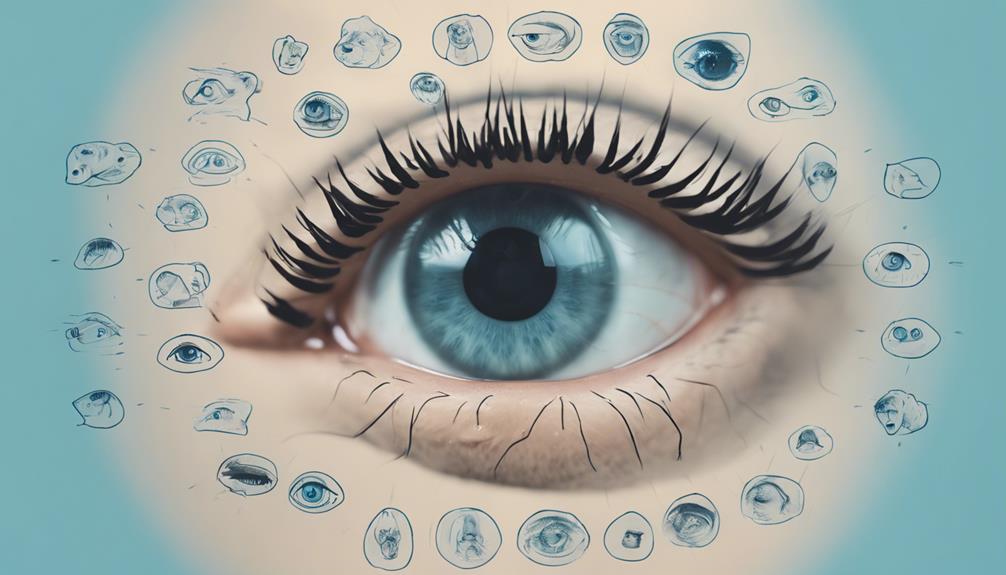
Ectropion in dogs is often caused by genetic factors, particularly breed-specific traits. Additionally, facial paralysis, injury, and scarring can also contribute to the condition. Understanding these risk factors is crucial for identifying and managing ectropion in your dog.
Genetic Factors
Genetic factors play a significant role in ectropion, a breed-related condition. Certain breeds, such as Cocker Spaniels, Clumber Spaniels, and Saint Bernards, are more prone to developing ectropion due to their genetic makeup. Selective breeding for specific physical characteristics has led to an increased incidence of the condition in these breeds.
Congenital ectropion is inherited due to genetic mutations that affect eyelid development, resulting in an outward rolling of the eyelid and exposure of the conjunctiva. As dogs age and their eyelids lose muscle tone, these genetic mutations increase the risk of ectropion.
Breeds with short noses and skin folds on their face, such as Pugs and Bulldogs, are also more likely to develop ectropion. Their facial anatomy increases their risk of facial trauma, which can lead to secondary ectropion.
Understanding the genetic factors that contribute to ectropion allows you to identify at-risk breeds and take steps to prevent or manage the condition. This knowledge is crucial for breeders, owners, and veterinarians working to reduce the incidence of ectropion in dogs.
Facial Paralysis Role
Facial paralysis is a significant contributor to ectropion in dogs. It occurs when the nerves controlling the facial muscles are damaged, leading to a drooping or weakened eyelid, particularly the lower eyelid. As a result, the eyelid rolls outward, causing ectropion.
The causes of facial paralysis include neuromuscular disease, which disrupts the connection between nerves and muscles. This disruption leads to weak muscles, facial paralysis, and eventually, ectropion.
Identifying the underlying cause of facial paralysis is crucial for developing an effective treatment plan for ectropion. Look for signs and symptoms like a drooping face, difficulty blinking, or a sagging eyelid. Early detection and intervention can prevent or manage ectropion in dogs.
Keep in mind that facial paralysis can be caused by various factors, and understanding these causes is key to addressing ectropion. By recognizing the signs and taking prompt action, you can help your dog receive the necessary treatment and care.
Injury and Scarring
Injury to the eyelid or surrounding tissues can cause ectropion in dogs. After an injury, you may notice your dog's eyelid drooping or rolling outward. This exposes the cornea, leading to severe ectropion. If left untreated, the injury can progress to corneal ulceration, which is very painful for dogs. To diagnose ulceration, your veterinarian may perform a corneal staining test to assess the damage. If corneal scarring occurs, it can lead to chronic ectropion.
It's essential to seek veterinary care promptly after an injury to prevent long-term complications. Monitor your dog for signs of discomfort, such as squinting, redness, or discharge. If you notice any of these symptoms, seek immediate attention. Early treatment can improve your dog's quality of life and prevent further complications.
Diagnostic Methods and Tests
During a veterinary examination, your dog's physical appearance is evaluated to identify signs of ectropion, such as lower eyelid droop. The vet looks for obvious signs of the condition, and further testing may be necessary depending on your dog's age and symptoms.
Blood chemistry analysis, complete blood count, and urinalysis may be conducted to rule out underlying conditions contributing to ectropion. Blood samples are taken to check for abnormalities. Imaging studies like X-rays or CT scans may be ordered to identify underlying conditions.
A Schirmer tear test measures tear production, and corneal staining with a fluorescein stain evaluates corneal health and confirms corneal ulceration. If neuromuscular disease is suspected, a nerve biopsy may be ordered.
These diagnostic tests help determine the underlying cause of ectropion and develop an effective treatment plan. By identifying underlying conditions and evaluating overall health, the vet can provide the best possible care for your dog.
Developing an Effective Treatment Plan
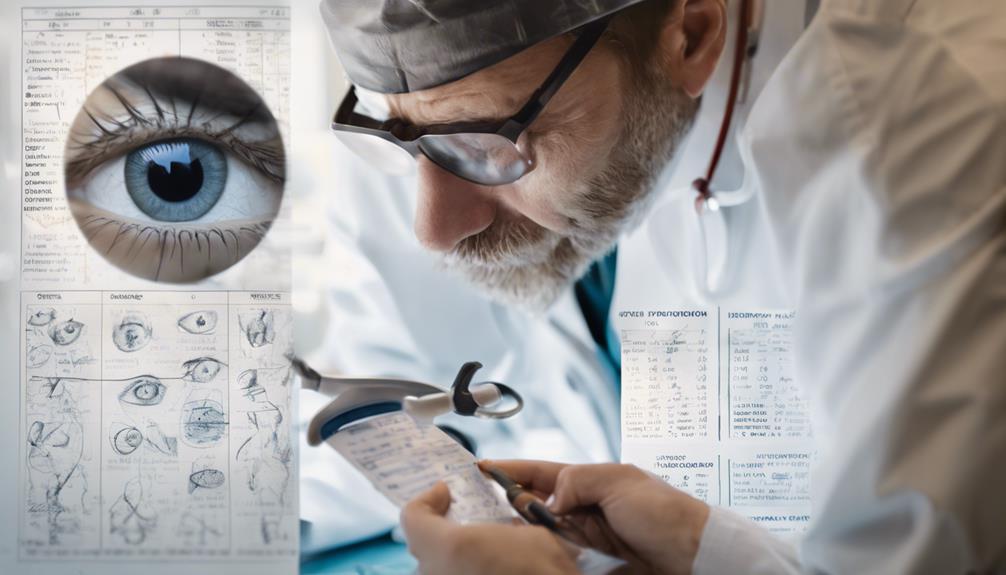
Developing a personalized treatment plan is crucial for addressing ectropion in dogs. This plan combines medical and surgical therapies to restore normal eyelid and conjunctiva function.
For mild cases, lubricating eye drops and ointments can manage symptoms. However, severe cases require surgical correction to shorten and tighten the lower eyelid. The surgical procedure involves shortening the lower eyelid to fit properly against the eyeball, ensuring a normal length and position in relation to the cornea.
The underlying cause of ectropion must also be addressed. Your veterinarian will identify and manage any contributing conditions, which may involve administering topical eye medications to alleviate symptoms and prevent complications.
Collaborate with your veterinarian to develop a treatment plan tailored to your dog's specific needs. By combining medical and surgical therapies, you can restore your dog's eye health and alleviate ectropion symptoms.
Post-Diagnosis Care and Management
- Advertisement -
After surgery, your dog needs proper care to recover comfortably and safely. This post-operative care is crucial in ensuring your dog heals correctly and reduces the risk of complications. Your veterinarian will likely prescribe medication, including pain relievers, antibiotics, and lubricating eye drops.
To ensure a smooth recovery, follow these essential steps:
Administer medication as directed to manage pain and prevent infection.
Apply lubricating eye drops to keep the eyes moist and comfortable.
Restrict your dog's activity level for several weeks to prevent excessive eye movement, which can disrupt the healing process.
Attend follow-up appointments with your veterinarian to monitor the dog's recovery, remove sutures, and assess the effectiveness of the surgical correction.
Be prepared for additional follow-up examinations, such as one 6-8 weeks after surgery, to assess the final outcome of the procedure and make any necessary adjustments.
Preventing Future Complications
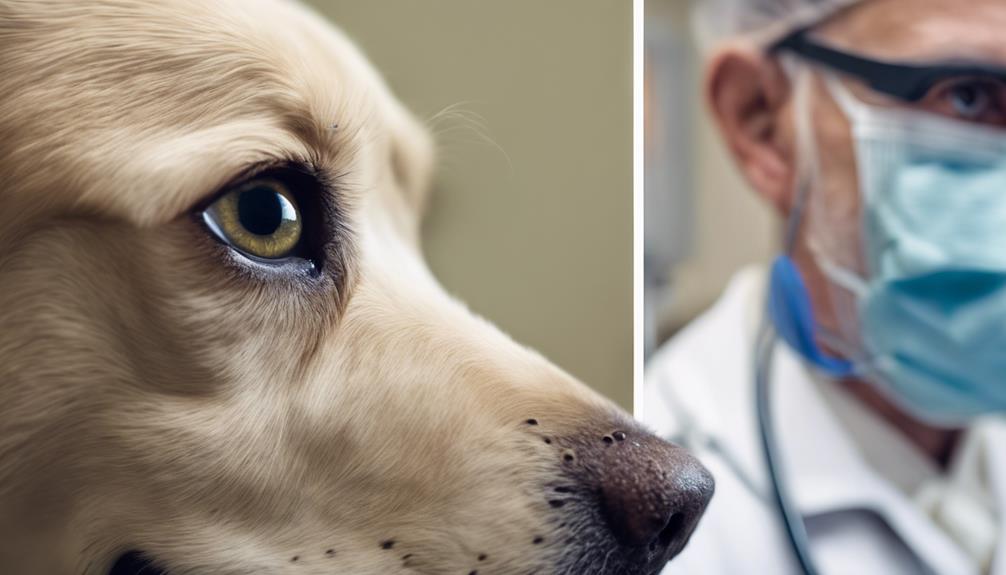
To prevent future complications of ectropion in your dog, regular eye exams with your veterinarian are crucial. These exams help identify any signs of ectropion recurrence or other eye problems early on.
Incorporating simple care essentials into your dog's routine can also reduce the risk of future complications. This includes regular cleaning and protective measures.
Early Detection Matters
Early detection of ectropion in dogs is crucial. Regular veterinary check-ups can identify the condition before it leads to chronic conjunctivitis, corneal ulcers, and vision loss.
To detect ectropion early, follow these guidelines:
Regular veterinary check-ups are essential, especially for breeds prone to ectropion, such as Cocker Spaniels, Bloodhounds, and Saint Bernards.
A thorough ophthalmic examination, including a Schirmer tear test and fluorescein staining, can help diagnose ectropion and identify underlying conditions.
Breeders and owners of dogs with a family history of ectropion should monitor their dogs closely for signs of the condition, such as droopy eyes, redness, and discharge.
Prompt diagnosis and surgical correction of ectropion can significantly improve treatment outcomes and reduce the risk of long-term complications, such as corneal scarring and chronic eye pain.
If you suspect your dog has ectropion, don't delay – schedule a vet visit to prevent future complications.
Regular Eye Exams
Regular eye exams are crucial for detecting ectropion in dogs, especially in breeds prone to this condition. By monitoring your dog's eye health, you can identify any signs of ectropion early on and prevent future complications.
During a regular eye exam, your veterinarian will inspect your dog's lower eyelid for signs of ectropion, such as redness, swelling, or discharge. If your dog is affected, your veterinarian will recommend the best course of treatment.
Regular eye exams are essential for breeds prone to ectropion, as they can help prevent chronic eye infections, vision loss, and other complications. By staying on top of your dog's eye health, you can ensure they lead a happy and healthy life.
Schedule regular eye exams with your veterinarian to detect ectropion early and prevent complications. This simple step can make a significant difference in your dog's quality of life.
Proper Care Essentials
Proper care and attention can significantly reduce the risk of complications arising from ectropion in dogs. Regular check-ups with a veterinary ophthalmologist are crucial for early detection and correction of the condition.
To prevent complications, follow these essential care tips:
- Maintain a clean and dust-free environment to reduce eye irritation and infection risks.
- Apply prescribed lubricating eye drops or ointments to manage dry eye and prevent corneal ulcers.
- Avoid trauma or injury to the eye area to prevent secondary ectropion and reduce complication risks.
- Refrain from breeding dogs with a family history of ectropion to prevent passing the condition to offspring.
- Keep your dog's lower eyelid clean and free of discharge to prevent infection and promote healing.
Frequently Asked Questions
How Is Ectropion Diagnosed?
To diagnose ectropion, a veterinarian will perform a physical examination of your dog's eyes and eyelids. They will visually inspect the shape of the eyelid and assess clinical signs of ectropion. A Schirmer tear test may be conducted to evaluate tear production. In some cases, X-rays or CT scans may be ordered to rule out underlying conditions that could be contributing to the ectropion. The veterinarian will use these diagnostic criteria to determine the cause and severity of the ectropion.
How Is Entropion Diagnosed in Dogs?
Diagnosing entropion in dogs typically begins with a thorough eye examination. This includes a visual inspection to identify signs such as chronic squinting. Certain breeds, like Shar-Peis and Chow Chows, are more prone to entropion and may require closer monitoring. The veterinarian will also check for corneal ulcers, a common complication of entropion. A thorough diagnosis is essential to determine the best course of treatment, alleviate discomfort, and prevent further complications.
What Is a Differential Diagnosis of Ectropion?
When evaluating a dog for ectropion, it's essential to consider other conditions that cause similar symptoms. Certain breeds, such as Cocker Spaniels and Bloodhounds, are more prone to ectropion. Age is also a factor, as older dogs are more likely to develop the condition.
Symptoms can vary from mild to severe, and treatment options range from surgery to medication. To determine a differential diagnosis, examine the clinical signs, including redness, discharge, and squinting. By doing so, you can rule out other possible causes and develop an effective treatment plan.
What Is Evidence of Ectropion?
When evaluating a dog for ectropion, look for the following signs:
- Abnormal eyelid function, particularly in the lower lid
- Breed predispositions, such as in Bulldogs or Pugs
- Age factors, as older dogs are more likely to develop ectropion
- Visual impairments, including:
- Redness
- Discharge
- Squinting
Recognizing these signs allows for timely intervention and care for the dog.
In summary
Now that you've learned about ectropion in dogs, you can identify symptoms, understand causes, and develop a treatment plan. Early diagnosis is crucial to prevent complications and ensure your dog's health. This guide has equipped you with the knowledge to effectively manage ectropion and provide your dog with the best possible care.
- Advertisement -