

Canine Cataracts Surgery: What to Expect
- Advertisement -
When your dog is diagnosed with cataracts, surgery is often the most effective way to restore their vision, offering a 90% success rate in regaining vision and maintaining normal intraocular pressure for at least a year. Before surgery, your vet will review your dog's medical history, conduct diagnostic tests, and evaluate their eyes for secondary issues. The surgical procedure involves removing the cloudy lens and implanting an artificial one, taking around 30-60 minutes per eye. Post-surgery, your dog will need careful attention, including wearing an Elizabethan collar, restricted activity, and medications to aid in the healing process. Next, learn about the risks, complications, and outcome expectations to guarantee a successful treatment.
Key Takeaways
- Before surgery, a thorough medical history review and diagnostic tests are conducted to identify potential risks or complications.
- The surgical procedure typically takes 30-60 minutes per eye, involving phacoemulsification and lens implantation under anesthesia.
- Post-surgery care requires an Elizabethan collar, restricted activity, and medication administration to ensure a successful recovery.
- Follow-up exams are necessary to monitor progress, remove sutures, and prevent potential complications, with a 90% success rate of regaining vision.
- The dog's recovery typically lasts around two weeks, with regular follow-up visits crucial for detecting potential complications and maintaining normal intraocular pressure.
Understanding Canine Cataracts
Cataracts in dogs are a clouding of the lens in the eye that impairs vision. This clouding can cause blurry vision, cloudy eyes, and sensitivity to light. In dogs, cataracts can be inherited or caused by injury, disease, or aging.
If left untreated, cataracts can lead to complications such as retinal detachment or glaucoma. A veterinary examination is necessary to diagnose cataracts and determine the best course of treatment. The veterinarian will perform a series of tests, including a visual exam, retinoscopy, and ultrasound, to confirm the diagnosis.
Surgery is often the most effective way to treat cataracts in dogs. The cloudy lens is removed, and an artificial lens is implanted to restore vision. While surgery carries risks, it can significantly improve your dog's quality of life. With proper care and attention, your dog can recover from surgery and enjoy a better life with improved vision.
It's essential to work closely with your veterinarian to ensure your dog receives the best possible care before, during, and after surgery. This includes following pre- and post-operative instructions and attending follow-up appointments. By doing so, you can help your dog recover quickly and safely from cataract surgery.
Pre-Surgery Preparation and Planning
Before your dog undergoes cataracts surgery, the surgical team will review their medical history and conduct diagnostic tests. This helps identify potential risks or complications. You'll learn about the surgical procedure, post-operative care, and necessary medications. This ensures your dog has a smooth recovery.
Medical History Review
Before undergoing canine cataracts surgery, a thorough medical history review is crucial. Provide your dog's complete medical history to the surgical team, including underlying medical conditions, medications, and supplements. This information helps identify potential risks and complications that could affect the surgical outcome or your dog's ability to recover from anesthesia.
If your dog has conditions like diabetes, kidney disease, or heart disease, be prepared to discuss their medical history in detail. For example, diabetic dogs must be well-regulated prior to surgery to minimize complications. The surgical team will review your dog's medical history to confirm proper management of their condition and identify potential anesthesia risks or allergies to certain medications.
Diagnostic Tests Conducted
Diagnostic tests are essential to confirm a cataract diagnosis and prepare your dog for surgery. These tests identify underlying conditions that may impact the surgical outcome.
The pre-operative examination includes screening bloodwork and urinalysis to assess your dog's overall health. Specialized ocular tests, such as ultrasound and electroretinogram, are also performed to check for retinal detachment or rupture, which can affect the surgery's success.
The veterinarian will evaluate your dog's eyes for secondary issues, like lens luxation, and prescribe necessary medications to prevent complications. The test results provide a detailed understanding of your dog's condition, allowing the surgical team to create a personalized plan for cataract surgery.
Owner Education Process
Before your dog undergoes cataract surgery, your veterinarian will walk you through the owner education process. This is crucial for pre-surgery preparation and planning.
You'll need to provide a list of your dog's medications and supplements. You'll also need to prepare a recovery zone at home to ensure a smooth postoperative care and minimize potential complications.
The veterinarian will examine your dog's eyes for any secondary issues and prescribe necessary medications to aid in recovery. If your dog has diabetes, regulating their blood sugar levels before surgery is vital to prevent complications.
The surgical team will review your dog's medical history, current health status, and your expectations to create a personalized plan for their care. You'll receive veterinary instructions on feeding and care, follow-up exams, and medications to ensure a successful treatment.
The Surgical Procedure Explained
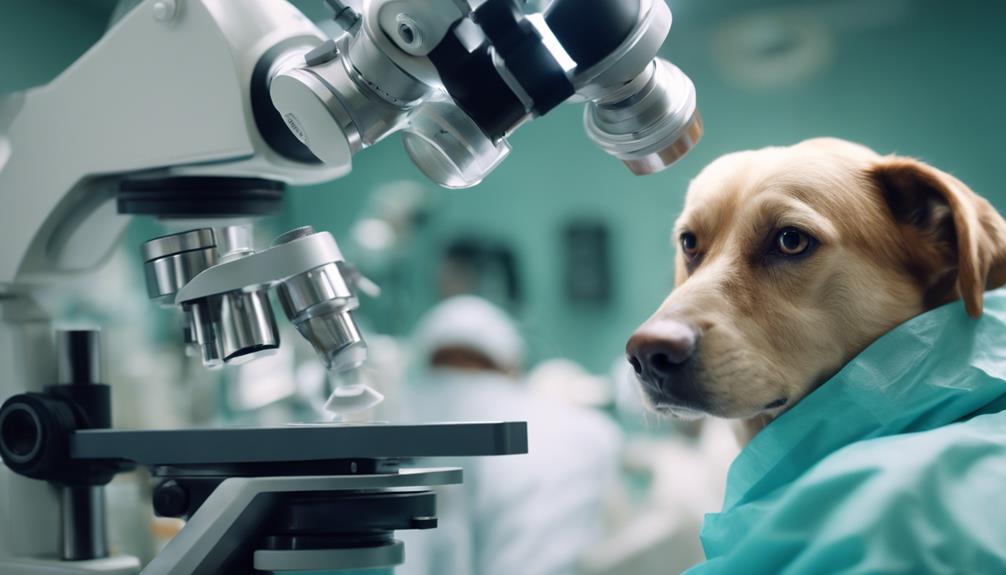
The surgical procedure for cataract removal in dogs typically takes 30-60 minutes per eye. The surgical team's primary focus is your dog's safety and comfort during the operation.
The phacoemulsification procedure involves breaking up the cataract with high-frequency sound waves, then removing the fragments from the eye. Anesthesia is used to ensure your dog remains still and pain-free during the surgery.
The surgical team plays a crucial role in the operation. They will carefully monitor your dog's vital signs, administer anesthesia, and assist the surgeon throughout the procedure.
Surgical Team Preparation
During canine cataracts surgery, the surgical team plays a critical role in ensuring a smooth and successful procedure. A veterinary ophthalmologist leads the team, bringing high-level training and experience in cataract surgery.
The team prepares the operating room, making sure all necessary equipment is sterile and ready. This includes the ultrasonic device used for phacoemulsification, which breaks up and removes the cloudy lens. An artificial lens implant is also prepared, if needed, to enhance your dog's vision.
A small incision is made in the cornea to access the cataract. The procedure is performed under general anesthesia to minimize discomfort. The veterinary surgeon works efficiently to complete the procedure, which typically takes 30-60 minutes per eye.
Anesthesia and Safety
General anesthesia is used in canine cataracts surgery to ensure your dog's comfort and safety. This type of anesthesia keeps your pet still and pain-free during the procedure. To help the eye sit in the correct position, a muscle relaxant is also administered.
The surgical team closely monitors your dog's vital signs and anesthesia levels throughout the procedure, making adjustments as needed. This ensures your dog remains safe and stable. After the surgery, your dog will be monitored for several hours to ensure a smooth recovery.
The surgical team's attention to detail and commitment to safety are crucial in preventing complications and achieving a successful outcome. By prioritizing your dog's safety and comfort, the team can perform the surgery with confidence, resulting in a successful outcome and a healthier pet.
Phacoemulsification Procedure
The phacoemulsification procedure is a surgical technique that uses ultrasonic energy to break down and remove the cloudy lens in your dog's eye. The procedure is typically performed under general anesthesia to ensure your dog's comfort and safety.
During surgery, your veterinarian makes a small incision in the cornea to access the cataract. The entire procedure usually takes 30-60 minutes per eye.
Phacoemulsification is a highly effective technique for cataract removal in dogs, with a success rate of about 90% in restoring vision. The goal is to restore vision, prevent complications like lens luxation, and improve your dog's quality of life.
After the procedure, your veterinarian will prescribe eye drops to aid in the healing process. With proper care, your dog can regain their vision and enjoy a better quality of life.
Post-Surgery Care and Recovery
After cataract surgery, your dog needs careful attention to ensure a successful recovery. During the initial two-week healing period, follow these essential steps:
Your dog will need to wear an Elizabethan collar to prevent eye rubbing, which can lead to complications. Restricted activity is also crucial to prevent injury or further complications.
- Advertisement -
You'll need to administer multiple eye drops and topical preparations as directed by your vet. The frequency of these medications will decrease over time. Additionally, your vet may prescribe oral medications to support the healing process.
Four key aspects of post-surgery care are:
Follow-up visits with your vet are critical to monitor progress, remove sutures, and ensure proper healing.
Administer medications as instructed by your vet to promote healing and prevent infection.
The Elizabethan collar is essential in protecting your dog's vision by preventing eye rubbing.
Restricted activity will prevent injury or complications, allowing your dog to fully recover.
Risks and Complications Associated
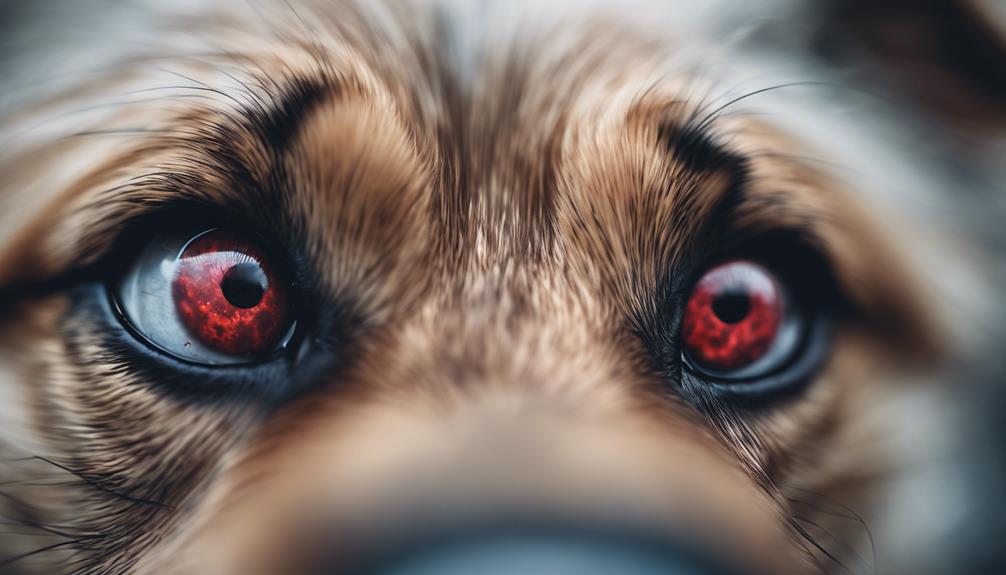
Cataract surgery can significantly improve your dog's vision, but it's crucial to be aware of the potential risks and complications. As with any surgical procedure, infection, inflammation, and vision loss are possible risks. Your dog's surgical team takes precautions to minimize these risks, but it's essential to recognize signs of complications to ensure early detection and treatment.
Infection, inflammation, and vision loss can occur, and regular follow-up appointments are vital to address any issues. Complications can increase over time, making regular examinations necessary. The most common complications are inflammation and lens fiber regrowth, while the most serious are glaucoma and retinal detachment, which can significantly impact your dog's vision and quality of life.
Work closely with your dog's surgical team to monitor their progress and address any concerns. Be aware of potential risks and complications to minimize their occurrence and ensure the best possible outcome for your dog's eye health. Regular examinations and follow-up appointments will help identify issues early, allowing for prompt treatment and minimizing the risk of long-term complications.
Success Rate and Outcome Expectations
Understanding the success rate and outcome expectations of cataract surgery in dogs is crucial for pet owners. The surgery has a high success rate of around 90%, with most dogs regaining vision after the procedure. In fact, 95% of dogs regain their vision after surgery.
The success rate is higher when the cataract is treated promptly. After surgery, 90% of dogs maintain their vision for at least a year, and 80% for two years. The goal of cataract surgery is to restore clear vision and maintain normal intraocular pressure for at least a year.
Concurrent ocular issues can decrease the success rate, so it's essential to address any underlying conditions before surgery. By understanding these expectations, you can better prepare for your dog's post-surgery care and recovery. This knowledge will help you ensure a good outcome for your dog.
Life After Cataract Surgery
Recovery from cataract surgery in dogs typically lasts around two weeks. During this time, your dog will need to wear an Elizabethan collar to prevent eye injuries. You'll also need to restrict their activity level to minimize the risk of complications.
Your dog will require medications, including eye drops and oral medication, which you'll need to administer according to the veterinarian's instructions. Regular follow-up visits with the veterinarian are crucial for monitoring your dog's progress and detecting any potential complications.
The success rate of cataract surgery in dogs is high, with around 95% regaining their vision. Your dog's vision will settle over the next few weeks, with most dogs maintaining their vision at one year (90%) and two years (80%) post-operatively.
As a dog owner, your role is critical during the recovery period. You'll need to provide a safe and comfortable environment, learn how to administer medication, and understand post-operative care. By following the veterinarian's guidance, you can help ensure a smooth and successful recovery for your dog.
Remember to keep your dog's activity level low and monitor their behavior for signs of complications, such as redness, discharge, or swelling. With proper care and attention, your dog can enjoy improved vision and a better quality of life after cataract surgery.
Frequently Asked Questions
What Is the Recovery Time for a Dog After Cataract Surgery?
Your dog will need a two-week recovery period after cataract surgery. During this time, you'll need to provide post-operative care, manage medication, and attend follow-up appointments to ensure their vision is restored.
You'll need to administer eye drops as prescribed by the veterinarian, restrict your dog's activity to prevent complications, and monitor for signs of infection, such as redness, swelling, or discharge.
Following the discharge instructions carefully is crucial for your dog's wound healing and successful recovery.
Is Cataract Surgery Painful for Dogs?
Cataract surgery is relatively pain-free for dogs. Only 5% of dogs experience significant pain after the procedure.
During surgery, anesthesia and muscle relaxants ensure your dog feels no pain or anxiety. After the operation, most dogs experience mild discomfort, which can be managed with medication. Your veterinarian will monitor your dog for signs of pain and adjust the treatment plan as needed.
With proper care, the risks of anesthesia and surgical complications are minimized. This makes cataract surgery a relatively pain-free experience for dogs.
Is My Dog a Good Candidate for Cataract Surgery?
To determine if your dog is a good candidate for cataract surgery, your vet will consider several key factors.
First, they'll assess your dog's age, breed, and overall health through evaluations and examinations. This helps identify potential risk factors.
Next, they'll evaluate your pet's surgical readiness, your concerns, and your financial preparedness.
Additionally, they'll consider your lifestyle and ensure your dog receives necessary medical clearance.
Can a Dog See Right After Cataract Surgery?
Immediately after cataract surgery, your dog may experience temporary blindness or a hazy vision. This is normal and usually resolves within a few days. Most dogs regain normal sight and improved visual acuity soon after surgery. It may take a few weeks for their vision to fully settle. With proper care, your dog's eye comfort and visual quality will improve, allowing them to enjoy restored vision.
In rare cases, your dog may need a few days to adjust to the new vision. This is because their brain needs time to adapt to the changed visual information. However, in most cases, the outcome is a significant improvement in their vision.
Remember to follow your veterinarian's instructions for post-operative care to ensure your dog's eyes heal properly and their vision is fully restored.
In summary
Now that the surgery is complete, it's essential to understand that cataract surgery is just the first step in your dog's recovery. Ongoing monitoring and potential follow-up surgeries will be necessary to ensure the best possible outcome.
To achieve this, you'll need to commit to regular vet visits and administer medication as prescribed. Providing proper care and attention will help your dog regain their vision and overall quality of life.
It's crucial to be aware of the ongoing responsibilities involved in caring for a dog that has undergone cataract surgery. By doing so, you can help your dog live a comfortable and happy life.
- Advertisement -