
Can Dogs Eat Spinach
- Advertisement -
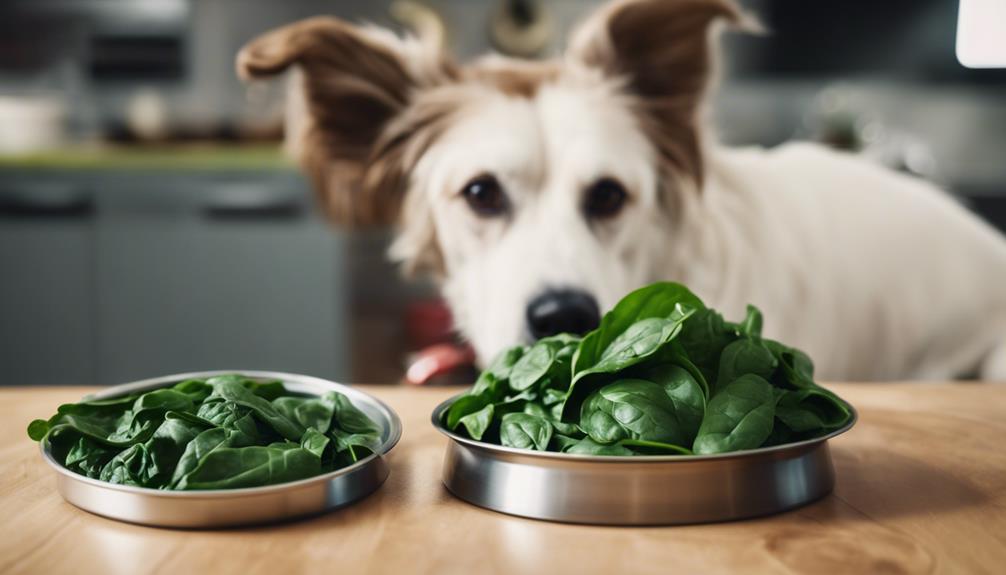
You're considering adding spinach to your dog's diet, and rightly so, as this nutrient-dense superfood packs a punch with its rich vitamins, minerals, and antioxidants. Spinach provides essential nutrients like iron, vitamins, and roughage, making it a healthy addition in moderation. However, high oxalic acid content can block calcium absorption, so cooking spinach is key to reduce this risk. Feeding spinach in moderation, about 1/4 teaspoon per 10 pounds of body weight daily, is essential to reap its benefits while minimizing risks. To learn more about safely integrating spinach into your dog's diet, continue exploring the benefits and preparation methods.
Key Takeaways
- Spinach is a nutrient-dense food rich in vitamins, iron, and antioxidants, but excessive consumption can strain a dog's kidneys.
- Cooking spinach can reduce its oxalic acid content, making it easier to digest, but moderation is still crucial.
- Feed cooked spinach in small amounts, no more than 1/4 teaspoon per 10 pounds of body weight daily, to avoid overwhelming the digestive system.
- Puppies should not eat spinach due to its high oxalate levels, which can harm developing kidneys and lead to kidney stones or failure.
- Always consult with a veterinarian for personalized guidance on feeding spinach to dogs and to determine the safest and most nutritious options.
Spinach Nutrition for Dogs
Spinach is a nutrient-dense food that provides numerous benefits for dogs. It's rich in vitamins A, B, C, and K, iron, antioxidants, beta-carotene, and roughage, making it a healthy addition to their meals. One hundred grams of spinach contains only 23 calories, 2.9g of protein, 2.4g of fiber, and 3.6g of carbohydrates.
The iron content in spinach is particularly significant, with 2.7 milligrams per 100g. Iron is essential for maintaining healthy muscles, bones, and organs in dogs. Spinach also contains alpha-lipoic acid (ALA), which helps reduce cell damage and promotes overall health. The antioxidants in spinach, including flavonols and beta-carotene, protect dogs from free radicals, promoting healthy skin, coat, and eyesight.
Before adding spinach to your dog's diet, consult with your veterinarian to determine the appropriate amount. This is crucial because excessive consumption can strain your dog's kidneys. A moderate amount of spinach can provide significant nutritional benefits for your dog.
Benefits and Risks of Spinach
Adding spinach to your dog's diet can have both benefits and risks. On the positive side, spinach is rich in nutrients and can provide antioxidants, vitamins, and minerals. It can also stimulate the digestive tract. However, it's crucial to be aware of the potential downsides.
One of the main concerns with feeding spinach to dogs is its high oxalic acid content. Oxalic acid can block calcium absorption, which is essential for your dog's health. Excessive oxalic acid can also cause kidney damage. Cooking spinach can reduce its oxalic acid content, making it easier to digest.
To reap the benefits of spinach while minimizing the risks, it's essential to feed it in moderation. Spinach should not replace a balanced diet, and dogs prone to kidney and bladder stones should avoid eating it altogether. If your dog has kidney disease, consult with a vet before adding spinach to their diet.
Feeding spinach in excess can lead to kidney stress, muscle weakness, and abnormal heart rhythms. It's vital to remember that calcium absorption is crucial, and excessive oxalic acid can hinder it. By understanding the benefits and risks of spinach, you can make an informed decision about incorporating it into your dog's meal plan.
How to Prepare Spinach Safely

When preparing spinach for your dog, choose fresh or frozen leaves without added seasonings or preservatives. Thoroughly wash the leaves to remove dirt, debris, and pesticides. If using frozen spinach, thaw it first.
To remove toxic oxalic acid, cook the spinach. Boil it in water for 5-10 minutes or steam it for 3-5 minutes. Let it cool to room temperature before serving.
Serve cooked spinach in small amounts to avoid overwhelming your dog's digestive system. Start with 1/4 teaspoon per 10 pounds of body weight and adjust as needed. Monitor your dog's behavior and adjust the serving size accordingly.
Safe Amounts of Spinach for Dogs
When feeding spinach to your dog, moderation is crucial. Raw spinach contains oxalates, which can harm kidneys if consumed excessively. Cooking reduces oxalate content, but it's still essential to limit the amount.
A general guideline is to serve no more than 1/4 teaspoon of cooked spinach per 10 pounds of body weight daily. For example, a 20-pound dog can have up to 1/2 teaspoon of cooked spinach daily.
Remember, each dog's tolerance to spinach varies. Monitor your dog's behavior and health closely after introducing spinach. If you notice adverse reactions like vomiting, diarrhea, or lethargy, stop serving spinach immediately.
Ensure spinach doesn't account for more than 10% of your dog's daily calorie intake. By following these guidelines, you can safely add spinach to your dog's diet and provide them with its nutritional benefits.
It's also important to weigh your dog's overall diet and adjust spinach servings accordingly. If you're unsure, consult with a veterinarian for personalized guidance.
Can Puppies Eat Spinach Too?

Puppies should not eat spinach due to its high oxalate levels, which can harm their developing kidneys and cause long-term damage. Oxalates can lead to kidney stones, bladder stones, and even kidney failure if consumed in excess.
The American Kennel Club advises against feeding puppies spinach and other high-oxalate foods to protect their kidneys from harm. Instead, puppies can thrive on puppy-formulated dog foods that provide balanced nutrition and support healthy growth. These foods are designed to meet the unique nutritional needs of puppies and do not contain harmful oxalates.
If you want to add greens to your puppy's diet, consult a veterinarian to determine the safest and most nutritious options. They can help you create a well-rounded diet that meets your puppy's needs without putting their kidney health at risk. Avoiding spinach is crucial to protecting your puppy's kidney function.
Spinach as a Healthy Treat Option
When feeding your dog spinach as a healthy treat, it's crucial to understand its nutritional benefits. Spinach provides essential vitamins, minerals, and antioxidants that support your dog's overall health. To ensure spinach is a safe and healthy addition to your dog's diet, follow these guidelines:
- Learn the recommended amount to feed your dog and how to prepare spinach safely.
- Understand the nutritional benefits spinach provides, including its vitamins, minerals, and antioxidants.
- Balance spinach with other healthy treats to maintain a nutritious and balanced diet.
Spinach Nutritional Benefits
Spinach is a nutrient-dense food that provides several health benefits for dogs. It is rich in vitamins A, B, C, and K, iron, antioxidants, beta-carotene, and fiber. One hundred grams of raw or cooked spinach contains 23 calories, 2.9g protein, 2.4g fiber, and 3.6g carbohydrates, making it a low-calorie, high-fiber snack.
- Advertisement -
The iron content in spinach, 2.7 milligrams per 100g, supports healthy muscles, bones, and organs in dogs. Spinach is also a rich source of antioxidants, including flavonols, beta-carotene, and B vitamins, which help protect dogs from free radicals and oxidative stress. Additionally, alpha-lipoic acid in spinach reduces cell damage and supports overall health and well-being in dogs.
With its impressive nutritional profile, spinach is an excellent treat option for dogs. It can be served raw or cooked and can be added to their regular meals or given as a healthy snack.
Spinach Feeding Guidelines
Introducing Spinach into Your Dog's Diet
To ensure a smooth transition, start by feeding your dog small amounts of spinach to prevent digestive upset. For every 10 pounds of body weight, begin with a teaspoon of fresh spinach or a few pieces of frozen spinach. You can mix it with their regular meals or serve it as a treat. Remember, spinach is a supplement, not a replacement for your dog's regular meals.
Feed spinach 2-3 times a week to allow your dog's system to adjust. This schedule will help prevent overwhelming their digestive system. Be patient and monitor your dog's reaction to spinach. If you notice any adverse effects, consult your veterinarian for guidance.
Spinach Preparation Tips
To make spinach a healthy and enjoyable treat for your dog, it's crucial to prepare it correctly. Boiling spinach breaks down oxalates, making it easier for your dog to absorb nutrients. Boiled spinach is also softer and more palatable for dogs. Alternatively, you can use raw spinach, but chop it finely to prevent choking hazards. Start with small amounts and gradually increase the serving size as your dog becomes accustomed to it. When preparing raw spinach, mix it with healthy ingredients like carrots or apples to create a tasty and nutritious treat. Always wash the spinach thoroughly to remove dirt and pesticides. By preparing spinach correctly, you can provide your dog with a healthy snack.
Other Safe Fruits and Vegetables
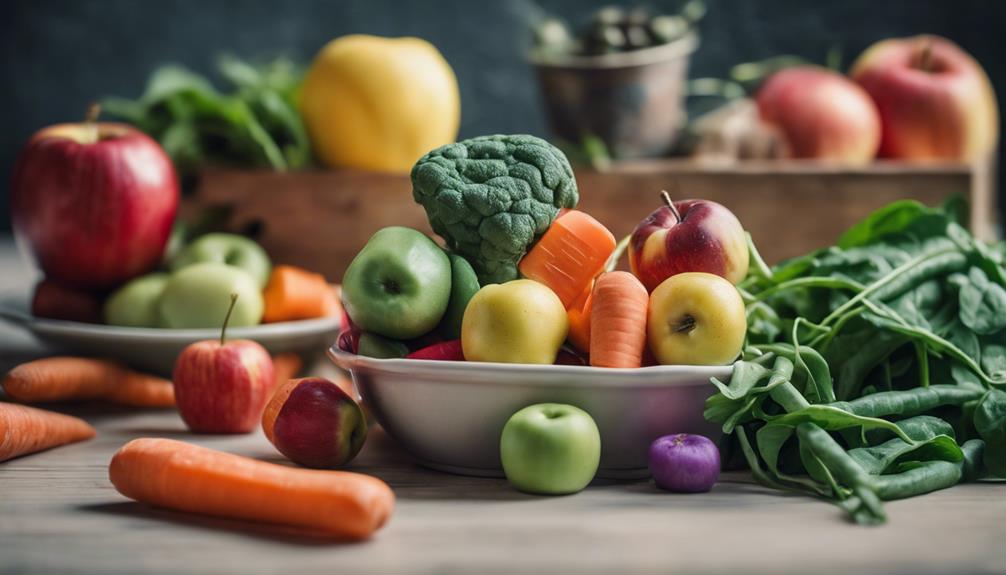
Beyond spinach, other fruits and vegetables can provide essential nutrients for your dog. Apples, bananas, and blueberries are healthy fruit options that supply vitamins and antioxidants. Fresh vegetables like carrots, green beans, and sweet potatoes also make nutritious snacks. These fruits and vegetables can be a great addition to your dog's diet.
Healthy Fruit Options
When sharing fruits with your dog, choose options that are safe and healthy. Apples are a good choice, providing vitamins A and C, fiber, and other nutrients. However, be sure to remove seeds and cores before feeding them to your dog. Bananas are another healthy option, rich in potassium, vitamins, biotin, fiber, and copper. Blueberries are packed with antioxidants, fiber, and phytochemicals, making them a nutritious treat when fed in moderation. Fresh, frozen, or dried blueberries are all acceptable. Cantaloupe and pineapple can also be shared with your dog, but make sure to remove seeds and rinds. By choosing these fruits, you're supporting your dog's overall health and well-being.
Fresh Veggie Delights
Incorporating fresh vegetables into your dog's meals is crucial for a balanced diet. Spinach is a nutritious leafy green packed with vitamins and minerals, making it an excellent addition.
Other vegetables can also be added to your dog's diet. Fresh fruits like apples, bananas, blueberries, cantaloupe, and pineapple are safe and nutritious treats. Apples provide vitamins A and C, fiber, and more. Bananas offer potassium, vitamins, biotin, fiber, and copper. Blueberries are rich in antioxidants, fiber, and phytochemicals, making them a great snack in moderation. Cantaloupe is low-calorie, nutrient-rich, and provides water, fiber, and vitamins, making it a healthy snack. Pineapple is safe for dogs and rich in vitamins, minerals, and fiber, containing bromelain to aid protein absorption.
Nutritious Snack Ideas
Apples make a great snack for dogs, providing vitamins A and C, fiber, and antioxidants. Remove seeds and cores to avoid choking hazards. Carrots are another healthy option, rich in fiber, vitamins, and beta-carotene, which promote healthy vision and skin. They're a crunchy snack that dogs will love.
Green beans are low in calories and rich in nutrients, making them a great snack option. You can serve them steamed, cooked, or raw, and they'll provide vitamins, minerals, and fiber. Oranges, without peels and seeds, offer vitamin C, potassium, and fiber, making them a sweet and healthy treat.
Pineapple is a nutritious snack that can aid in digestion and protein absorption. It's rich in vitamins, minerals, and antioxidants, making it a great addition to your dog's diet. By incorporating these fruits and vegetables into their diet, you can provide a well-rounded and balanced food intake.
Frequently Asked Questions
How Much Spinach Can I Give My Dog?
Determine your dog's ideal spinach serving size by following these daily limits: 1/4 teaspoon of fresh spinach or 1/8 teaspoon of cooked spinach per 10 pounds of body weight. Don't exceed 1/2 teaspoon of fresh spinach or 1/4 teaspoon of cooked spinach daily. Introduce spinach gradually to prevent digestive upset, and consult your veterinarian if you have concerns.
Can Dogs Eat Spinach Raw or Cooked?
When preparing spinach for your dog, it's essential to consider whether to serve it raw or cooked. Raw spinach contains high levels of oxalates, which can hinder calcium absorption. Cooking spinach breaks down these compounds, making its nutrients more accessible to your dog.
Steaming or sautéing are the best cooking methods to preserve nutrients. Alternatively, lightly cooking spinach can strike a balance between nutrient retention and oxalate reduction. This approach ensures your dog gets the benefits of spinach while minimizing potential drawbacks.
What Are the Best Veggies for Dogs?
When it comes to canine nutrition, vegetables can be a great addition to your dog's diet. Certain veggies can provide specific health benefits, so it's essential to choose the right ones for your dog's needs.
Carrots, green beans, and cucumbers are all healthy snack options that support digestion, vision, and overall well-being. These veggies are nutrient-rich and can be a nutritious way to meet your dog's dietary needs.
When selecting veggie treats, prioritize options that cater to your dog's specific requirements. This can make a significant difference in their health and nutrition.
What Vegetables Are Not Good for Dogs?
Some vegetables can harm your dog. Cruciferous vegetables like asparagus provide little nutritional value and may cause obstruction if eaten. Onions, chives, and leeks contain compounds that can damage your dog's red blood cells, leading to anemia and other harmful effects. Mushrooms, even those bought at a store, are poisonous and can be deadly. When selecting vegetables for your dog's diet, exercise caution and consult with a veterinarian to ensure their safety.
In summary
When considering adding spinach to your dog's diet, keep in mind that moderation is essential. Spinach can be a nutritious addition, but it shouldn't replace a balanced diet. Follow the guidelines outlined above to reap the benefits of spinach while minimizing potential risks. A small amount of spinach can support your dog's overall health, but don't rely solely on it for nutrition.
- Advertisement -