

Can Dogs Eat Zucchini Bread
- Advertisement -
While zucchini is a nutritious and safe vegetable for you to feed your dog in moderation, zucchini bread, especially with chocolate chips, is a different story and can be hazardous to your dog's health. The toxicity lies in the added ingredients, not the zucchini itself. Feeding your dog zucchini bread can lead to digestive upset, pancreatitis, and even more severe symptoms. Stick to plain, raw, steamed, or cooked zucchini, and avoid adding oils, salts, seasonings, garlic, or onions. For more guidance on safely incorporating zucchini into your dog's diet, explore the specific precautions and benefits outlined below.
Key Takeaways
- Dogs should not eat zucchini bread, especially with chocolate chips, as it can cause digestive upset and even toxicity.
- Plain, raw, steamed, or cooked zucchini is safe for dogs in moderation, but avoid adding oils, salts, seasonings, garlic, or onions.
- Zucchini bread can be hazardous to dogs due to its high fat content, which can trigger pancreatitis, and chocolate chips can be toxic.
- If a dog ingests zucchini bread, monitor their bowel movement and overall health closely, and act quickly if severe symptoms occur.
- Stick to plain, unseasoned zucchini as a healthy snack for dogs, and avoid feeding them zucchini bread or other baked goods.
Zucchini Safety for Dogs
Feeding your dog zucchini can be a healthy treat if done safely. Zucchini is safe for dogs to eat in moderation, but excessive amounts can cause digestive upset.
Before giving zucchini to your dog, chop or steam it to prevent choking hazards. Also, be aware that while zucchini plants, including flowers and leaves, are non-toxic, other plants in the garden may be harmful.
Not all zucchini preparations are safe for dogs. Avoid feeding your dog zucchini bread with chocolate chips, as the theobromine in chocolate can be toxic. Onions and garlic are also harmful ingredients. Stick to plain, raw, steamed, or cooked zucchini, and avoid feeding zucchini prepared with oils, salts, seasonings, garlic, or onions.
Nutritional Benefits of Zucchini
Zucchini is a nutrient-rich food that provides numerous health benefits for dogs. It's an excellent addition to their diet, offering more than just low calorie count.
Zucchini is a good source of essential vitamins and minerals, including:
- Vitamins A, C, and K
- Minerals like potassium and manganese
Its high water content (around 95%) makes it useful for:
- Weight management
- Hydration
The fiber content in zucchini (both soluble and insoluble) supports:
- Healthy digestion
- Prevention of constipation
Antioxidant properties in zucchini help:
- Protect against oxidative stress
- Reduce inflammation
Beta-carotene in zucchini converts to vitamin A in a dog's body, supporting:
- Healthy vision
- Immune function
- Skin health
Moderation Is Key for Dogs
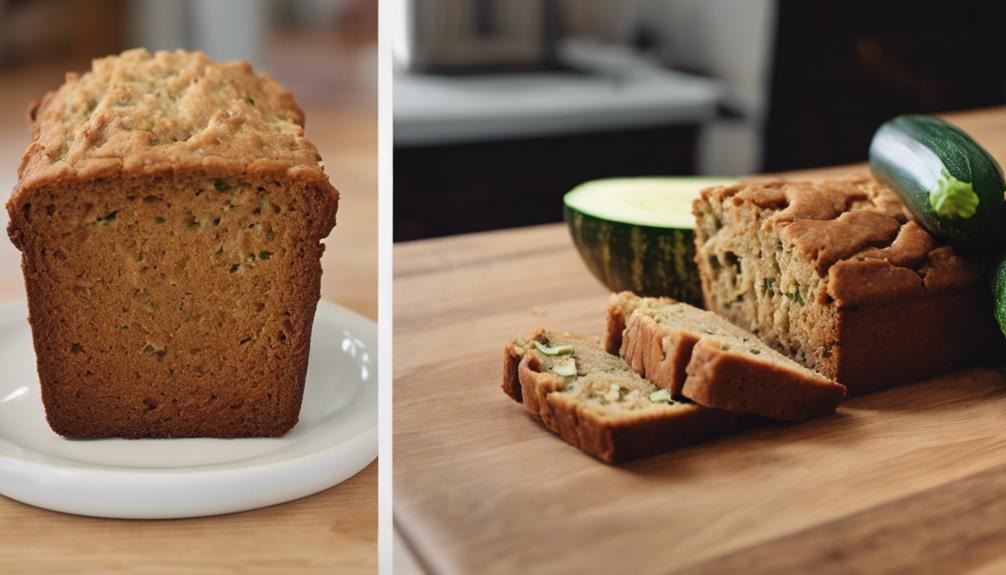
When sharing zucchini with your dog, remember to keep the amount limited. Overfeeding can displace essential nutrients and cause digestive upset. Limiting the amount ensures your dog gets the nutritional benefits of zucchini while staying safe and healthy.
Zucchini in Moderation
When introducing zucchini into your dog's diet, remember to do so in moderation. While zucchini is safe, excessive amounts can cause digestive upset. Limit zucchini to 10% of your dog's daily calorie intake to avoid this.
Key points to consider when feeding your dog zucchini:
- One cup of raw zucchini contains only 20 calories, making it a low-calorie snack option.
- Zucchini is rich in fiber, vitamins, and minerals, providing nutritional benefits when consumed in moderation.
- Moderate zucchini consumption supports digestive health and overall well-being.
- Its low-calorie content makes it an ideal reward during training or as a healthy snack.
- Zucchini's nutritional value for dogs lies in its fiber, vitamin, and mineral content, contributing to their overall health when consumed in moderation as part of a balanced diet.
Safe Serving Sizes
To ensure safe serving sizes, feed your dog 1-2 inches of sliced or diced zucchini per 10 pounds of body weight. When feeding zucchini bread, remember that moderation is key. It's okay to give your dog small amounts as an occasional treat, but it shouldn't replace their balanced diet.
Before feeding cooked zucchini, remove any seeds, skin, or strings, as they can cause digestive issues. When giving your dog zucchini bread, tear it into small pieces to prevent choking hazards. Introduce zucchini gradually to prevent stomach upset. Start with a small amount and monitor your dog's reaction before increasing the serving size.
Cooked Zucchini and Other Products
Cooked zucchini can be a healthy snack for your dog when served in moderation. However, it's crucial to prepare it safely.
First, ensure the cooked zucchini is plain and free from toxic ingredients like onions, garlic, or xylitol. Avoid feeding your dog zucchini bread or baked goods, as they're high in sugar, fat, and calories, which can cause digestive upset or pancreatitis.
When preparing zucchini for your dog, never include onions or garlic, as they're toxic. Cut the cooked zucchini into small pieces to prevent choking hazards. Serve in moderation to avoid overfeeding.
Plain cooked zucchini is the safest option for your dog. Avoid bread and other baked goods that can harm their health. By following these guidelines, you can provide your dog with a nutritious and healthy snack.
Toxicity of Zucchini Plants
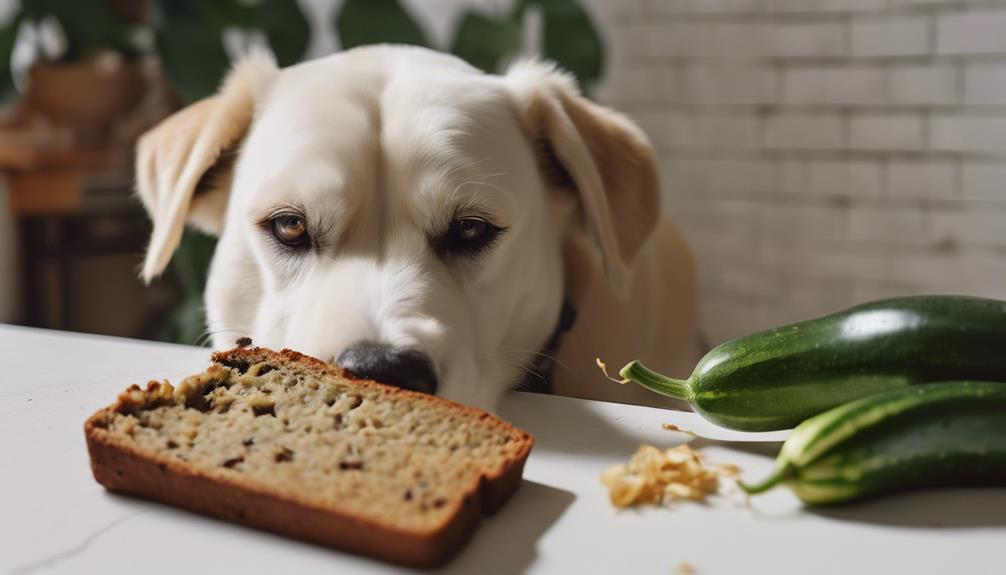
Zucchini plants are non-toxic to dogs. The flowers, leaves, and stems contain cucurbitacins, toxic compounds, but in small amounts that won't cause harm. Still, it's essential to supervise your dog around the plants to ensure their safety.
Plant Safety Guidelines
When growing zucchini, ensure your furry friends' safety by taking necessary precautions. While zucchini is generally safe for dogs, the plant itself can be toxic in large quantities.
The seeds, leaves, and flowers contain a toxic compound called cucurbitin, so be cautious. If your dog ingests any part of the plant, they may experience digestive upset or gastrointestinal issues. Monitor their bowel movement and overall health closely if this occurs.
Severe symptoms can result from ingesting the plant's toxic compounds, so act quickly if you suspect your dog has ingested any part of the zucchini plant. Consider fencing off the zucchini-growing area to prevent accidental ingestion.
Non-Toxic Plant Parts
Some parts of the zucchini plant are non-toxic to dogs. All plant parts, including flowers and leaves, are safe. However, the leaves and stems contain cucurbitacins, which can cause vomiting, diarrhea, and lethargy if eaten in large amounts.
Fresh zucchini plants in gardens are safe for dogs to be around, but monitor their surroundings to ensure they're not eating other harmful plants. When feeding your dog zucchini, cook it and serve it in small amounts to avoid adverse reactions.
Prioritize dog safety when introducing new foods or plants, including zucchini bread. Observe your dog's behavior and adjust serving sizes accordingly. If you have questions or concerns, contact a veterinarian for guidance on feeding your dog zucchini or other human foods.
Zucchini Bread Ingestion Risks
When you're enjoying a slice of zucchini bread, make sure to keep a close eye on your dog. Ingesting zucchini bread can be harmful to their health, especially if it contains chocolate chips.
The chocolate chips in zucchini bread can cause theobromine toxicity in dogs. This can lead to agitation, tremors, and shaking. If your dog eats 1/3 ounce of semisweet chocolate per pound of body weight, they may experience theobromine toxicity.
Other risks to consider:
- Even if the amount of chocolate isn't toxic, your dog may still experience gastrointestinal distress, vomiting, and diarrhea.
- Zucchini bread ingestion can cause bloating, increased respiratory rate, and discomfort in dogs.
- Monitor your dog's condition closely and seek veterinary attention if symptoms worsen or persist.
Managing Digestive Issues
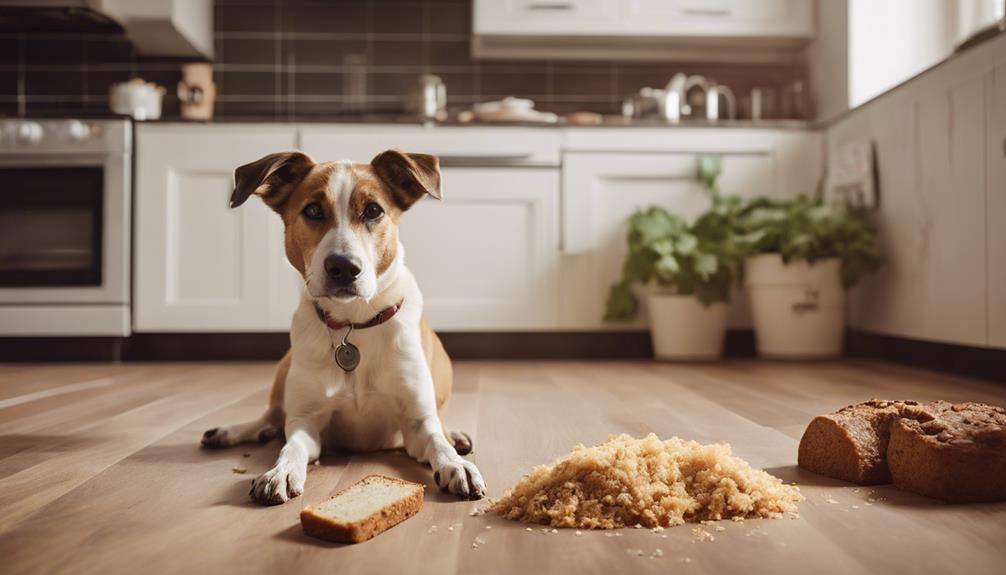
If your dog eats zucchini bread, monitor their symptoms closely. Digestive issues can worsen quickly, leading to bloat attacks or gastric distension. To keep your dog safe, learn how to prevent these complications and provide proper care. This knowledge will help you manage digestive issues and prevent serious problems.
Symptom Monitoring Tips
When introducing zucchini bread into your dog's diet, close monitoring is crucial to prevent digestive issues. Watch for signs of upset, such as vomiting, diarrhea, or lethargy, after feeding zucchini bread.
If your dog experiences digestive problems, follow these steps:
- Withhold food for 24 hours and provide small amounts of water to help their system recover.
- Administer Pepcid (famotidine) or Prilosec (omeprazole) as directed to alleviate symptoms.
- Offer a bland diet of white rice and boiled meat for 2-3 days to help their digestive system recover.
- If symptoms persist or worsen, seek immediate veterinary attention, as your dog may require additional treatment or supportive care.
- Advertisement -
Preventing Bloat Attacks
To prevent bloat attacks, take the following steps:
Feed your dog small, frequent meals throughout the day to reduce the risk of stomach twisting and distension. Encourage slow eating to minimize the likelihood of bloat attacks. Avoid exercise immediately after meals, as this can exacerbate the issue.
If your dog experiences mild digestive upset, switch to a bland diet of boiled chicken and rice for a few days. This can help resolve the issue and prevent more severe bloat attacks. For mild bloat attacks, withhold food and water for 24 hours to help manage symptoms. However, if symptoms persist or worsen, seek veterinary attention immediately.
Administering simethicone products like Gas-X can alleviate symptoms, but consult with a veterinarian before giving any medication. By following these preventative measures, you can reduce the risk of bloat attacks associated with eating zucchini bread.
Gastric Distension Care
Managing Gastric Distension in Your Dog
Gastric distension is a serious digestive issue that requires prompt attention. Recognizing the signs of gastric distension is crucial to prevent digestive upset and potentially life-threatening complications.
Treatment typically involves medication to reduce nausea and vomiting, as well as supportive care such as fluids and oxygen therapy. In severe cases, surgical intervention may be necessary to restore blood flow and untwist the stomach.
To prevent gastric distension, follow these guidelines:
Feed your dog multiple small meals throughout the day to prevent gobbling or gulping food.
Avoid exercising your dog after eating to reduce the risk of digestive upset.
Monitor your dog's eating habits to prevent overeating, which can lead to an upset stomach.
Adding zucchini slices to your dog's diet can help regulate blood sugar and support digestive health.
If you give your dog zucchini bread, do so in moderation and without toxic ingredients to avoid digestive upset and gastric distension.
Treatment and Prevention Methods
When dealing with zucchini bread toxicity in dogs, swift action is crucial. If your dog ingests zucchini bread with chocolate chips, monitor for signs of theobromine toxicity, such as agitation, tremors, and shaking. Seek veterinary attention immediately if you notice any of these symptoms.
To alleviate symptoms, follow these steps:
- Withhold food and offer small amounts of water.
- Introduce bland foods like boiled chicken and rice.
- Consider administering Simethicone products like Gas-X to help alleviate bloat.
If pancreatitis occurs, a potentially life-threatening condition, immediate veterinary attention is vital. Provide the veterinarian with details of the ingestion, including the amount and type of chocolate chips.
To prevent zucchini bread toxicity:
- Keep dogs indoors and away from human food.
- Verify they are not eating grass or leaves for 6-8 hours after vomiting.
- Keep zucchini bread out of reach, and educate family members on the risks of sharing human food with dogs.
In some cases, veterinarians may administer Pepcid (famotidine) or Prilosec (omeprazole) to help alleviate symptoms. Follow their instructions and guidance to ensure the dog's safe recovery. Remember, prevention is key to guaranteeing your dog's health and well-being.
Expert Insights and Case Studies
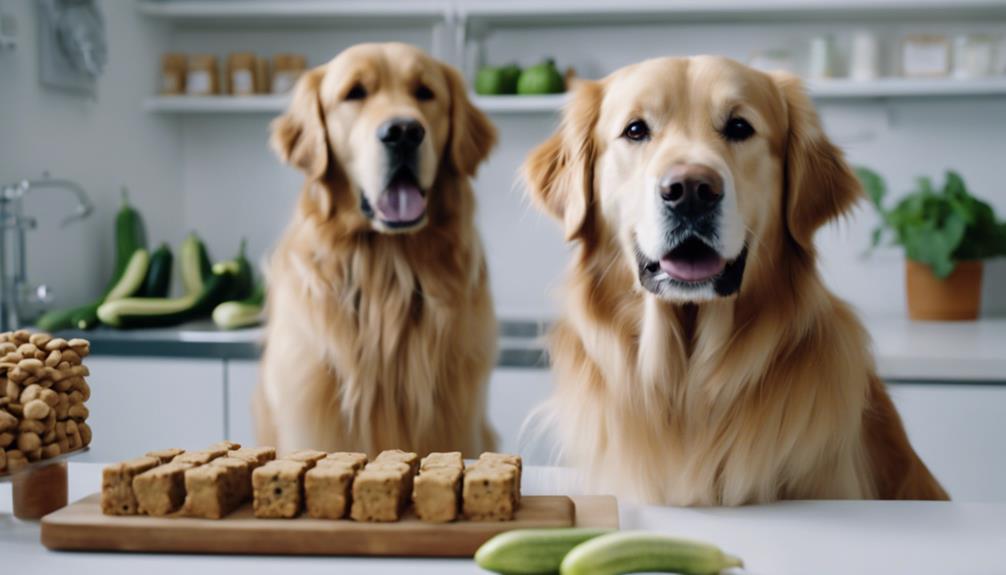
Veterinarians specializing in toxicology warn that zucchini bread with chocolate chips can be hazardous to dogs, even in small amounts. If your dog ingests a large quantity of chocolate chips, the risks increase significantly.
Zucchini bread with chocolate chips can cause theobromine toxicity, leading to agitation, tremors, and shaking. Immediate veterinary attention is required.
Feeding dogs zucchini bread high in fat or butter increases the risk of pancreatitis, a potentially life-threatening condition that requires prompt veterinary care.
While a 20-pound dog eating a mini loaf with 20-30 chocolate chips is unlikely to reach toxic levels, it may experience gastrointestinal distress, vomiting, and diarrhea. Monitor your dog closely and seek veterinary attention if symptoms persist or worsen.
Symptoms of zucchini bread ingestion in dogs include bloating, increased respiratory rate, and discomfort. If these signs persist or worsen, seek veterinary attention.
To alleviate symptoms, veterinarians recommend the following steps: withhold food, offer small amounts of water, introduce bland foods like boiled chicken and rice, and administer medication like Pepcid or Prilosec.
Safe Preparation and Feeding Tips
To share the nutritional benefits of zucchini with your dog, follow these safe preparation and feeding tips.
When preparing zucchini bread for humans, set aside plain zucchini chunks for your dog. Avoid giving them bread with toxic ingredients like chocolate chips. For your dog, wash the zucchini thoroughly, cut it into bite-sized pieces, and steam, boil, or bake it until soft.
Feed zucchini to your dog in moderation, making up no more than 10% of their daily caloric intake. Monitor for signs of digestive upset or allergic reactions. Avoid fried zucchini and zucchini bread due to high fat content and difficulty to digest. Plain, raw, steamed, or cooked zucchini is safe for dogs to eat, but avoid adding oils, salts, seasonings, garlic, or onions.
Remember to maintain a balanced mix of fruits and vegetables in your dog's diet. Zucchini can be a nutritious addition, but it should not replace their regular meals. By following these guidelines, you can provide your dog with the benefits of zucchini while keeping their sugar intake in check.
Frequently Asked Questions
Is Zucchini Safe for Dogs to Eat?
Zucchini is generally safe for dogs to eat in moderation. It's low in calories and rich in nutrients, supporting healthy digestion and potentially aiding weight management. However, there are some precautions to take.
First, be aware of potential allergies. Monitor your dog's reaction to zucchini, and stop feeding it if you notice any signs of an allergic reaction.
Next, avoid feeding your dog large pieces of zucchini, as they can be a choking hazard. Cut or cook the zucchini into small, manageable pieces instead.
Feeding your dog too much zucchini can also cause digestive upset. Start with small amounts and gradually increase the serving size as needed.
While zucchini is not toxic to dogs, eating too much of it can lead to an imbalance of nutrients in their diet. Avoid overfeeding your dog zucchini, and make sure it doesn't replace their regular meals.
How Do I Prepare Zucchini for My Dog?
Preparing Zucchini for Your Dog
Zucchini can be a nutritious snack for your dog when prepared correctly. Remove seeds and stems, as they can cause digestive issues. Raw zucchini is an option, but cooking makes it easier to digest.
To prepare zucchini, try one of the following methods:
- Steam, roast, or grill zucchini to make it tender, then chop it into bite-sized chunks.
- Blend cooked zucchini into a puree.
- Freeze or dehydrate zucchini for a crunchy snack.
Avoid adding seasonings or oils to the zucchini, as they can be harmful to your dog.
Can Dogs With Kidney Failure Eat Zucchini?
Dogs with kidney failure can eat zucchini, but only in moderation and with their vet's approval. Zucchini is a nutritious, low-calorie snack that can be beneficial for dogs with kidney issues. However, it's crucial to remove the seeds and skin, as they contain phosphorus, which can worsen kidney damage.
Before adding zucchini to your dog's diet, consult with their veterinarian to rule out food allergies and ensure it won't exacerbate their condition. The vet can also help determine the appropriate amount of zucchini for your dog's specific dietary needs.
Can Dogs Eat Baby Marrow?
Baby marrow can be a healthy treat for dogs when prepared and introduced correctly. As a summer squash, it's rich in vitamins and minerals. Steaming or roasting baby marrow makes a nutritious snack that supports canine digestive health. You can also puree or mix it with other veggies to create a healthy alternative.
However, remember to introduce baby marrow gradually to prevent digestive upset. Always consult with your vet before making changes to your dog's diet. This ensures a balanced diet, which is vital since 75% of a dog's immune system is found in their gut.
In summary
Before sharing zucchini bread with your dog, remember that moderation is essential. While zucchini can be a healthy treat for dogs, overconsumption can cause digestive issues. To safely share zucchini bread with your dog, follow these guidelines: only offer small amounts, ensure the bread doesn't contain toxic ingredients like nuts or chocolate, and monitor your dog's reaction. By doing so, you can enjoy a healthy and happy friendship with your canine companion.
- Advertisement -