
Can Dogs Eat Green Peppers
- Advertisement -
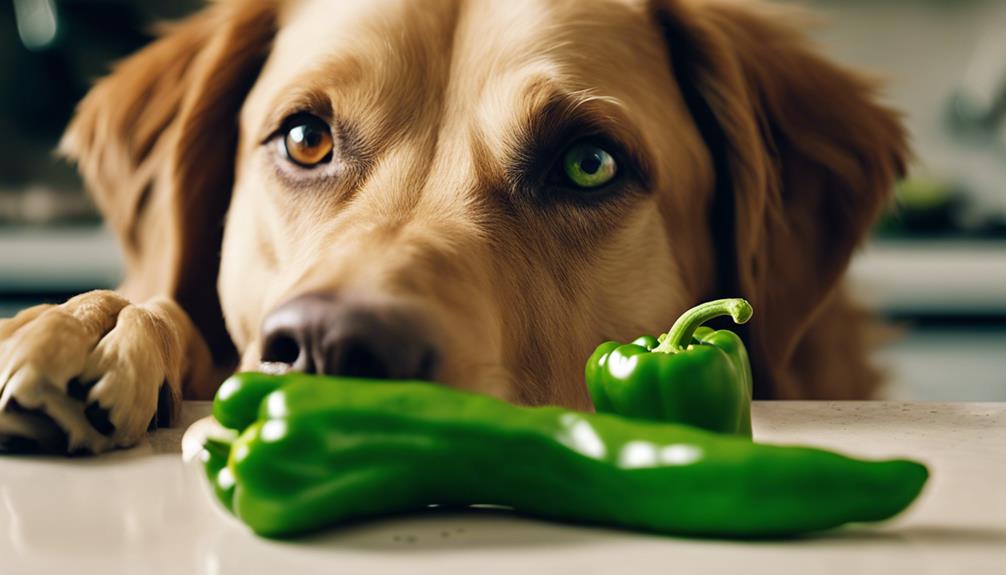
You can safely add green peppers to your dog's diet, as they provide a boost of vitamins, minerals, and antioxidants that support overall health and well-being. Rich in vitamin C, vitamin B6, and potassium, green peppers are a nutritious and healthy treat option for your dog. However, it's essential to introduce them gradually and in moderation to avoid stomach issues. Remove seeds and cores, and steam or cook them to make their nutrients more accessible. By following these guidelines, you can reap the nutritional benefits of green peppers for your dog, and discover more ways to support their diet and health.
Key Takeaways
- Green peppers are a nutritious and healthy treat for dogs, providing antioxidants, vitamins, and minerals that support immune function and eye health.
- Feed green peppers in moderation, as excessive consumption can cause stomach upset or digestive issues in dogs.
- Remove seeds and stems from green peppers to prevent choking hazards or digestive problems, and cook or steam them for easier digestion.
- Green peppers are low in calories and fat, making them a guilt-free treat option for dogs, but introduce them gradually to prevent digestive upset.
- Green peppers support a dog's overall health and well-being, promoting healthy vision, skin, and coat, and reducing the risk of illnesses.
Bell Pepper Nutrition for Dogs
Bell peppers can be a nutritious addition to your dog's diet. They're packed with vitamins and minerals, making them a healthy treat.
Red bell peppers are the most nutritious, containing high amounts of vitamins and antioxidants. These nutrients support a healthy immune system and are essential for your dog's skin, coat, and eye health.
Bell peppers are low in calories and high in fiber, making them a great alternative to traditional dog treats, especially for dogs with weight management issues. The antioxidants and anti-inflammatory properties in bell peppers can also help fight inflammation and oxidative stress in dogs.
When fed in moderation, bell peppers can contribute to your dog's overall health and well-being. Just be sure to remove the seeds and stems, as they can cause digestive issues.
Health Benefits of Green Peppers
Green peppers are a nutritious snack for dogs, providing antioxidants and anti-inflammatory properties that support their immune system and reduce the risk of illnesses. The beta-carotene in green peppers also promotes healthy vision, skin, and coat. As a treat, green peppers are a great option.
Nutrient Rich Snack
Green peppers make an excellent snack for dogs due to their high nutritional value. They provide essential vitamins and minerals like vitamin C, vitamin B6, and potassium, which support immune function, skin health, and eye health. The antioxidants and anti-inflammatory properties in green peppers help reduce oxidative stress and inflammation, promoting overall health and well-being.
Green peppers are also low in calories and fat, making them a healthy and guilt-free treat option, especially for dogs with weight management issues. The crunchy texture can help support dental health by reducing tartar buildup and promoting healthy gums.
You can serve green peppers raw or cooked, and they can be easily added to your dog's diet as a healthy treat rich in vitamins and minerals. Incorporating green peppers into your dog's diet provides a nutritious snack that benefits their overall health.
Boosts Immune System
Green peppers provide a significant boost to your dog's immune system due to their rich nutrient profile. The high levels of vitamin C in green peppers play a crucial role in supporting the immune system and fighting off infections. The antioxidants in green peppers reduce oxidative stress and inflammation, promoting overall health and well-being.
Green peppers also contain beta-carotene, a precursor to vitamin A that supports healthy vision, immune function, and skin health in dogs. By adding green peppers to your dog's diet, you can strengthen their immune system and reduce the risk of illnesses. As a nutritious and easily digestible snack, green peppers provide essential nutrients that support your dog's overall health.
Supports Healthy Vision
Green peppers are a nutritious addition to your dog's meal, supporting healthy vision in several ways. They are rich in lutein and zeaxanthin, which reduce the risk of age-related macular degeneration and promote overall eye health. The antioxidants in green peppers also protect your dog's eyes from damage caused by free radicals, reducing the risk of cataracts.
As a good source of vitamin A, green peppers help maintain the health of your dog's retina and cornea. Vitamin C in green peppers helps regenerate vitamin E, which protects your dog's eyes from oxidative stress and damage. Additionally, the beta-carotene in green peppers reduces the risk of canine cataracts and other eye problems by protecting the eyes from UV light damage.
Incorporating green peppers into your dog's diet is a simple way to support their healthy vision. By doing so, you can help reduce the risk of eye problems and promote overall eye health.
Feeding Guidelines for Bell Peppers
When introducing bell peppers into your dog's diet, a gradual and measured approach is crucial to monitor their response. Bell peppers are generally safe for dogs to eat, but moderation is key to avoiding stomach issues.
To introduce bell peppers safely, follow these guidelines:
- Start with small amounts: Feed your dog 1/4 to 1/2 of a bell pepper, depending on their size.
- Remove seeds and cores: Take out the seeds and cores to prevent indigestion and stomach upset.
- Choose any color: Bell peppers of any color are fine, but red peppers offer the most nutritional value due to their higher vitamin and mineral content.
- Prepare bell peppers: Steam or cook bell peppers to soften them for easier digestion, especially for smaller dogs. Make sure your dog has access to water when eating peppers to aid nutrient absorption.
Remember to limit pepper intake to avoid stomach issues. Excessive consumption can cause upset stomach, vomiting, and diarrhea. Consult a vet for specific feeding advice. By following these guidelines, you can safely introduce bell peppers into your dog's diet and reap the benefits of this nutritious snack.
Preparing Bell Peppers for Consumption
Before feeding bell peppers to your dog, prepare them properly to ensure they're safe and easy to digest. Remove the seeds and stems, as they can cause choking or intestinal blockages. Steaming the peppers breaks down their cell walls, making their nutrients more accessible to your dog's digestive system.
Bell Pepper Preparation
Bell peppers require proper preparation before serving them to your dog. Follow these steps to ensure a safe and enjoyable meal:
Wash the peppers thoroughly to remove dirt, wax, and bacteria. Pat them dry with a clean towel or paper towels to eliminate excess moisture.
Next, chop or slice the peppers into bite-sized pieces suitable for your dog's consumption. Cooking or steaming the peppers is also necessary, as raw peppers can be difficult for dogs to digest. This step makes them tender and easier to eat.
Removing Seeds Safely
Before serving bell peppers to your dog, remove the seeds and stems to prevent potential health issues. Seeds can cause intestinal blockages or obstruction in dogs, especially small breeds, if eaten in large quantities.
To remove seeds safely:
- Use a spoon or melon baller to scoop out seeds and membranes from the pepper, being careful not to puncture the pepper's walls.
- Rinse the pepper under cold running water to remove any remaining seeds or debris.
- Pat the pepper dry with a paper towel before slicing or chopping it into bite-sized pieces for your dog.
- Advertisement -
Removing seeds and stems is crucial to ensure your dog can eat bell peppers safely. This step minimizes the risk of choking hazards and digestive issues, making bell peppers a healthy snack for your dog.
Steaming for Digestion
Steaming bell peppers makes them more appealing and easily digestible for your dog. This method breaks down the cell walls, releasing nutrients and making the peppers easier to digest, especially for smaller breeds.
Steaming bell peppers offers several benefits for your dog:
- Easier digestion: Steaming breaks down the cell walls, making the peppers easier to digest.
- Reduced choking hazards: Steaming softens the crunchy texture, reducing the risk of choking.
- Preserved nutrients: Steaming preserves the nutritional value of the peppers, including vitamins A and C, and antioxidants.
- Increased palatability: Steaming brings out the natural sweetness of the peppers, making them more tender and appealing to your dog.
To serve, steam the peppers until they're tender, then offer them as a healthy snack or add them to your dog's meal. Steaming bell peppers provides a nutritious and easily digestible treat for your dog.
Common Concerns With Bell Peppers
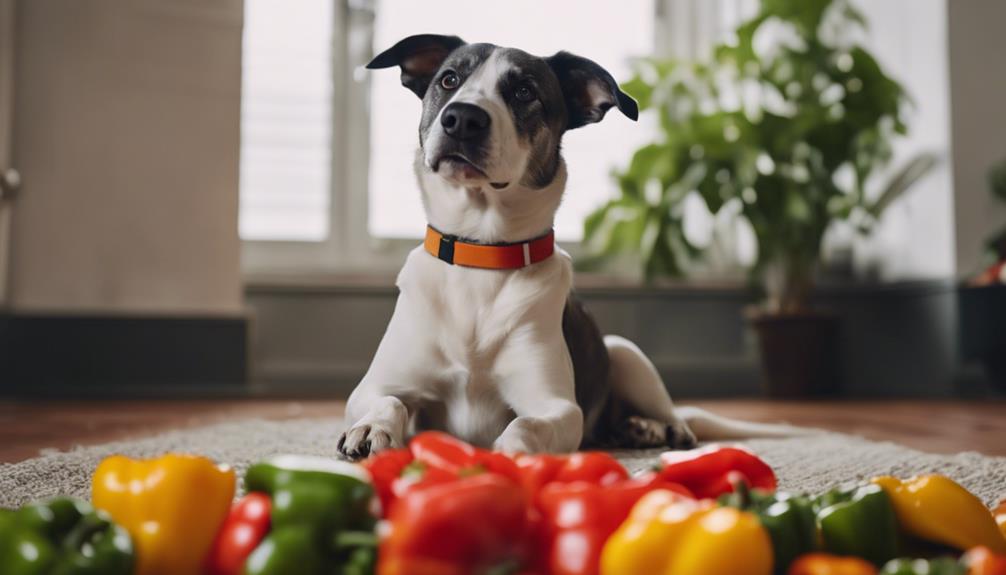
When feeding green bell peppers to your dog, it's crucial to be aware of potential concerns. Introducing them too quickly or in large amounts can cause stomach upset or digestive issues. To avoid this, introduce them slowly and in small amounts to allow your dog's digestive system to adjust.
The seeds and stems of green bell peppers can cause choking hazards or digestive problems if ingested. Always remove these parts before feeding them to your dog. While green bell peppers are not toxic to dogs, they can still cause issues if not fed properly.
Monitor your dog's reaction when feeding green bell peppers and adjust the amount or preparation method as needed. Cooking or steaming them can make them easier to digest, especially for smaller breeds. By understanding these potential concerns and taking necessary precautions, you can safely and healthily incorporate green bell peppers into your dog's diet.
Other Safe Vegetables for Dogs
Other Safe Vegetables for Dogs
You've already introduced green bell peppers into your dog's diet, and you're now considering adding more veggies to their meals. As a responsible pet owner, it's essential to know which vegetables are safe and healthy for your dog to eat. Dogs can benefit from a variety of vegetables that provide essential nutrients.
Carrots are a crunchy and nutritious snack that support dental health and provide vitamins and minerals. Feed them as a treat or add them to their meals.
Broccoli is a nutrient-rich vegetable that offers vitamins C and K, and fiber. However, feed it in moderation to avoid digestive upset.
Cauliflower is a low-calorie, high-fiber addition to their diet that supports healthy digestion and immune function.
Celery is a hydrating snack that can help reduce inflammation and support healthy digestion. Feed it in moderation due to its high water content.
Remember to always introduce new vegetables gradually and in small amounts to prevent digestive upset.
Integrating Bell Peppers Into Diets
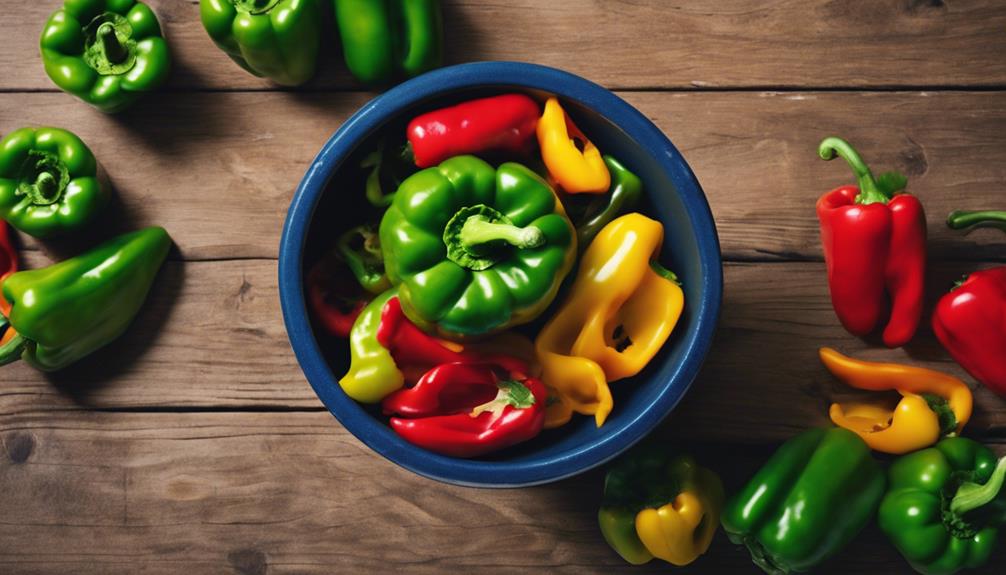
Bell peppers can be a nutritious addition to a dog's diet, providing essential vitamins and antioxidants. While green bell peppers have lower vitamin and mineral content compared to red bell peppers, they still offer health benefits for dogs.
To introduce green bell peppers, start with small amounts (1-2 slices) and monitor for signs of digestive upset or food allergy. Serve them raw or cooked, but remove seeds and stems to prevent choking hazards and digestive issues.
Before adding green bell peppers to your dog's diet, consult with a veterinarian, especially if your dog has specific health conditions or allergies. Introduce them gradually to prevent digestive upset.
Remember to:
- Start with small amounts (1-2 slices)
- Monitor for signs of digestive upset or food allergy
- Remove seeds and stems
- Consult with a veterinarian
- Introduce them gradually
Frequently Asked Questions
Can Dogs Eat Raw Green Peppers?
Raw green peppers can be a healthy snack for your dog. They are rich in fiber and nutrients, making them a nutritious addition to their diet. However, it's essential to introduce them in moderation to avoid digestive upset. Start with small amounts and monitor your dog's reaction. If they tolerate them well, you can gradually increase the serving size. Remember, green peppers should not replace your dog's regular meals but rather serve as an occasional snack.
Why Can't Dogs Eat Bell Peppers?
Dogs can eat bell peppers, but it's crucial to consider potential issues. Pepper toxicity, allergies, and digestive sensitivity are possible concerns. Some dogs may react to toxic compounds in peppers, so monitor their response closely. Introduce peppers gradually, and if you notice adverse reactions, consult your vet to ensure your dog's well-being. Start with small amounts and watch for signs of illness, such as vomiting or diarrhea. If your dog shows no adverse effects, you can gradually increase the amount of peppers in their diet. Always prioritize your dog's health and safety.
Can Dogs Eat Cucumbers and Bell Peppers?
Dogs can safely eat cucumbers as a crunchy snack. They provide hydration and are easy to digest. Bell peppers, on the other hand, can cause digestive issues and should be avoided. When choosing vegetable treats for your dog, cucumbers are a good option. Always consult with a vet before introducing new foods to ensure your dog's health and safety.
Can Dogs Eat Green Peppers and Tomatoes?
Dogs can eat green peppers and tomatoes, but with some precautions. Both can be safe snacks when introduced correctly. However, remove seeds and stems from green peppers, as they contain toxic compounds. When it comes to tomatoes, avoid giving your dog human leftovers or tomatoes with leaves and stems, as they can trigger food allergies.
In summary
Green peppers offer a range of nutritional benefits for your dog. They are rich in vitamins, antioxidants, and fiber, making them a healthy addition to their diet. To safely feed green peppers to your dog, follow these guidelines: introduce them in moderation, prepare them properly, and be aware of potential allergic reactions or digestive issues. When done correctly, green peppers can provide a nutritional and flavorful boost to your dog's meals.
- Advertisement -