

Can Dogs Eat Fruit
- Advertisement -
When it comes to sharing fruits with your dog, it's essential to know which ones are safe and which can be toxic. Following the 90/10 rule, where 90% of your dog's calorie intake comes from regular meals and 10% from treats, you can supplement their diet with healthy fruits, but beware of fruits high in sugar, seeds, or pits. Apples, bananas, blueberries, oranges, and pineapple are all nutritious treats, but fruits like grapes, raisins, and cherry pits can be harmful. Be sure to clean, prepare, and serve fruits safely to avoid choking hazards and toxin exposure, and explore the guidelines further to guarantee a healthy and happy pup.
Key Takeaways
- Dogs can eat certain fruits, but in moderation, as 90% of their daily calorie intake should come from regular meals, not treats.
- Apples, bananas, blueberries, oranges, and pineapples are safe and nutritious fruits for dogs when served properly.
- Fruits like grapes, raisins, and those with pits or seeds can be toxic or cause obstruction, so they should be avoided.
- Fruits high in sugar can cause digestive issues, and citrus fruits' rinds and seeds can be a choking hazard.
- Always clean, prepare, and serve fruits safely to dogs by removing seeds, pits, and peels, and cutting or pureeing them to prevent choking.
The 90/10 Rule of Treats
The 90/10 Rule of Treats: A Guide to Healthy Snacking for Your Dog
Overindulging your dog with treats can have serious consequences. While fruits may seem like a healthy alternative, it's essential to understand the 90/10 rule of treats. This rule states that 90% of your dog's daily calorie intake should come from their regular meals, with only 10% coming from treats.
Feeding your dog fruits can add extra calories and sugar, leading to upset stomachs and other health issues. Some fruits also contain toxic seeds or pits. For example, apple seeds contain cyanide, and grapes and raisins can cause kidney failure.
To keep your dog safe, remove fruits from their treat list or limit them to safe options. Instead, choose dog-friendly treats that are low in sugar and rich in vitamins. Remember, your dog's health depends on your choices, so prioritize their well-being by following the 90/10 rule and making informed decisions about their diet.
Safe Fruits for Dogs to Eat
Dogs can safely eat certain fruits as a healthy addition to their diet. Apples are a nutritious treat, providing vitamins A and C, fiber, and antioxidants, as long as you remove the seeds and core.
Bananas are low in calories and rich in potassium, vitamins, and fiber. However, they should be given in moderation due to their high sugar content.
Blueberries are packed with antioxidants and phytochemicals, making them a nutritious and safe fruit for dogs. Be mindful of potential choking hazards, especially with small dogs.
Oranges are a healthy snack, high in vitamin C, fiber, and potassium. Remove the peels and seeds to avoid choking hazards and toxins.
Pineapple is also safe for dogs, rich in vitamins, minerals, and fiber. It contains bromelain, which aids protein absorption. Remove the core and skin to avoid choking hazards.
These fruits are good for your dog and can be a great snack or occasional treat. They are low in calories and rich in vitamins, making them a wonderful source of vitamin C and other essential nutrients. By choosing the right fruits and preparing them properly, you can provide your dog with a healthy and balanced diet.
Fruits That Are Bad for Dogs
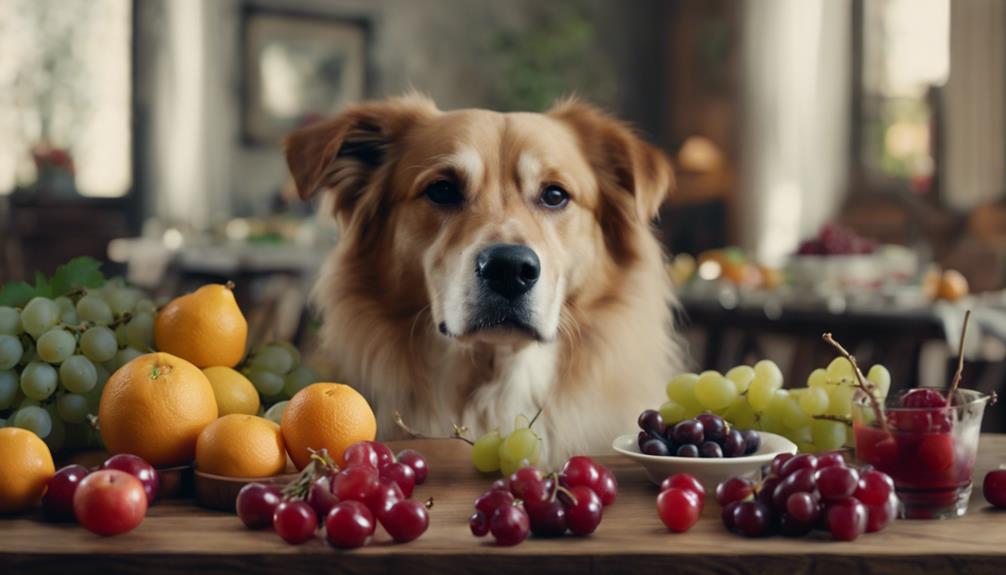
Certain fruits can harm your dog, so it's crucial to know which ones to avoid. Cherry pits, apple seeds, and peach pits contain a toxic substance that can cause cyanide poisoning. Grapes and raisins are also toxic and can lead to kidney failure, even in small amounts.
Fruits high in sugar can cause vomiting, diarrhea, and stomach upset in dogs. Feeding your dog fruits with pits, like cherries or peaches, can also cause an intestinal blockage or obstruction.
To keep your dog safe, stick to fruits that are safe for them, such as bananas, blueberries, and strawberries. Always remove seeds, pits, and stems before serving, and introduce new fruits slowly to prevent digestive upset.
Tips for Serving Fruits to Dogs
When serving fruits to your dog, follow these guidelines to ensure a safe and healthy snack. Clean and prepare the fruit thoroughly, removing seeds, pits, and peels that can be hazardous. This simple step guarantees a nutritious and enjoyable treat for your dog.
Fruit Preparation Essentials
Proper fruit preparation is crucial for your dog's safety and enjoyment. Follow these essential steps to get it right:
- Wash and clean: Remove dirt, pesticides, and bacteria by thoroughly washing the fruit.
- Remove seeds, pits, and peels: Take out seeds and pits to prevent choking hazards and toxin exposure. Peel fruits like oranges and bananas, as their skin can be difficult for dogs to digest.
- Cut or puree: Cut large fruits into bite-sized pieces or puree them to prevent choking and aid digestion.
Fruit Serving Best Practices
When serving fruit to your dog, take these precautions to ensure their safety. Wash and clean the fruit to remove dirt, pesticides, and bacteria. Peel the skin when necessary, as some fruit peels can cause digestive issues or choking hazards. Remove pits, seeds, and cores, which can be toxic or cause choking.
Cut large fruits into small, bite-sized pieces or puree/mash them to prevent choking and make them easier to digest. Frozen fruits can be a healthy snack for dogs, providing a refreshing treat on hot days or adding fiber and nutrients to their diet.
Fruits and Vegetables to Avoid
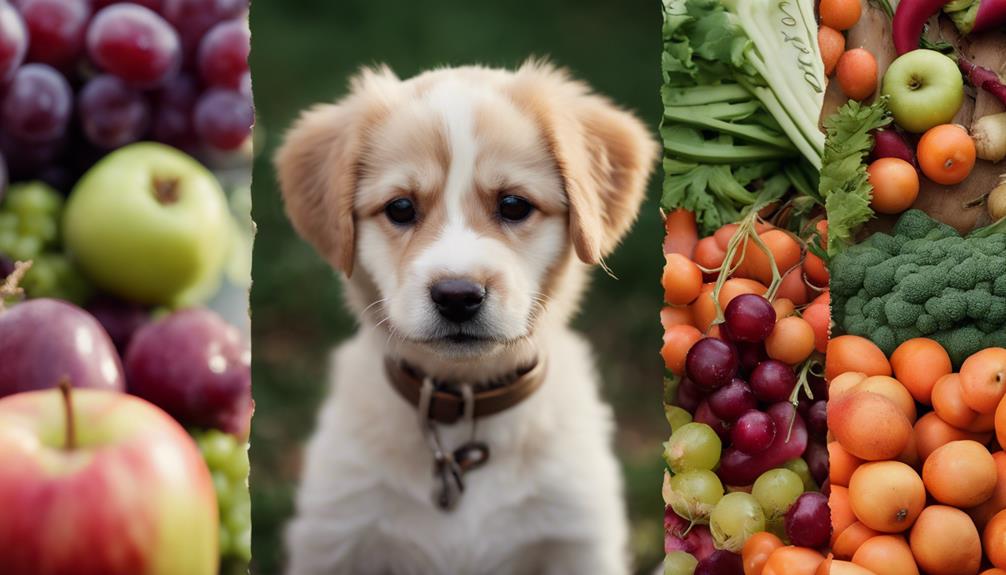
Certain fruits and vegetables can harm your dog. Some fruits are toxic and can cause serious health issues or even death if ingested. Others can cause choking hazards due to their size, shape, or texture.
Toxic Fruits List
Toxic fruits can be harmful to dogs, even in small amounts. It's crucial to know what fruits to avoid to keep your dog healthy.
- Advertisement -
Three fruits are toxic to dogs and can cause serious health problems, including sudden kidney failure:
- Grapes or Raisins: These are highly toxic and can lead to sudden kidney failure. Never feed grapes or raisins to your dog, regardless of the amount.
- Fruits with high sugar content, such as durians, jackfruits, and lychees, can cause digestive issues and other health problems in dogs due to their high sugar content.
- Fruit Seeds or Pits: Seeds or pits from fruits like apples, cherries, and apricots can cause obstruction or toxicity in dogs.
Fruits Causing Choking
Fruits can be a choking hazard to dogs if not prepared properly. Cut apples into small pieces to prevent choking. Remove pits and seeds, as they contain cyanide, a toxic compound.
Pear pits are hard and can cause obstruction. Remove them before giving pears to your dog. Citrus fruits like oranges and grapefruits have rinds and seeds that can cause choking. Remove these parts before serving.
Grapes and cherries are common choking hazards. Cut them into small chunks and remove seeds. Remove seeds or pits from fruits before serving them to your dog. Proper preparation is key to avoiding choking hazards.
General Guidelines for Feeding
Feeding your dog fruits and vegetables can be a healthy addition to their diet, but it's crucial to follow some general guidelines to ensure their safety and well-being.
First, research and only feed your dog fruits and vegetables that are safe for consumption. Some fruits, like apples and bananas, are fine, while others, like grapes and raisins, are toxic.
When introducing new fruits and vegetables, start with small amounts and monitor your dog's reaction. If they show no signs of discomfort or digestive issues, you can gradually increase the serving size.
Remember to keep fruits and vegetables in moderation. They should not make up more than 10% of your dog's daily calorie intake. Overfeeding can lead to weight gain, digestive issues, and other health problems.
Toxic Fruits to Never Feed Dogs

Toxic Fruits to Avoid Feeding Your Dog
Dogs can get into trouble by eating toxic fruits, which can cause stomach upset, diarrhea, and vomiting. As a responsible pet owner, it's crucial to know which fruits to avoid.
Citrus fruits like oranges, lemons, and limes are toxic to dogs. The oils in these fruits can cause intestinal issues, and the rind and seeds contain high amounts of cyanide. Even small amounts can be harmful, so keep them out of reach.
Avocados are also off-limits. While the fruit itself is not toxic, the pit, skin, and leaves contain a toxic compound called persin. This can cause vomiting, diarrhea, and even heart congestion in dogs.
When in doubt, it's best to err on the side of caution. Avoid feeding your dog fruits that you're unsure about. Instead, stick to safe options like bananas, blueberries, and apples. Your dog's health depends on your informed choices.
Frequently Asked Questions
What Fruit Is Okay for Dogs?
Certain fruits are safe for dogs to eat as a healthy snack. Apple slices are a great option, but be sure to remove the seeds and core. Bananas provide potassium and fiber, making them a nutritious treat. Citrus fruits like oranges can be eaten in moderation, but remove the peel and seeds first.
What Foods Are Toxic to Dogs?
Toxic foods can harm your dog. Grapes, even in small amounts, can cause kidney failure. Onions can lead to hemolytic anemia, a condition that destroys red blood cells. Chocolate can trigger seizures and heart problems. Other hazardous foods include macadamia nuts, avocados, and mushrooms.
Additionally, raw fish, foods containing xylitol, caffeine, and tomatoes can also harm your dog. It's essential to keep these foods out of your dog's reach to avoid toxicity. Remember, even small amounts can cause significant harm.
Can Dogs Eat Watermelon and Strawberries?
Dogs can eat watermelon and strawberries in moderation. These fruits provide essential vitamins and minerals, but come with some precautions. Remove watermelon seeds, as they can cause obstruction. Cut strawberries into small pieces to prevent choking hazards. Also, be aware of potential strawberry allergies. Due to high sugar content, feed these fruits in limited amounts. Before adding them to your dog's diet, consult your veterinarian.
Can Dogs Eat Pineapple?
Dogs can eat pineapple in moderation, but with some precautions. Fresh pineapple chunks are a good source of vitamins and fiber for your dog. Remove the tough skin and core to avoid choking hazards. Fresh pineapple is better than canned pineapple or pineapple juice. Introduce it gradually to prevent digestive issues. Watch for signs of pineapple allergy.
In summary
Feeding your dog fruits requires caution. Some fruits are safe, while others are toxic. To ensure a healthy diet, stick to safe options and avoid toxic fruits.
Safe fruits include bananas, apples, and blueberries. These fruits provide essential nutrients and can be a healthy addition to your dog's diet. However, always remove seeds, pits, and stems, as they can cause harm.
On the other hand, avoid grapes, raisins, and cherries, as they can be toxic to dogs. Also, be cautious with citrus fruits like oranges and lemons, as their peels and seeds can cause problems.
Remember, a balanced diet is crucial for your dog's health. Always prioritize their well-being and consult with a veterinarian if you have any doubts about what fruits to feed your dog.
- Advertisement -