
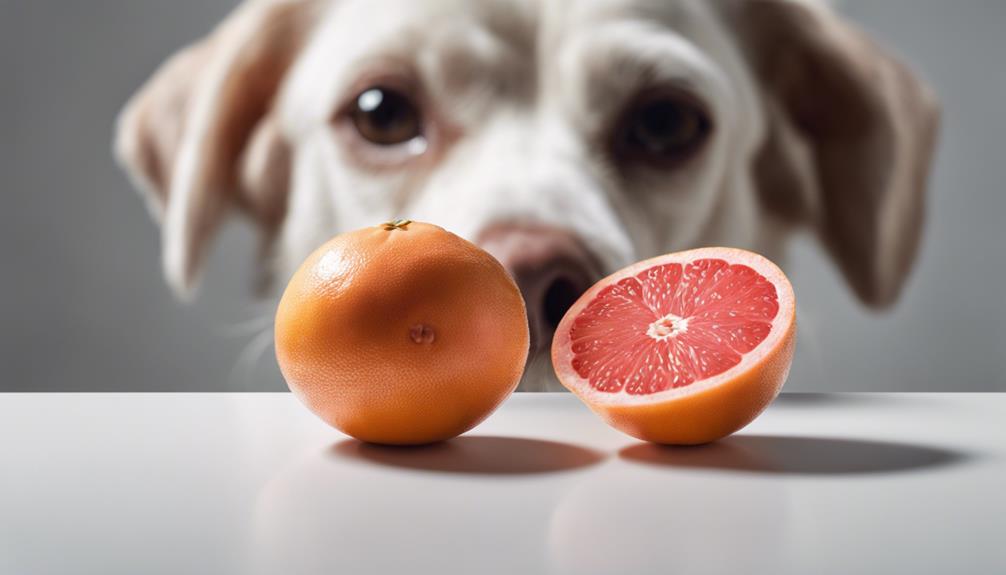
Can Dogs Eat Grapefruit
- Advertisement -
You might be wondering if grapefruit is a healthy snack for your dog, but the answer is a resounding no. Grapefruit can be toxic to dogs, causing gastrointestinal distress, vomiting, diarrhea, and even abdominal pain due to its high citric acid content. The seeds, leaves, and peels are also harmful and should be kept out of reach. If your dog ingests grapefruit, it's essential to seek immediate veterinary attention to prevent severe health complications. To guarantee your dog's safety, explore alternative treats with a veterinarian's guidance, and discover more about the dangers of grapefruit and other citrus fruits to provide the best care for your pet.
Key Takeaways
- Dogs should not eat grapefruit as it can cause gastrointestinal distress, vomiting, diarrhea, and abdominal pain due to its toxic citric acid.
- Grapefruit seeds, leaves, and peels are also harmful to dogs and should be kept out of reach to avoid severe health complications.
- If a dog ingests grapefruit, immediate veterinary attention is necessary to prevent kidney failure and other life-threatening conditions.
- Oranges, lemons, and limes can be safe alternatives to grapefruit, but only if the flesh is offered and seeds and peels are avoided.
- Introduce citrus fruits to a dog's diet in small amounts and monitor their reaction for signs of digestive upset to ensure their safety.
Grapefruit and Dog Safety
When bringing a grapefruit into your home, be aware of the potential risks to your dog's safety. While grapefruits may seem harmless, they can be toxic to dogs if ingested.
The citric acid in grapefruits can cause gastrointestinal distress, leading to symptoms like vomiting, diarrhea, and abdominal pain in dogs. If your dog eats grapefruit, monitor their behavior closely and seek immediate veterinary attention if you notice any adverse reactions.
The seeds, leaves, and peels of grapefruits can also be harmful to your pet. Before giving your dog grapefruit as a treat, consult with a veterinarian to determine safe and healthy alternatives.
Dangers of Grapefruit Peels
Grapefruit peels are a serious threat to your dog's health. If your dog ingests them, especially in large quantities or frequently, it can cause harm. The peels contain high levels of citric acid, which is toxic to dogs.
Eating grapefruit peels can lead to digestive upset, causing vomiting and diarrhea. In severe cases, the citric acid can even cause kidney failure, a life-threatening condition.
If you suspect your dog has ingested grapefruit peels, contact your veterinarian right away. They will guide you on the next steps, which may include inducing vomiting or giving activated charcoal to absorb the toxins. In severe cases, hospitalization and medical attention may be necessary.
To avoid harm, keep grapefruit peels out of your dog's reach. When preparing grapefruit for human consumption, dispose of the peels properly and clean up any scraps or residue thoroughly.
Safe Citrus Options for Dogs
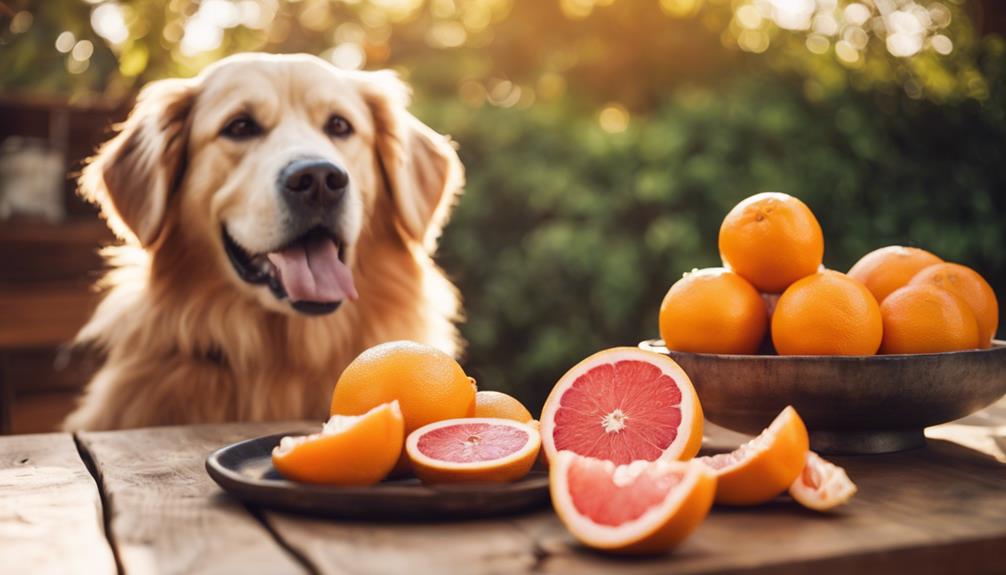
While grapefruit is toxic to dogs, other citrus fruits can be safely shared with your pet. Oranges, lemons, and limes are suitable options, but only if you follow specific guidelines.
Only offer the flesh of the citrus fruit to your dog, avoiding seeds and peels altogether. Citrus peels contain citric acid and essential oils that can cause stomach upset in dogs.
When introducing citrus to your dog's diet, start with small amounts. Monitor their reaction and watch for signs of digestive upset, such as vomiting or diarrhea. Adjust the amount of citrus accordingly. Some dogs can tolerate citrus without issues, while others may experience adverse effects.
It's crucial to observe your dog's response to citrus and adjust their diet accordingly to ensure their safety.
What to Do in an Emergency
If your dog has ingested grapefruit or shows signs of citrus toxicity, act fast. Time is crucial in minimizing severe health complications.
Call your veterinarian immediately and provide as much information as possible about the incident, including the amount of grapefruit consumed and the time frame. Your veterinarian will guide you on the next steps based on the severity of the situation.
Grapefruit can cause digestive issues in dogs due to their inability to handle high levels of citric acid. Monitor your dog's behavior closely for signs of citrus toxicity, such as vomiting, diarrhea, and lethargy.
In severe cases, grapefruit consumption can lead to kidney damage and even organ failure. Prompt veterinary attention is vital. Having pet insurance can also provide financial peace of mind in emergency situations.
- Advertisement -
Grapefruit Toxicity Risks
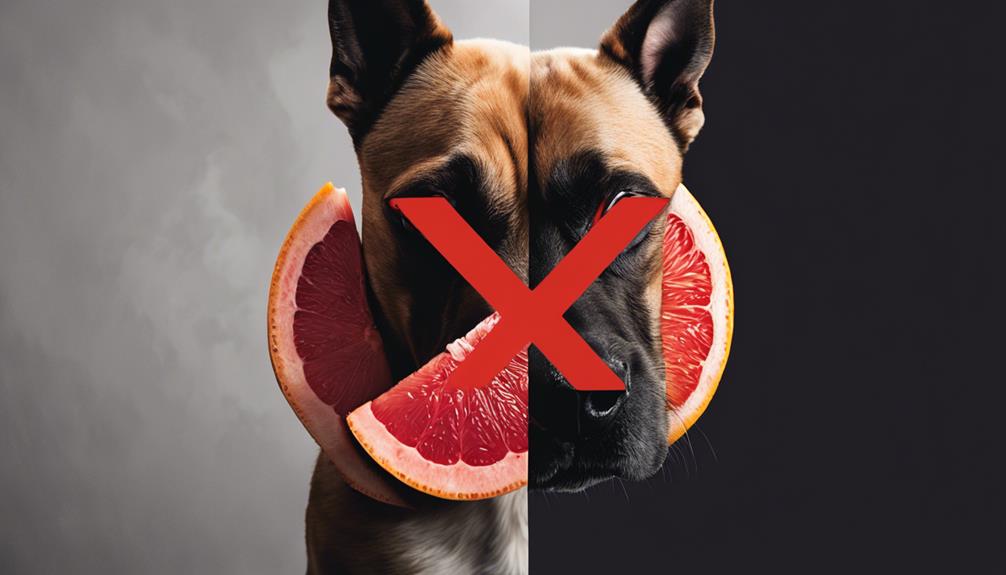
Grapefruit toxicity poses a significant threat to dogs of all breeds and sizes. If your dog ingests grapefruit, either intentionally or accidentally, it can lead to a range of health problems.
The citric acid in grapefruit causes stomach upset, diarrhea, and vomiting in dogs. The risks increase if your dog eats the fruit's flesh, as the peel, seeds, and pulp contain oils that can cause more severe symptoms, including central nervous system depression. This can lead to lethargy, confusion, and even seizures.
Smaller dogs are more susceptible to grapefruit toxicity due to their size. They're more likely to experience adverse effects from citric acid and other compounds found in grapefruit.
To keep your dog safe, it's essential to exclude grapefruit and other citrus fruits from their diet. While an occasional mistake might not be catastrophic, regular consumption can lead to chronic health issues.
Frequently Asked Questions
What Happens if My Dog Eats Grapefruit?
If your dog eats grapefruit, be aware of the potential risks. The peel is particularly hazardous to your dog's digestive system. Recognize the signs of a severe reaction: vomiting, diarrhea, and lethargy. While the level of toxicity can vary, it's always best to err on the side of caution to ensure your dog's safety and health.
If you suspect your dog has ingested grapefruit, monitor their behavior closely. If symptoms occur, contact your veterinarian immediately. In severe cases, prompt treatment can make a significant difference in your dog's recovery.
Can Dogs Eat Ruby Grapefruit?
Can Dogs Eat Ruby Grapefruit?
Ruby grapefruit is not a suitable snack for dogs. While it is a healthy fruit for humans, its benefits do not translate to canine health. In fact, it's best to avoid giving grapefruit segments to your dog altogether. Instead, opt for dog-friendly fruits and vegetables in their meals.
Ruby grapefruit juice is also not recommended for dogs. It's essential to choose healthy snacks that are safe for your pet. Stick to approved treats and fruits to ensure your dog's well-being.
Can Dogs Eat Oranges and Grapefruit?
Dogs and Citrus Fruits: What's Safe?
When it comes to feeding your dog citrus fruits, oranges and grapefruit are two popular options. While oranges can be a healthy treat in moderation, grapefruit poses significant risks. The peels, juice pulp, and oil extracts of citrus fruits contain toxins that can harm your dog. The toxins in the peel and rind are particularly concerning.
To keep your dog safe, avoid mixing different fruits, as this can worsen the risks. Instead, stick to dog-safe fruits and consult with your veterinarian for personalized advice. Remember, it's always better to err on the side of caution when introducing new foods to your dog's diet.
What Fruit Should Dogs Avoid?
Dogs should avoid certain fruits to stay safe. Specifically, keep these fruits out of reach:
- Apple seeds
- Cherry pits
- Apricot kernels
- Peach stones
- Plum stones
- Pear seeds
- Persimmon seeds
- Quince seeds
- Prune pits
These fruits contain toxic compounds that can cause serious harm or even be fatal if ingested. Knowing which fruits to avoid helps prevent accidents and keeps your dog healthy.
In summary
Dogs should not eat grapefruit due to its toxic compounds. These toxins can cause serious health problems, even in small amounts. Instead, choose dog-friendly citrus fruits to avoid harming your pet. It's always better to err on the side of caution when introducing new foods to your dog's diet.
- Advertisement -