

Bark Approved Tips to Woof Away Aggression in Dog Training
- Advertisement -
When addressing aggression in dog training, it’s essential to understand the underlying causes and motivations of aggression, as outlined by the American Veterinary Medical Association on dog bite prevention. Recognizing signs of territorial behavior, such as raised hackles or growling, is vital. By establishing a sense of calm and control, you can reduce aggression in dog training. Extensive socialization can boost confidence and minimize reactivity, thereby decreasing territorial behavior. Desensitization and counterconditioning techniques are effective in reducing fear responses. By identifying triggers and gradually exposing your dog to these stimuli, you can overcome aggression. Learn how to develop an effective treatment plan and create a calm environment for your dog to thrive in, ensuring a more successful training process.
Key Takeaways
- Recognize signs of territorial behavior, including raised hackles, growling, or stiffening, to address aggression in dog training.
- Establish a sense of calm and control through desensitization and counterconditioning techniques to reduce dog aggression.
- Socialize extensively to boost confidence and reduce reactivity, decreasing the likelihood of territorial behavior and aggression.
- Address crate guarding issues by gradual exposure, positive reinforcement, and creating a sense of security in the crate.
- Teach dogs to walk calmly on a leash, reducing reactivity and aggression, through positive reinforcement training and gradual introduction of distractions.
Understanding Aggression in Dog Training: Territorial Behavior
When you bring a new dog into your home, it’s crucial to recognize their innate territorial behavior, as this can be a significant factor in aggression in dog training. This instinct often triggers aggressive responses when a dog perceives its space is being threatened. As you socialize your dog, closely monitor for signs of territorial behavior, such as raised hackles, growling, or stiffening. Understanding the motivations behind aggression in dog training, including fear, anxiety, and protective instincts, is vital for developing an effective treatment plan for dog aggression. A study in the Journal of Veterinary Behavior discusses risk factors for dog aggression towards unfamiliar people, which can help in identifying and managing these triggers.
To reduce dog aggression, establishing a sense of calm and control is essential. One effective technique is the “disengage game,” where you calmly and firmly instruct your dog to focus on you instead of the perceived threat. This method reinforces your dog’s trust and responsiveness to your commands, even in potentially triggering situations.
Extensive socialization is also key. By exposing your dog to various environments, people, and other dogs, you can boost their confidence and reduce reactivity, which in turn decreases the likelihood of territorial aggression. Early recognition and intervention in territorial behavior can significantly improve your dog’s overall well-being and behavior. By understanding these signs and taking proactive steps, you can help your dog feel more secure and minimize the risk of aggression in dog training.
Addressing Crate Guarding Issues
Addressing aggression in dog training, especially concerning crate guarding, requires identifying the triggers that cause your dog’s aggressive reactions and teaching alternative behaviors. Understanding what drives this guarding behavior is crucial for developing a targeted training plan, which should start with the basics of crate training every dog owner should know to make your dog feel more comfortable around their crate.
Gradual exposure and positive reinforcement are essential components in promoting a safe and calm environment. Focus on gradually exposing your dog to the crate, starting from a distance and slowly decreasing the gap. Reward calm behavior with treats and praise, ensuring your dog associates the crate with positive experiences.
Avoid sudden movements or loud noises that may trigger aggression in dog training. Instead, move calmly and speak in a gentle voice. By following these steps, you can help your dog overcome crate-guarding issues and create a more peaceful environment.
Crate Guarding Triggers
Crate guarding is a common issue where dogs become aggressive when someone approaches their crate. This behavior is often triggered by resource guarding, where dogs feel the need to protect their food, toys, or treats inside the crate. When you approach, they feel threatened and become defensive. To reduce anxiety and possessiveness, establish a routine and create a sense of security using calming techniques. Comforting scents and toys in the crate can also create a soothing environment, which is one of the 7 proven methods to calm anxious dogs in crates.
Another trigger is the sense of security and comfort the crate provides, making dogs feel the need to defend their “den.” Additionally, dogs experiencing anxiety or fear may become more possessive and aggressive when you approach their crate. Understanding these triggers is the first step in addressing crate-guarding issues and reducing aggression problems.
Training Alternative Behaviors for Aggression in Dog Training
To address aggression in dog training, particularly when it comes to crate guarding behavior, it’s essential to teach your dog alternative behaviors that promote calmness and confidence in their crate. This process, known as behavior modification, focuses on replacing aggressive responses with desired, positive behaviors. Research published in Applied Animal Behaviour Science examines how different training methods impact the occurrence of behavior problems, including aggression, which is crucial for understanding effective training techniques.
Start by selecting a marker word, such as “yes” or “click,” to indicate precisely when your dog exhibits the desired behavior. This could be as simple as looking away from the crate or taking a step back. Immediately reward your dog with a treat and praise to reinforce the behavior. As your dog gains confidence, gradually increase the duration and complexity of these behaviors.
It’s crucial to work at your dog’s pace and never force them into uncomfortable situations. With patience and consistency, you can help your dog learn new responses to crate-guarding triggers, effectively replacing aggression with calmness.
Teaching these alternative behaviors not only addresses aggression in dog training but also strengthens the bond between you and your dog. By creating a safe space for your dog, you reduce anxiety, promote good behavior, and support other aspects of training, such as potty training and obedience.
Desensitization and Counterconditioning
To effectively address aggression in dog training, it is crucial to reduce your dog’s fear response. Desensitization and counterconditioning techniques are proven methods that can help achieve this goal. These behavioral strategies involve gradual exposure to stimuli that trigger aggression or fear in your dog. The objective is to recondition their emotional response, leading to calmer, more controlled behavior.
Desensitization in aggression dog training involves gradually increasing your dog’s exposure to the feared stimulus. Begin with small, manageable steps, such as brief exposure from a safe distance, ensuring your dog remains comfortable. Over time, gradually increase both the duration and proximity of the stimulus to help your dog build tolerance.
Counterconditioning, on the other hand, focuses on associating the feared stimulus with a positive experience. For example, offering treats or praise when your dog remains calm in the presence of the stimulus can be highly effective. This approach helps your dog associate the stimulus with positive outcomes, thereby reducing their fear and aggression responses. Techniques such as clicker training and positive reinforcement are often used to enhance the effectiveness of these methods.
Reducing Fear Response
Reducing your dog’s fear response starts with identifying what triggers their fear or anxiety. Once you know what triggers the fear response, you can develop a plan to address it. For example, if your dog is aggressive towards strangers, identify the specific cues that trigger this behavior, such as the person’s appearance, voice, or proximity.
To address fear response, it’s crucial to understand dog behavior and modification techniques. Consistency and patience are key to successful correction. Observe your dog’s behavior, identify patterns, and understand the emotional and environmental factors that influence their actions.
Recognizing your dog’s emotional response is vital in reducing fear response. When your dog exhibits fear or anxiety, their body releases stress hormones, which can intensify the fear response. Look out for physical cues like panting, yawning, or avoidance, and intervene early to prevent the situation from escalating.
Desensitization and counterconditioning are effective techniques to reduce fear responses. Gradually expose your dog to the stimuli that trigger fear in a controlled and gentle manner. This helps them associate the stimuli with positive outcomes, rather than fear. Be patient, and consistent, and understand your dog’s emotional response to achieve success.
Gradual Exposure Techniques
Gradual exposure is a crucial technique for helping your dog overcome fear responses and develop confidence. To apply this technique, identify what triggers your dog’s barking or aggressive behavior. Then, create a hierarchy of stimuli, ranging from least to most intense. Start by exposing your dog to the least intense stimulus, and reward calm behavior. Gradually increase the intensity over time.
Monitor your dog’s body language for signs of stress or anxiety, such as avoidance or lack of eye contact. If you notice these signs, slow down the exposure process or take a step back. This will help your dog build confidence and develop a more positive association with the stimulus.
Positive reinforcement training can also help address behavior problems. Reward your dog for calm behavior, and avoid reinforcing aggressive behavior. With patience and consistency, you can help your dog overcome aggression and become a more well-adjusted companion.
Remember to observe your dog’s body language and adjust the exposure process accordingly. By doing so, you’ll help your dog overcome fear responses and develop confidence.
Preventing Territorial Behavior
Aggression in dog training is a significant challenge, particularly when it stems from territorial behavior. However, with the right approach, this issue can be effectively managed. Understanding the underlying causes of aggression in dog training, such as fear, anxiety, and the instinct to protect, is crucial for prevention. According to the Journal of the American Veterinary Medical Association, breed differences can significantly influence aggression, highlighting the importance of tailored training approaches.
Socialization plays a vital role in mitigating territorial aggression. By exposing your dog to a variety of environments, people, and other animals—especially during the critical puppy socialization period between 8 and 18 weeks—you can foster a calm and confident demeanor. Watching dog training videos that focus on socialization techniques can provide valuable insights.
When you notice territorial aggression in your dog, it’s important to intervene promptly and consistently. Avoid scolding or punishment, as these responses can exacerbate the issue. Instead, guide your dog away from the perceived threat with calm assertiveness by implementing calming strategies to curb dog aggression. Reward calm behavior and gradually increase your dog’s exposure to the stimuli that trigger territorial aggression, using positive reinforcement techniques to build trust and reduce anxiety.
- Advertisement -
Managing Aggression in Dog Training
Effectively managing aggression in dog training requires a structured approach. Socialization plays a crucial role in a dog’s emotional and psychological development, significantly reducing the likelihood of behavioral problems. Incorporating positive reinforcement training can greatly improve your dog’s interactions with both people and other animals, helping to mitigate aggressive tendencies.
Aggression in dog training is a common issue, but it can be successfully addressed. The ASPCA offers comprehensive strategies for managing aggression in dogs, which provide valuable insights for trainers and owners alike. Techniques such as desensitization and counterconditioning are particularly effective. Gradually expose your dog to other dogs in a controlled environment, pairing their presence with positive experiences. This approach teaches your dog to calmly coexist with others, reducing instances of aggression.
Early socialization and habituation are essential for preventing unwanted behaviors. Ensure your dog is properly socialized with other dogs from an early age to avoid aggression later on. If you’re unsure how to proceed, consulting a professional trainer or veterinarian is highly recommended.
Understanding and managing distance and body language is also vital in aggression training. Pay close attention to your dog’s body language and cut-off signals, maintaining a safe distance to prevent any aggressive incidents. Recognize early signs of aggression, such as raised hackles, growling, or stiffening, and intervene promptly to maintain control.
Desensitization Techniques for Reactivity
Desensitization techniques are an effective way to address reactivity in dogs. Desensitization is a process that helps your dog become less reactive to stimuli that trigger aggression or fear. This is achieved by teaching your dog to remain calm in the presence of these stimuli, reducing reactivity over time.
To start, identify the stimuli that trigger your dog’s reactivity, such as other dogs, people, or noises. Then, expose your dog to the stimulus at a low intensity, from a distance, or for a short duration. Reward your dog with treats and praise for remaining calm. Gradually increase the intensity, proximity, or duration of the stimulus over time, always rewarding calm behavior.
Desensitization can be used in conjunction with counterconditioning to overcome phobias or fears. Understanding habituation and extinction is also crucial for effective behavior modification.
As your dog becomes desensitized, they will learn to associate the stimulus with a positive emotional response. For example, if your dog is reactive to other dogs, desensitization can help them learn to remain calm and even wag their tail when they see another dog.
Teach your dog to focus on you instead of the stimulus, and they will learn to trust you to keep them safe. With patience and consistency, desensitization can be a powerful tool in reducing your dog’s reactivity and promoting a more peaceful coexistence.
Practical Exercises for Leash Training
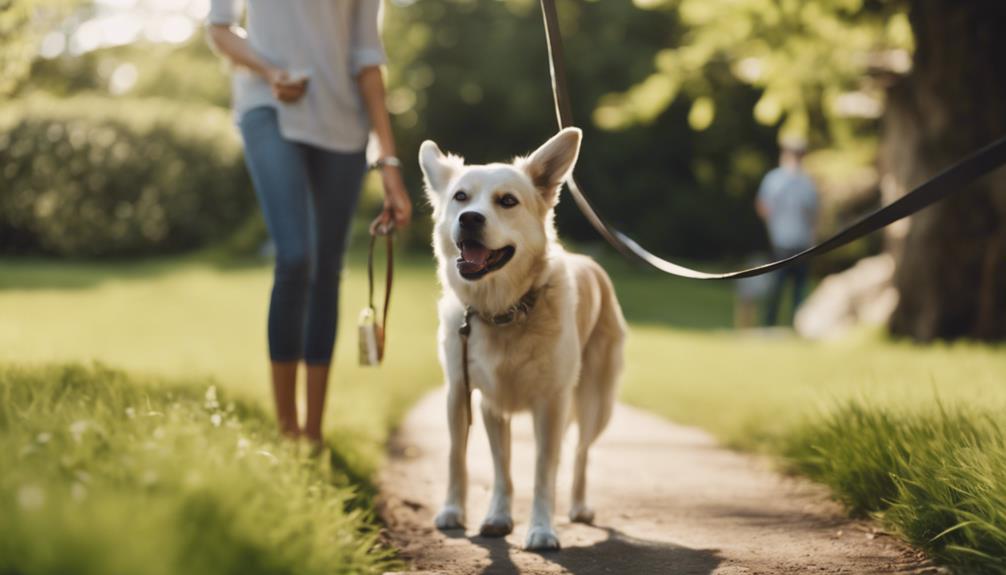
Leash training is crucial for addressing reactivity in dogs. By teaching your dog to walk calmly on a leash, you can reduce the likelihood of reactive outbursts and create a more enjoyable walking experience.
Before starting, ensure your dog is comfortable wearing a harness and leash in a controlled environment, such as a quiet room or enclosed area. This helps reduce anxiety and creates a sense of security.
Consistency is key in positive reinforcement training. Use a mix of rewards, including food, praise, and toys, to keep your dog engaged and motivated. Focus on what you want your dog to do, rather than what you want them to stop doing. Consistently rewarding good behavior creates a clear understanding of what’s expected.
To leash train your dog effectively, follow these three essential steps:
- Keep sessions short: Limit training sessions to 5-10 minutes to prevent frustration and maintain focus.
- Use positive reinforcement: Reward good behavior, such as walking beside you without pulling, with treats and praise. Avoid punishing or scolding your dog for misbehaving.
- Gradually introduce distractions: Introduce distractions, such as other people, dogs, and noises, to help your dog generalize their leash training and respond calmly in various situations.
As you progress, consider using a head halter or no-pull harness to help control pulling and make walks more enjoyable. Prioritize your dog’s comfort and safety, and be patient with their learning process. With consistent practice and positive reinforcement, your dog will learn to walk calmly on a leash, reducing the likelihood of reactive outbursts.
Overcoming Leash Reactivity Challenges
Overcoming leash reactivity requires understanding and addressing the underlying triggers. Identify what causes your dog’s behavior, whether it’s other dogs, people, or specific sounds. Once you’ve pinpointed the triggers, develop a plan to desensitize your dog to these stimuli.
Start by exposing your dog to the trigger at a safe distance. Reward them with treats and praise when they remain calm. Gradually increase the proximity of the trigger over time, always rewarding good behavior. Maintain a calm and assertive demeanor, as your dog takes cues from you. If your dog reacts, calmly say “Let’s go” and guide them away from the trigger, then try again from a safe distance.
Recognizing the motivations behind dog aggression, such as fear or anxiety, is crucial in developing a treatment plan that addresses your dog’s specific needs. Understanding dog aggression is key to overcoming leash reactivity.
Turn every walk into a training session. Be mindful of your surroundings and prepare your dog for potential triggers by giving them a treat and praise. With time and consistency, your dog will associate the presence of people, dogs, and other stimuli with positive experiences, reducing leash reactivity.
Frequently Asked Questions
How Do You Train a Dog to Stop Barking Aggressive?
To train a dog to stop barking aggressively, identify the triggers that cause the barking. Once you know what triggers the barking, you can address the underlying fear factors. Teach your dog a calm response, such as sitting, to replace the barking. Redirect their energy by introducing a “quiet” command. Consistency and patience are crucial in helping your dog unlearn aggressive barking and adopt new, calm behaviors.
Use positive reinforcement techniques to encourage good behavior. When your dog remains calm in the presence of a trigger, reward them with treats and praise. Over time, your dog will learn to associate the trigger with a calm response rather than barking.
How to Train Aggression Out of a Dog?
To train aggression out of a dog, focus on calm energy and a gentle approach. Socialization is crucial, as it helps your dog feel comfortable around others. Desensitization is also key, where you gradually expose your dog to triggers that normally cause aggression. Start with small exposures and gradually increase the intensity, rewarding calm behavior. Consistency and patience are essential, as this process takes time.
How to Discipline an Aggressive Dog?
To discipline an aggressive dog, identify the underlying causes, such as fear or breed tendencies, to develop an effective strategy. Channel the dog’s energy positively with redirected energy and socialization techniques. Approach the situation calmly and assertively, avoiding punishment that can worsen the issue. Understanding the root cause and using positive reinforcement helps the dog overcome aggression and become well-behaved.
What Is a Good Command for a Dog to Stop Barking?
To teach your dog to stop barking, use a clear and firm command. “Quiet” or “Enough” works well, as they’re easy for dogs to recognize. Consistency is key, so choose a command and stick to it. When you give the command, hold a treat in front of your dog’s nose to distract them from the stimulus causing them to bark. When they stop barking, give them the treat and praise them. Repeat this process until your dog learns the command. With time and practice, your dog will respond to the command, reducing excessive barking. Remember to reward good behavior and be patient, as it may take some time for your dog to adjust.
In summary
To effectively manage aggression in dog training, it’s vital to remember that patience, consistency, and positive reinforcement are key. Tackling aggression in dog training requires a gentle, step-by-step approach that prioritizes your dog’s well-being. This process demands time and dedication, but with perseverance, you can transform your dog into a calm and well-behaved companion.
When addressing aggression, it’s essential to steer clear of confrontations or punishments, as these can intensify the issue. Instead, focus on rewarding good behavior and disregarding undesirable actions. This technique fosters trust and encourages a positive response to training.
Remember, every dog is unique, and what succeeds for one may not work for another. Be patient and flexible, adjusting your methods as necessary. With consistent effort and the right strategies, you can help your dog overcome aggression and become a well-behaved and loyal companion.
- Advertisement -