

Avoiding Harmful Dog Ingredients
- Advertisement -
When selecting a dog food, it’s vital to be aware of the numerous harmful dog ingredients that can compromise your pet’s health. Artificial preservatives like BHA and BHT, commonly used in dog food, have been linked to cancer and liver damage. Meat meal and fillers like corn, wheat, and soy can also cause harm, as they offer little to no nutritional value and may lead to digestive problems. To guarantee your dog’s safety, look for specific ingredient names, whole grains, and natural preservatives on the label. The AKC offers a comprehensive guide to choosing the best dog food. As you consider the best options for your pet, there’s more to explore regarding ingredients, labels, and healthy alternatives.
Key Takeaways
- Avoid artificial preservatives like BHA, BHT, and ethoxyquin, which can damage a dog’s liver or kidneys and cause cancer.
- Steer clear of low-quality ingredients like meat meal, fillers, and by-products that offer no nutritional value and may cause digestive problems.
- Keep toxic foods like chocolate, grapes, raisins, onions, garlic, and xylitol away from your dog to prevent health issues.
- Choose dog foods with whole ingredients and specific protein sources, and avoid vague terms like ‘meat’ or ‘by-products’ on labels.
Artificial Preservatives to Avoid
When choosing the right food for your dog, it’s crucial to avoid artificial preservatives. These can harm your pet’s health and cause issues like allergies and digestive problems. As a responsible pet owner, you want to ensure your furry friend gets the best nutrition possible. Unfortunately, many pet food brands use artificial preservatives that can be harmful.
Artificial preservatives are added to dog food to extend shelf life and prevent spoilage. However, these chemicals can negatively impact your dog’s health. Some common artificial preservatives to avoid are BHA, BHT, and ethoxyquin. These have been linked to health problems such as cancer, liver disease, and skin issues.
When shopping for dog food, always read the ingredient label carefully. Look for natural preservatives like vitamin E or tocopherols, which are safer alternatives. For more information on pet food labels and ingredients, you can consult the FDA’s official guidelines. You can also choose brands that use natural ingredients and avoid artificial preservatives altogether. Remember, a healthy diet is key to your dog’s overall well-being. By avoiding artificial preservatives and opting for natural ingredients, you help ensure your dog lives a long and healthy life. Always make informed decisions about your dog’s diet to prioritize their health.
Harmful Ingredients in Dog Food
When choosing dog food, it’s crucial to avoid harmful dog ingredients that can affect your pet’s health. Some dog food manufacturers include ingredients that can be bad for your dog’s well-being. As a responsible pet owner, you want to ensure your dog gets the best nutrition possible.
Watch out for artificial preservatives like BHA, ethoxyquin, nitrates/nitrites, and propyl gallate. These chemicals can damage your dog’s liver or kidneys and even increase cancer risk. Meat meal is another low-quality ingredient that can contain toxins and harmful microorganisms.
Fillers like corn, wheat, and soy offer no nutritional value and may cause digestive problems. Tufts University provides insights on why certain ingredients may not be as beneficial as they seem. High sodium content in dog food can lead to dehydration and health issues like kidney disease and heart problems. Meat and bone meal often contain poor-quality ingredients, such as rendered meat and dead animals, which can be harmful.
Also, avoid sugar and corn syrup, as they can cause obesity, diabetes, and other health issues. Instead, look for natural sweeteners and ingredients.
Unhealthy Fats and Preservatives
When looking into dog food ingredients, it’s crucial to know the risks of unhealthy fats and preservatives.
Pay close attention to rendered fats and oils. These can lead to harmful bacteria and mold, which might cause digestive issues for your dog.
Also, watch out for propylene glycol. This is a type of mineral oil that can cause allergic reactions and skin problems in dogs.
Rendered Fats and Oils
Rendered fats and oils are often found in many commercial dog foods, but they can be harmful to your dog’s health. These ingredients are usually low quality and may carry toxins and microorganisms.
When you see ‘rendered fats and oils’ on a dog food label, it’s essential to understand what that means. They’re often made from diseased animals or animal parts, which can pose health risks for your dog.
These fats and oils can be contaminated with pollutants like PCBs, dioxins, and heavy metals. For a detailed breakdown of reading pet food labels and avoiding harmful ingredients, refer to AAFCO’s guide. Over time, these contaminants can build up in your dog’s body. Consuming rendered fats and oils can lead to digestive problems, skin issues, and other health concerns.
Some manufacturers use rendered fats and oils because they’re cheaper than named animal fats and oils. However, these low-quality ingredients can encourage the growth of harmful bacteria and mold. Preservatives like BHA, BHT, and ethoxyquin are often used in rendered fats and oils, and they’ve been linked to cancer, liver damage, and other health problems in dogs.
As a responsible dog owner, it’s better to choose dog foods with named animal fats, like chicken fat or salmon oil. These are generally safer and more nutritious for your furry friend.
Propylene Glycol Risks
You probably know the risks of rendered fats and oils in dog food, but there’s another ingredient to watch out for propylene glycol. This synthetic compound is often added to dog food to prevent harmful microorganisms and keep moisture levels stable.
However, in large amounts, propylene glycol can be toxic to dogs. It can cause vomiting, diarrhea, and even liver damage. Some dogs may also experience allergic reactions or skin problems.
When checking dog food labels, look out for propylene glycol. It might also be listed as 1,2-propanediol or propane-1,2-diol.
If you’re worried about its potential risks, consider switching to a dog food that uses natural preservatives. Always talk to your veterinarian before changing your dog’s diet.
Being informed can help you protect your dog’s health. Remember, a healthy dog is a happy dog, and it’s your job to provide the best care.
Fillers and By-Products to Avoid
When choosing dog food, it’s crucial to avoid fillers and by-products. These ingredients offer little to no nutritional value and can pose health risks to your pet.
Common fillers like corn, wheat, and soy add bulk but can cause digestive issues and allergic reactions in dogs. By-products, such as meat and bone meal, often contain low-quality ingredients. These can include scraps from rendering plants that may be contaminated with toxins and microorganisms.
Meat meal is also problematic because it’s made from rendered meat, which can be unhealthy. It’s important to avoid generic by-products, which are typically of low quality. While named by-products, like chicken by-products, are considered slightly better, they can still be problematic.
For the best nutrition, choose whole ingredients like chicken and sweet potatoes. Specific fillers to watch out for include brewer’s rice and powdered cellulose. Brewer’s rice is a low-quality carbohydrate that can lead to weight gain and insulin resistance.
Powdered cellulose, made from wood pulp, offers no nutritional benefits and can cause digestive problems. Wheat gluten is another ingredient to avoid, especially if your dog has gluten sensitivities or allergies.
Understanding Pet Food Labels
Understanding how to read pet food labels is crucial for making informed choices about your dog’s diet. Pet food labels can be confusing due to complex regulations and terminology. As a responsible dog owner, you want to ensure your pet gets the necessary nutrients.
Start by examining the ingredient list. The first ingredient is the most abundant, while the following ingredients are listed in descending order by quantity. Avoid vague terms like ‘meat’ or ‘by-products,’ and look for specific ingredient names instead.
Look for whole grains such as brown rice, oats, and barley. These provide essential fiber and nutrients. Avoid fillers like corn and wheat, which offer little nutritional value. Watch out for artificial preservatives such as BHA, BHT, and ethoxyquin, which may increase cancer risk.
Verify the food meets your dog’s nutritional needs by checking for a statement from the Association of American Feed Control Officials (AAFCO) or the National Research Council (NRC). This ensures the food meets minimum nutritional standards for your dog’s life stage.
Choosing the Best Food Options
Choosing the best food for your dog means paying attention to their unique needs like age, size, breed, and health conditions. You want to ensure your furry friend gets the nutrients they need to thrive.
When picking dog food, look for specific protein sources like chicken, beef, or fish. These proteins provide essential amino acids for muscle growth and maintenance. Avoid dog foods that list vague terms like ‘meat’ or ‘by-products,’ as these can be low-quality and may cause food sensitivities.
Whole grains such as brown rice, oats, and barley are important. They provide fiber and nutrients that support overall health.
Antioxidants like vitamin E, beta-carotene, and omega-3 fatty acids can help reduce oxidative stress and inflammation, making them good additions to your dog’s diet. Probiotics, like Lactobacillus acidophilus and Bifidobacterium bifidum, support digestive health and the immune system, so look for these in dog food too.
Always read the labels carefully to spot unwanted ingredients like artificial preservatives, colors, and added sugars. Consulting your veterinarian can help you make informed decisions about your dog’s diet.
A high-quality dog food that meets your dog’s specific needs can prevent health problems and help them live a happy, healthy life. For international standards on selecting the best pet food, check out WSAVA’s guide. Avoid harmful dog ingredients and always prioritize your pet’s well-being.
Toxic Foods to Keep Away
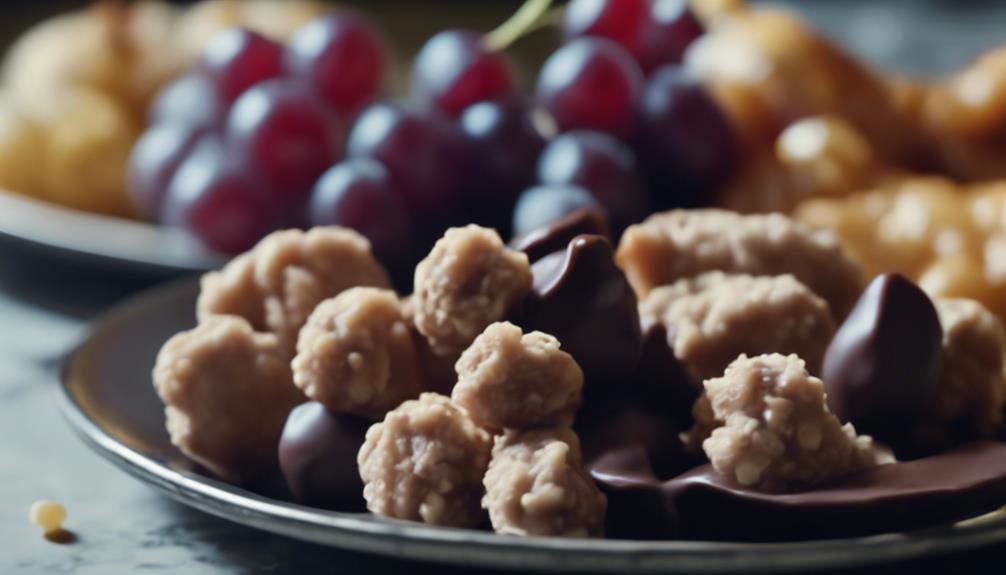
When it comes to feeding your dog, knowing which foods to avoid is crucial.
Some common foods can be toxic to dogs, and understanding why they’re harmful helps you protect your pet.
By recognizing these dangers, you can keep your dog safe and healthy.
For example, chocolate contains theobromine, which dogs can’t metabolize effectively.
- Advertisement -
Grapes and raisins can cause kidney failure, while onions and garlic can damage red blood cells.
Xylitol, a common sweetener, can lead to rapid insulin release and liver failure.
Alcohol and caffeine are also harmful, affecting a dog’s nervous system and heart.
Keep these foods out of your dog’s reach.
If you’re ever unsure about a particular food, it’s best to consult your veterinarian.
Your dog’s health depends on your knowledge and vigilance.
Harmful Dog Ingredients to Avoid
When choosing dog food, it’s essential to avoid ingredients that can harm your pet. Toxic preservatives, fillers, and low-quality additives can have serious health consequences. Responsible pet owners should know which harmful dog ingredients to avoid.
Some of the worst ingredients to avoid include BHA, ethoxyquin, nitrates/nitrites, and propyl gallate. These chemicals can damage the liver or kidneys, cause cancer, and even lead to death.
Artificial preservatives like BHA, BHT, and ethoxyquin increase the risk of cancer and should be avoided. Fillers and by-products like corn, wheat, and soy offer no nutritional value and can cause digestive problems.
High levels of sodium, sugar, and corn syrup can lead to dehydration, obesity, and diabetes. Meat and bone meal often contain low-quality ingredients that can harm your dog’s health.
Common Toxic Food Sources
Now that you know what harmful dog ingredients to avoid in dog food, it’s also crucial to be aware of toxic foods that could accidentally poison your pet. These foods contain harmful substances that can cause anything from mild discomfort to serious health issues.
- Chocolate: It contains theobromine, which is toxic to dogs. Even small amounts can cause vomiting, diarrhea, and an increased heart rate.
- Onions and Garlic: These belong to the Allium family and contain a compound that can damage a dog’s red blood cells, leading to anemia.
- Xylitol: Found in sugar-free gum, candy, and baked goods, this natural sugar substitute can cause a rapid drop in blood sugar and even liver failure in dogs.
Keep these foods out of reach to ensure your dog’s safety and well-being.
Poisonous Foods for Dogs
Certain foods are toxic to dogs and can cause serious health problems, even in small amounts. It’s crucial to keep these foods out of your dog’s reach.
For example, grapes and raisins can lead to kidney failure in dogs, so never let your dog eat them. Onions and garlic, which are part of the Allium family, contain a compound that can harm a dog’s red blood cells, causing anemia. Cooking or processing these foods doesn’t make them safe, so always keep them away from your dog.
Xylitol, a sugar substitute found in sugar-free gum, candy, and baked goods, is another dangerous substance for dogs. It can cause a rapid drop in blood sugar and even liver failure. Ensure these products are stored where your dog can’t access them.
When it comes to your dog’s health, it’s better to be safe than sorry. Knowing which foods to avoid can help you prevent serious health issues and keep your pet safe. By being mindful of these toxic foods and taking steps to keep them out of your dog’s reach, you can help ensure a happy and healthy life for your furry friend.
Natural Alternatives for Healthy Dogs
Many dog owners don’t realize that commercial dog foods often contain artificial preservatives and fillers that can harm their pets.
Switching to natural alternatives can greatly improve your dog’s health.
1. Choose Natural Preservatives: Look for dog foods that use natural preservatives like vitamin E and rosemary extract. Avoid artificial preservatives such as BHA, BHT, and ethoxyquin.
Natural preservatives are safer and still help extend the shelf life of dog food.
2. Opt for Whole Ingredients: Whole ingredients like chicken, sweet potatoes, and green beans provide essential nutrients and fiber.
They’re healthier than fillers like corn and wheat. Check the ingredient list and choose foods with whole ingredients listed first.
3. Add Omega-3 Fatty Acids: Omega-3 fatty acids from sources like fish oil and flaxseed support your dog’s skin and coat health.
They can reduce the risk of allergies and skin problems. You can add a supplement to their diet or choose dog food that includes these fatty acids.
Frequently Asked Questions
What Ingredients Should I Avoid When Buying Dog Food?
When choosing dog food, it’s important to remember that dogs have different dietary needs than humans.
To make sure your dog gets a balanced and nutritious diet, follow pet food regulations and guidelines.
Avoid dog foods with high sodium content, sugar, and fillers like wheat, corn, and soy.
Instead, look for foods with named protein sources and whole ingredients that support your dog’s health.
What Food Ingredients Are Toxic to Dogs?
You might’ve heard about Max, a dog who ate a chocolate cake and ended up at the vet with severe vomiting and diarrhea.
As a responsible dog owner, it’s important to know which food ingredients are toxic to dogs.
For example, onions contain a compound that can damage a dog’s red blood cells.
Grapes and raisins are even more dangerous, as they can cause kidney failure.
Chocolate is another big no-no because it has theobromine, a toxic compound that can lead to serious health issues.
Knowing these risks can help you keep your dog safe and healthy.
What Ingredient Should Not Be in Dog Treats?
When choosing dog treats, avoid ingredients that can harm your pet. Look for safe preservatives like vitamin E or tocopherols. These are natural and non-toxic.
Instead of artificial preservatives, consider treats that are dehydrated or freeze-dried to stay fresh. Always check the ingredient list.
Choose treats with wholesome ingredients that add nutritional value. By making smart choices, you can ensure your dog’s treats are both tasty and safe.
What Seasoning Does Not Harm Dogs?
To add flavor to your dog’s meals, stick to safe seasonings. Some dog-friendly spices and herbs include turmeric, ginger, parsley, basil, and cinnamon.
These natural ingredients not only make food tastier but also offer health benefits. For example, turmeric contains curcumin, which helps with inflammation. Ginger aids digestion.
In summary
To keep your dog healthy and happy, it’s crucial to avoid harmful dog ingredients like artificial additives, unhealthy fats, and fillers in their food. Understanding the impact of these harmful dog ingredients on your pet’s health can help you make better choices.
Making smart choices about what your dog eats can greatly improve their overall well-being. When you opt for nutrient-rich and natural options, you not only prevent serious health problems but also ensure a longer, more vibrant life for your pet.
As a responsible dog owner, you have the power to significantly enhance your dog’s quality of life by steering clear of harmful dog ingredients and focusing on wholesome, beneficial food selections.
- Advertisement -