

Impact of Chewing Habits on Dog Teeth
- Advertisement -
As a dog owner, you're likely aware that your puppy's constant chewing can be both frustrating and concerning, especially when it comes to the impact on their teeth. Chewing habits can either benefit or harm your dog's dental health, depending on the types of objects they're chewing on. While chewing can help stimulate saliva production and reduce anxiety, it can also lead to broken teeth, periodontal disease, and gastrointestinal blockages if your dog is chewing on hard objects like bones or antlers. By understanding the reasons behind your puppy's chewing habits and providing suitable chew options, you can redirect this natural behavior towards a healthy outlet and maintain their dental health; learn more about how to manage your dog's chewing habits effectively.
Key Takeaways
- Chewing habits can lead to dental problems, including broken teeth and periodontal disease, if hard objects are provided.
- Suitable chew options, like dental chews and toys, can redirect natural behavior and prevent teeth damage.
- Chewing on hard objects can cause teeth breakage, while chewing on appropriate materials can strengthen teeth and jaws.
- Regular chewing stimulates saliva production, essential for oral hygiene and digestion, and can improve behavioral health.
- Monitoring dental health closely and establishing good oral hygiene habits from an early age are crucial to prevent dental problems.
Teething in Puppies Explained
Teething is a normal part of a puppy's development. Puppies are born without teeth, but their baby teeth start coming in between three to four weeks old. By six weeks, they have a full set of 28 baby teeth, including incisors, canines, and premolars. These teeth are pointed and sharp.
Between four to six months, these baby teeth are replaced by 42 adult teeth. This process, called teething, can be uncomfortable for puppies. To alleviate the discomfort, they chew on objects, people, and furniture within their reach. This behavior is normal and necessary for their development.
Some breeds, like retrievers, are more prone to chewing due to their breed characteristics. Teething is an essential way for puppies to explore and learn about their environment. By understanding the teething process, you can provide your puppy with the necessary support and guidance during this critical period.
Why Puppies Chew So Much
Puppies chew excessively due to two main reasons: teething pain relief and an innate instinct to chew. Teething can be painful, and chewing helps alleviate this discomfort. Additionally, puppies have an instinctual need to chew, inherited from their wild ancestors who used chewing to explore and learn about their environment.
Understanding these reasons is crucial to managing your puppy's chewing habits and maintaining their dental health. By recognizing the underlying causes, you can take steps to redirect their chewing behavior and provide them with suitable alternatives, such as chew toys and treats.
Teething Pain Relief
Teething Pain Relief for Puppies
During teething, puppies experience discomfort and irritation as their teeth erupt and shift. Providing relief is crucial for their well-being.
To alleviate teething pain, offer your puppy teething toys and chews designed to soothe sore gums. You can also try freezing a wet washcloth or rubber toy to create a cooling sensation that numbs the pain. Gentle gum massages with your finger can also provide relief.
Regularly inspect your puppy's mouth for signs of dental issues, such as redness, swelling, or loose teeth. If you notice any unusual symptoms, consult your veterinarian for professional advice. Proactive teething pain management sets your puppy up for a lifetime of good dental health.
Chewing Is Instinctual
Chewing is an instinctual behavior for dogs. In the wild, dogs use their teeth to explore, hunt, and scavenge for food. This natural behavior helps puppies develop their jaw muscles and satisfies their curiosity. Chewing also calms them, releasing tension and anxiety.
Puppies chew because they don't have hands to manipulate objects, so their mouths become an extension of their curiosity. As a responsible dog owner, you must provide your puppy with appropriate outlets for this natural behavior, such as chew toys and treats. This redirects their energy and saves your belongings from destruction.
Understanding the instinctual nature of chewing helps you manage this behavior and keep your puppy's teeth healthy and strong. By providing the right outlets, you can satisfy their natural urge to chew and prevent unwanted behavior.
Dental Problems in Young Dogs
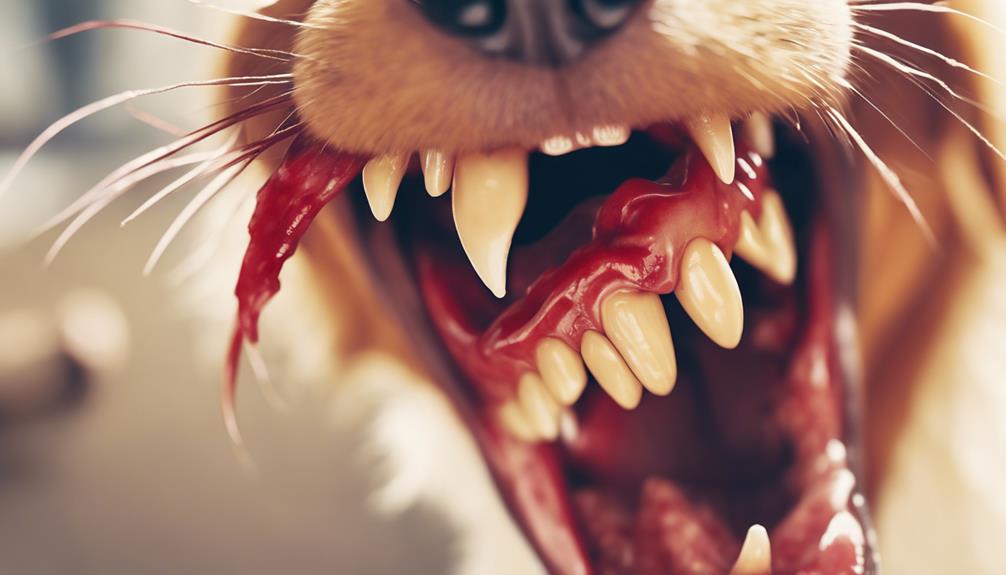
Puppies are susceptible to dental problems from an early age, typically between 3 to 6 months old, when their baby teeth start erupting. Factors such as diet, genetics, and chewing habits can affect their dental health during this period.
Monitor your puppy's dental health closely as their baby teeth come in. Check for signs of dental problems, including yellow or brown teeth, red gums, or bad breath. If you notice any of these signs, consult your veterinarian to rule out underlying issues.
Regular check-ups can help identify potential problems early on and prevent more serious complications. Establish good oral hygiene habits from an early age to ensure your puppy's dental health. Start by gently brushing their teeth with a puppy-specific toothbrush and toothpaste to remove plaque and tartar. This reduces the risk of dental problems.
Safe Chew Toys and Options
Establishing good oral hygiene habits for your puppy is crucial, but you also need to address their natural urge to chew. Providing safe and suitable chew options can redirect this behavior and prevent problems. Veterinary dentists warn against letting puppies chew on hard objects, which can cause teeth breakage. Rawhide, pigs ears, bones, synthetic toys, and tennis balls are not recommended, as they can lead to gastrointestinal blockages or intestinal punctures, often requiring surgery and potentially being life-threatening.
Opt for dental chews and chew toys specifically designed for dogs. These options are gentle on your puppy's teeth and gums while satisfying their urge to chew. Always supervise your puppy during chew time, even with recommended toys, as no toy is 100% safe.
When selecting chew toys and dental chews, choose products made from non-toxic, durable materials that can withstand your puppy's chewing. Rotate toys regularly to keep things interesting and prevent boredom. This helps redirect their natural behavior while protecting their oral health.
Managing Chewing Behavior Effectively

To prevent teeth damage and promote good oral health, it's essential to manage your dog's chewing behavior effectively. Provide your dog with suitable chew toys to redirect their natural instinct away from furniture and other undesired items. Addressing puppy teething relief and teaching safe chewing habits will help establish a healthy relationship between your dog's teeth and their love to chew.
Chew Toy Options
Dogs need to chew, so providing them with safe alternatives is crucial. This helps redirect their energy and satisfies their natural instinct. Offer multiple safe chew toys and rotate them regularly to keep your dog engaged. Chews can reduce destructive behavior and help with tartar control.
When selecting chews, choose options that won't cause harm. Many common chews can be problematic, including rawhide, pigs ears, bones, synthetic toys, and tennis balls, which can cause gastrointestinal blockages or intestinal punctures. Hard objects like bones and antlers can break teeth, and veterinarians advise against letting puppies and older dogs chew on them.
To manage your dog's chewing behavior and keep their teeth healthy, provide safe chew options. This may include bully sticks, which can aid in tartar control and are suitable for some dogs. Always prioritize your dog's safety when selecting chews.
Puppy Teething Relief
Managing your puppy's chewing behavior is crucial to prevent destructive habits and maintain their oral health. As they grow, their urge to chew intensifies, and providing relief becomes a top priority.
Offer your puppy a variety of natural chews to redirect their attention from household items. Options include bully sticks, raw hide, and frozen Kongs filled with treats. These chews not only satisfy their instinctual need to chew but also help soothe their sore gums.
Teething toys filled with peanut butter or pumpkin puree can also provide a calming effect. Rotate these options regularly to keep your puppy engaged and interested. This will help alleviate their discomfort and promote healthy chewing habits.
Safe Chewing Habits
To manage your puppy's chewing behavior and prevent destructive habits, establish a routine that combines exercise, training, and puzzle toys. This redirects their energy and provides mental stimulation, reducing boredom and anxiety.
Provide your puppy with a variety of safe chew toys and rotate them regularly. This satisfies their natural instinct to chew and reduces the risk of gastrointestinal blockages or intestinal punctures.
- Advertisement -
When your puppy is chewing, supervise them to prevent inappropriate chewing and ensure their safety. Choose veterinary dentist-recommended soft and pliable chew toys to prevent broken teeth. Chewing on appropriate toys can reduce anxiety and boredom in dogs, promoting overall behavioral health and well-being.
The Dangers of Hard Objects
The Dangers of Hard Objects
Giving your dog a hard object to chew on may seem harmless, but it can lead to serious health problems. Chewing on hard objects like bones and antlers can cause broken teeth, periodontal disease, and even require surgical interventions.
Hard objects can also cause gastrointestinal blockages or intestinal punctures, which are often life-threatening and require immediate surgery. The American Veterinary Medicine Association advises against giving dogs hard objects to chew on due to the risk of dental problems and other health issues.
Puppies and older dogs are particularly vulnerable to harm from chewing hard objects. Veterinary dentists recommend avoiding hard objects for these age groups, as they can cause dental wear, leading to tooth loss and other oral health problems.
Instead, prioritize your dog's health and well-being by opting for safer alternatives. Choose chew toys and treats specifically designed for dogs, and avoid hard objects that can put your dog's health at risk. By making informed choices, you can help prevent dental problems and other health issues in your dog.
Chemical Benefits of Chewing
Chewing has several chemical benefits that positively impact a dog's overall well-being. When dogs chew, endorphins are released, promoting relaxation and reducing stress. This natural response calms dogs, making them feel more at ease.
Chewing stimulates saliva production, which is essential for oral hygiene and digestion. Regular chewing improves behavioral health by releasing pent-up energy and promoting calmness. Additionally, chewing reduces anxiety and boredom by providing mental stimulation and satisfying natural instincts.
These benefits are especially important because they address common issues in dogs, such as stress and anxiety. By providing adequate chewing opportunities, dog owners can help their pets feel more relaxed and calm.
Choosing the Right Chew Products
To ensure your dog gets the most out of their chewing habits, choose the right chew products. This redirects their natural instinct away from destructive behavior and towards a healthy outlet. With many options available, selecting the perfect chew product is crucial.
Consider your dog's age, size, breed, and individual needs when choosing a chew product. Puppies need softer chews for their developing teeth and jaws. Larger breeds require more durable options to withstand their powerful jaws. Think about your dog's personality and preferences, too. Do they prefer hard and crunchy or soft and pliable textures?
Opt for high-quality, non-toxic materials designed to withstand aggressive chewing. Rawhide chews, bully sticks, and rubber toys are popular options. Monitor your dog's chewing habits and adjust your choices accordingly. Rotate chew products regularly to prevent boredom and keep your dog engaged.
Risks and Considerations for Owners

As a dog owner, it's crucial to be aware of the potential risks associated with your dog's chewing habits. While chewing is a natural behavior, it can lead to problems if not monitored properly. According to studies, 4% of dogs required veterinary treatment due to issues with chewing materials.
Some key risks to consider:
Choking hazards: Choose chews suitable for your dog's size, age, and habits to avoid choking and digestive issues.
Overconsumption: Regularly monitor your dog's chew time to prevent overconsumption, which can lead to digestive issues and other health problems.
Negative emotional states: Provide appropriate outlets for your dog's natural chewing instincts to prevent negative emotional states like anxiety and boredom.
To mitigate these risks, it's essential to:
- Supervise your dog during chew time
- Choose high-quality chews suitable for your dog
- Monitor your dog's behavior and adjust their chew time accordingly
- Provide alternative outlets for your dog's energy and emotions
Frequently Asked Questions
Does Chewing Wear Down Dogs Teeth?
Chewing wears down dogs' teeth. When your dog chews on hard objects, the constant friction flattens dental ridges, making teeth more prone to damage. This can lead to dental problems if not monitored.
Regular dental check-ups and a balanced diet can help mitigate the effects. However, it's crucial to be mindful of your dog's chewing habits. Providing appropriate chew toys and monitoring their use can help minimize wear and tear on their teeth.
Does Chewing Strengthen Dogs Teeth?
Chewing does strengthen your dog's teeth. This occurs because chewing stimulates the deposition of dentin, a hard tissue beneath the enamel. As your dog chews, the pressure and friction stimulate the jawbone, promoting bone density and strengthening the roots of the teeth. This natural process helps maintain your dog's oral health and reduces the risk of dental problems.
Regular chewing exercise helps fortify tooth hardness, which is essential for your dog's overall health. Chewing also helps clean your dog's teeth by removing plaque and tartar, reducing the risk of gum disease and bad breath. Provide your dog with appropriate chew toys and treats to support their oral health.
Do Dogs Grow Out of Destructive Chewing?
Destructive chewing is a common issue in puppies, but most outgrow it by 1-2 years old. Teething stages are particularly challenging due to pain and curiosity. To address this, redirect your puppy's energy towards appropriate toys and ensure they get adequate exercise and mental stimulation. This helps them develop better habits and eventually outgrow destructive chewing.
Teething typically occurs between 3-6 months old, and during this time, puppies tend to chew excessively. As their teeth settle in, the urge to chew decreases. However, it's crucial to establish good habits early on to prevent destructive behavior from becoming a long-term issue.
Does Chewing Bones Damage Dogs Teeth?
Chewing on bones can be beneficial for your dog's oral health, but it's not without risks. Bone density plays a significant role in determining the impact on your dog's teeth. Dense bones can cause wear and tear, while softer bones can help strengthen jaw muscles and clean teeth.
Weak tooth enamelization is another crucial factor to consider. If your dog's tooth enamel is weak, chewing on hard bones can lead to fractures. It's essential to choose the right type of bones for your dog to chew on to minimize the risk of damage.
In summary
Chewing is a natural behavior for dogs, and providing suitable chew toys is crucial for their dental health. Without adequate outlets, dogs may resort to chewing on unwanted items, such as furniture or shoes. To prevent this, it's essential to choose the right chew toys and manage your dog's behavior effectively.
Dogs have different chewing styles and preferences, so it's necessary to experiment with various textures, sizes, and types of chew toys. Rotate them regularly to keep your dog engaged and interested. Supervise your dog during chewing sessions to prevent over-chewing or swallowing small pieces.
Proper chew toy selection and management can help prevent dental problems, such as tooth wear and gum recession. Additionally, it can save your belongings from destruction. By investing time and effort into providing suitable chew toys and managing your dog's behavior, you can promote their oral health and maintain a peaceful living environment.
- Advertisement -