

Guide to Canine Dental Scaling Procedures
- Advertisement -
As a dog owner, you understand the importance of maintaining your pet's oral health, and a vital step in achieving this is canine dental scaling, an exhaustive procedure that involves a thorough examination, cleaning, and treatment of your dog's teeth and surrounding tissues to prevent periodontal disease and promote overall health. The process begins with a pre-cleaning evaluation and planning phase, followed by anesthesia and monitoring to safeguard your pet's comfort and safety. Your veterinarian will then perform a dental examination, cleaning, and periodontal probing to identify any hidden issues, and develop a personalized treatment plan tailored to your dog's specific needs.
Key Takeaways
- A thorough pre-cleaning evaluation and planning phase is crucial to identify potential issues and create a personalized treatment plan for canine dental scaling.
- Anesthesia and close monitoring are essential to ensure the pet's comfort and safety during the dental scaling procedure.
- Dental examination, cleaning, and periodontal probing are crucial steps in maintaining the dog's oral health and detecting potential issues not visible above the gum line.
- Antibiotic therapy and locally applied antimicrobials may be necessary in severe cases of canine periodontal disease or high-risk patients to prevent infection and promote healing.
- Post-cleaning care and home care education are vital to ensure oral health and prevent future dental issues, including regular dental check-ups and proper tooth brushing techniques.
Pre-Cleaning Evaluation and Planning
Before performing canine dental scaling, a thorough prep phase is crucial. This conscious oral evaluation helps identify potential issues and create a personalized treatment plan. During this evaluation, examine the patient's teeth, gums, and surrounding tissues for signs of periodontal disease.
Review the patient's medical history, including previous dental treatments, to determine if additional attention is required. Consider preoperative factors such as systemic immunosuppression and orthopedic implants placed in the last 12-18 months to determine the best course of treatment.
Accurate documentation of the patient's oral health status is essential for creating a tailored treatment plan and tracking progress over time. This documentation also helps identify potential complications that may arise during the dental scaling procedure. By thoroughly evaluating and planning, you can provide the best possible care for your canine patients and ensure a successful dental scaling procedure that addresses existing periodontal disease and promotes peak oral health.
Anesthesia and Monitoring
When preparing for your dog's dental scaling procedure, it's essential to understand the anesthesia protocol. This ensures your pet's comfort and safety during the process.
The veterinarian will closely monitor crucial signs like heart rate, blood pressure, and oxygen levels to prevent potential risks. You'll be informed about the induction and recovery process beforehand, so you know what to expect.
This will help you feel more confident and prepared as your pet undergoes the procedure.
Anesthesia Protocol
During the dental scaling procedure, a trained veterinary anesthetist will anesthetize your pet to ensure their comfort and safety. This step is crucial to prevent pain and discomfort during the procedure.
Our anesthesia protocol is designed to minimize risks and ensure a smooth recovery for your pet. Key aspects of this protocol include:
- We closely monitor your pet's vital signs, including heart rate, blood pressure, and oxygen levels, to detect any potential complications.
- Dental X-rays may be taken while your pet is under anesthesia to evaluate tooth roots and surrounding structures.
- We use state-of-the-art monitoring equipment to ensure patient safety and detect any potential complications during the procedure.
Vital Sign Monitoring
During anesthesia, monitoring your pet's vital signs is crucial to ensure their safety and comfort. We track heart rate, blood pressure, oxygen levels, and respiratory rate to quickly respond to any changes or abnormalities. Endotracheal tubes deliver oxygen and anesthetic gas, while monitoring equipment tracks vital signs. The anesthetist or veterinarian is always present to adjust the anesthesia as needed.
Our veterinary team is trained to handle anesthesia-related emergencies and carefully controls the anesthesia depth to prevent complications. If an emergency occurs, we can respond quickly and effectively to safeguard your pet's safety and well-being. Close monitoring allows us to make adjustments to the anesthesia protocol as needed, providing a safe and comfortable experience for your pet during the dental scaling procedure.
Induction and Recovery
Induction and Recovery
During anesthesia induction, trained veterinary anesthetists carefully control the process to minimize stress and pain for your pet. This step is crucial for your pet's comfort and safety during the dental scaling procedure.
Throughout the procedure, your pet's vital signs, including heart rate, blood pressure, and oxygen levels, are closely monitored. This monitoring ensures patient safety and detects any potential complications.
Key aspects of induction and recovery include:
- Monitoring equipment is used to ensure patient safety and detect potential complications during anesthesia.
- Dental X-rays may be taken to evaluate tooth roots and surrounding structures.
- Patients are closely monitored as they wake up from anesthesia to ensure a smooth recovery.
Dental Examination and Cleaning
A dental examination and cleaning is crucial for maintaining your dog's oral health. This process involves a thorough evaluation of your dog's teeth and surrounding structures to identify potential issues not visible above the gum line. Dental X-rays are taken to assess tooth roots and surrounding structures, allowing for the detection of potential problems.
A veterinary dental technician will perform the examination and cleaning, which includes scaling and polishing to remove tartar and plaque from your dog's teeth. They will use hand scalers, curettes, and powered ultrasonic scalers to eliminate calculus and subgingival plaque and calculus for root planing and curettage. Crown polishing is also done to reduce microabrasions on the enamel using a low-speed handpiece and polishing cup.
Regular dental examinations and cleanings are essential for preventing periodontal disease and reducing the risk of heart disease and diabetes. By removing bacteria that can spread, you can help safeguard your dog's oral health and overall well-being. Depending on the examination findings, dental treatments such as cavity fillings, fracture repairs, and extractions may be recommended.
Periodontal Probing and Therapy
Following a dental examination and cleaning, periodontal probing is crucial to assess your dog's oral health. This process involves probing each tooth in at least six places parallel to the roots to identify any hidden issues. The goal is to detect areas of attachment loss, pocket depth, and bleeding on probing, which indicate periodontal disease severity.
Periodontal disease is categorized into four stages (PD1-4), each with corresponding treatments. Depending on the stage, periodontal therapy or extractions are performed to prevent further disease progression and promote oral health. The veterinary dentist or technician performing the probing and therapy must have the necessary training and experience to accurately diagnose and treat periodontal disease in dogs.
Periodontal probing helps identify hidden oral health issues, ensuring your dog receives necessary treatment to prevent further disease progression. Accurate diagnosis and treatment of periodontal disease are vital for maintaining your dog's overall oral health and preventing systemic complications. Combining dental scaling with periodontal probing and therapy provides comprehensive care for your dog's oral health needs.
Antibiotic Therapy and Locally Applied Antimicrobials
When treating canine periodontal disease, you need to consider both antibiotic therapy and locally applied antimicrobials. Systemic antibiotics are necessary in severe cases, such as advanced periodontal disease or immunosuppression. Locally applied antimicrobials, on the other hand, can promote reattachment and improve periodontal health in specific situations. To make informed treatment decisions, evaluate the severity of the disease and the patient's overall health. This will help you choose the most effective therapy for your patient.
Systemic Antibiotic Use
In high-risk cases, systemic antibiotic use may be necessary perioperatively to prevent infection and promote healing. This is especially important for patients with compromised dental health, as periodontal disease can lead to severe health complications.
Systemic antibiotics are used in specific situations, such as when radiographic evidence suggests osteomyelitis or when patients have systemic immunosuppression. Each patient's individual needs and medical history are considered when deciding whether to use antibiotics.
Antibiotic therapy is crucial in surgery to prevent infection and promote healing. In some high-risk cases, preoperative antibiotics may be given several days before surgery. This is often the case for patients at high risk of endocarditis or joint infection.
The goal of systemic antibiotic use is to support overall health and prevent potential complications, ensuring a smooth recovery for patients.
Locally Applied Antimicrobials
- Advertisement -
When performing a dental scaling procedure, you may encounter periodontal pockets 5 mm deep or more, indicating periodontal disease. These pockets require more than a routine cleaning to remove plaque. Locally applied antimicrobials (LAA) can be an effective solution to improve periodontal health and promote reattachment to a normal level.
To use LAA, apply the antimicrobial directly into the cleaned, bleeding periodontal pocket. This targeted treatment reduces periodontal pocket depth, improves clinical attachment levels, and decreases bleeding on probing. By addressing the bacterial infection, you can promote healthier gums and reduce the risk of further periodontal disease progression.
Including LAA in your treatment plan can make a significant difference in your patient's oral health. This treatment targets the bacteria causing the disease, leading to healthier gums and a lower risk of disease progression.
Preoperative Antibiotic Considerations
When treating canine dental patients, especially those with periodontal disease, it's essential to consider preoperative antibiotic therapy and locally applied antimicrobials as part of your treatment plan.
To decide if antibiotics are necessary, consider the following factors:
- Postoperative antibiotics are necessary when radiographic evidence of osteomyelitis is present, and the patient has a history of systemic immunosuppression or has had orthopedic implants within the last 12-18 months.
- Locally applied antimicrobials (LAA) may be necessary in cases with 5 mm cleaned pockets in PD2 or PD3, as they improve periodontal health and encourage reattachment to a normal level.
Antibiotic therapy and locally applied antimicrobials are used in conjunction with dental scaling and periodontal therapies to combat infection and promote healing in canine dental patients.
Post-Cleaning Care and Home Care Education
After a canine dental scaling procedure, post-cleaning care and home care education are crucial to ensure your pet's oral health and prevent future dental issues. Subgingival irrigation removes debris and polishing paste from the cleaned pockets, promoting healing and reducing inflammation.
Post-operative care and follow-up appointments are essential to monitor healing and address any concerns or complications. Your veterinarian will provide guidance on post-operative care and schedule follow-up appointments as needed.
To maintain your pet's oral health, you'll need to learn proper tooth brushing techniques, dietary recommendations, and effective treats. Your veterinarian can recommend scientifically proven dental products that prevent plaque and calculus buildup, as listed by the Veterinary Oral Health Council (VOHC).
Regular dental check-ups are necessary to prevent dental disease. By following your veterinarian's guidance on post-cleaning care and home care education, you can maintain your pet's oral hygiene and prevent future dental issues.
Importance and Benefits of Teeth Scaling
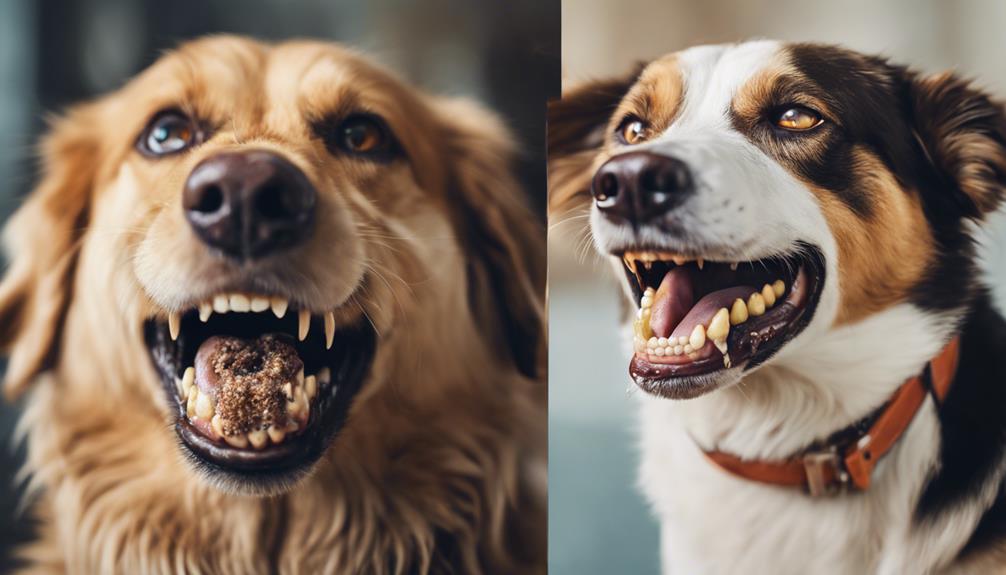
Teeth scaling is a crucial part of regular dental care for your pet. It helps maintain their oral hygiene and prevents dental problems. As a pet owner, you should understand the importance and benefits of teeth scaling to keep your pet healthy.
Teeth scaling removes plaque and tartar, reducing the risk of periodontal disease. If left untreated, periodontal disease can lead to severe dental problems and even affect overall health.
Regular teeth scaling has several benefits. It prevents tooth loss by removing bacteria that cause decay. It also reduces the risk of heart disease and diabetes by removing bacteria that can spread. Additionally, it freshens breath and improves overall oral health.
Regular dental cleaning can prevent tartar accumulation and periodontal disease. This, in turn, prevents tooth loss, gum recession, and tooth sensitivity. By scaling your pet's teeth regularly, you can boost their confidence with a cleaner, healthier-looking smile.
Preparation and Procedure
Preparing for a Dental Scaling Procedure
Before a dental scaling procedure, your pet needs proper preparation to ensure the best outcome. This starts with a dental exam to confirm the need for a cleaning and to discuss the required procedures beforehand. Your veterinarian may also perform preanesthetic blood tests to check your pet's kidney and liver function, ensuring they can handle anesthesia.
During the procedure, your veterinarian will use hand and ultrasonic scalers to remove plaque and tartar above and below the gum line. Removing tartar below the gum line is crucial, as it causes significant periodontal disease.
After scaling, the teeth are polished to remove microscopic scratches and reduce future plaque buildup. This step is essential for maintaining your pet's oral health and preventing future dental problems.
Post-Procedure Care and Prevention

Post-procedure care and prevention are crucial to maintaining your pet's oral health after a dental scaling procedure. To prevent tartar accumulation and keep their teeth clean, establish a home dental care program that includes regular tooth brushing with a pet toothpaste that's safe for them to swallow. These toothpastes are non-foaming and come in flavors appealing to dogs. They contain enzymes that help break down plaque chemically, reducing brushing time.
Regular dental cleanings are necessary to maintain oral health. You can also use a waterpik or interdental brushes to aid in oral hygiene. However, avoid using human toothpaste or baking soda, as they can cause internal problems. Instead, gently brush and floss your pet's teeth to prevent further plaque buildup.
Remember to consult with a veterinarian before using any dental products to ensure they are safe and proven to reduce plaque and tartar accumulation. Regular dental cleanings and a home dental care program, including regular tooth brushing, are essential to maintaining your pet's oral health.
Frequently Asked Questions
How to Properly Scale a Dog's Teeth?
Mastering dental mirror usage is crucial when scaling a dog's teeth, as it allows you to visualize hidden areas. Select the appropriate instrument for the task, as different scaling techniques require specific tools. To remove plaque, use gentle, sweeping motions. Focus on preventing tartar buildup, and adjust your scaling technique to tackle different tooth surfaces and angles.
Is Teeth Scaling Painful for Dogs?
Teeth scaling can be a painful procedure for dogs, but it doesn't have to be. With modern anesthesia options, your dog's pain threshold can be significantly reduced. Sedation methods can also minimize dental anxiety, making the experience more comfortable for your pet.
How Long Can You Scale a Dog's Tooth?
When scaling a dog's tooth, consider the tooth decay rate and scaling frequency to determine the ideal duration. Typically, scaling sessions last 30-60 minutes, depending on the dog's size and dental health. If anesthesia is required, the procedure will take longer. Be aware of the risk of dental chipping and prioritize your dog's comfort and safety throughout the process.
How to Manually Scale Teeth?
Manually scaling teeth requires precision and care. To do it effectively, you'll need to master tooth scraper techniques to remove plaque and tartar buildup.
First, use a dental mirror to illuminate hidden areas. This will help you spot any stubborn deposits. Next, utilize plaque remover tools to target these areas.
Regular scaling is crucial in preventing tartar buildup. If you're unsure about the process or have doubts, seek veterinary assistance. Their expertise will ensure a safe and effective procedure.
In summary
By following the guidelines outlined in this article, you can ensure your dog receives proper dental care. A dental scaling procedure can effectively treat severe tartar buildup and gingivitis, as seen in the case of Max, a 7-year-old golden retriever. After the procedure, Max's owner reported improved appetite and overall health. Prioritizing your dog's dental health helps prevent similar issues and enhances their quality of life.
- Advertisement -