

Can Dogs Eat Cheese
- Advertisement -
You can safely feed your dog cheese in moderation, but it's essential to be aware of the potential health risks. While cheese isn't toxic, it can cause lactose intolerance, leading to digestive issues, and its high fat content can contribute to obesity and pancreatitis. Puppies, in particular, have sensitive stomachs and may react badly to even small amounts. To minimize risks, opt for low-fat, low-lactose cheeses, and feed them in small, divided portions. By doing so, you can enjoy using cheese as an occasional treat or training tool, and discover more about how to do it safely and effectively.
Key Takeaways
- Cheese is not toxic to dogs, but it can cause lactose intolerance and contribute to obesity and other health issues if consumed excessively.
- Feeding cheese can pose risks, including lactose intolerance and high fat content, which can lead to stomach upset, diarrhea, and vomiting.
- Choose low-fat, low-sodium, and low-lactose cheese options, such as cottage cheese or soft goat cheese, to minimize potential issues.
- Cheese should be fed in modest amounts, divided into small cubes, and not exceed 10% of the dog's daily caloric intake to prevent unhealthy weight gain.
- Consult a veterinarian before making cheese a regular part of the dog's diet, especially for puppies with sensitive stomachs.
Is Cheese Safe for Dogs?
Cheese is not toxic to dogs, but it can still cause problems. It can lead to lactose intolerance, resulting in flatulence, discomfort, diarrhea, or vomiting. The high fat content in cheese is also a concern, as it can contribute to obesity and other health issues if consumed excessively.
Puppies have sensitive stomachs and may react badly to even small amounts of cheese. Monitor your dog's reaction to cheese and adjust their diet accordingly. Not all cheeses are created equal, so opt for low-fat, low-sodium, and low-lactose options to minimize potential issues.
If you give your dog cheese, do it in moderation and as an occasional treat, not a regular part of their meals. Cheese contains nutrients, but it shouldn't replace your dog's regular, balanced diet. Always err on the side of caution when introducing new foods, including cheese, to your dog's diet. By being mindful of the potential risks, you can help guarantee your dog stays healthy and happy.
Types of Cheese for Dogs
When selecting cheese for your dog, choose low-fat varieties to minimize the risk of weight gain and pancreatitis. Cottage cheese is a good option due to its low-fat content and lower lactose levels. Cheddar cheese is popular for hiding medication or as a training treat. Mozzarella, feta, and cream cheese can be considered in moderation, but be cautious of toxic ingredients and high-fat content.
Cheese Options for Dogs
Choosing the right cheese for your dog is crucial to avoid digestive issues. Cottage cheese is a healthy option due to its low fat and lactose content. Soft goat cheese is another low-fat option, but monitor your dog's reaction and adjust the amount accordingly.
For training or as an occasional treat, use low-fat cheddar cheese and avoid added ingredients like onions or garlic. Mozzarella and feta cheese can be given in moderation, but opt for low-fat varieties to prevent weight gain and health issues.
When introducing cheese, start with small amounts to prevent digestive upset. Prioritize your dog's health by choosing low-fat and low-lactose cheese options.
Low-Fat Cheese Choices
Selecting low-fat cheese for your dog is crucial for their health. Weight gain and obesity can lead to serious health issues, so it's essential to choose cheese options wisely.
Cottage cheese is a great choice due to its low-fat content, low calorie count, and lower lactose levels. Mozzarella and feta cheese can be given in moderation, but opt for low-fat options to avoid weight gain and pancreatitis. Soft goat cheese is another low-fat option, but check the ingredients and fat content before offering it as an occasional treat.
Cream cheese is not a good choice due to its high fat content and potential toxic additives like chocolate or xylitol. By choosing low-fat cheese options, you can help maintain your dog's healthy weight and overall well-being.
Remember to prioritize your dog's health and consult with a veterinarian if you have any concerns about their diet.
Risks of Feeding Cheese
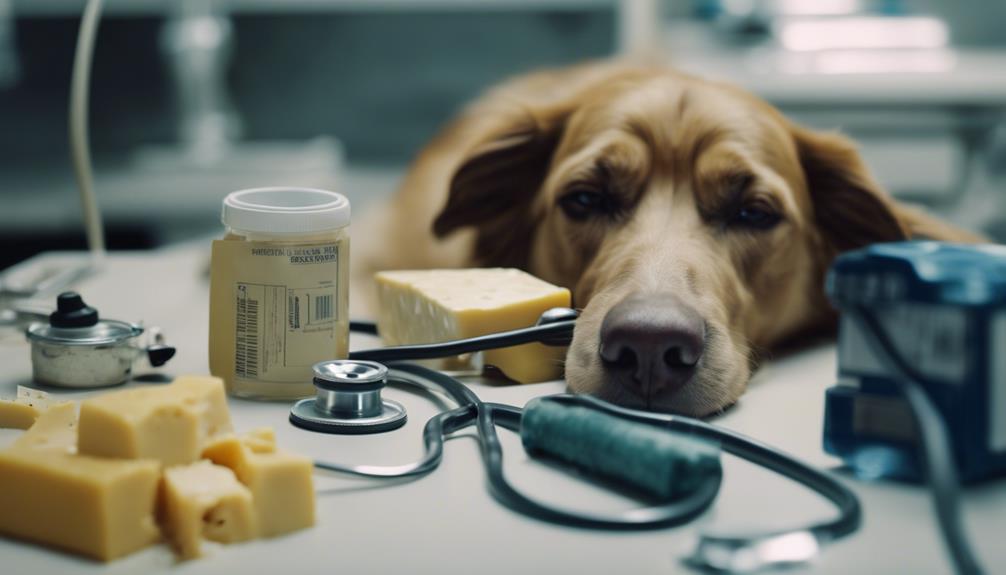
Feeding cheese to your dog can pose risks. Lactose intolerance is a major concern, as many dogs can't digest dairy products. Additionally, cheese is high in fat, which can lead to obesity and other health problems. To feed cheese safely, you need to choose the right types and amounts.
Lactose Intolerance Risks
Feeding dogs cheese can pose lactose intolerance risks that owners often overlook. Like humans, many dogs are lactose intolerant, meaning they struggle to break down lactose, a sugar found in milk and dairy products like cheese. While a small amount of cheese might not cause immediate harm, regular consumption can lead to stomach upset and health issues.
Choose cheeses with lower lactose levels if you want to add them to your dog's diet. However, even these cheeses can be bad for dogs if consumed excessively. Lactose intolerance symptoms include diarrhea, vomiting, and bloating. If you notice any of these signs in your dog after feeding cheese, stop immediately.
It's essential to exercise caution when introducing new foods to your dog's diet. Consult with your veterinarian for personalized advice on feeding your dog cheese safely. Remember, a small amount of cheese is not worth risking your dog's health.
Cheese Fat Content Dangers
Cheese can be a dangerous treat for your dog due to its high fat content. Consuming high amounts of saturated fats can lead to health issues like obesity, especially if fed regularly. A single ounce of cheddar cheese contains 114 calories and 9 grams of fat, which can quickly add up.
Feeding your dog fatty foods like cheese regularly increases the risk of pancreatitis, a serious and potentially fatal illness. Certain breeds are more prone to pancreatitis, and the risk increases with the amount of high-fat cheese consumed. If your dog shows symptoms after eating cheese, seek urgent veterinary attention.
Regularly feeding your dog cheese can also lead to unhealthy weight gain and obesity, a condition affecting over 50% of dogs in the US. To avoid these risks, be mindful of the amount and type of cheese you feed your dog.
How to Feed Cheese Safely
When introducing cheese into your dog's diet, a cautious approach is essential to avoid potential health issues.
Select the Right Cheese
Opt for low-fat, low-sodium, and low-lactose cheeses like cottage cheese or mozzarella to minimize digestive upset and pancreatitis risks.
Feed in Modest Amounts
Divide cheese into small cubes and limit portions to prevent unhealthy weight gain and obesity. Remember, cheese should not exceed 10% of your dog's diet.
- Advertisement -
Monitor Your Dog's Reaction
Always observe how your dog responds to cheese and adjust their diet accordingly. Even small amounts can cause adverse reactions in some dogs.
Consult a Veterinarian
Before making cheese a regular part of your dog's diet, consult with a veterinarian to determine the best approach based on your dog's breed, age, and health conditions.
Cheese and Dog Health

Cheese can be a problematic addition to your dog's diet if not done correctly. It's high in fat and sodium, which can cause health issues if fed excessively. Regularly feeding high-fat cheese can trigger pancreatitis in prone breeds, leading to stomach upset, diarrhea, and a painful belly.
Dogs are lactose intolerant, lacking the enzyme lactase to break down lactose in milk. This can cause digestive upset, resulting in diarrhea or other digestive issues. Certain cheeses, like blue cheese, contain roquefortine C, a toxic compound that can cause vomiting, diarrhea, and abdominal pain.
However, some cheeses, like cottage cheese, can be beneficial for dogs in moderation. It's essential to choose low-fat options with safe ingredients to minimize risks. Cheese should not exceed 10% of your dog's daily caloric intake to avoid health problems.
Monitor your dog's cheese intake to prevent unhealthy weight gain and obesity. Be aware of the calorie content and adjust accordingly. By doing so, you can ensure cheese is a healthy addition to your dog's diet, not a harmful indulgence.
Using Cheese for Training
Cheese is a high-value reward that can be used effectively in dog training. When used correctly, cheese can motivate your dog to achieve desired behaviors and improve focus and obedience.
To use cheese in your training:
- Reward with small cubes: Use small cubes of cheese to reward desired behaviors, such as sitting or staying. This helps your dog associate the behavior with the reward.
- Stuff a Kong with cheese: Smear cheese inside a Kong to provide a calming treat, which can aid in recall training and other behavioral issues.
- Mask medication with cheese: Cheese can be used to mask the taste of medication, making it easier to administer pills or tablets.
- Distracted training with cheese: Use cheese as a high-value reward to motivate your dog during distracted training, improving focus and obedience.
Remember to use cheese rewards sparingly to maintain their effectiveness and avoid overfeeding or creating unhealthy associations. By incorporating cheese into your training routine, you can create a positive and engaging experience for your dog, leading to better behavior and a stronger bond between you and your pet.
Cheese and Puppy Nutrition

Raising a healthy puppy requires a well-planned diet. Cheese can be part of their diet, but it's crucial to introduce it carefully. A balanced diet is essential for a puppy's growth and well-being.
Puppies have sensitive stomachs, and too much cheese can cause vomiting and diarrhea. Introduce cheese gradually and in small amounts to avoid health issues. Consult with a veterinarian to determine the best diet for your puppy, including cheese.
Proper nutrition helps prevent health problems in puppies. The American Kennel Club (AKC) offers a free eBook on puppy nutrition, providing valuable information on setting your puppy on the right path.
When introducing cheese, prioritize your puppy's nutritional needs and ensure a balanced diet. Cheese can be a healthy addition, but it's essential to do so under veterinary guidance. This will set your puppy up for a healthy and happy life.
Frequently Asked Questions
What Cheeses Are Safe for Dogs?
When choosing cheese for your dog, opt for soft varieties like goat cheese, ricotta, cottage cheese, and cream cheese. These cheeses are safe and healthy in moderation. Avoid string cheese unless you cut it into small pieces to prevent choking. Melted cheese, smoked cheese, and blue cheese are toxic and should be avoided. They contain harmful substances that can harm your dog. Stick to soft cheeses that provide a safe and nutritious snack.
How Much Cheese Is OK for Dogs?
When determining how much cheese to give your dog, consider their size. For extra-small dogs, limit cheese to one or two small pieces daily. Medium dogs can have five to six pieces. Cheese portion control is crucial due to high milk fat content and lactose tolerance issues. Ensure cheese accounts for no more than 10% of their daily calorie intake to maintain nutritional balance.
Is It OK if My Dog Ate Cheese?
If your dog ate cheese, monitor them closely for signs of lactose intolerance or dairy allergy. Possible symptoms include stomach upset, vomiting, and in severe cases, a toxic reaction.
If you notice any of these signs, seek immediate attention from an emergency vet. Delaying treatment can worsen your dog's condition.
In general, it's best to keep dairy products out of your dog's reach to avoid potential health issues.
Why Do Dogs Love Cheese so Much?
Dogs have a highly developed sense of smell, with up to 300 million olfactory receptors, compared to humans' 6 million. This allows them to detect the strong scent of cheese, which is one reason they're so attracted to it.
The fat content and protein in cheese also appeal to dogs' taste buds, making it a desirable treat. Additionally, dogs often associate cheese with positive experiences and emotional bonding with their owners, which strengthens their attachment to it.
As a result, cheese can be a hard-to-resist treat for dogs.
In summary
Dogs can eat cheese in moderation, but it's crucial to select the right type and amount to avoid potential risks. Despite the potential drawbacks, many dog owners consider cheese a healthy snack for their pets. To make informed decisions about incorporating cheese into your dog's diet, it's essential to understand the benefits and risks. You can even use cheese as a valuable training tool if you do it correctly.
- Advertisement -