
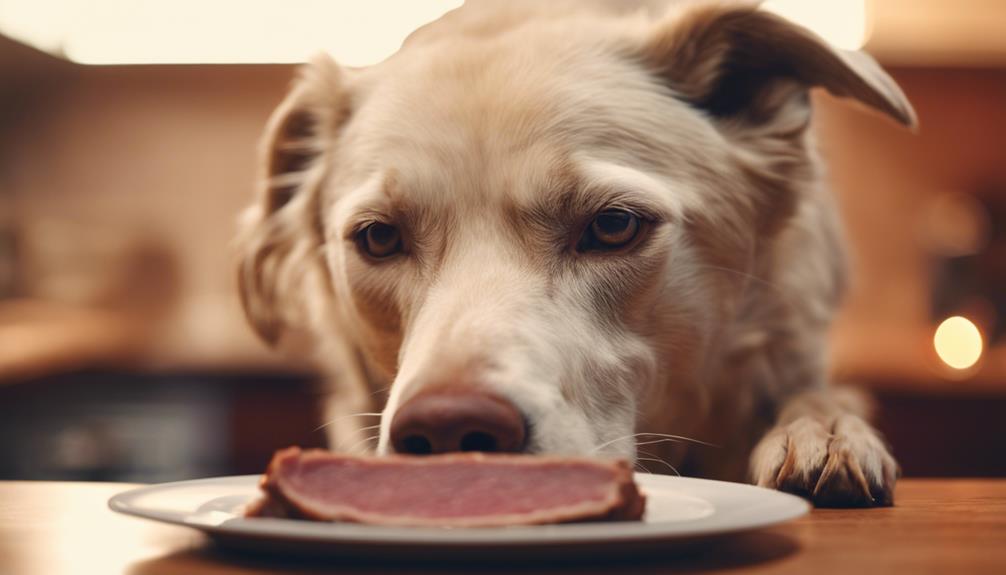
Can Dogs Eat Liverwurst
- Advertisement -
You're wondering if it's safe to feed your dog liverwurst, a convenient and flavorful snack rich in protein and nutrients. While it may seem like a harmless treat, liverwurst can be risky for dogs due to its high fat content, which can cause pancreatitis and vomiting in dogs with sensitive stomachs. Additionally, added preservatives and seasonings can be toxic to dogs. If you're considering feeding liverwurst to your dog, consult with a veterinarian to determine the appropriate amount and frequency, and monitor their health closely for signs of liverwurst-related illness. As you continue to explore this topic, you'll find more valuable insights to help you make an informed decision.
Key Takeaways
- Feeding dogs liverwurst can be risky due to its high fat content, which can cause pancreatitis and vomiting in dogs with sensitive stomachs.
- Liverwurst may lead to urinary tract infections and other health issues in dogs, making monitoring and veterinary attention crucial.
- Added preservatives and seasonings in liverwurst can be toxic to dogs, and even small amounts can cause severe health complications.
- Consult a veterinarian before feeding liverwurst to dogs, especially those with health conditions, to determine safe and responsible use.
- Monitor dogs closely for signs of liverwurst-related illness, including gastrointestinal issues, pancreatitis, and urinary tract infections.
What Is Liverwurst
Liverwurst is a type of sausage made from a mixture of meats, spices, and sometimes additional ingredients like onions or garlic. The primary ingredient is liver, usually from pork or beef, which gives it a strong flavor and aroma.
Liverwurst is high in fat, typically 30-40%, which contributes to its rich taste. This high fat content also makes it a calorie-dense food, so it's often served in small amounts.
Despite its strong flavor, liverwurst is a good source of protein, vitamins, and minerals. It's a convenient snack that can be sliced and served on its own or used as an ingredient in recipes. Liverwurst is commonly used in European and Middle Eastern cooking.
When consuming liverwurst, it's essential to be mindful of portion sizes due to its high calorie content. However, in moderation, it can be a nutritious addition to a balanced diet.
Risks of Liverwurst for Dogs
Feeding your dog liverwurst can be risky. The high fat content can cause pancreatitis and vomiting in dogs with sensitive stomachs. Additionally, it may lead to urinary tract infections and other health issues. It's crucial to monitor your dog's consumption and watch for signs of liverwurst-related problems. If you do decide to share liverwurst with your dog, make sure to do so in moderation and be prepared for potential health consequences.
Liverwurst Toxicity Risks
Liverwurst can be harmful to your dog's health, even though it's a common human snack. It's crucial to understand the risks of liverwurst toxicity.
Dogs can experience stomach upset after eating liverwurst, leading to diarrhea, vomiting, and abdominal pain. This is because liverwurst is high in fat and spices, making it difficult for dogs to digest. Added preservatives and seasonings in liverwurst can also be toxic to dogs.
If your dog shows adverse reactions after eating liverwurst, seek veterinary attention immediately. Liverwurst toxicity can cause severe health complications, including kidney damage and organ failure.
To keep your dog safe, be aware of the risks associated with liverwurst and make informed decisions about what human foods are safe for them to eat.
Pancreatitis and Vomiting
Liverwurst can be harmful to dogs due to its high-fat content, which can trigger pancreatitis, a painful and potentially life-threatening condition. Pancreatitis occurs when the pancreas becomes inflamed, leading to abdominal pain, vomiting, and diarrhea. If left untreated, it can cause serious complications, including organ failure and death.
The primary signs of pancreatitis include vomiting, lethargy, and a lack of appetite. In severe cases, dogs may experience a painful abdomen, rapid heart rate, and even seizures.
The high-fat content in liverwurst is the main cause of pancreatitis in dogs. When consumed, the excess fat can overwhelm the digestive system, leading to inflammation and pancreatitis. To minimize this risk, it's essential to limit or avoid giving your dog liverwurst. Instead, provide a balanced, nutrient-rich diet that meets your dog's nutritional needs without putting them at risk.
Urinary Tract Infections
Liverwurst consumption can increase the risk of recurring urinary tract infections (UTIs) in dogs. As a dog owner, it's crucial to be aware of this potential health issue, especially if your dog has pre-existing conditions.
UTIs are common in dogs, and recurring infections may require a specific diet that avoids high-fat foods like liverwurst. If your dog is experiencing UTIs, they may show signs like straining, abdominal pain, or vomiting, which can worsen with liverwurst consumption.
Three key points to consider:
- Dogs with bladder cancer, like the mentioned 9-year-old Amstaf, may have trouble taking medication with liverwurst, linking liverwurst consumption to UTI risk.
- Bladder cancer in dogs can cause persistent UTIs, requiring medication and monitoring liverwurst consumption to minimize UTI risks.
- A dog's diet significantly impacts their overall health, and high-fat foods like liverwurst can contribute to health issues like UTIs.
Veterinarian Advice on Liverwurst

When considering liverwurst for your dog's diet, consult a veterinarian with extensive canine care experience. They can provide valuable guidance on safe and responsible use. By following their advice, you can make informed decisions about feeding your dog liverwurst.
A veterinarian can help you understand the benefits and risks of liverwurst, as well as determine the appropriate amount and frequency for your dog. They can also advise on how to introduce liverwurst into your dog's diet and monitor for any adverse reactions.
Veterinarian Experience Counts
When it comes to feeding your dog liverwurst, your veterinarian's experience is invaluable. They can provide personalized guidance on whether liverwurst is safe for your dog to eat and how to administer it safely.
Follow your veterinarian's advice on feeding liverwurst to your dog. They can:
- Monitor your dog for signs of liverwurst-related problems, such as vomiting, lethargy, or abdominal pain.
- Advise on the best course of action if your dog shows symptoms after eating liverwurst.
- Provide guidance on how to safely administer liverwurst, such as crushing medication into it to make it easier to take.
Veterinarians with extensive knowledge and experience, like Dr. Bruce, Rebecca, and Dr. Scarlett, can ensure your dog receives the best possible care and nutrition. By consulting with a veterinarian, you can get personalized guidance on feeding liverwurst to your dog.
Veterinarian Advice Matters
When considering adding liverwurst to your dog's diet, remember that your veterinarian's advice is crucial for your dog's safety and well-being. While many dogs can eat liverwurst without issues, some may experience problems. Monitor your dog for signs of liverwurst-related problems, such as vomiting, lethargy, loss of appetite, straining, or abdominal pain. If symptoms appear, consult a veterinarian immediately, as they can provide guidance on inducing vomiting or administering activated charcoal to mitigate potential harm.
Veterinarians like Dr. Bruce and Rebecca recommend consulting a veterinarian before feeding liverwurst to dogs, especially those with health conditions. They suggest crushing medication into liverwurst to make it easier for dogs to take. By following your veterinarian's advice, you can ensure your dog's health and safety when introducing liverwurst into their diet.
Veterinarians who have dealt with liverwurst-related issues in dogs offer valuable advice on safe consumption. Monitor your dog for signs of liverwurst-related problems, including vomiting, lethargy, loss of appetite, straining, or abdominal pain. If symptoms appear after liverwurst consumption, consult a veterinarian immediately.
When feeding liverwurst to your dog, follow these guidelines:
Introduce new foods slowly and in small amounts to prevent digestive issues, especially for dogs with sensitive stomachs.
Crushing medication into liverwurst can make it easier for your dog to take, as advised by experienced veterinarians like Dr. Bruce.
Consult with a veterinarian before feeding liverwurst to dogs, especially those with health conditions, to ensure the safest and most effective treatment.
Real-Life Scenarios With Liverwurst
Liverwurst and Dogs: What You Need to Know
You may have seen dog owners sharing liverwurst treats with their pets at the dog park, but do you know the potential risks? Real-life scenarios highlight the importance of understanding the effects of liverwurst on dogs.
Some dogs can tolerate small amounts of liverwurst without issue. For example, a 40lb Australian Shepherd had no problem with it. However, other dogs may not be so lucky. A 9-year-old Amstaff with bladder cancer and urinary tract infections (UTIs) had trouble taking medication with liverwurst, suggesting it may not be suitable for dogs with certain health conditions.
Similarly, a dog with recurring UTIs struggled to take medication with liverwurst, implying that liverwurst may not be compatible with certain medications or dietary restrictions. Additionally, there are choking hazards or intestinal blockages to consider. For instance, a small dog that ate a strip of plastic around liverwurst showed signs of distress.
It's not just dogs that can be affected by liverwurst consumption. Even other pets, like a cat that ate the casing around a slice of liverwurst, can be impacted.
Before sharing liverwurst with your dog, remember that every dog is different. What works for one dog may not work for another. It's crucial to monitor your dog's behavior and health closely and consult with a veterinarian if you have any concerns.
Administering Medication to Dogs
Administering medication to dogs can be challenging, especially for finicky eaters. To make the process easier and more effective, consider the following approaches:
- Advertisement -
Hide medication in food your dog enjoys. Mixing medication with a small amount of tasty food, such as liverwurst, can make it more palatable. Crushing pills can also make them easier to administer. Veterinarians recommend crushing medication into liverwurst to make it easier for dogs to take.
Using a pill pocket or treat can make medication more appealing to dogs. Gradually introducing medication into a dog's food can help them adjust to the taste.
Before administering medication, consult with your veterinarian, especially if you plan to use liverwurst as a vehicle for the medication. They can provide guidance on the best approach for your dog's specific needs and health status. By working together, you can ensure your dog receives the medication they need to recover and thrive.
Liverwurst Nutrition Facts
Liverwurst is a nutrient-rich food that provides high amounts of protein, vitamins, and minerals. It contains 26-30% protein, 20-25% fat, and various vitamins and minerals like vitamin B12, iron, and potassium. However, it's also high in sodium, with approximately 450-500mg per 100g serving. This high fat and salt content should be considered when deciding whether to feed liverwurst to your dog, as it may have negative health implications if consumed excessively.
Liverwurst Nutrient Profile
A 100-gram serving of liverwurst contains approximately 20-25 grams of protein, 10-15 grams of fat, and 5-10 grams of carbohydrates. This makes it a nutrient-dense food that is high in calories. Liverwurst is an excellent source of essential nutrients, including protein, iron, and B vitamins.
The key nutrients in liverwurst include:
- Vitamin B12: a single serving provides over 100% of the recommended daily intake
- Minerals like phosphorus, zinc, and selenium, which support healthy bones, immune function, and antioxidant defenses
- A blend of fatty acids, including oleic acid, palmitic acid, and stearic acid, which can help support heart health and provide energy
Liverwurst is a nutrient-dense food that is high in calories, making it suitable for those seeking to support their overall health and well-being. Its rich profile of vitamins, minerals, and fatty acids makes it a valuable addition to a healthy diet.
Fat and Salt Content
Liverwurst's fat and salt content is a significant concern. A single slice typically contains 25-30 grams of fat, which can cause pancreatitis and other health issues in dogs. The sodium content is also high, with around 450-500 milligrams per slice, leading to salt poisoning in dogs.
Small dogs are particularly vulnerable to liverwurst toxicity due to their size. Additionally, treats like liverwurst should not make up more than 10% of a dog's daily calorie intake. However, the high fat and salt content in liverwurst makes it challenging to meet this recommendation.
The American Kennel Club advises limiting fatty foods like liverwurst to special occasions and avoiding them as a regular part of a dog's diet due to potential health risks.
Signs of Liverwurst-Related Illness

Recognizing Liverwurst-Related Illness in Dogs
If your dog consumes liverwurst, it's crucial to identify potential health issues promptly. Liverwurst can cause various health problems in dogs, and knowing the common signs can help you take swift action.
Common symptoms of liverwurst-related problems in dogs include:
- Gastrointestinal issues: vomiting, diarrhea, lethargy, loss of appetite, straining, and abdominal pain
- Pancreatitis: severe abdominal pain and vomiting
- Urinary tract infections: frequent urination, accidents in the house, and strong-smelling urine
Monitor your dog's behavior and health closely after liverwurst consumption. If you notice any of these signs, consult your veterinarian immediately. Do not attempt to induce vomiting, as this can cause more harm. Instead, provide your dog with plenty of water and a bland diet to aid recovery.
Healthy Alternatives to Liverwurst
Liverwurst can be unhealthy for dogs due to its high fat, salt, and preservative content. As a responsible dog owner, you should explore healthier alternatives to ensure your dog gets the nutrients they need.
One option is to make homemade dog treats using wholesome ingredients like sweet potatoes, carrots, and green beans. These treats are nutritious and delicious, providing fiber, vitamins, and minerals.
Incorporating lean protein sources like chicken, turkey, or fish into your dog's meals is another healthy alternative. These proteins are rich in essential amino acids and can be cooked with healthy grains like brown rice or quinoa. Adding fruits and vegetables like apples, blueberries, and green beans provides a boost of antioxidants and fiber.
When selecting healthy alternatives, choose options low in fat, added sugars, and preservatives. Consult with your veterinarian before making any changes to your dog's diet to ensure you're providing the best possible nutrition for their unique needs.
Liverwurst Ingredients to Avoid

Five ingredients in liverwurst can harm your dog's health. As a responsible owner, it's crucial to know what they are to keep your pet safe.
Onions and onion powder in liverwurst can cause anemia by destroying red blood cells. This can lead to hemolytic anemia, a condition that requires immediate veterinary attention. Other toxic ingredients like garlic, chives, or leeks, which belong to the Allium family, can also damage red blood cells.
Liverwurst contains several harmful ingredients, including:
- Onions and onion powder, which can cause anemia and hemolytic anemia
- High amounts of salt, which can lead to seizures, coma, and even death in severe cases
- Fatty, salty, or spicy ingredients, which can upset a dog's stomach or trigger pancreatitis
Consuming liverwurst can also cause pancreatitis, a painful and potentially life-threatening condition. The high salt content in liverwurst can harm even healthy dogs, making it essential to prioritize their health and avoid feeding them liverwurst or products containing these toxic ingredients.
Safe Feeding Guidelines for Dogs
Feeding your dog liverwurst safely requires attention to detail. Moderation is crucial, as excessive consumption can be harmful. Opt for a plain, unflavored variety that's low in salt and sugar. Avoid liverwurst with added preservatives, onions, garlic, or other toxic ingredients.
Check the ingredient list carefully to ensure it's safe for your dog. When feeding liverwurst, start with a small amount: 1/4 teaspoon per 10 pounds of body weight. Monitor your dog's reaction, and if they show no signs of illness, you can gradually increase the amount.
Frequently Asked Questions
Is Liverwurst Okay to Feed Dogs?
Feeding dogs human food requires caution. Some human foods can harm your pet. Liverwurst is one of them. The high fat and salt content in liverwurst can cause vomiting, diarrhea, or pancreatitis in dogs, especially those with sensitive stomachs or health conditions.
Is Liver Meat Good for Dogs?
Liver meat can be a nutritious addition to your dog's diet when prepared correctly. It's packed with essential nutrients like iron, protein, and B vitamins. These nutrients can have a positive impact on your dog's health. However, it's crucial to serve liver meat in moderation.
The benefits of liver meat come from its high nutrient density. As an organ meat, it provides a concentrated source of vitamins and minerals. Fresh preparation can help unlock these nutrients, making them available to your dog.
When adding liver meat to your dog's diet, it's essential to do so in moderation. This is because liver meat can be rich and may cause digestive upset if fed in excess. A balanced diet with liver meat as an occasional ingredient can have a positive impact on your dog's overall health.
Is Liverwurst Healthy?
Liverwurst has both positive and negative aspects to its nutritional profile. On the plus side, it contains organ meat, which provides vitamins A and B12, as well as a boost of amino acids. However, the added spices and salt significantly compromise its nutritional value. The high sodium content outweighs the benefits, making liverwurst less than ideal for overall health. While it may seem like a nutritious snack, it's essential to consider the negative impact of excessive sodium on your diet.
Can Dogs Eat Canned Liver?
Dogs can eat canned liver in moderation. When selecting a product, choose a dog-safe, onion-free option. The recommended serving size is about 1 ounce per 10 pounds of body weight to support overall health.
Remember to always prioritize food safety and check the expiration date before feeding your dog. Canned liver can be a convenient and nutritious snack when fed responsibly.
In summary
Dogs should not eat liverwurst. The risks outweigh any potential benefits, and veterinarians advise against feeding it to your pet. Liverwurst contains ingredients toxic to dogs, including onions, garlic, and spices. These can cause damage to a dog's red blood cells, leading to anemia and potentially even death.
Feeding your dog people food can be harmful, and liverwurst is no exception. In fact, over half of dog owners wrongly believe people food is safe for their dogs. It's essential to stick to a balanced, dog-specific diet and avoid giving your dog human snacks, including liverwurst.
Instead, choose healthy, dog-specific treats that are safe and nutritious for your pet. Always consult with your veterinarian if you're unsure about what to feed your dog. By making informed choices, you can keep your furry friend safe and healthy.
- Advertisement -