
Effective Ectropion in Dogs Treatment Options
- Advertisement -
You're seeking effective treatment options for your dog's ectropion, a condition where the eyelid rolls outward, exposing the conjunctiva and sclera. Medical therapy options aim to alleviate discomfort, prevent complications, and address underlying causes, and may include lubricating eye drops or ointments, topical antibiotic drops, anti-inflammatory medications, and pain relief medications. Surgical correction involves eyelid shortening or a surgical procedure to restore the eyelid's normal position and function. Post-operative care is critical, involving close monitoring, pain management, and regular eye care to prevent complications. As you explore these options, you'll discover more about the most effective ways to manage your dog's ectropion.
Key Takeaways
- Medical therapy options for ectropion in dogs include lubricating eye drops, topical antibiotic drops, anti-inflammatory medications, and pain relief medications.
- Surgical techniques, such as eyelid shortening and surgical procedure steps, can be used to correct ectropion and alleviate symptoms like conjunctivitis and corneal ulcers.
- Post-operative care is critical to the success of ectropion surgery, requiring close monitoring, pain management, and antibiotic administration to prevent infection.
- A regular eye care routine, including applying lubricating eye drops or ointments and monitoring for discharge, can help prevent complications and reduce the risk of infection.
- Early detection and treatment of ectropion are crucial to preventing corneal scarring and other serious issues, so regular follow-up appointments with a veterinarian are essential.
What Is Ectropion in Dogs?
Ectropion in dogs is an eyelid disorder where the eyelid rolls outward, exposing the conjunctiva and sclera. This condition affects the eye and causes the eyelid, usually the lower one, to droop, leaving the cornea exposed. As a result, the cornea can become dry and irritated, causing discomfort for your dog.
Ectropion can occur in any breed, but it's more common in breeds like Cocker Spaniels, Bloodhounds, and Saint Bernards. The condition can be present at birth or develop due to injury, trauma, or age-related wear and tear. In some cases, ectropion can be a sign of an underlying condition, such as facial paralysis or nerve damage.
If your dog has ectropion, you may notice signs like redness, discharge, or squinting. These symptoms indicate that the cornea is dry and irritated, which can lead to more severe complications if left untreated. It's essential to recognize these signs and seek professional help to ensure your dog receives proper treatment.
Early detection and treatment can alleviate your dog's discomfort and prevent further complications. A veterinarian can diagnose ectropion through a physical examination and provide guidance on the best course of treatment. In some cases, surgery may be necessary to correct the condition.
Symptoms and Diagnosis
Recognizing the symptoms of ectropion is crucial for early detection and treatment. Look for droopy lower eyelids, excessive tearing, pawing and rubbing at the eye, and increased sensitivity to light. Staining or discharge around the eye can also indicate ectropion, which can lead to corneal scarring if left untreated.
Monitor your dog's eye health for signs of conjunctiva or cornea damage. Nerve damage can cause chronic eye problems, so early detection is vital. Your veterinarian will perform a physical examination, including a Schirmer tear test to measure tear production and a fluorescein stain test to detect corneal ulcers. They may also use lubricating eye drops to help diagnose the condition.
If ectropion is suspected, your veterinarian will conduct a thorough examination of your dog's eye to determine the severity of the condition. This may involve additional tests, such as a complete ophthalmic examination or imaging studies, to rule out other conditions. Prompt veterinary care can prevent further complications and ensure your dog receives the best possible treatment. Early detection and treatment can significantly improve your dog's quality of life and reduce the risk of long-term eye damage.
Causes of Ectropion

Identifying the underlying cause of ectropion in dogs is crucial for effective treatment and management. There are two main categories of ectropion: congenital and acquired.
Congenital ectropion is present at birth and often affects breeds that have been selectively bred for specific physical characteristics, such as Bloodhounds and Basset Hounds. Their facial structure, which includes an outward-rolling lower eyelid, makes them prone to ectropion.
Acquired ectropion, on the other hand, develops later in life due to factors such as trauma, paralysis, or scarring. It can also be caused by health conditions like eyelid tumors or nerve disorders.
Some breeds are more likely to develop ectropion due to breeding, but prompt and effective treatment can significantly improve their quality of life.
To determine the best course of treatment, it's essential to understand the underlying cause of ectropion. By working with your veterinarian, you can identify the root cause and develop a plan to address it. This will enable you to provide the best possible care for your dog and improve their overall health and well-being.
Medical Therapy Options
Medical therapy options for ectropion in dogs aim to alleviate discomfort, prevent complications, and address underlying causes.
Lubricating eye drops or ointments are a common first-line treatment for mild cases. They prevent corneal drying and conjunctival irritation. Topical antibiotic drops may also be prescribed to treat bacterial infections or corneal ulcers.
In addition, anti-inflammatory medications like steroids can reduce swelling and inflammation in the conjunctiva and cornea. Pain relief medications, such as NSAIDs, can manage discomfort and pain. In some cases, oral antibiotics or anti-inflammatory medications may be necessary to treat underlying infections or inflammation contributing to ectropion.
It's crucial to work closely with your veterinarian to determine the best treatment plan for your dog. By combining medications, you can effectively manage ectropion, reduce corneal inflammation, and prevent infection. This leads to improved comfort and quality of life for your dog.
Surgical Correction Methods
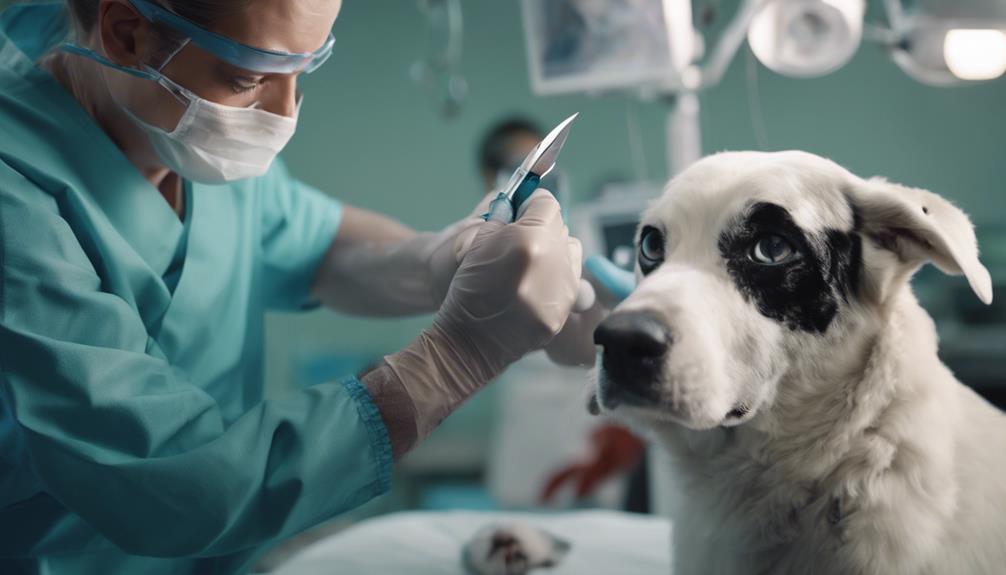
Correcting ectropion in dogs involves two main surgical techniques: eyelid shortening and surgical procedure steps. The goal of these methods is to restore the eyelid's normal position and function, which in turn alleviates symptoms like conjunctivitis and corneal ulcers.
Eyelid shortening techniques involve reducing the length of the eyelid to bring it back to its normal position. This can be achieved through various methods, including removing excess skin, tightening the eyelid muscles, or reattaching the eyelid to its normal position.
The surgical procedure typically involves several steps. First, the dog is placed under general anesthesia to minimize discomfort. Next, the surgeon makes an incision in the affected eyelid to access the underlying tissue. The excess skin or tissue is then removed or repositioned, and the eyelid is closed using sutures or staples.
Understanding these surgical correction methods will help you make an informed decision about the best course of treatment for your dog.
Eyelid Shortening Techniques
Surgically correcting ectropion in dogs often involves eyelid shortening techniques. These procedures remove a portion of the eyelid to restore its normal position and alleviate symptoms. By shortening the eyelid, you can prevent corneal scarring and conjunctiva irritation, improving your dog's quality of life.
Eyelid shortening techniques have several key aspects:
The lateral tarsal strip procedure is the most common method, involving removal of a section of the eyelid and reattachment to the lateral canthus.
Another technique is the Kuhnt-Szymanowski procedure, which removes a triangular section of the eyelid and reattaches it to the lateral canthus.
The procedure can be performed under general or local anesthesia, depending on the severity of the condition and the dog's overall health.
The goal of surgical correction is to restore the eyelid's normal anatomy, alleviate ectropion symptoms, and improve the dog's quality of life.
Surgical Procedure Steps
The surgical procedure to treat ectropion in dogs begins with a precise incision in the lower eyelid to remove excess tissue and reposition the eyelid to its normal position. This step, called blepharoplasty, shortens and tightens the lower eyelid to correct the ectropion.
During the surgery, a lateral canthotomy may be performed to increase eyelid mobility and relaxation. A tarsorrhaphy, which involves suturing the upper and lower eyelids together, may also be used to promote healing and stability.
After the procedure, your dog will require post-operative care to ensure a smooth recovery. This typically includes:
- Administering pain medication to minimize discomfort
- Applying topical antibiotics to prevent infection
- Monitoring the eye health to detect any potential complications
- Advertisement -
Post-Operative Care Essentials
Post-operative care is critical to the success of your dog's ectropion surgery. For two weeks, you'll need to closely monitor your dog's recovery and follow your veterinarian's instructions to prevent complications.
Monitor your dog's eye health daily for signs of infection, such as redness, swelling, or discharge. If you notice any of these signs, contact your veterinarian immediately.
Administer medication as prescribed by your veterinarian to prevent infection and manage pain. Be sure to follow the instructions carefully to ensure your dog receives the correct dosage at the right time.
Use Elizabethan collars or cones of shame to prevent your dog from rubbing or pawing at their eyes, which can lead to complications. This may seem uncomfortable for your dog, but it's essential for a successful recovery.
Work with your veterinarian to ensure your dog's pain is well-controlled. This will aid in their recovery and reduce the risk of complications.
Schedule and attend all follow-up appointments with your veterinarian to assess your dog's recovery, remove sutures or staples, and address any concerns or complications. These appointments are crucial to ensuring your dog's full recovery.
Managing Chronic Ectropion

To manage chronic ectropion in your dog, establish a regular eye care routine to prevent complications. Apply lubricating eye drops or ointments to keep the cornea moist and reduce the risk of infection. Monitor and manage any discharge, which can be a sign of underlying infection or inflammation. Regularly cleaning the eye area with a damp cloth can also help remove dirt and debris. Be sure to consult with your veterinarian to determine the best course of treatment and to monitor your dog's progress.
Eye Care Routines
Daily attention to your dog's eye health is crucial for managing chronic ectropion. By following a regular eye care routine, you can prevent corneal drying and conjunctival irritation and ensure your dog receives the best possible care.
To maintain your dog's eye health, follow these steps:
Apply lubricating eye drops or ointments daily to prevent corneal drying and conjunctival irritation.
Monitor your dog's eye health daily for signs of conjunctivitis, corneal ulcers, or other complications that require veterinary attention.
Use a Schirmer tear test to assess tear production and determine the best course of treatment.
Consider using warm compresses and gentle massage to stimulate tear production and promote eye health.
Schedule regular veterinary check-ups every 2-3 months to monitor the condition and adjust treatment as needed.
Managing Discharge
Managing discharge is crucial when dealing with chronic ectropion in dogs. Discharge can cause tearing, leading to further irritation and potentially corneal scarring if left untreated.
To address discharge, your veterinarian may recommend lubricating drops or ointments to reduce irritation and discomfort. In cases where infection is present, antibiotic drops may be prescribed. It is essential to follow the treatment plan carefully to achieve the best outcome.
Ectropion is characterized by the rolling outward of a dog's lower eyelid, exposing the conjunctiva and leading to chronic irritation and discharge. By proactively managing discharge, you can reduce your dog's discomfort and prevent more severe complications.
Preventing Complications
About 50% of dogs with ectropion will develop complications like conjunctivitis or keratitis if their condition is left untreated or improperly managed. To prevent these complications, follow these steps:
Use antibiotic drops and ointments as directed to combat infections and reduce inflammation in the conjunctiva and cornea.
Keep the eye area clean and moist by gently wiping away discharge with a damp cloth and applying ointments or eye drops to prevent corneal drying.
Monitor for signs of complications, such as redness, swelling, discharge, or squinting. Seek veterinary care immediately if you notice any of these signs.
Schedule regular follow-up appointments with your veterinarian to catch potential complications early on and reduce the risk of corneal scarring or other serious issues.
Follow your veterinarian's instructions carefully, as they have prescribed a specific treatment plan for your dog's ectropion.
Frequently Asked Questions
How Do You Fix Ectropion in Dogs?
Ectropion in dogs is fixed by correcting the abnormal eyelid anatomy that compromises their eye protection. This condition affects the delicate balance between the canine eyelids, facial structure, and tear duct function, which can lead to vision loss if left untreated. Certain breeds and genetic factors can contribute to ectropion, resulting in facial asymmetry. To address this, it's essential to understand the complex relationships between eyelid anatomy and eye morphology. By doing so, you can restore normal function and prevent complications.
How Do You Treat Entropion in Dogs Without Surgery?
Treating entropion in dogs without surgery requires a gentle and multi-faceted approach. Apply topical creams to soothe the affected area and reduce discomfort. Medical massage or facial massage can also help relax the surrounding tissue and alleviate tension. Keeping the tear duct moist with eye lubricants is essential. In addition, consider incorporating natural remedies and alternative therapies to help manage symptoms. By taking a gentle and comprehensive approach, you can improve your dog's comfort and reduce the risk of complications.
How Do You Fix Ectropion Without Surgery?
To fix ectropion without surgery, start by gently massaging your dog's eyelids to relax the muscles. Apply eye lubricants and topical creams to soothe the area. Clean their eyes gently to remove dirt and debris. Protect their eyes with goggles to prevent further irritation. Medicated drops and warm compresses can also provide relief. Additionally, gentle exercises and herbal remedies may help alleviate symptoms. It's essential to be patient and consistent when treating ectropion without surgery. With a combination of these methods, you can make a significant difference in your dog's comfort and quality of life.
How Successful Is Entropion Surgery in Dogs?
Entropion surgery in dogs has a high success rate, with 85% of dogs showing significant improvement. To minimize the risk of complications, it's essential to follow your veterinarian's post-operative care instructions carefully. With proper care, the majority of dogs recover quickly and don't require further surgery. In fact, 90% of dogs do not need additional surgical procedures. Entropion surgery is a reliable solution for treating entropion in dogs, offering a high likelihood of successful outcomes.
In summary
Treating ectropion in dogs requires a two-pronged approach: medical therapy and surgical correction. This combination is essential for effective management. Post-operative care is also crucial for a successful outcome. By following a well-structured treatment plan, you can significantly improve your dog's quality of life, reducing discomfort and preventing potential complications.
It's essential to understand that each dog's case is unique, and your veterinarian will tailor a treatment plan to your dog's specific needs. Medical therapy may involve antibiotics, anti-inflammatory medications, or other prescribed treatments to manage symptoms. Surgical correction can help restore the normal position of the eyelid.
After surgery, diligent post-operative care is vital. This may include administering medication, applying topical treatments, and monitoring your dog's progress. By staying committed to the treatment plan and following your veterinarian's guidance, you can help your dog recover quickly and comfortably.
- Advertisement -