

What Are the Best Techniques for Recall Training
- Advertisement -
You’ll need to establish a strong foundation in recall training by focusing on consistency, positive reinforcement, and gradual exposure to distractions to achieve a reliable recall. Start by teaching your dog a recall cue, such as “come” or “here”, in a low-distraction environment and reward good behavior with high-value treats and praise. For expert guidance on this, you can refer to the American Kennel Club’s step-by-step recall training guide. Gradually increase the distance and distractions, and practice daily to build trust and a clear understanding of what’s expected. Consistency is key, so avoid punishment and guarantee rewards are consistent. By mastering these techniques, you’ll be on your way to achieving a reliable recall, and there’s more to explore in these best techniques for training recall to refine your skills.
Key Takeaways
- Consistency is key in recall training; use the same cue, reward system, and training environment to create a clear understanding of what’s expected.
- Positive reinforcement with high-value treats and praise is an effective approach to achieving reliable recall, rather than punishing the dog for not responding.
- Gradually increase distractions, distance, and duration in training to build the dog’s confidence and reliability in responding to the recall cue.
- Practice recall training in various environments and situations to generalize the behavior and build trust between the dog and its owner.
- Reward eye contact and proximity to increase the dog’s willingness to respond to the recall cue, and use a systematic approach to overcome distractions and challenges.
Understanding Reliable Recall Training
A reliable recall is crucial for off-leash activities with your dog. It means your dog responds to the “come” cue 99.99% of the time, ensuring safety and freedom for both you and your dog. Consistency is key in recall training. Establish a consistent recall cue, such as “come,” and only use it when your dog is moving towards you.
Positive reinforcement training is an effective approach to achieving reliable recall. A study in the Journal of Veterinary Behavior provides scientific evidence on the effectiveness of various training methods. You can further explore how to master positive reinforcement training for dogs. Focus on rewarding good behavior with high-value treats and praise, rather than punishing your dog for not responding. To learn more, check out these effective dog behavior correction techniques. This creates a clear understanding of what’s expected and helps your dog learn and grow.
Remember, dogs are not robots, and there’s no 100% guarantee of response. However, with proper training and positive reinforcement, you can achieve a reliable recall. A reliable recall is built on trust between you and your dog, and practice in various environments and situations helps build this trust.
To achieve reliable recall, focus on rewarding desired behavior, not punishing your dog for not responding. This approach helps build trust and avoids creating fear and distrust. With consistent training and positive reinforcement, you can develop a strong recall with your dog.
Building a Strong Foundation for Recall Training
Building a strong foundation in recall training is crucial for achieving reliable recall with your dog. Start by teaching your dog a recall cue, such as “come” or “here”, in a low-distraction environment, like inside your house. Use a toy or treat to motivate them. When your dog approaches, praise them and reward them with a treat. Add the verbal cue when they start moving towards you.
Consistency is key in recall training. Reward good behavior consistently to create a clear understanding of what’s expected. This makes it easier for the dog to learn and grow. Use a mix of rewards, including food, praise, and toys, to keep the dog engaged and motivated. Tailor rewards to individual preferences.
Gradually increase the distance and distractions within the low-distraction environment. Add people or toys to challenge your dog and build a strong foundation. Practice daily, increasing difficulty and distractions, and reward with high-value treats to associate recall with positive outcomes.
Avoid repeating the recall cue excessively. Instead, reward eye contact and proximity to you to build trust and a reliable response. Focus on building trust and a strong foundation, and you’ll be well on your way to achieving reliable recall with your dog.
Remember to keep your training sessions slow and controlled. Rushing the process can lead to confusion and mistrust.
Overcoming Distractions and Challenges in Recall Training

To enhance your dog’s recall training, especially in distracting environments, start with small distractions and gradually increase the challenge. For example, begin with people standing between you and your dog, then advance to people walking across the recall path, other dogs, balls, and toys.
Consistency is vital in recall training. Reward your dog every time they respond to the recall cue, reinforcing the desired behavior. If your dog fails to respond due to a distraction, immediately stop them from engaging with it and restart the recall training exercise. By consistently practicing recall training in various situations, your dog will learn to focus on you, even amidst tempting distractions.
To help your dog overcome distractions:
- Increase the value of rewards, such as using high-value treats and praise, to motivate your dog to focus on the recall cue.
- Practice recalls in new locations and environments to generalize the recall behavior and improve your dog’s ability to respond to the cue in various situations.
- Use a long line to provide a safe and controlled environment to practice recalls with distractions, allowing your dog to learn to respond to the cue while still maintaining a level of freedom.
- Gradually increase the distance between you and your dog during recall training to simulate real-life scenarios.
Effective Training Techniques
Effective recall training involves three key elements: positive reinforcement, consistency, and gradual exposure to distractions. Reward your dog with high-value treats and avoid punishment to establish a strong foundation for responding to the recall cue. Crate training can also aid in recall training by associating the crate with positive experiences, providing a safe space for dogs. As you progress, introduce new environments and situations to ensure your dog generalizes the behavior.
Positive Reinforcement Methods
To get your dog to come when called, use positive reinforcement methods that focus on rewarding desired behaviors rather than punishing undesired ones. This approach creates a strong association between the recall cue and the desired response, motivating your dog to come when called.
Reward your dog immediately with high-value treats, praise, and affection when they respond to the recall cue. This creates a positive association.
Gradually increase distractions and distance during training to help your dog generalize their learning to new situations.
Consistency is crucial: use clear and concise cues, and deliver rewards immediately after the desired behavior.
Positive reinforcement methods promote a strong bond between you and your dog, building trust and encouraging a reliable recall response.
Consistency Is Key
Consistency is crucial during recall training. It helps build trust and a strong reinforcement history, making it more likely your dog will come when called every time. To achieve this, use the same recall cue, tone, and hand signal consistently. This helps your dog understand the cue and respond reliably. Consistently rewarding your dog for responding to the recall cue is also essential, as it reinforces the desired behavior and motivates your dog to come when called.
Socialization, which involves positive reinforcement and rewards, plays a key role in developing a well-behaved dog. It’s essential to start socialization early, ideally from 8 weeks old. Inconsistent recall cues, rewards, and training environments can confuse your dog and weaken the recall behavior. For socialization tips, explore the key benefits of group training.
To create a reflexive response in your dog, maintain consistency throughout the training process. This makes it more likely your dog will respond to the cue in high-distraction situations. Use high-value rewards and a clear, consistent cue to reinforce the behavior and strengthen your dog’s recall.
Gradual Distraction Increase
Effective recall training requires a strategic approach to distractions. To help your dog generalize the behavior to real-life situations and build a stronger response to the cue, you need to gradually introduce distractions.
Start by adding small distractions, such as people standing between you and your dog. Gradually increase the level of distractions, like other dogs, balls, and toys. Consistency is key in positive reinforcement training. Reward your dog every time they exhibit the desired behavior, and do so consistently in terms of timing. This helps your dog understand what behavior is being reinforced, increasing the likelihood of that behavior happening again.
- Advertisement -
To overcome distractions, increase the value of rewards. Use high-value treats and praise to motivate your dog to respond to the recall cue. A mix of rewards, including food, praise, and toys, keeps the dog engaged and motivated.
Practice recalls in new locations and environments to help your dog understand that the recall cue is universal and applicable in different contexts.
Gradually increase the distance and duration of the recall. Start with a long line and gradually increase the freedom. This builds your dog’s confidence and reliability in responding to the cue.
Common Mistakes to Avoid in Recall Training
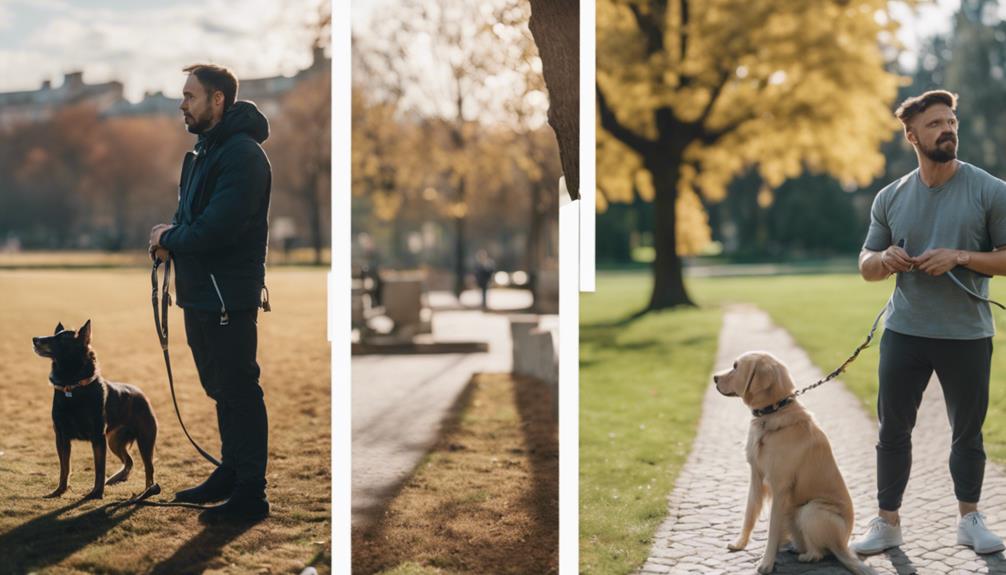
To avoid derailing your recall training efforts, steer clear of common mistakes that can hinder your dog’s progress.
First, don’t call your dog when they’re not ready to respond. This can undermine your recall training. Instead, start with short distances and gradually increase them to ensure your dog is fully prepared to respond to the cue. Consistency is crucial in positive reinforcement training, so be sure to reward your dog every time they exhibit the desired behavior.
Another mistake is only rewarding your dog when they’re close by. This can create a habit where your dog only responds to the recall cue when they’re already near you. To avoid this, reward your dog for responding to the cue from a distance, even if it’s just a few feet away.
Lastly, don’t overlook distractions. Training in a quiet, distraction-free area won’t prepare your dog for real-world scenarios. Gradually introduce distractions, starting with mild ones, to help your dog learn to focus on the recall cue despite any commotion around them.
Consistency and positive reinforcement are crucial for successful recall training. By maintaining consistency, you create a reflexive action in your dog, achieved through hundreds of repeated successful training sessions. Regular practice is key to achieving this. Both timing and rewards must be consistent so that your dog understands which behavior is being reinforced, making it more likely to happen again.
Positive reinforcement techniques, such as high-value treats and verbal praise, effectively associate the recall cue with positive outcomes. This encourages your dog to respond promptly to the cue “come,” leading to more successful recall training.
To achieve reliable recall, follow these essential tips:
- Practice recall training in short sessions of five to 20 repetitions per day to build a strong foundation and avoid frustration.
- Avoid repeating the recall cue excessively, as it can lead to desensitization. Instead, use it only when your dog is moving towards you.
- Reward eye contact and proximity, as this strengthens your bond and increases your dog’s willingness to respond to the recall cue.
Be consistent in your training, using the same cue and reward system, to avoid confusing your dog.
Advanced Recall Training Strategies
Advanced recall training requires a systematic approach to overcome distractions, distance, and duration. For professional-level advice, consider exploring the Association of Professional Dog Trainers’ guide on reliable recalls. To achieve this, you’ll need to gradually increase these factors to simulate real-life scenarios and strengthen your dog’s response to the recall cue.
Consistency is crucial. Use the same verbal cue every time you ask your dog to perform a specific behavior and reward good behavior to create a clear understanding of what’s expected. This helps your dog learn and grow.
High-value reinforcers and varying reward schedules can maintain your dog’s motivation and enthusiasm for responding to the recall cue, even in the presence of distractions. Train flawlessly and minimize mistakes to build your dog’s confidence and trust in the recall cue.
Collect data on your dog’s behavior and adjust your training approach accordingly. This helps identify patterns and areas for improvement, ensuring a strong and reliable recall.
Use the “come” cue consistently and positively, rewarding your dog for responding promptly. As you increase distance and distractions, your dog will learn to respond reliably to the cue, even in challenging situations.
Frequently Asked Questions
What Is the Best Way to Teach Recall?
Teach recall effectively by starting with clear, concise commands like “come” or “here”. Use positive reinforcement with high-value rewards in quiet areas with minimal distractions. Begin with short sessions in a controlled environment and gradually increase distance and distractions. Incorporate exercises like hiding treats or toys to make it engaging. Consistency is key, so be patient, consistent, and calm.
To build a strong reflexive response, keep sessions short and use consistent cues. Avoid overwhelming your learner with too much information at once. Instead, gradually increase the difficulty level as they become more confident. By following these steps, you can develop a reliable recall response.
How Do You Train Excellent Recall?
To train excellent recall, use positive reinforcement, clear commands, and consistent rewards. Begin in quiet areas with short sessions, incorporating high-value treats and visual cues. As your dog becomes more focused, introduce distractions and fun activities to maintain engagement.
In the early stages, prioritize building a strong connection with your dog, making recall an enjoyable experience. Gradually increase distractions and distances, always rewarding your dog’s efforts. Consistency and patience are key to achieving a reliable recall response in various situations.
What Is the Best Lead for Recall Training?
When it comes to recall training, the right lead is essential. A harness lead is the best choice for comfort and safety, rather than a flat collar or choke chain. Opt for durable and easy-to-handle materials like rope or bungee leads.
Fixed-length leads, typically 10-20 meters, provide a clear boundary for your dog. Avoid Flexi leads, which can be distracting and hinder the training process.
How to Use a Training Lead for Recall?
To use a training lead for recall, start in a distraction-free area with a 20-30 foot lead. Hold the lead with a relaxed grip, allowing your dog to move freely while maintaining control. As you progress, introduce distractions and increase the lead length to simulate real-life scenarios. Adjust the lead to keep your dog focused, increasing distance and freedom as they become more reliable.
In summary
Training reliable recall is crucial for your dog’s safety. Consistent recall training can significantly improve your dog’s response to your calls in emergencies. Studies show that dogs with consistent recall training are 2.5 times more likely to respond to their owners’ calls in these situations.
By following the strategies outlined in this article, you can develop a strong bond with your dog based on trust, consistency, and positive reinforcement. This will help ensure your dog’s safety and strengthen your relationship with them.
- Advertisement -