

Preparing Your Senior Dog for Winter: Essentials
- Advertisement -
As you prepare your senior dog for winter, focus on creating a warm and comfortable indoor environment with draft-free bedding, heated dog beds, and protector paw balm. Dress them in warm, waterproof apparel like sweaters and coats designed for senior dogs with arthritis or joint issues. Certify a balanced diet rich in protein, joint-friendly ingredients, and easy-to-digest foods. Modify exercise routines to include shorter, more frequent walks and indoor activities like hide-and-seek and scent games. Regular veterinary check-ups will help identify health issues early, and you'll find more essential tips and advice to keep your senior dog thriving this winter.
Key Takeaways
- Ensure your senior dog's bedding is warm, dry, and draft-free to create a comfortable environment.
- Provide extra insulation and protection from the cold with dog sweaters, coats, and boots.
- Trim long hair around their feet to prevent ice balls from forming, and use paw wax to prevent dry, cracked skin.
- Modify their exercise routine to adapt to changing weather, incorporating indoor exercises and shorter, more frequent walks.
- Prioritize veterinary care and health check-ups to keep your senior dog healthy and comfortable during winter.
Indoor Comfort and Warmth
As winter arrives, providing a comfortable indoor space is crucial for your senior dog's well-being. To create a comfortable environment, start by ensuring their bedding is warm, dry, and draft-free. Add extra blankets or a heated dog bed to keep them cozy.
Rearrange your furniture to create a quiet, peaceful area for your senior dog to relax, reducing stress and anxiety that can exacerbate joint pain. Cold weather can cause stiffness and discomfort in your senior dog's joints, so a warm space can help alleviate this pain.
Protect your senior dog's paws from cold floors by adding area rugs or mats with good grip to prevent slipping. Apply a paw balm or wax to shield their paws from harsh winter conditions. By providing a warm, comfortable indoor space, you can improve your senior dog's quality of life during the winter months.
Winter Apparel Essentials
Winterizing your senior dog's wardrobe is crucial for their comfort and safety. As temperatures drop, provide extra insulation and protection from the cold with dog sweaters or coats. Ensure a comfortable fit by measuring your dog accurately, allowing for freedom of movement.
Protecting your dog's paws from cold surfaces and harmful substances like salt and de-icers is vital. Dog boots are especially beneficial for dogs with arthritis or sensitive paw pads. Consider clothing designed specifically for senior dogs with arthritis or joint issues, which can provide additional support and comfort.
Choose winter apparel that prioritizes your dog's comfort and mobility. Opt for clothing that is comfortable, doesn't restrict movement, and is easy to put on and take off. This will minimize stress and make regular use convenient.
In cold weather, jackets and coats can be essential for your senior dog. Look for ones that provide extra warmth and protection without compromising mobility. By dressing your senior dog in the right winter apparel, you can keep them warm, comfortable, and protected from harsh winter elements.
Maintaining a Healthy Diet
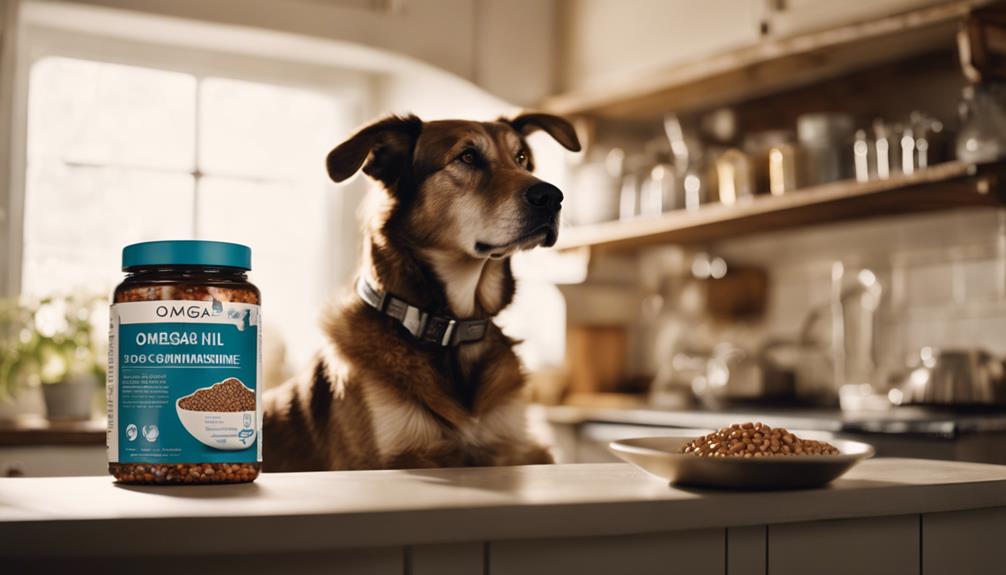
As your dog ages, their dietary needs change. To ensure they stay healthy and energized, it's crucial to provide adequate nutrition. Older dogs often experience joint issues, which can worsen in cold weather. A well-balanced diet is essential to support their overall health.
A healthy diet for senior dogs should include:
- High-quality protein sources, such as chicken, fish, or beef, to maintain muscle mass and strength.
- Joint-friendly ingredients like glucosamine and chondroitin, which can alleviate joint pain and stiffness. Consult your veterinarian to determine the best options for your dog.
- Easy-to-digest ingredients, which are gentle on their system and minimize digestive issues.
Regular Exercise and Activities
Exercise is crucial for your senior dog's physical and mental health during winter. Regular physical activity improves joint health, maintains a healthy weight, and reduces the risk of chronic diseases.
To adapt to the changing weather, modify your dog's exercise routine. Opt for shorter, more frequent walks to avoid putting excessive strain on their joints. Indoor exercises like hide-and-seek and scent games are low-impact alternatives that keep your dog mentally stimulated and active. These activities can be tailored to suit their energy levels.
Regular veterinary check-ups help identify underlying health issues that may impact your dog's ability to exercise. Your veterinarian can provide personalized advice on the best exercise routine for your senior dog, considering their age, breed, and health status.
Remember to adjust your dog's exercise routine according to their individual needs and abilities. By doing so, you can help maintain their overall health and well-being during the winter months.
Veterinary Care and Health Check-ups

To keep your senior dog healthy and comfortable during winter, prioritize veterinary care and health check-ups. Discuss joint discomfort management with your veterinarian and schedule regular check-ups. Monitor your dog for signs of cold stress, such as shivering, whining, or lethargy. Regular check-ups help identify potential health issues early, allowing for prompt treatment. Your veterinarian can also provide guidance on managing your senior dog's health during the cold winter months.
Joint Discomfort Management
As winter approaches, it's crucial to prioritize your senior dog's joint health. Cold weather can exacerbate joint discomfort, leading to stiffness and difficulty rising. This discomfort is often caused by arthritis.
If you notice your senior dog slowing down, consult with a veterinarian to discuss joint discomfort management. They can recommend joint supplements, pain relief medication, or physical therapy to alleviate joint discomfort. Additionally, monitor your senior dog for signs of cold stress, such as shivering or lethargy, to prevent joint discomfort and other health issues.
To ensure your senior dog remains comfortable and active, follow these steps:
Schedule regular check-ups with your veterinarian to identify and address potential health issues early.
Monitor your senior dog for signs of cold stress to prevent joint discomfort.
Work with your veterinarian to develop a customized plan to manage joint discomfort.
Regular Health Check-Ups
Regular health check-ups are crucial for your senior dog's health, especially during the winter months. As your dog ages, they become more prone to health issues that can be worsened by cold weather.
Schedule at least two health check-ups per year, with one during the winter season. These check-ups allow your veterinarian to:
- Assess your dog's overall health
- Provide guidance on managing joint pain and discomfort
- Recommend supplements or medications to support their immune function and energy levels
- Identify underlying health conditions that may be exacerbated by winter weather, such as heart disease, respiratory issues, or skin conditions
Regular check-ups can help prevent winter-related health emergencies and ensure your dog stays comfortable and healthy throughout the season. By staying on top of your senior dog's health, you can address potential issues early, reducing the risk of complications and improving their quality of life.
Cold Stress Monitoring
Regular veterinary check-ups are crucial for your senior dog during winter. As dogs age, their metabolism and circulation slow down, making them more susceptible to cold stress, which can lead to hypothermia if their body temperature drops below 95°F (35°C).
Monitor your senior dog's behavior and physical condition closely during winter. Look for signs of cold stress, such as:
- Decreased appetite
- Lethargy
- Changes in gait or posture
Three key things to remember:
Regular veterinary check-ups can identify potential health issues, like arthritis and heart disease, that can worsen in cold temperatures.
Monitoring your senior dog's temperature and behavior helps detect early signs of cold stress.
Your veterinarian can provide the best course of treatment, which may include a warm and safe environment, medication, and nutritional support.
Winter Gear and Protective Items
Winter Gear and Protective Items for Senior Dogs
As winter approaches, outfitting your senior dog with the right gear is crucial for their comfort and safety. Winter boots or paw protectors are essential to protect their paws from injuries and abrasions caused by running on ice and salt. They also provide traction on slippery surfaces.
A well-fitting, waterproof winter coat or jacket can keep your senior dog warm and dry. This is especially important for short-haired or thin breeds. Look for jackets specifically designed for senior dogs, which provide extra warmth and comfort, particularly for dogs with arthritis or joint pain.
Paw wax or balm is another vital item to consider. It protects your dog's paw pads from drying out and cracking in cold weather and provides additional traction on icy surfaces. Apply paw wax or balm to your dog's paw pads before going outside to safeguard them from harsh winter conditions.
Investing in the right winter gear and protective items can help keep your senior dog safe and comfortable throughout the winter season.
Cozy Clothing and Accessories
- Advertisement -
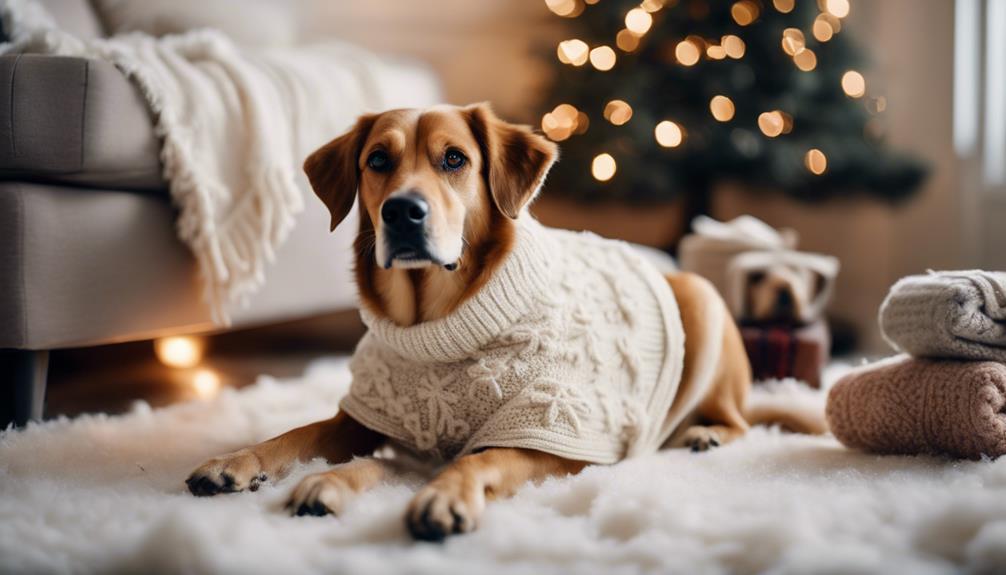
When preparing your senior dog for winter, consider clothing and accessories that provide warmth and comfort. Essentials like dog sweaters, coats, and paw wax can significantly improve your dog's comfort level. By choosing the right clothing and accessories, you can keep your senior dog warm, dry, and happy during the cold winter months.
Winter Warmth Essentials
Senior dogs, especially those with arthritis, thin coats, or certain health conditions, need extra warmth during winter. To prevent cold stress and discomfort, it's crucial to keep them warm and cozy.
You'll need the following essentials to keep your senior dog warm:
- Thermal dog beds or mats provide extra warmth and comfort, particularly for dogs with arthritis or joint pain.
- Warm coats or jackets with waterproof and breathable materials keep your dog dry and warm in cold weather.
- Warm booties or paw protectants protect your dog's paws from cold surfaces, salt, and ice, while providing traction on slippery surfaces.
Dog Sweater Selection
Selecting the right dog sweater for your senior dog is crucial for their comfort and warmth during the cold winter months. To ensure a comfortable fit, measure your senior dog carefully, considering their flexibility and ease of movement.
Look for dog sweaters made from breathable, moisture-wicking materials like merino wool, fleece, or cotton. These materials help regulate your senior dog's body temperature.
Features like adjustable Velcro closures, reflective strips, or built-in harnesses can add convenience and safety. Opt for dog sweaters with a snug fit around the neck and chest to prevent cold air from entering. Choose sweaters with a longer length to cover the belly and back.
Some dog sweaters are specifically designed for senior dogs, offering extra warmth, joint support, or arthritis relief. Research and select a sweater that meets your senior dog's specific needs. This will provide them with the comfort and warmth they need to thrive during the winter months.
Comfortable Coat Options
When choosing a comfortable coat for your senior dog, consider three key features: insulation, coverage, and leash or harness attachments. These features ensure your dog stays warm and comfortable during winter.
To select the right coat, consider your dog's age, size, and mobility issues. Measure your dog carefully to ensure a comfortable fit and freedom of movement. Look for sweaters or coats with extra insulation, such as the ALQO WASI Chunky Cable Wool Knit Dog Sweater, which provides protection from the cold.
Consult with a veterinarian to determine the best winter apparel for your senior dog based on their individual needs and health conditions.
Paw Care and Hydration
As winter approaches, your dog's paws are more prone to dryness and discomfort due to cold temperatures and icy surfaces. To prevent this, keep their paws hydrated and moisturized. Using paw wax regularly helps to prevent dry, cracked skin, which can lead to discomfort, inactivity, and even infection. Paw wax is useful year-round to protect paws from hot and cold pavement.
If your dog has long hair, trim it around their feet to prevent ice balls from forming between their pads and toes. This can cause discomfort and irritation. When cleaning your dog's feet, use warm water to remove deicing substances like sodium chloride and calcium chloride, which can cause irritation. Make sure to clean all areas, including between the toes and pads.
Some dogs may require a paw balm or moisturizer to combat dry skin, especially during winter when the air is drier and colder. By taking these steps, you can keep your dog's paws warm, dry, and comfortable, ensuring they stay active and healthy throughout the winter season.
Health and Wellness Supplements
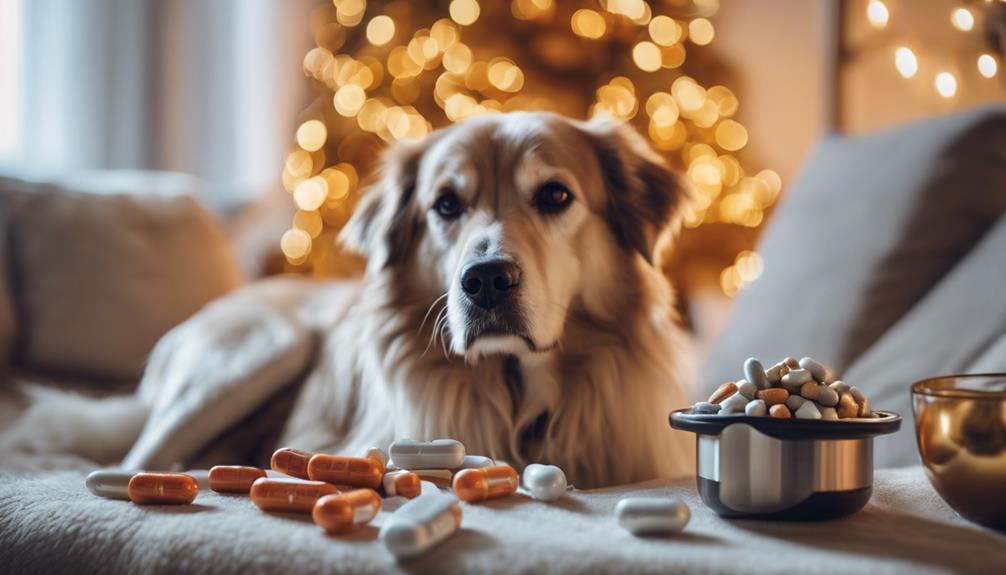
Winter's chill can affect your senior dog's overall health, even if you're taking good care of their paws. As dogs age, their bodies become more susceptible to extreme temperatures, which can worsen existing health issues like arthritis. To keep your senior dog comfortable and healthy during winter, consider adding health and wellness supplements to their diet.
Supplements can alleviate joint pain and stiffness, improve mobility, and support overall health. Look for products containing glucosamine, chondroitin, and omega-3 fatty acids, which have anti-inflammatory properties.
Three essential supplements for senior dogs are:
Joint supplements: These support arthritis management and reduce pain.
Antioxidant supplements: These combat oxidative stress and promote overall health.
Probiotics: These support digestive health and boost the immune system.
Remember to choose supplements with the right ingredients to address your dog's specific needs.
Enrichment and Entertainment Ideas
During the winter months, keep your senior dog's mind and body active with interactive toys and games. Puzzle toys provide mental stimulation, keeping your dog's mind engaged.
Gentle indoor exercises, such as stretching or slow play, can maintain your senior dog's physical health without straining their joints. Incorporate these exercises into their daily routine to keep them moving and active.
Scent work and nose games offer mental stimulation and entertainment for your senior dog. These activities can be adapted to your dog's individual abilities and mobility, making them suitable for dogs with varying physical capabilities.
Frequently Asked Questions
How Cold Is Too Cold for an Old Dog?
When determining how cold is too cold for an old dog, consider factors like age, health, and breed.
Temperatures below 32°F (0°C) are generally too cold for extended periods. However, older dogs (over 10 years old) may feel discomfort at temperatures as high as 50°F (10°C). Some breeds are even more sensitive, feeling discomfort at temperatures as high as 40°F (4°C).
Consider your dog's individual cold tolerance, temperature limits, and health considerations to ensure winter safety.
Do Old Dogs Need Coats in Winter?
Old dogs can benefit from wearing coats in winter, especially if they're small, thin-haired, or have joint issues. A coat provides extra insulation, reduces stiffness, and increases comfort. To choose the right coat, measure your dog carefully to ensure a proper fit. Select a material that suits their needs, such as waterproof or breathable fabrics.
When selecting a coat, consider the following factors:
- Size: Measure your dog's length, girth, and neck circumference to ensure a comfortable fit.
- Material: Choose a material that suits your dog's needs, such as waterproof or breathable fabrics.
- Thickness: Select a coat that provides adequate insulation without being too bulky.
How Do I Keep My Elderly Dog Warm?
To keep your elderly dog warm, provide easy-to-wash blankets and consider heated beds or thermal wraps for extra comfort. Cozy sweaters can be especially helpful for short-haired breeds. Warm massages can also increase blood flow and relaxation. You can use heated pet pads or additional heaters in their sleeping area, as long as you supervise and ensure safety. These measures can help create a warm environment and keep your senior dog comfortable.
Do Dogs Get Colder When They Get Older?
As dogs age, their bodies undergo physiological changes that affect their ability to regulate their internal temperature. Metabolic slowdowns, joint stiffness, and circulatory issues make them more sensitive to cold temperatures, increasing their risk of cold stress. This means older dogs are not just feeling cold, but their bodies are struggling to maintain a stable temperature.
These physical changes can lead to difficulties in cold environments, so it's essential to take extra precautions to keep your older dog warm and comfortable. By understanding the physical changes associated with aging, you can better care for your dog and ensure their comfort and well-being.
In summary
As winter approaches, it's essential to take extra care of your senior dog to ensure their comfort and happiness. To prepare your dog for the cold weather, focus on the following key areas:
Provide a warm and comfortable living space by ensuring their bedding is clean, dry, and warm. This will help them stay cozy and relaxed.
Adjust their exercise routine according to the weather. Short, gentle walks and playtime can help maintain their physical health without putting excessive strain on their joints.
Keep them well-fed and hydrated by providing a nutrient-rich diet and fresh water. This will help them stay energized and healthy throughout the winter.
Monitor their health closely, watching for signs of illness or discomfort. Consult your veterinarian if you notice any changes in their behavior or physical condition.
By following these essentials, you can help your senior dog navigate the winter months comfortably and safely.
- Advertisement -