
What Are the Exercise Guidelines for Dogs With Congestive Heart Failure?
Keeping Your Canine Companion's Heart Healthy: Exercise Guidelines for Dogs with Congestive Heart Failure
- Advertisement -
The exercise guidelines for dogs with congestive heart failure (CHF) emphasize the importance of regular, low-impact activities to improve their overall health and quality of life. Suitable exercises include walking, swimming, and gentle playtime activities, with an emphasis on starting slowly and gradually increasing duration. It’s crucial to consult with a veterinarian to create a tailored exercise plan, monitor your dog’s tolerance and signs of fatigue during exercise, and prioritize safety at all times.
Imagine your furry friend’s heart is like a delicate butterfly, fluttering with each beat. Just like you, dogs can also face the challenges of congestive heart failure (CHF). But fear not, for there are exercise guidelines specifically tailored to their needs.
In this discussion, we will explore the importance of exercise for dogs with CHF, the types of exercises suitable for them, the duration and frequency of exercise, how to monitor exercise intensity and the precautions and safety measures to consider.
So, let’s embark on this journey to ensure your four-legged companion’s heart stays strong and healthy.
Key Takeaways
- Regular exercise is important for dogs with CHF as it improves overall health and quality of life.
- Walking, swimming, and gentle playtime activities are suitable exercises for dogs with CHF.
- Start with short exercise sessions and gradually increase duration, monitoring breathing rate and signs of fatigue.
- Consult with a veterinarian before starting any exercise routine and adjust the intensity accordingly to ensure safety.
Importance of Exercise for Dogs With CHF
Regular exercise plays a crucial role in managing congestive heart failure (CHF) in dogs, helping to improve their overall health and quality of life. As a pet owner, it’s important to understand the importance of exercise for dogs with CHF.
While it may seem counterintuitive to exercise a dog with a heart condition, regular physical activity can benefit their cardiovascular system and help alleviate symptoms. Exercise helps to strengthen the heart muscle, improve blood circulation, and maintain a healthy weight, all of which are important for managing CHF.
However, it’s essential to approach exercise for dogs with CHF with caution. You must consult with your veterinarian to create a tailored exercise plan that suits your dog’s specific condition and limitations. Your veterinarian will consider factors such as your dog’s breed, age, overall health, and the stage of CHF.
They may recommend low-impact exercises like short walks, gentle swimming, or controlled play sessions. It’s important to monitor your dog’s tolerance during exercise and watch for signs of fatigue, coughing, or difficulty breathing. If your dog shows any discomfort or worsening symptoms, it’s crucial to stop the activity immediately and seek veterinary advice.
Types of Exercise Suitable for Dogs With CHF
To ensure the safety and well-being of your dog with congestive heart failure (CHF), it’s important to carefully select appropriate exercises that will support their cardiovascular health. While exercise is beneficial for dogs with CHF, it’s crucial to avoid activities that could strain their heart or cause excessive fatigue. Low-impact exercises are the best choice for these furry companions.
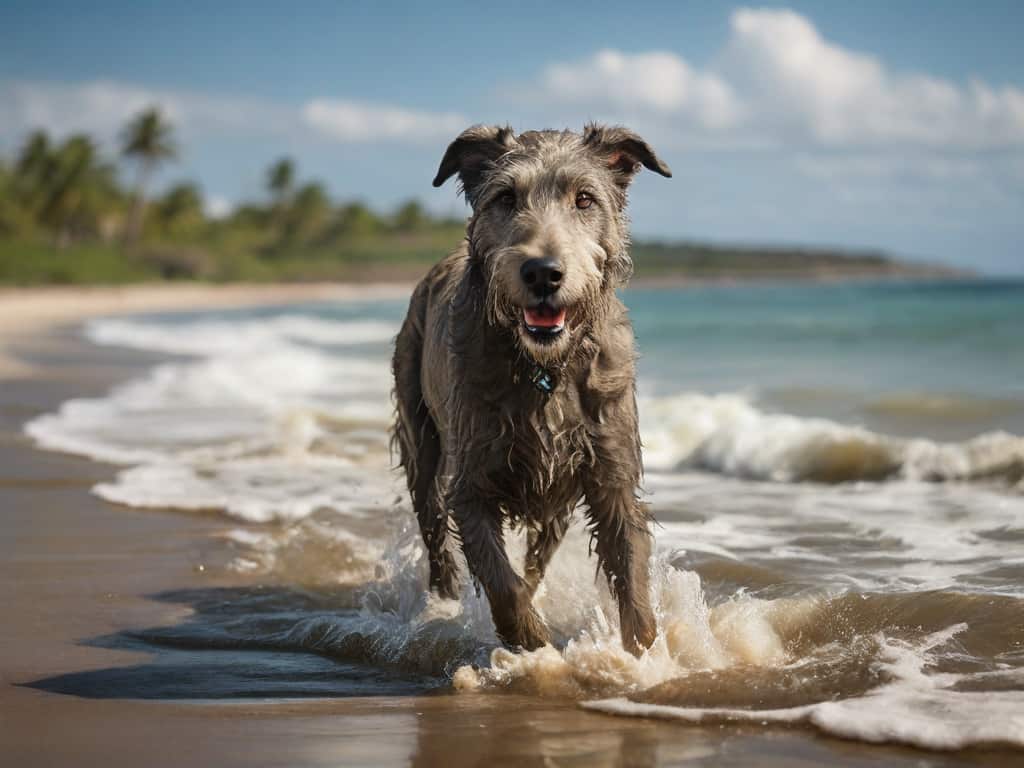
Walking is a great exercise option for dogs with CHF. Start with short, leisurely walks and gradually increase the duration as your dog builds stamina. Additionally, swimming is an excellent low-impact exercise that provides cardiovascular benefits without putting stress on the joints. It’s important to closely monitor your dog while swimming to ensure their safety.
Another suitable exercise for dogs with CHF is gentle playtime. Engage in activities that don’t involve excessive running, jumping, or rough play. Interactive toys, such as puzzle toys or treat-dispensing toys, can help keep your dog mentally stimulated while providing light physical activity.
Remember to always consult with your veterinarian before starting any exercise routine for your dog with CHF. They’ll be able to provide specific recommendations based on your dog’s individual needs. By choosing appropriate exercises, you can help support your dog’s cardiovascular health and improve their overall quality of life.
Duration and Frequency of Exercise for Dogs With CHF
When considering the duration and frequency of exercise for dogs with congestive heart failure (CHF), it’s important to strike a balance between providing enough physical activity to support their cardiovascular health and preventing overexertion that could worsen their condition. Here are some guidelines to help you determine the appropriate duration and frequency of exercise for your furry friend:
- Start slow and gradually increase: Begin with short exercise sessions and gradually increase the duration as your dog builds stamina. This allows their heart to adapt to the increased activity gradually.
- Monitor breathing and fatigue: Pay close attention to your dog’s breathing rate and signs of fatigue during exercise. If they’re panting heavily or struggling to catch their breath, it may be a sign to slow down or take a break.
- Frequent short walks: Instead of long, strenuous exercises, opt for frequent short walks throughout the day. This helps to keep your dog active without putting too much strain on their heart.
- Consult with your veterinarian: It’s crucial to consult with your veterinarian before implementing an exercise routine for your dog with CHF. They can provide personalized recommendations based on your dog’s specific needs and condition.
Monitoring Exercise Intensity for Dogs With CHF
As you continue to support your dog with congestive heart failure (CHF) through exercise, it’s crucial to monitor the intensity of their physical activity. By keeping a close eye on their exercise intensity, you can ensure that they aren’t exerting themselves too much or putting unnecessary strain on their heart.
One way to monitor exercise intensity is by observing your dog’s breathing rate. During exercise, it’s normal for your dog’s breathing to become faster. However, if their breathing becomes excessively rapid or labored, it may indicate that they’re exercising at an intensity that’s too high for their condition. In such cases, it’s important to slow down or take a break to allow their heart rate to return to a normal level.
Another way to monitor exercise intensity is by assessing your dog’s energy levels. If your dog appears fatigued during or after exercise, it may be a sign that the intensity is too high. Pay attention to any signs of discomfort or distress, such as excessive panting, coughing, or reluctance to continue exercising.
To help monitor exercise intensity, you can also use a heart rate monitor specifically designed for dogs. This device can provide real-time feedback on your dog’s heart rate during exercise, allowing you to adjust the intensity accordingly.
Precautions and Safety Measures for Exercising Dogs With CHF
Taking precautions and implementing safety measures is crucial when exercising dogs with congestive heart failure (CHF). By following these guidelines, you can ensure the well-being and safety of your furry friend:
- Consult with your veterinarian: Before starting any exercise program, it’s essential to consult with your vet. They’ll assess your dog’s condition and provide specific recommendations tailored to their needs.
- Start slow and gradually increase intensity: Begin with low-intensity exercises such as short walks and gradually increase the duration and intensity over time. This gradual approach helps prevent overexertion and allows your dog’s cardiovascular system to adapt.
- Monitor your dog’s breathing and behavior: During exercise, keep a close eye on your dog’s breathing rate and behavior. If they start to pant excessively, struggle to catch their breath, or show signs of fatigue, it’s time to take a break and rest.
- Avoid extreme weather conditions: Dogs with CHF may have difficulty regulating their body temperature. Avoid exercising them in extreme heat or cold, as it can put additional strain on their heart and worsen their condition.
As a Result
Exercise plays a crucial role in managing congestive heart failure in dogs.
It’s important to choose low-intensity exercises that are suitable for their condition and monitor their intensity carefully.
Regular but gentle exercise can help improve their overall cardiovascular health and quality of life.
Always consult with a veterinarian for specific guidelines and precautions to ensure the safety and well-being of your furry companion.
- Advertisement -