

Treating Canine Skin Ulcers
- Advertisement -
When your dog develops a skin ulcer, it's essential to work with a veterinarian to identify the underlying cause and develop an effective treatment plan to promote healing and prevent further infection. Your vet will perform a physical examination and may conduct diagnostic tests to rule out fungal or bacterial infections, as well as autoimmune diseases. Identifying the underlying cause is vital for creating a tailored treatment plan, which may involve wound care, antibiotics, or pain medication. By understanding the root of the issue, you can take the necessary steps to support your dog's recovery and learn more about the best ways to manage their condition.
Key Takeaways
- A veterinarian's physical examination and diagnostic tests are necessary to determine the underlying cause of skin ulceration and develop an effective treatment plan.
- Wound care, including keeping the ulcerated skin clean and dry, is crucial to promote healing and prevent further infection.
- Topical treatments with antimicrobials or antifungals, antibiotics, and pain medication may be recommended to address underlying infections and promote healing.
- Preventing self-trauma, such as licking or chewing the lesions, is vital, and dogs may need to wear a cone to avoid exacerbating the condition.
- Regular follow-up appointments with a veterinarian are necessary to monitor progress, adjust the treatment plan as needed, and prevent complications.
Understanding Skin Ulcers
Skin ulcers in dogs are open sores that develop on the skin, often accompanied by infection and discomfort. If you suspect your dog has skin ulceration, consult a veterinarian for a physical examination to determine the underlying cause.
The veterinarian will examine your dog's skin, noting the ulcer's size, depth, and location. Diagnostic tests may be performed to rule out fungal infections or autoimmune diseases that can contribute to skin ulceration.
To develop an effective treatment plan, it's essential to identify the underlying cause of the skin ulcer. Your veterinarian will work with you to determine the root cause and create a customized plan to address it.
Wound care may be recommended to promote healing and prevent further infection. Depending on the severity of the ulcer, treatment plans may vary. By working with your veterinarian, you can help your dog recover from skin ulceration and prevent future occurrences.
Causes and Risk Factors
Skin ulcers in dogs can have various causes, and identifying the underlying reason is crucial for effective treatment. Fungal or bacterial infections can lead to skin ulcers. Environmental allergens can also trigger skin problems, resulting in ulcers. Bug bites, particularly from fleas, ticks, or mosquitoes, can cause skin irritation, leading to hot spots and eventually, skin ulcers. Hair loss or thinning around the affected area increases the risk of skin ulcers.
Skin ulcers can be a symptom of underlying conditions, such as hypothyroidism, Cushing's disease, or autoimmune disorders. In some cases, skin ulcers may result from skin cancer or other underlying health issues. Identifying the underlying cause is vital to developing an effective treatment plan. If left untreated, skin ulcers can lead to complications like infections, pain, and discomfort for your dog.
Recognizing the causes and risk factors of skin ulcers in dogs is essential for providing the best possible care for your pet. By identifying the underlying cause of skin ulcers, you can work with your veterinarian to develop a treatment plan that addresses the root of the problem, not just the symptoms. This approach helps ensure your dog receives targeted treatment and minimizes the risk of further complications.
Diagnosis and Treatment Options

Diagnosing skin ulcers in dogs involves a physical examination to assess the ulcer's size, location, and appearance. Your veterinarian may take a sample of the affected area to rule out underlying conditions, such as bacterial or fungal infections. Additional tests, like biopsies or imaging studies, may be necessary to determine the underlying cause of the ulcer.
A confirmed diagnosis leads to a tailored treatment plan. This may include wound dressings, antibiotics, or pain medication to promote healing. The goal is to create an environment that supports healing while addressing underlying conditions.
Effective management of skin ulcers requires a thorough approach that addresses your dog's physical and emotional needs. Working closely with your veterinarian ensures your pet receives the best possible care, and the underlying cause of the ulcer is properly addressed.
Management and Recovery Strategies
To ensure your dog's skin ulcer heals quickly and effectively, proper management and recovery strategies are crucial. Keeping the ulcerated skin clean and dry is essential, as moisture can exacerbate irritation and increase the risk of infection. Your veterinarian may recommend topical treatments with antimicrobials or antifungals to promote healing and prevent infection.
To prevent self-trauma, your dog may need to wear a cone to stop them from licking or chewing the lesions, which can further irritate the skin. Pain management is vital to reduce discomfort and promote healing. Your veterinarian may prescribe antibiotics to treat bacterial infections present in the wound.
Regular follow-up appointments are necessary to monitor progress and adjust the treatment plan as needed. In severe cases, hospitalization may be required for more intensive treatment and monitoring.
A balanced and nutritious diet plays a critical role in aiding the healing process. It can improve your dog's overall health and provide the necessary nutrients for skin regeneration. By following these management and recovery strategies and working closely with your veterinarian, you can help ensure your dog's skin ulcer heals quickly and effectively, and your dog can return to optimal health.
- Advertisement -
Prevention and Complications
Preventing skin ulcers in dogs is crucial. As a responsible dog owner, you can take steps to reduce the risk of skin ulcers.
Regular veterinary check-ups can help identify skin ulcers early on, preventing complications. Keep your dog's living space clean and free from potential irritants that can trigger skin ulcers. A well-balanced diet that meets your dog's nutritional needs can also reduce the risk of skin irritation and infection.
If left untreated, skin ulcers can lead to infections, further tissue damage, and delayed healing. In severe cases, they can cause depression, lethargy, and loss of appetite in dogs due to pain and discomfort. It's essential to work closely with a veterinarian to manage skin ulcers, as adverse reactions to medication can occur.
Frequently Asked Questions
How to Treat a Dog Skin Ulcer at Home?
To treat a dog skin ulcer at home, start by gently cleaning the affected area with mild soap and lukewarm water. Apply topical creams or ointments containing natural ingredients like aloe vera, tea tree oil, or coconut oil to promote healing. Warm compresses can provide relief and reduce discomfort. Consider adding herbal supplements to your treatment plan, such as omega-3 fatty acids or vitamin E, which can aid in skin health. Soothing baths with oatmeal or Epsom salt can also help reduce discomfort and inflammation.
What Does a Dog Skin Ulcer Look Like?
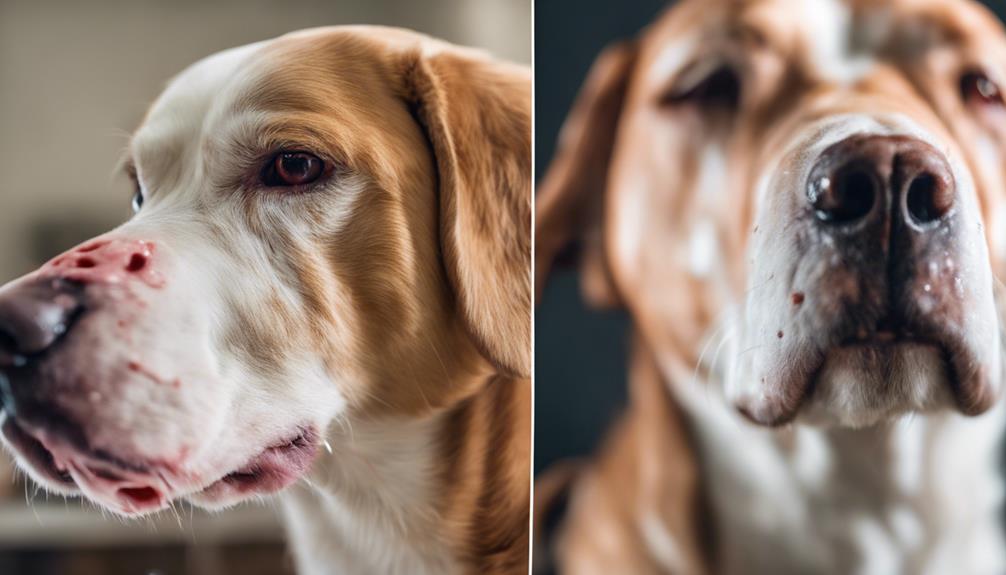
A dog skin ulcer typically appears as a painful, open sore or crater-like depression. It may be accompanied by a foul odor and surrounded by red swelling, skin lesions, or crusty scabs covering weeping wounds. Hair loss, skin cracks, or infected areas may also be present around the ulcer. These wounds are tender to the touch, causing discomfort or pain when manipulated.
How to Treat an Ulcer in a Dog?
Treating an ulcer in a dog requires veterinary guidance to determine the best course of action.
First, clean the wound thoroughly. Then, apply antibiotic ointment and topical treatments as directed by your vet.
Pain management is crucial, so follow your vet's recommendations. In some cases, surgical debridement may be necessary to remove dead tissue.
Your vet may perform additional procedures, such as taking bacterial cultures, classifying the ulcer, measuring the lesion, and performing skin scrapings. These steps help tailor treatment to your dog's specific needs.
What Can I Put on My Dogs Skin Lesion?
When dealing with your dog's skin lesion, you have several treatment options. Topical creams, soothing gels, and cooling balms can calm the skin. If you suspect an infection, antibiotic creams or medicated sprays may be necessary. Natural remedies like aloe vera gel or hydrocortisone cream can also provide relief. However, before applying any new products, consult with your veterinarian to determine the best course of treatment for your dog's specific needs.
In summary
Prompt veterinary care is crucial when treating your dog's skin ulcer. Skin issues, including ulcers, affect around 10% of dogs at some point in their lives. To help your dog recover and prevent future complications, it's essential to understand the causes, diagnosis, and treatment options.
Causes of skin ulcers in dogs can vary, but common ones include bacterial infections, allergies, and skin cancer. Identifying the underlying cause is vital for effective treatment.
Diagnosis typically involves a physical examination, medical history, and laboratory tests. Your veterinarian may perform a biopsy or culture to determine the underlying cause.
Treatment usually involves a combination of antibiotics, topical creams, and wound care. In severe cases, surgery may be necessary. It's essential to follow your veterinarian's instructions carefully to ensure proper healing.
By understanding the causes, diagnosis, and treatment options, you can help your dog recover from a skin ulcer. With proper care and attention, your dog can heal and thrive once again.
- Advertisement -