
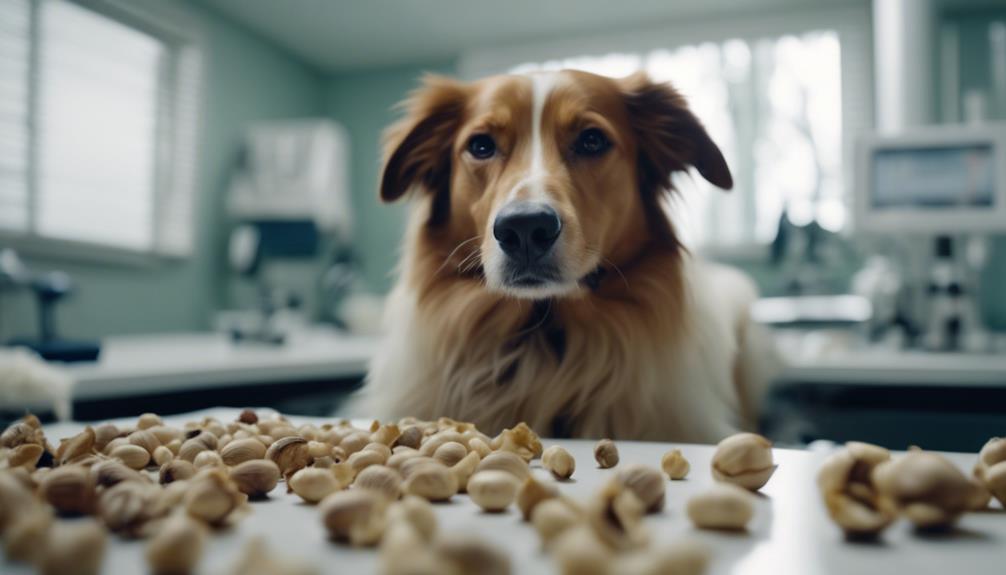
Toxic Effects of Macadamia Nuts in Dogs
- Advertisement -
You're likely aware that macadamia nuts can be toxic to dogs, but what you may not know is that even a small amount can be lethal, with symptoms emerging quickly and a narrow margin of safety. Just a few nuts can cause intoxication in small to medium-sized dogs, with vomiting being a common symptom. Prompt treatment is vital, as the effects can progress rapidly, leading to complications like pancreatitis. As you explore this critical topic further, you'll discover the signs and symptoms of poisoning, diagnosis and treatment options, and essential prevention and risk management strategies to protect your furry friend.
Key Takeaways
- Macadamia nuts can be lethal to dogs, even in small amounts, with toxic effects occurring quickly and a small margin of safety.
- Vomiting is a common symptom of macadamia nut toxicity, and prompt treatment can help alleviate this and other symptoms.
- Certain breeds, like miniature schnauzers, Yorkshire terriers, and dachshunds, are more prone to pancreatitis, which can be triggered by eating high-fat foods like macadamia nuts.
- Early diagnosis and treatment greatly improve a dog's prognosis, so it's crucial to seek veterinary care immediately if macadamia nut ingestion is suspected.
- Store macadamia nuts in secure containers that dogs cannot access to prevent accidental ingestion and reduce the risk of toxicity.
Understanding Macadamia Nut Toxicity
Macadamia nuts can be lethal to dogs, even in small amounts. The toxic effects can occur quickly, and the margin of safety is very small. Just a few nuts can cause intoxication in small to medium-sized dogs.
The exact mechanism of toxicity is unknown, but research shows that dogs can exhibit signs of toxicity after eating as little as 2.4 grams of nuts per kilogram of body weight. If your dog ingests macadamia nuts, seek treatment immediately. Vomiting is a common symptom, and prompt treatment can help alleviate this and other symptoms.
The toxic component in the nut is still unknown, but the fatty acid content is believed to contribute to gastrointestinal issues. Certain breeds, like miniature schnauzers, Yorkshire terriers, and dachshunds, are more prone to pancreatitis, which can be triggered by eating high-fat foods like macadamia nuts.
As a responsible pet owner, it's crucial to be aware of the risks associated with macadamia nuts and take steps to prevent accidental ingestion. Dogs with prior health conditions, such as obesity or pancreatitis, are at higher risk for complications. By understanding the risks and taking proactive measures, you can keep your dog safe from the toxic effects of macadamia nuts.
Signs and Symptoms of Poisoning
Recognizing Macadamia Nut Poisoning in Dogs
If you suspect your dog has eaten macadamia nuts, it's crucial to identify the signs and symptoms of poisoning quickly. Within 12 hours, your dog may show weakness, depression, vomiting, uncoordinated movements, tremors, and/or elevated body temperature.
Initial symptoms usually appear within 3-6 hours and include vomiting, fever, and lethargy. As the poisoning progresses, you may notice:
- A stumbling gait
- Reluctance to use the rear legs
- Inability to stand
- Joint stiffness
- Muscle tremors
In severe cases, your dog's back legs may collapse, making it impossible for them to walk. Additionally, macadamia nut consumption can trigger pancreatitis, leading to:
- Severe abdominal pain
- Dehydration
- Fever
- Depression
- Persistent loss of appetite
Monitor your dog's behavior and physical condition closely. Prompt recognition of these signs and symptoms can greatly impact the effectiveness of treatment.
Common indicators of macadamia nut poisoning include muscle weakness, lethargy, and tremors. If you observe any of these symptoms, seek veterinary attention immediately. The faster you respond, the better your dog's chances of recovery.
Diagnosing Macadamia Nut Poisoning

Diagnosing Macadamia Nut Poisoning in Dogs
If you suspect your dog has eaten macadamia nuts, your veterinarian will start by gathering information. They'll ask about the type and amount of nuts consumed, as well as when your dog ate them. This information helps determine the severity of the poisoning and guides the diagnostic process.
A physical examination will also be performed to check for signs like vomiting, tremors, and weakness. Since macadamia nut poisoning can mimic other conditions, your vet may conduct tests to rule out other possibilities. These tests might include blood work, urinalysis, and imaging studies.
There's no specific test for macadamia nut poisoning, so your vet will rely on your dog's symptoms, medical history, and test results to make a diagnosis.
It's crucial to seek veterinary care immediately if you suspect your dog has ingested macadamia nuts. Early diagnosis and treatment greatly improve your dog's prognosis. Be prepared to provide your vet with detailed information about the incident, including the type and amount of nuts consumed, and when symptoms started.
With a thorough history and diagnostic workup, your vet can provide a diagnosis and develop an effective treatment plan to help your dog recover from macadamia nut poisoning.
Treatment and Supportive Care
Once your dog is diagnosed with macadamia nut poisoning, the veterinarian will focus on providing treatment and supportive care to aid in recovery. In many cases, treatment is not necessary, and the veterinarian may recommend managing symptoms with analgesics, antiemetics, and supportive care.
If your dog has ingested a large amount of macadamia nuts, the veterinarian may induce vomiting to remove toxins from their system. Activated charcoal may also be administered to absorb remaining toxins. Supportive care, including IV fluid therapy, may be necessary to prevent dehydration and manage symptoms.
In severe cases, hospitalization may be required for more intensive treatment. IV fluid therapy, analgesics, and antiemetics may be used to manage symptoms and prevent complications. In rare cases, surgical intervention may be necessary if pancreatitis develops.
Mild cases can often be managed at home under the guidance of a veterinarian. However, it's crucial to closely monitor your dog's symptoms and seek immediate veterinary care if their condition worsens. With prompt treatment and supportive care, most dogs can recover from macadamia nut poisoning.
Preventing Macadamia Nut Exposure

To reduce the risk of macadamia nut toxicity in your dog, take the following steps:
Store macadamia nuts in secure containers that your dog cannot access. This includes cabinets, high shelves, or containers with tight-fitting lids.
Properly dispose of macadamia nut waste and packaging to eliminate temptation. Do not leave empty containers or nut shells on the floor or in trash cans.
Pet-proof your home by regularly checking for potential hazards, such as open bags or containers, and removing them.
Secure Storage Options
To keep your dog safe from macadamia nuts, store them in a secure location. This reduces the risk of accidental ingestion. Consider the following storage options:
- High cabinets: Place macadamia nuts in hard-to-reach cabinets to prevent curious dogs from getting to them.
- Locked containers: Use locked containers to add an extra layer of protection.
- Airtight containers: Store macadamia nuts in airtight containers to prevent the aroma from enticing your dog.
If you have dogs that counter-surf or trash-raid, secure storage is crucial. When baking or preparing treats with macadamia nuts, clean up immediately to avoid leaving a trail of temptation for your dog.
Educate all household members, including children, about the dangers of macadamia nuts to dogs. This can help prevent accidental exposure. By taking these precautions, you can ensure your dog's safety and prevent the toxic effects of macadamia nuts.
Proper Disposal Methods
To prevent macadamia nut poisoning, proper disposal of waste and packaging is crucial. Use airtight trash cans with secure lids to dispose of macadamia nut shells, scraps, and packaging. This prevents your dog from rummaging through the garbage and accessing toxic materials.
When consuming baked goods and treats containing macadamia nuts, keep them out of your dog's reach. Dispose of leftovers promptly and securely to prevent accidental ingestion. Clean up thoroughly after baking with macadamia nuts to remove crumbs and spills that might attract your dog.
- Advertisement -
Never leave macadamia nut waste or packaging in areas accessible to your dog, such as countertops, tables, or floors. By following these disposal methods, you can reduce the risk of macadamia nut poisoning and ensure your dog receives timely treatment if they ingest these toxic foods.
Pet-Proofing Your Home
Pet-Proofing Your Home to Prevent Macadamia Nut Poisoning
To prevent macadamia nut poisoning, it's essential to pet-proof your home. Start by storing macadamia nuts in sealed containers or zip-top bags and keeping them out of your dog's reach. Place them on high shelves or in high cabinets to minimize the risk of accidental ingestion.
Educate all family members, especially children, about the dangers of macadamia nuts to dogs and instruct them not to feed nuts to pets. Regularly clean up crumbs and spills, especially in areas where dogs frequent, to prevent macadamia nut ingestion.
When hosting parties or gatherings, supervise your dog closely and dispose of trash promptly to prevent scavenging. Consider using dog-proof trash cans or securing garbage bins with tight-fitting lids to prevent dogs from accessing macadamia nut-containing waste.
Managing Complications and Risks
When managing macadamia nut toxicity in dogs, it's crucial to identify risk factors that increase the likelihood of pancreatitis. Certain breeds, like miniature schnauzers and Yorkshire terriers, are more prone to this condition. Dogs with a history of pancreatitis or obesity are also at higher risk. Recognizing these factors allows you to take prompt action to prevent complications and reduce the risk of pancreatitis.
Additionally, understanding the risk factors enables you to take preventive measures. For example, if you have a miniature schnauzer or Yorkshire terrier, you should be more cautious about keeping macadamia nuts out of reach. Similarly, if your dog has a history of pancreatitis or obesity, you should monitor their diet and health more closely.
Risk Factors Identified
Certain dogs are more likely to develop complications from macadamia nut poisoning. Identifying these risk factors is crucial for managing and mitigating the risks.
Dogs at higher risk for complications include:
- Very young or geriatric dogs
- Dogs with comorbidities
- Susceptible breeds like miniature schnauzers, Yorkshire terriers, and dachshunds
- Dogs with a prior history of pancreatitis or obesity
- Dogs that ingest more than 1-2 g/kg of macadamia nuts
If your dog has a history of macadamia nut ingestion and is showing symptoms like vomiting, fever, and lethargy, they're at higher risk for developing complications if left untreated.
Being aware of these risk factors allows you to take proactive steps to protect your dog's health.
Pancreatitis Prevention
Preventing Pancreatitis in Dogs: Understand the Risks of Macadamia Nuts
Certain breeds, such as miniature schnauzers, Yorkshire terriers, and dachshunds, are more prone to pancreatitis after eating macadamia nuts. Dogs that are obese or have a history of pancreatitis are also at higher risk.
To prevent pancreatitis, monitor your dog's diet and avoid high-fat foods like macadamia nuts. If your dog ingests macadamia nuts, watch for signs of pancreatitis, including:
- Loss of appetite
- Abdominal pain
- Depression
Early detection and treatment are crucial in managing complications and risks. Laboratory tests can confirm pancreatitis, and hospitalization may be necessary to provide 24-hour monitoring and nutritional support.
Take preventive measures to protect your dog from the toxic effects of macadamia nuts and pancreatitis:
- Avoid feeding your dog macadamia nuts
- Monitor your dog's diet and health
- Seek veterinary care immediately if you suspect pancreatitis
Seeking Veterinary Attention

If you suspect your dog has eaten macadamia nuts, contact a veterinarian or a 24/7 animal poison control center like the Pet Poison Helpline immediately. They'll guide you on treating a potentially poisoned dog.
Prompt veterinary attention is crucial for proper diagnosis and treatment. If the ingestion was recent, the vet may induce vomiting and administer activated charcoal to recover and prevent absorption of the nuts. In severe cases, surgery may be necessary.
Dogs with mild symptoms might not need hospitalization. However, those with pancreatitis or severe symptoms require 24-hour monitoring and nutritional support. A vet can assess your dog's condition and provide necessary treatment, improving their prognosis. Don't delay seeking help, as it can greatly impact your dog's recovery.
Frequently Asked Questions
How Many Macadamia Nuts Are Toxic to a Dog?
The toxicity of macadamia nuts for dogs depends on the dog's size and sensitivity. Even a small amount can be harmful, so it's crucial to monitor nut intake. As a general guideline, 1-2 grams of macadamia nuts per kilogram of body weight can cause clinical signs. For example, a 10-kilogram dog could experience symptoms after consuming 10-20 grams of nuts.
Dog size significantly affects toxicity thresholds. Smaller dogs are more susceptible to macadamia nut toxicity due to their lower body weight. Be aware of the dangers of nutshells and your dog's individual sensitivity to macadamia nuts. If you suspect your dog has ingested macadamia nuts, contact your veterinarian immediately.
How Long Does It Take for a Dog to Recover From Eating Macadamia Nuts?
Most dogs recover from eating macadamia nuts within 12-48 hours without treatment. In mild cases, home care under vet guidance can help your dog recover within 24-48 hours. However, if symptoms are slow to develop or severe, prompt veterinary visits are crucial for a speedy recovery.
What Is the Most Toxic Nut for Dogs?
Macadamia nuts are the most toxic nuts for dogs. While other nuts like walnuts, pecans, hazelnuts, cashews, and pistachios can also be harmful, macadamia nuts pose the greatest threat. Even a small amount can cause severe symptoms. In contrast, almonds tend to cause milder reactions. It's crucial to keep macadamia nuts out of your dog's reach to avoid serious health issues.
Can You Get Food Poisoning From Macadamia Nuts?
Macadamia nuts can cause food poisoning if not handled and stored properly. Eating stale or spoiled nuts can lead to gastrointestinal issues. Improper storage, such as exposing them to heat, moisture, or pests, can cause nuts to spoil. Additionally, if you have a dog, be aware that macadamia nuts can be toxic to canines, so keep them out of reach.
To avoid food safety risks, always check the expiration date before consuming macadamia nuts. Store them in an airtight container in a cool, dry place. If you notice any signs of spoilage, such as mold, sliminess, or a rancid smell, discard the nuts immediately.
Overconsumption of macadamia nuts can also lead to nutritional imbalance. While they are a healthy snack in moderation, excessive consumption can cause an imbalance of certain nutrients.
To ensure a safe and healthy snacking experience, choose fresh and high-quality macadamia nuts. If you're concerned about food safety or nutritional balance, consider alternative snack options that prioritize quality and freshness.
In summary
Macadamia nuts can be toxic to dogs. Even small amounts can cause severe symptoms. Keep them out of your dog's reach to prevent poisoning.
If your dog ingests macadamia nuts, it may exhibit symptoms such as weakness, depression, vomiting, tremors, and hyperthermia (elevated body temperature). In severe cases, it can lead to more serious health issues.
The exact reason why macadamia nuts are toxic to dogs is unknown, but it's essential to take precautions to avoid accidents. Store macadamia nuts in a secure location, and ensure your dog cannot access them. If you suspect your dog has ingested macadamia nuts, consult a veterinarian immediately. Prompt treatment can significantly improve your dog's chances of recovery.
- Advertisement -