
Protecting Puppies From Toxic Foods for Puppies
- Advertisement -
You play a critical role in keeping your puppy safe from toxic substances and foods, which can be fatal even in small amounts. Human medications, supplements, and pet medications can be hazardous if ingested, so store them out of reach and supervise administration. Common human foods like chocolate, grapes, onions, and avocados can cause harm, as can certain plants and household chemicals. By knowing what to avoid, you can help prevent accidents. Learn more about safe snack alternatives, nutritious supplements, and precautions to take to guarantee your puppy's health and well-being.
Key Takeaways
- Keep toxic foods out of reach, including chocolate, grapes, onions, garlic, and avocado, as they can cause severe symptoms or even death in puppies.
- Never give human medications or supplements to puppies without consulting a veterinarian, as they can be fatal if ingested.
- Avoid giving puppies table scraps or leftovers, as they may contain toxic ingredients or cause gastrointestinal upset.
- Choose healthy snack options like fresh fruits, air-popped popcorn, and xylitol-free peanut butter, and always remove seeds, cores, and stems.
- Consult with a veterinarian before introducing new foods or supplements to a puppy's diet to ensure their safety and nutritional value.
Human Medications and Supplements
Human Medications and Supplements: A Hidden Danger for Puppies
Puppies are at risk of accidental poisoning from human medications, including prescription and over-the-counter drugs. Vitamins, ibuprofen, herbal supplements, and cold medicines are the most common culprits. As a puppy owner, it's crucial to recognize the risks and take preventative measures to keep your pet safe.
Puppies are particularly vulnerable due to their curiosity and tendency to ingest anything they find. This includes dropped pills or medications left in lower cabinets. Antidepressants and heart medications are especially toxic to dogs if ingested. To avoid accidental ingestion, store medications out of your puppy's reach, use high cabinets or locked containers, and supervise medication administration.
If your puppy ingests human medication, seek immediate veterinary attention. Prompt treatment can greatly improve outcomes. Your veterinarian can provide guidance on the best course of action and help minimize toxic effects. Remember, it's always better to err on the side of caution when it comes to your puppy's health.
To protect your puppy, take the following steps:
- Keep medications out of reach of your puppy.
- Store medications in high cabinets or locked containers.
- Supervise medication administration.
- Seek immediate veterinary attention if your puppy ingests human medication.
Household Chemicals and Poisons
Household chemicals and poisons can be hazardous to your puppy's health. Two common culprits are rodenticides and insecticides. Rodenticides can be fatal if ingested. Insecticides can cause severe symptoms even in small amounts.
To create a safer environment for your puppy, understand the dangers of these chemicals and take proper precautions. Keep them out of reach, and make sure your puppy doesn't have access to them. If you suspect your puppy has ingested something toxic, act fast and contact your veterinarian or a pet poison hotline immediately.
Rodenticide Safety Precautions
Rodenticides are a common household item, but they can be deadly to your puppy. To prevent accidental ingestion, take these essential precautions:
Store rodenticides out of your puppy's reach. Lock them in a cabinet or place them on a high shelf.
Opt for pet-friendly pest control methods instead. Use humane traps or natural deterrents to keep rodents away.
Supervise your puppy at all times, especially in areas where rodenticides may be present.
Keep the phone number of your local animal poison control center handy in case of an emergency. Accidental ingestion can happen quickly, so be prepared.
Insecticide Usage Guidelines
To safeguard your puppy from toxic insecticides, understand the risks and use them safely. Insecticides can be toxic to pets if ingested, just like rodenticides. Always follow product instructions and take necessary precautions to prevent exposure.
Wear gloves when handling insecticides and wash your hands thoroughly afterward. Ensure your puppy is kept away from the area where insecticides are being used. If you're using insecticides in your yard, keep your puppy away from treated areas until the product has dried or as instructed on the label.
Store insecticides out of your puppy's reach, just like other harmful substances. Remember, it's always better to err on the side of caution when it comes to your puppy's safety and health. Even small amounts of insecticides can cause stomach upset, and in severe cases, kidney failure.
Toxic Human Foods and Drinks

Toxic human foods and drinks can harm your puppy. Certain human medications are poisonous to puppies, so keep your medication cabinet out of reach. Some foods and drinks you consume can be deadly to your puppy.
Common toxic foods include chocolate, grapes, raisins, onions, garlic, and macadamia nuts. Foods high in sugar, salt, and fat can also cause harm. Avoid giving your puppy table scraps or leftovers, as they can cause digestive problems or even pancreatitis.
Some human drinks are also toxic to puppies. Never give your puppy alcohol, coffee, tea, or energy drinks. Milk and dairy products can cause digestive issues, so stick to puppy-safe treats and snacks.
Human Medications
Accidental poisoning from human medications is a common danger for dogs. As a responsible dog owner, it's essential to keep these medications out of reach to prevent accidental ingestion.
Common culprits: Over-the-counter medications like vitamins, ibuprofen, herbal supplements, and cold medicines are the most common causes of accidental poisonings in dogs.
Prescription dangers: Human prescription medications, such as antidepressants and heart medications, can be toxic to dogs if ingested.
To prevent accidental ingestion, follow these steps:
- Keep medications in high cabinets, out of your dog's reach.
- Clean up spills immediately to avoid any residue.
- Keep your dog out of the room when taking pills to minimize the risk of accidental ingestion.
If your dog ingests human medication, seek veterinary attention immediately. Prompt treatment can greatly improve the chances of a full recovery.
Dangerous Drinks
Toxic Substances in Drinks Can Harm Your Puppy
As a pet owner, it's crucial to keep an eye on what your puppy is getting into, especially when it comes to drinks. Alcoholic beverages can cause severe symptoms in puppies, including vomiting, diarrhea, central nervous system depression, difficulty breathing, and even death.
Other toxic drinks to avoid include:
- Chocolate, coffee, and caffeine: Contain methylxanthines that can lead to vomiting, diarrhea, and abnormal heart rhythms.
- Xylitol-containing products like sugar-free gum, candy, and toothpaste: Can cause insulin release, leading to liver failure and hypoglycemia.
- Coconut water: High in potassium, which can cause severe health issues.
Keep these dangerous drinks out of your puppy's reach to protect their safety and well-being. Be aware of these toxic substances to prevent harm to your furry friend.
Deadly Delights
Toxic human foods can harm your puppy. As a responsible owner, you need to know which foods to avoid.
Chocolate is toxic due to its caffeine and theobromine content, causing vomiting, diarrhea, and potentially death.
Xylitol, found in sugar-free gum, peanut butter, candy, and baked goods, can cause liver failure and hypoglycemia in dogs.
Grapes and Raisins contain tartaric acid, which can lead to kidney failure in dogs, even in small amounts.
- Advertisement -
Onions, Garlic, and Chives can cause gastrointestinal irritation, leading to red blood cell damage and anemia in dogs.
Macadamia Nuts can cause weakness, depression, vomiting, tremors, and hyperthermia in dogs.
Keep these toxic foods out of your puppy's reach to ensure their safety and well-being.
Pet Medications and Treats
Giving your puppy the wrong medication can be fatal. Never give your puppy medication meant for another dog or human without consulting your veterinarian first. Always get your veterinarian's approval before administering any medication to your puppy.
When your veterinarian prescribes medication for your puppy, follow their instructions carefully. Don't assume the dosage is the same as for another dog, even if they're similar in size or breed. Giving doses based on what other dogs have been prescribed in the past can be dangerous. Only give the veterinarian-recommended dose for your specific puppy.
Keep medications out of reach of curious puppies. Puppies may ingest entire bottles of medication if left unattended, so keep them secure and out of reach. If your puppy ingests any medication, contact your veterinarian or the ASPCA immediately. Timely intervention is critical in preventing serious health complications.
Dangerous Plants and Gardens
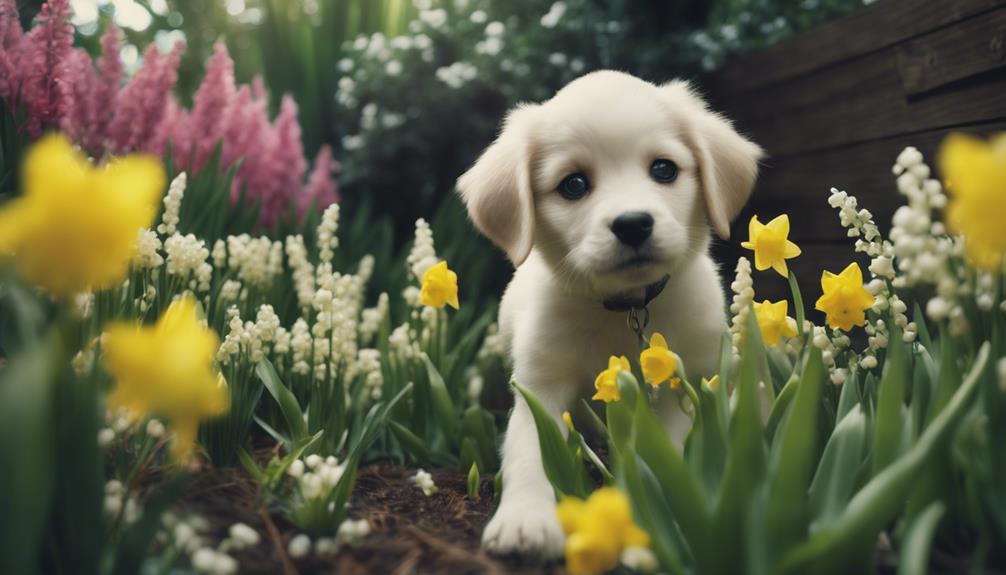
Protect Your Puppy from Poisonous Plants
Your home and yard can pose hidden dangers to your puppy, particularly from toxic plants. Be aware of the following hazardous plants and take steps to safeguard your puppy's environment.
Avocado: While not typically toxic, the pit, skin, and leaves can cause problems if ingested. Remove or restrict access to these parts.
Citrus: Citrus stems, leaves, peels, fruit, and seeds contain citric acid and essential oils that can irritate your puppy's digestive system and cause central nervous system depression.
Grapes and Raisins: These contain tartaric acid, which can lead to kidney failure in dogs. Keep them out of reach.
Onions, Garlic, and Chives: These plants can cause gastrointestinal irritation, leading to red blood cell damage and anemia in dogs. Prevent access to these plants.
To maintain a safe yard, avoid these poisonous plants and use pet-friendly lawn products. Inspect your yard regularly and remove any hazardous plants. Prioritize your puppy's health by being proactive and creating a safe environment.
Common Foods to Avoid
Certain foods can be toxic to puppies, causing a range of symptoms from mild to severe. As a responsible pet owner, it's crucial to know which foods to avoid.
Chocolate contains caffeine and theobromine, which can stimulate your puppy's nervous system, leading to vomiting, diarrhea, seizures, and even death. Grapes and raisins contain tartaric acid, which can cause kidney failure in dogs, even in small amounts.
Onions, garlic, and chives can cause gastrointestinal irritation, leading to vomiting, diarrhea, and lethargy in dogs. They can also damage red blood cells, causing anemia.
Avocados contain persin, a toxic compound that can cause diarrhea, vomiting, and heart congestion in dogs. The pit, skin, and leaves can also cause obstruction or poisoning.
Xylitol, commonly found in sugar-free gum, peanut butter, candy, and baked goods, can cause insulin release, leading to liver failure and hypoglycemia in dogs. Symptoms include vomiting, weakness, and seizures.
Being aware of these toxic foods can help you keep your puppy safe and ensure a healthy, happy life.
Safe Alternatives and Precautions
Now that you know which toxic foods to avoid, it's time to explore safe alternatives for your puppy's diet.
Not all human foods are safe for puppies. As a responsible pet owner, it's crucial to know what options you can offer. Fresh fruits like apples, bananas, and pineapples make healthy snack options, but remove seeds, cores, stems, or peels before serving. Air-popped popcorn and xylitol-free peanut butter are also safe snack alternatives. Small amounts of plain, cooked chicken can be added to their meals as a nutritious supplement. Wild blueberries, in particular, have been shown to decrease the risk of gastrointestinal issues by 29% when fed to puppies.
Remember to always prioritize your puppy's health and safety when introducing new foods to their diet.
Frequently Asked Questions
How Do You Stop Puppies From Eating Things They Shouldn't?
To stop puppies from eating things they shouldn't, take a multi-faceted approach. First, puppy-proof your home by removing hazardous items. Establish consistent boundaries and provide supervised freedom, allowing them to explore safely. Redirect their attention to safe and healthy chew toys and treats. Allow safe exploration, but always keep an eye on them.
Puppy-proofing involves removing items like toxic substances, electrical cords, and small objects that can be swallowed. Set clear rules and consistently enforce them. When you're not supervising, crate your puppy to prevent unwanted behavior.
Provide a variety of safe toys and treats to keep your puppy occupied. Rotate them regularly to prevent boredom. Supervise your puppy during playtime to ensure they're not putting anything in their mouth that they shouldn't.
What Are the 10 Most Toxic Foods for Dogs?
Toxic foods can harm or even kill your dog. Grapes, raisins, onions, garlic, chocolate, xylitol, avocados, and spoiled food are common culprits. These foods can cause vomiting, diarrhea, kidney failure, and death in severe cases.
Some fruits, like grapes and raisins, are fatal to dogs. Onions and garlic, often used in cooking, can also be deadly. Chocolate and xylitol, found in sweets, are toxic to dogs. Avocados, a popular fruit, contain a toxic compound that can harm dogs. Spoiled food can also be poisonous to dogs.
It's crucial to keep these foods out of your dog's reach to prevent accidents and ensure their well-being. Always check with your veterinarian if you're unsure about what human foods are safe for your dog.
What Foods Can Harm Puppies?
Certain human foods can harm puppies. Chocolate and grapes are toxic to dogs. Table leftovers, especially those containing onions or garlic, are also hazardous. Keep kitchen counters and floors clean, as crumbs and spills can accumulate and be ingested. Pantry items like sugar-free gum and baking supplies can also pose a risk.
Be aware of these potential dangers to ensure your puppy's safety.
What Food Can Puppies Not Resist?
Puppies are attracted to certain foods that can harm them. It's essential to keep these foods out of their reach to ensure their safety and well-being.
Some foods are particularly dangerous for puppies. Chocolate, grapes, and onions are toxic to them and can cause serious health problems. Make sure to store these foods in a safe place where your puppy cannot access them.
In summary
When you bring a new puppy home, it's essential to be aware of the potential dangers lurking in your kitchen and around the house. Puppies are naturally curious, and their curiosity can lead to accidental poisoning. Knowing which foods are toxic to puppies and taking simple precautions can significantly reduce the risk of poisoning.
Common toxic foods for puppies include chocolate, grapes, raisins, onions, garlic, and xylitol, a sugar substitute found in many sugar-free products. Keep these foods out of reach of your puppy, and make sure to dispose of trash properly.
Additionally, keep an eye on your puppy at all times, especially during mealtimes. Store toxic substances like cleaning products, medications, and pesticides in secure locations. If you suspect your puppy has ingested something toxic, contact your veterinarian or a pet poison hotline immediately.
- Advertisement -