
Managing Generalized Anxiety Disorder in Dogs
- Advertisement -
You're likely no stranger to your dog's anxious behaviors, such as panting, pacing, or trembling, triggered by loud noises, strangers, or specific surfaces. Recognizing the signs and symptoms of anxiety is vital to providing the best care for your dog. By understanding the underlying causes, you can develop a thorough plan involving behavioral modification strategies, environmental enrichment, and pharmacological interventions. Establishing a consistent routine, creating a calming environment, and using desensitization and counterconditioning techniques can help alleviate anxiety. As you explore these approaches, you'll uncover more ways to support your dog's well-being and address their unique needs.
Key Takeaways
- Recognize anxiety signs in dogs, including panting, pacing, and trembling, to provide timely interventions and prevent escalation.
- Positive reinforcement training, desensitization, and counterconditioning techniques can help alleviate generalized anxiety in dogs.
- Establishing a consistent routine, providing a calming environment, and reducing noise levels can reduce anxiety triggers in dogs.
- Combining behavioral modification with environmental enrichment activities, such as scent work and puzzle toys, can promote relaxation and reduce anxiety.
- A comprehensive plan involving a veterinarian, positive reinforcement training, and environmental changes can help manage and prevent generalized anxiety disorder in dogs.
Understanding Anxiety in Dogs
Understanding Anxiety in Dogs
Recognizing the signs and symptoms of anxiety is crucial to providing the best care for your dog. Anxiety affects dogs differently, and it's essential to acknowledge this. Common behaviors indicating anxiety include panting, pacing, and trembling, often triggered by loud noises, strangers, or specific surfaces.
Separation anxiety, which affects around 14% of dogs, is another common type. This condition causes unwanted behaviors when your dog is left alone or separated from family members, leading to issues like urinating and defecating in the house, destroying furniture, or barking. As your dog ages, anxiety can manifest differently, such as age-related anxiety associated with cognitive dysfunction syndrome (CDS). This condition causes confusion and anxiety, leading to pacing, panting, and restlessness, often at night.
Dogs can develop anxiety due to experiences and interactions after the critical socialization period. By recognizing the signs and symptoms of anxiety, you can take the first step towards providing your dog with the care and support they need.
Recognizing Anxiety Symptoms
Recognizing anxiety in your dog starts with identifying specific behaviors. Look for anxious body language, including:
- Tucked tails
- Panting
- Avoidance behaviors
Fear-related symptoms can also indicate anxiety, such as:
- Shaking
- Yawning
- Raised hackles
Anxious Body Language
Anxious dogs often display specific body language cues that indicate distress. These signs can vary depending on the individual dog and situation. Common signs of anxiety include:
- A tense posture
- Ears pinned back
- Tail tucked between their legs
- Wide eyes with a "deer in the headlights" stare
- Pacing back and forth
- Excessive panting or yawning
Some dogs may show more subtle signs, such as:
- A slight stiffness in their gait
- A faint tremble in their lips
Others may exhibit more obvious behaviors, like:
- Spinning
- Self-soothing rituals
Fear-Related Symptoms
Recognizing fear-related symptoms of generalized anxiety disorder in dogs is crucial for understanding their anxious behavior. Dogs with fear-related symptoms often display avoidance behaviors, like hiding or cowering, when they perceive threats or stimuli. Specific triggers can include loud noises, strangers, or certain environments, leading to symptoms such as panting, pacing, and destructive behavior. Displacement behaviors, like yawning, licking, or panting, can occur when dogs feel trapped or unable to escape the anxiety-provoking stimulus. In some cases, fear-related anxiety can even lead to aggression, as the dog tries to defend itself against the perceived threat. By identifying and addressing fear-related symptoms, you can significantly improve your dog's quality of life and relationships with you.
Behavioral Warning Signs
Recognizing Behavioral Warning Signs of Anxiety in Dogs
As a dog owner, it's crucial to identify the behavioral warning signs of anxiety in your dog. These signs can be subtle, but they often indicate that your dog needs support. Common signs of anxiety include pacing, panting, and restlessness. Your dog may also exhibit destructive behavior, excessive barking or whining, or avoidance behaviors.
In addition to behavioral changes, physical symptoms like yawning, licking, or panting can also indicate anxiety. Recognizing these signs is essential for addressing your dog's anxiety and providing the necessary support.
Behavioral Modification Strategies
Anxiety-related behaviors are common in dogs, with three-quarters of owners reporting these issues. You can help alleviate your dog's anxiety using behavioral modification strategies.
Positive reinforcement training is an effective approach. This involves rewarding calm behavior to help your dog associate relaxation with positive outcomes. Desensitization and counterconditioning are useful techniques. These involve gradually exposing your dog to anxiety triggers while providing a calming presence and rewards.
To start, consider these strategies:
- Identify and address underlying behavior problems: Determine what triggers your dog's anxiety and develop a plan to address these issues.
- Establish a consistent routine: A predictable schedule can provide a sense of security for anxious dogs.
- Create a calming environment: Minimize stressors and create a peaceful atmosphere using calming aids like pheromone diffusers or calming music.
Managing Anxiety With Medication
When treating your dog's anxiety with medication, several options are available, including Fluoxetine, Clomipramine, Trazadone, and Dexmedetomidine. These medications can help reduce anxiety symptoms and improve your dog's quality of life. It's crucial to work closely with your veterinarian to determine the most suitable medication and dosage for your dog. You'll also need to monitor for potential side effects. Combining medication with behavioral modification strategies can create a comprehensive treatment plan tailored to your dog's specific needs.
Medication Options
Your veterinarian may recommend medication as part of a comprehensive anxiety management plan for your dog, especially for chronic anxiety that doesn't respond to other treatments. Anxiety medications can help alleviate your dog's anxiety symptoms, making it easier for them to cope with stressful situations.
When it comes to medication options, your veterinarian may consider the following:
- Selective Serotonin Reuptake Inhibitors (SSRIs): SSRIs work by increasing serotonin levels in the brain, regulating mood and emotions. They are commonly used anxiety medications.
- Benzodiazepines: These fast-acting medications provide quick relief from anxiety symptoms. However, they are typically used short-term due to the risk of dependence.
- Tricyclic Antidepressants (TCAs): TCAs help with anxiety symptoms by increasing serotonin and norepinephrine levels in the brain.
Anxiety Reduction Methods
When treating your dog's anxiety, it's crucial to combine medication with anxiety reduction methods. This comprehensive approach is essential for dogs with separation anxiety, anxiety disorders, or general anxiety.
Behavioral modification strategies can help your dog cope. Desensitization and counterconditioning techniques, as well as environmental changes, can reduce stress triggers. For instance, try gradual separation exercises to help your dog become comfortable when left alone. Provide mental stimulation through puzzle toys and engaging activities to reduce anxiety.
Creating a calm environment can also be beneficial. Use calming aids like pheromone diffusers or calming music to reduce your dog's anxiety. By combining medication with these anxiety reduction methods, you can help your dog manage their anxiety more effectively.
Medication Side Effects
Medication is a crucial tool in managing your dog's anxiety. However, it's essential to be aware of potential side effects to ensure the treatment is both effective and safe.
When giving your dog medication, watch out for the following side effects:
- Gastrointestinal issues: Stomach upset, diarrhea, or vomiting can occur in some dogs.
- Sedation: Certain anxiety medications can cause drowsiness or lethargy, affecting your dog's quality of life.
- Interactions with other medications: Some anxiety medications can interact with other medications your dog is taking, leading to adverse reactions.
To ensure your dog receives the best possible care, work closely with your veterinarian to monitor their response to medication and adjust the treatment plan as needed. Being aware of potential side effects allows you to provide effective and safe anxiety treatment for your dog.
Creating a Calming Environment
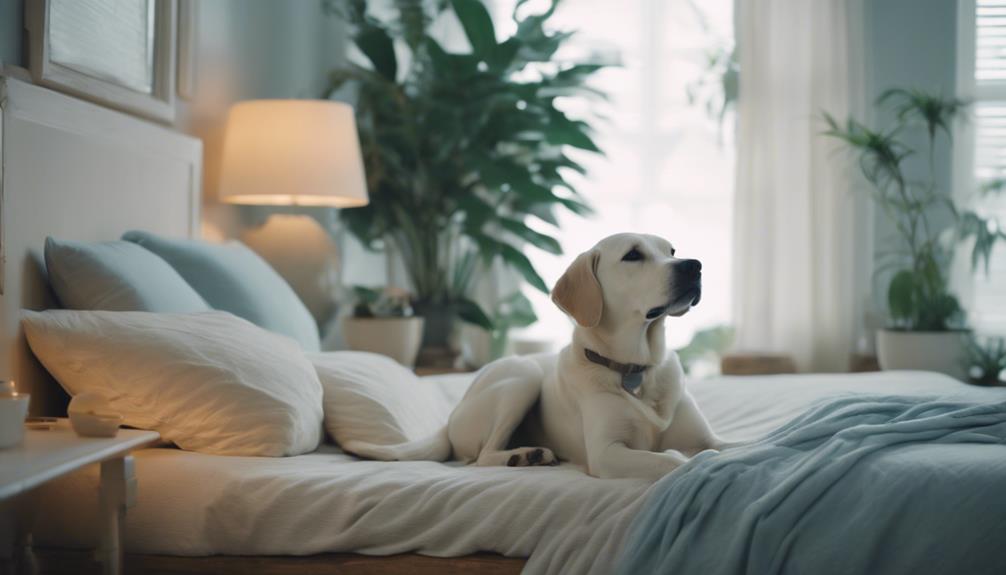
Creating a calming environment is crucial for reducing your dog's anxiety levels. To achieve this, assess your dog's living space to identify areas that may be contributing to their anxiety.
- Advertisement -
Loud noises are a common stressor for dogs with anxiety. Reduce noise levels by using white noise machines or calming music. You can also add sound-absorbing materials like acoustic panels or thick curtains to minimize outside noise.
Cluttered spaces can exacerbate anxiety in dogs. Remove unnecessary items to create a sense of openness and reduce visual stimuli. Providing hiding spots, such as crates or tunnels, can help your dog feel more secure and calm.
When you're away, separation anxiety can be a significant issue for dogs. Use pheromone diffusers or calming treats to reduce your dog's stress levels. By creating a peaceful and predictable environment, you can help reduce your dog's anxiety and improve their overall well-being.
Prevention and Lifestyle Changes
Prevention and Lifestyle Changes
Creating a calming environment is crucial, but it's equally important to focus on prevention and lifestyle changes to prevent anxiety from developing in the first place. As a dog owner, you play a vital role in helping your dog feel secure and calm. Anxiety often stems from a lack of physical and mental stimulation.
Incorporating regular exercise and mental stimulation into your dog's daily routine can help prevent anxiety. Here's how:
Establish a consistent routine. Dogs thrive on predictability, so set times for exercise, feeding, and play can help reduce anxiety.
Provide socialization and exposure. Socialization during the critical period (3-14 weeks old) and continued exposure to novel situations can help prevent generalized anxiety disorder in dogs.
Offer a balanced diet and regular exercise. A balanced diet and regular exercise can help reduce anxiety in dogs. Consult a veterinarian to create a personalized plan for preventing anxiety.
Natural Treatment Options
Natural treatment options can help your dog manage anxiety. Calming supplements like L-theanine, melatonin, and chamomile can promote relaxation and reduce anxiety. These supplements can be given daily to dogs with Generalized Anxiety Disorder.
Pheromone diffusers, such as Adaptil, mimic natural calming pheromones that mother dogs produce to calm their puppies. This can provide a sense of security and reduce anxiety in dogs.
Environmental enrichment activities can also help reduce anxiety. Scent work and puzzle toys provide mental stimulation, challenge dogs, and give them a sense of accomplishment.
Massage therapy and gentle petting can help reduce anxiety by promoting relaxation and releasing endorphins, also known as "feel-good" hormones. Aromatherapy using essential oils like lavender and bergamot can promote relaxation and calm the nervous system.
Before starting any new treatments, consult with your veterinarian to ensure they are safe and effective for your dog. By incorporating these natural treatment options into your dog's daily routine, you can help alleviate their anxiety and improve their overall well-being.
Situation Management Techniques
When your dog experiences anxiety, having a plan in place is crucial. To reduce your dog's anxious behavior and provide comfort, take these steps:
Separation anxiety can make leaving your dog alone challenging. However, by using situation management techniques, you can minimize anxious behavior and make departures less stressful.
To manage your dog's anxiety, use these three essential techniques:
- Gradual Departures: Increase the time you're away from your dog in small increments. This helps your dog adjust to being alone and reduces anxiety.
- Leave a Calming Presence: Leave an article of clothing with your scent on it, such as a t-shirt or sock, for your dog to snuggle up with. This provides comfort when you're not there.
- Distract and Redirect: Engage your dog in a fun activity or provide a puzzle toy filled with treats before leaving. This distracts them from your departure and redirects their attention to a positive stimulus.
Long-Term Anxiety Management

To effectively manage your dog's anxiety in the long term, you need a comprehensive plan that combines behavioral modification, environmental enrichment, and pharmacological interventions tailored to their individual needs.
Consistency is crucial in reducing anxiety. Establish a daily routine that includes regular feeding times, exercise, and play to provide a sense of security and stability. A stable environment also helps minimize anxiety.
Desensitization and counterconditioning techniques can reduce anxiety responses to specific triggers. However, these techniques require ongoing practice and reinforcement to maintain progress. In some cases, dogs with Generalized Anxiety Disorder (GAD) may need lifelong medication to manage their anxiety. Work closely with your veterinarian to monitor your dog's response to medication and adjust the treatment plan as needed.
Ongoing training and socialization can help dogs with GAD build confidence and reduce anxiety in new or unfamiliar situations. Enroll your dog in regular training classes or socialization activities to help them develop coping skills.
Frequently Asked Questions
How to Help a Dog With Generalized Anxiety Disorder?
Identify anxiety symptoms in your dog, such as panting, pacing, or destructive behavior. To help your dog, you need to address the root causes of anxiety. A customized training plan with a professional can help. This plan should focus on desensitization and counterconditioning techniques.
Desensitization involves gradually exposing your dog to the triggers that cause anxiety, starting from a low level. Counterconditioning pairs these triggers with positive experiences, helping your dog associate them with good outcomes. By doing so, you can help your dog lead a more comfortable, relaxed life.
How to Calm Down Gad?
To calm down, use a combination of calming aids, relaxation techniques, and a peaceful atmosphere.
Calming aids like supplements or pheromone diffusers can promote relaxation. Experiment to find what works best for you.
Practice relaxation techniques regularly to reduce stress and anxiety. Deep breathing, progressive muscle relaxation, and meditation are effective options. You can find tutorials and guided sessions online.
Design your environment to minimize stressors and promote calmness. Consider factors like lighting, noise levels, and clutter. Create a space that makes you feel relaxed and comfortable.
What Are the Coping Mechanisms for Generalized Anxiety Disorder?
Effective coping mechanisms for generalized anxiety disorder involve identifying and addressing anxiety triggers. To calm your mind and body, practice relaxation techniques like deep breathing, progressive muscle relaxation, and visualization. Utilize calming aids such as supplements, aromatherapy, or calming music to reduce anxiety. Developing a personalized strategy helps you learn to manage anxiety and improve overall well-being.
What Are the Interventions for Generalized Anxiety Disorder?
Interventions for Generalized Anxiety Disorder typically involve a multi-faceted approach.
First, conduct an anxiety assessment to identify triggers and develop a personalized plan.
Behavioral therapy, such as desensitization and counterconditioning, can help individuals associate triggers with positive experiences.
Additionally, calming aids like supplements, pheromone diffusers, or relaxation techniques can provide relief.
In summary
Managing your dog's generalized anxiety disorder requires a multi-faceted approach. To create a calm environment, combine behavioral modification strategies, medication, and environmental changes. This comprehensive plan will help alleviate your dog's anxiety.
Start by identifying triggers and developing a plan to address them. Behavioral modification strategies, such as desensitization and counterconditioning, can help your dog cope with anxiety-provoking stimuli. If necessary, consult with a veterinarian or animal behaviorist to determine the most effective approach.
In addition to behavioral changes, medication may be necessary to help manage your dog's anxiety. Your veterinarian can recommend the most suitable medication and dosage for your dog.
Environmental changes can also play a crucial role in reducing your dog's anxiety. Create a peaceful atmosphere by reducing noise levels, providing a comfortable living space, and establishing a consistent routine.
Remember, managing your dog's generalized anxiety disorder takes time, patience, and persistence. Stay committed to your plan, and with consistent effort, you can help your dog lead a happier, healthier life.
- Advertisement -