
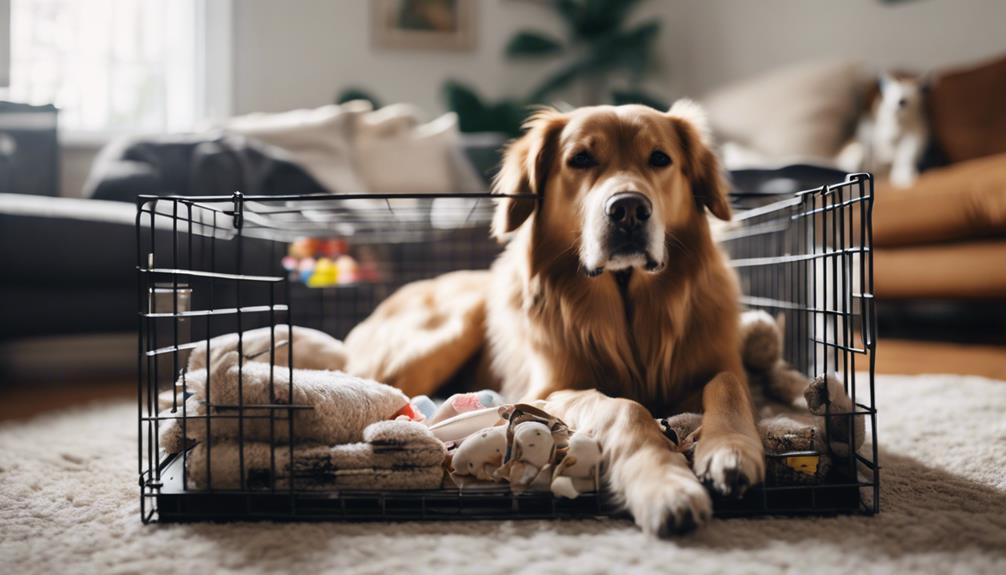
Importance of Dog Crate Training Tips
- Advertisement -
By incorporating crate training into your dog's daily routine, you'll provide a sense of security and comfort, reducing messes, and making housebreaking easier. Crate training also guarantees your dog's safety and well-being in emergencies, helps with potty training, reduces separation anxiety, and prevents destructive behavior. Whether you have a puppy, adult, or senior dog, crate training benefits dogs of all breeds and ages. To get started, establish a consistent routine, introduce the crate gradually, and provide plenty of exercise and play outside of the crate. As you continue to learn more about crate training, you'll discover the many ways it can transform your dog's behavior and improve your life together.
Key Takeaways
- Crate training helps dogs develop bladder and bowel control, reducing the risk of accidents in the house and making housebreaking easier.
- Crates provide a safe space for dogs to relax and feel secure, reducing separation anxiety and destructive behavior when owners are away.
- Crate training socializes dogs to accept confinement, making it easier for them to adapt to situations like traveling, vet visits, and kenneling.
- Establishing a consistent routine is key to successful crate training, starting with short periods and increasing duration gradually.
Breeders and Vets Recommend
By recommending crate training, breeders and vets set you and your puppy up for success in housebreaking and beyond. They know that dogs instinctively seek small spaces to create protective shelters for themselves, and crate training taps into this natural instinct.
By providing a designated area for your puppy to call their own, you're helping them learn to hold their bladders while they're in their crate, reducing messes and making housebreaking easier.
As a responsible dog owner, you want to guarantee your puppy's safety and well-being. Crate training can be the difference between safety and uncertainty in emergencies, allowing for efficient evacuation and reducing the chance of dogs getting lost or injured.
In fact, many shelters require crate-trained dogs to guarantee their safety during times of crisis.
Working with a dog trainer or breeder can provide valuable guidance on implementing crate training effectively. They can offer personalized advice on introducing the crate to your puppy, establishing a routine, and addressing any challenges that may arise.
Crate Training Makes Life Easier
Crate training pays off in countless ways, making your life – and your dog's – substantially easier in a variety of situations. By incorporating crate training into your daily routine, you'll house train your dog more efficiently, reduce stress and anxiety, and create a sense of security and familiarity for your pet.
Emergency Preparedness: Crate training helps prevent compounding a dog's stress during emergencies and is necessary for crate rest during surgery recovery.
Travel Made Easy: Crates make it easier to safely transport dogs by car or air during long-distance travel or vacations, and crate training makes long car rides more pleasant for both humans and canines.
New Situations: Crate training helps dogs confront new situations successfully, such as the addition of a new baby or having company over.
Reduced Anxiety: Crates provide a familiar place for dogs to rest and relax, helping them learn to self-soothe and deal with anxiety.
Benefits for Dogs of All Ages

As you consider crate training, you'll find it's not just beneficial for one stage of a dog's life, but for dogs of all ages.
Whether you're bringing home a new puppy or have a senior dog, crate training can have a significant impact on their behavior, health, and overall well-being.
In the following sections, you'll learn how crate training can benefit dogs at every stage of life, from puppyhood to old age.
Crate Training Young Dogs
Crate training young dogs not only sets them up for success but also provides numerous benefits that extend well into adulthood.
By introducing your dog to a crate at a young age, you're teaching them essential skills that will benefit them throughout their life.
Crate training helps with potty training, reduces separation anxiety, and prevents destructive behavior when you're not around.
A crate provides a safe space for your dog to relax and feel secure.
- Reduces chewing and destructive behavior
- Helps with potty training by giving your dog a designated area to go
- Provides a safe space for your dog to relax and feel secure
Puppies Need Crate Training
How can you guarantee your puppy grows into a well-behaved, confident dog, regardless of age or breed?
By crate training your dog, you set them up for success from the start. Crate training helps puppies develop bladder and bowel control, reducing the risk of accidents in the house and making housetraining easier.
A crate provides a safe space for your puppy to relax and reduce anxiety, helping them feel secure and calm in new environments. It also socializes them to accept confinement, making it easier for them to adapt to situations like traveling, vet visits, and kenneling.
Additionally, crate training prevents destructive behavior, such as chewing and digging, by giving your puppy a designated area to relax and reducing the opportunity for mischief.
By crate training your dog, you'll also help them develop self-soothing skills, reducing separation anxiety and making them more confident when left alone.
Senior Dogs Benefit Too
Senior dogs, just like their younger counterparts, can greatly benefit from crate training, which helps maintain their physical and mental well-being as they age.
As your furry friend grows older, they may require more attention and care to guarantee their comfort and safety. Crate training can provide a sense of security and familiarity, giving them a quiet space to rest and relax.
Crate training can help alleviate anxiety and stress in senior dogs, providing a calm and peaceful environment. This reduced anxiety can greatly improve their overall quality of life.
By creating a comfortable sleeping space, crates can improve the quality of sleep for senior dogs. This is especially important as they age, as a good night's sleep is essential for their physical and mental health.
Crates can prevent senior dogs from getting injured or getting into trouble when left alone, giving you peace of mind. This increased safety can be a huge relief for pet owners who worry about their dogs when they're away.
Crates can help manage your senior dog's time, making it easier to care for them and guarantee they receive the attention they need. This easier management can make a big difference in the life of a senior dog.
Crate Training for Any Breed
As you consider crate training for your dog, it's essential to understand that crates can benefit dogs of all breeds and sizes.
You'll want to learn about the benefits of crates, the basics of crate training, and how to choose the right crate for your dog, regardless of age.
Benefits of Crates
Crate training offers numerous benefits for dogs of any breed, providing a sense of security and comfort in their own quiet space.
By placing a crate in an area where your dog spends most of their time, you can create a cozy retreat for them to relax and unwind.
Reduced anxiety and stress: Crates provide a sense of safety and security, which can be especially helpful for dogs that suffer from separation anxiety.
Improved potty training: Crates help dogs learn to hold their bladder and bowels until you take them outside, making potty training a breeze.
Protection from harm: Crates keep your dog safe from electrical cords, toxic substances, and other hazards that could harm them.
Easier travel: Crates make traveling with your dog a whole lot easier, as they provide a familiar and comfortable space for your dog to relax in.
Crate Training Basics
Getting started with crate training requires understanding the fundamentals, and that begins with selecting the right-sized crate for your dog.
The crate should be large enough for your dog to stand up, turn around, and lie down comfortably. However, it shouldn't be so large that they can use one end as a bathroom and the other as a bedroom.
Once you have the right crate, introduce it as a positive space by placing treats, toys, and comfortable bedding inside. Feed your dog near the crate to create a pleasant association.
Start crate training with short periods, such as 5-10 minutes, and gradually increase the time as your dog becomes more comfortable and confident in the crate.
Consistency is key, so crate your dog at the same times every day, such as when you're away, at night, and during meals. This will establish a routine and minimize anxiety.
By following these basics, you'll set your dog up for successful crate training and a happier, healthier life.
Crate for Any Age
Your dog's age, breed, or size doesn't dictate their ability to benefit from crate training, which can be adapted to suit puppies, adult dogs, and even seniors. Regardless of your dog's stage in life, a crate can provide a safe space for them to relax, reduce anxiety, and prevent destructive behavior.
Puppies: Crate training helps with potty training, reduces separation anxiety, and prevents destructive chewing.
Adult dogs: Crates provide a quiet space for relaxation, reduce barking, and help with travel.
Senior dogs: Crates offer a comfortable, cozy space for older dogs to rest and relax, reducing joint stress.
All dogs: Crates help establish a routine, reduce separation anxiety, and provide a sense of security and comfort.
- Advertisement -
Tips for Successful Crate Training
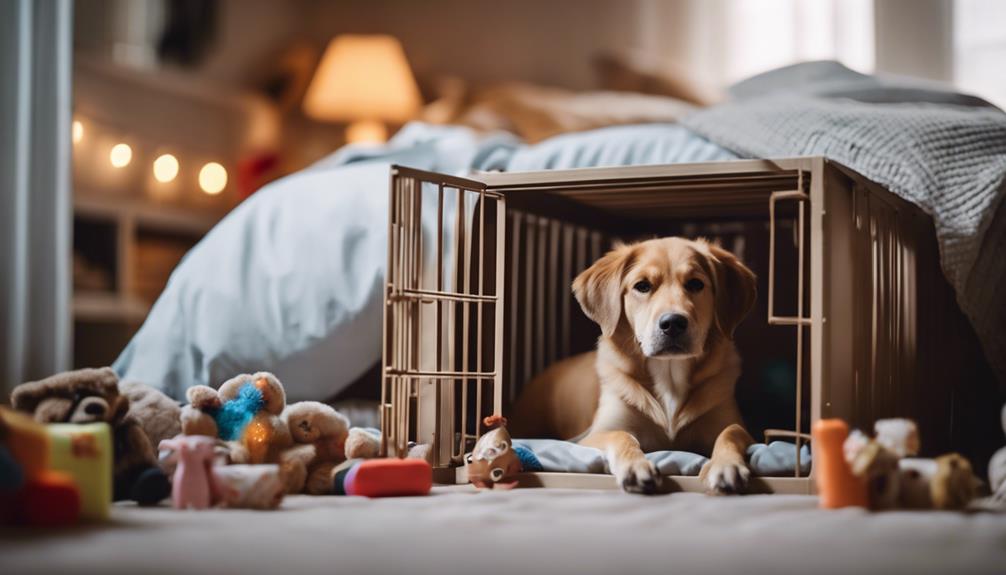
You'll find that establishing a consistent routine is key to successful crate training.
This means setting a regular schedule for feeding, exercise, and playtime, as well as crate time. A consistent routine helps your dog understand what's expected of them and reduces anxiety.
Start by introducing the crate gradually, beginning with short periods of time and increasing the duration as your dog becomes more comfortable.
Make sure to provide your dog with plenty of opportunities for exercise and play outside of the crate.
This will help them expend excess energy and reduce the likelihood of destructive behavior when left alone. When it's time for crate time, make sure your dog has had adequate exercise and mental stimulation.
During crate time, provide your dog with a favorite toy or treat to keep them occupied.
This can help reduce separation anxiety and make the crate a comfortable, relaxing space. Be sure to give your dog plenty of praise and rewards for calm behavior in the crate.
As you continue crate training, you'll find that your dog will learn to associate the crate with feelings of safety and security.
With patience, consistency, and positive reinforcement, you can help your dog thrive in their crate and reduce unwanted behaviors.
Understanding Dog Crates Purpose
A dog crate serves as a versatile tool that provides a safe space for your pet to relax, reduces separation anxiety, and prevents destructive behavior when left alone.
When you use the crate correctly, it can become a comfortable and cozy spot for your dog to retreat to when feeling overwhelmed or anxious. This is especially important for puppies, as they need a quiet and secure area to calm down and recharge.
Provides a sense of security: Your dog needs a safe space to feel protected and secure, and a crate can offer that sense of comfort and reassurance.
Helps with housebreaking: A crate can help with potty training by giving your dog a designated area to hold their bladder and bowels until you can take them outside.
Prevents destructive behavior: When left alone, dogs can get anxious or bored, leading to destructive behavior like chewing furniture or digging. A crate can prevent this by keeping them contained and calm.
Reduces separation anxiety: By providing a familiar and comfortable space, a crate can help reduce your dog's separation anxiety when you're away from home.
Benefits for Dog Owners Too

In addition to benefiting your dog, crate training also brings several advantages to dog owners, providing a sense of relief and convenience in various situations.
When you leave your dog alone, you can rest assured that your home will remain intact, thanks to the crate. You won't have to worry about your dog getting into mischief or destroying valuable items, which can be a major source of stress. This is especially important for dogs that suffer from separation anxiety, as the crate provides a sense of security and comfort.
A crate also makes house training and preventing accidents much easier.
You can confine your dog to the crate at night or when you're not home, reducing the likelihood of messes and accidents. This saves you time and effort in the long run, as you won't have to deal with cleaning up after your dog.
Furthermore, a crate can be a lifesaver during travel.
It guarantees your dog's safety and comfort, providing a familiar and secure space in unfamiliar environments. By crate training your dog, you can enjoy a more relaxed and enjoyable trip, knowing that your dog is safe and secure.
Crate Training Process Explained
Six simple steps can transform an empty crate into a comfortable sanctuary for your furry friend. By following these steps, you'll be able to create a safe space for your dog to relax, reducing anxiety and stress.
To begin, place the crate in a high-traffic area of your home with a soft blanket or bed inside. Remove the door or keep it propped open, allowing your dog to explore at their leisure. This will help them become familiar with the crate without feeling trapped.
Next, start introducing your dog to the crate gradually, using treats or toys to encourage them to enter. Make the crate a comfortable and safe space by feeding them meals near the crate or placing their food dish or interactive puzzle toy inside.
Crate training should be associated with something pleasant, like treats or playtime. Introduce the crate gradually, starting with short periods of time and increasing as your dog becomes more comfortable. Consistency is key – make the crate a part of your dog's daily routine to help them adjust. Be patient – crate training can take days or weeks, depending on your dog's age, temperament, and past experiences.
Overcoming Crate Training Issues

You'll likely encounter crate training issues if you don't introduce the crate gradually or associate it with unpleasant experiences, leading to anxiety, fear, or frustration in your dog.
For instance, if your dog whines in the crate at night, it can be challenging to determine whether they need to eliminate or are seeking attention. Ignoring the behavior might resolve the issue if your dog hasn't been rewarded for whining in the past.
However, if your dog is experiencing separation anxiety, crate training alone isn't a solution and may even lead to injury. In such cases, consulting a professional animal-behavior specialist is recommended.
It's essential to remember that puppies under 6 months old shouldn't stay in a crate for more than 3-4 hours at a time to avoid depression, anxiety, and lack of exercise and human interaction.
Crates should never be used for punishment, but rather as a management tool. Leaving your dog in a crate for too long can lead to frustration and negative outcomes.
To overcome crate training issues, introduce the crate gradually and associate it with something pleasant. This will help prevent anxiety or fear in your dog.
Frequently Asked Questions
How Important Is Crate Training for Dogs?
As you consider introducing a new furry friend to your family, you might wonder, how important is crate training for dogs?
It's vital for their development, socialization, and overall well-being.
Crate training helps with puppy development by providing a safe space, promoting good behavior, and preventing destructive habits.
How Long Should a Dog Be in a Crate While Training?
When deciding how long to crate your dog during training, remember that crate size matters and crate time limits are vital.
Puppies under 6 months shouldn't stay crated for more than 3-4 hours, while adult dogs can handle 5-6 hours.
A flexible crate schedule allows for potty breaks and adjustments as your dog adapts.
Does Crate Training Help With Obedience?
You might think crate training is just for keeping your dog safe, but it's actually a game-changer for obedience training.
By crate training your dog, you're not only achieving housebreaking success, but also reducing separation anxiety and improving socialization.
This structured environment helps your dog focus and respond better to commands, making obedience training more effective.
With crate training, you're setting your dog up for success in more ways than one.
How Many Times a Day Should I Crate Train My Dog?
When determining how many times a day to crate train your dog, consider crate duration and your dog's individual needs.
Puppies require more frequent breaks, so you may need to crate them 4-6 times a day, with shorter crate durations.
For adult dogs, 2-3 crate sessions per day are typical, with 1-2 hours of crate time and 2-3 hours of break time in between.
Consistency is key, so establish a schedule that works for you and your dog.
Conclusion
As you venture on the journey of dog crate training, remember that patience, consistency, and understanding are key.
With every step, you're weaving a safety net around your furry friend, nurturing their growth, and strengthening your bond.
Like a seasoned conductor, crate training harmonizes your dog's behavior, creating a symphony of obedience, calmness, and trust.
By following these tips, you'll discover a realm of benefits, transforming your dog into a well-adjusted, well-behaved companion, and yourself into a confident, informed owner.
- Advertisement -