

Essential Puppy Dental Care Tips
- Advertisement -
By prioritizing your puppy's dental care, you can add 2-5 years to their life expectancy and guarantee a healthier, happier life. Daily brushing with a dog-specific toothbrush and toothpaste is essential, introducing it gradually with gentle circular motions and rewarding with treats. Regular professional dental cleanings, recommended by the American Animal Hospital Association, help prevent severe dental problems. Dental chews, toys, and additives support oral health, while veterinary guidance is vital for maintaining dental health and identifying issues early on. As you get started with your puppy's dental care, you'll discover more tips and tricks to keep their teeth clean and healthy.
Key Takeaways
- Brush your puppy's teeth daily with a canine-specific toothbrush and toothpaste to prevent bad breath, tooth decay, and gum disease.
- Introduce tooth brushing gradually, using gentle, circular motions, and reward with treats for a positive experience.
- Regular veterinary check-ups are crucial for maintaining dental health and identifying dental health issues early on.
- Dental chews, toys, and additives can support your puppy's oral health, but choose products with the Veterinary Oral Health Council (VOHC) seal.
- Professional dental cleanings are essential for your puppy's oral health, recommended by the American Animal Hospital Association, and should start by 1-2 years of age.
Importance of Dog Dental Care
Dental care is crucial for your dog's overall health and well-being. It's not just about fresh breath; regular dental care can add 2-5 years to your dog's life. Severe dental problems can be painful and even life-threatening, leading to changes in eating habits and behavior.
By prioritizing dental care, you can prevent these problems and ensure your dog lives a happier, healthier, and longer life. Brushing is a fundamental part of dog dental care, as it removes plaque that can cause bad breath, tooth decay, and gum disease.
Did you know that 80% of dogs show signs of canine periodontal disease by age three? This highlights the importance of regular dental care from an early age. By making dental care a priority, you're investing in your dog's overall health and well-being.
Regular dental care at home is key to a happier, healthier, and longer life for dogs. It's essential to prioritize your dog's dental health to prevent severe problems. Remember, good dental care is a crucial aspect of your dog's care, and it's never too early to start.
Brushing and Toothpaste Essentials
Daily brushing is essential for maintaining your dog's oral health. To do this effectively, you need a toothbrush designed specifically for dogs, such as Virbac C.E.T. or Vetoquinol, which have soft bristles and multiple heads. These features allow for gentle and thorough cleaning.
When choosing a toothpaste, select a canine-specific variety that contains bacteria-busting enzymes and is safe for swallowing. Human toothpaste with fluoride is not suitable for dogs. Introduce tooth brushing gradually, using gentle, circular motions, and reward your dog with treats to make the experience positive.
Aim to brush your dog's teeth daily or every other day. Consistency is key to maintaining good oral health and preventing dental problems. Regular tooth brushing removes plaque buildup, which can lead to dental cleaning issues if left unchecked.
Use the right toothbrush and toothpaste to take care of your dog's oral health. Brushing your dog's teeth is a crucial part of their dental care routine, and with the right tools, you can prevent more serious problems down the line.
Professional Dental Cleaning Necessity
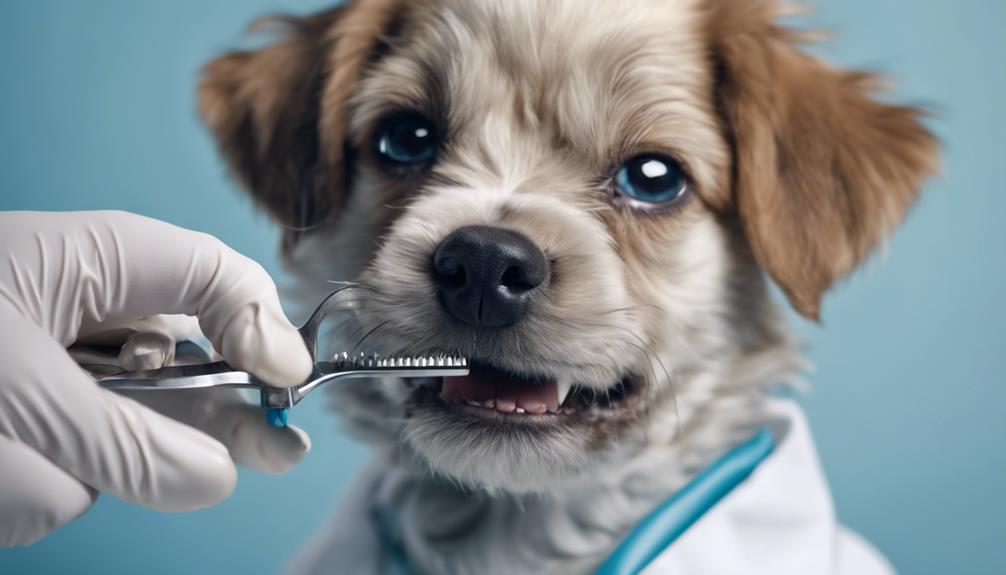
Regular professional dental cleanings are essential for your puppy's oral health. The American Animal Hospital Association recommends that small- to medium-breed dogs receive a complete dental cleaning by 1 year of age, and larger-breed dogs by 2 years of age. Your veterinarian will determine the best cleaning schedule for your puppy based on factors such as breed, disease severity, and home care. Regular check-ups will help identify any oral health issues early on and prevent more serious problems from developing. By staying on top of your puppy's dental care, you can help prevent bad breath, gum disease, and tooth loss.
Dental Cleaning Schedules
Regular dental cleanings are crucial for your puppy's health. The American Animal Hospital Association recommends that small- to medium-breed dogs have a complete dental cleaning by 1 year of age, and larger-breed dogs by 2 years of age.
Regular cleanings help prevent serious dental problems like decayed teeth or gum disease. Professional cleanings are typically done annually, but may be needed more frequently depending on the breed, disease severity, and home care. In fact, regular cleanings can add 2-5 years to your dog's life.
A dental appointment typically includes intraoral radiographs, full mouth dental charting, and periodontal treatment. This makes it a vital aspect of maintaining a dog's overall health. The cost of dog dental cleaning varies, but averages $300 to $1,000 for a routine cleaning. Prioritizing regular check-ups and cleanings is essential to prevent costly and complex dental problems down the line.
Regular Veterinary Check-Ups
Regular veterinary check-ups are essential for maintaining your puppy's oral health. To prevent dental problems like periodontal disease, you need to ensure your dog receives regular dental care. The American Animal Hospital Association recommends a complete dental cleaning by 1 year of age for small- to medium-breed dogs and by 2 years of age for larger-breed dogs.
During a dental appointment, your veterinarian will perform several procedures, including intraoral radiographs, full mouth dental charting, and periodontal treatment. This thorough examination and cleaning of the teeth and gums is usually done annually, but may be needed more frequently depending on breed, disease severity, and home care.
Regular check-ups can help prevent costly dental procedures, which can range from $300 to $1,000 for a routine cleaning. Your veterinarian can provide personalized advice on the best dental care plan for your puppy. Be sure to ask about their dental health at your next check-up.
Dental Chews, Toys, and Additives
Dental chews, toys, and additives can all support your puppy's oral health. Dental chews come in various forms, each with its own benefits and ingredients. Some toys are specifically designed to promote dental health and can be a fun way to keep your puppy's teeth clean.
Let's examine the options for dental chews, toys, and additives.
Dental Chew Options
Dental health is crucial for puppies, and the right dental chew options play a significant role in maintaining their oral health. When selecting dental chews, look for products carrying the Veterinary Oral Health Council (VOHC) seal, which ensures they're designed for dogs and effective in removing plaque and tartar.
Dental treats can freshen breath and support oral health. To choose the right dental chews, consider your dog's age, size, and breed. Puppies have unique dental needs, and using the wrong chews can be harmful. Providing the right dental chews can help prevent dental disease, a common health issue in dogs.
Informed choices can help your puppy develop good oral hygiene habits and reduce the risk of dental problems. With many options available, it's essential to prioritize your puppy's dental health. Consider the following factors when selecting dental chews:
- Age: Puppies have different dental needs at various stages of development.
- Size: Dental chews should be appropriate for your puppy's size to ensure they're safe and effective.
- Breed: Certain breeds are prone to specific dental issues, and choosing breed-specific dental chews can help address these concerns.
Toys for Dental Health
Beyond dental chews, interactive chew toys can promote your puppy's dental health by encouraging gnawing and chewing, which helps remove plaque and tartar from their teeth. This supports oral hygiene and reduces bad breath.
Interactive chew toys are a great option for your puppy. They come in various types, including:
- Kong Toys, which can be stuffed with treats or peanut butter to keep your puppy engaged.
- Rubber Toys, with textured surfaces that help clean your puppy's teeth as they chew.
- Tug Toys, made from durable materials that withstand aggressive chewing and promote healthy teeth.
- Frozen Treat-Dispensing Toys, which challenge your puppy to figure out how to get the treats out, keeping them occupied and their teeth clean.
These toys are effective because they challenge your puppy to chew and gnaw, which helps remove plaque and tartar from their teeth. By using these toys regularly, you can support your puppy's oral hygiene and reduce the risk of bad breath.
Additives for Fresh Breath
- Advertisement -
To promote your puppy's dental health and fresh breath, consider adding certain products to their dental care routine. Bad breath can be a sign of underlying dental issues, so it's essential to address it promptly. When selecting dental chews, toys, and additives, choose products that freshen breath and support oral health. Avoid products containing xylitol, which is toxic to dogs, and opt for fluoride-free toothpaste specifically designed for canines.
Regular brushing is crucial, and using a peanut butter-flavored toothpaste can make the experience more enjoyable for your puppy. Additives like dental chews and toys can help remove plaque and tartar, promoting a healthier mouth and fresher breath. These products can complement your puppy's dental care routine and support their overall oral health.
Dental Wipes and Other Products
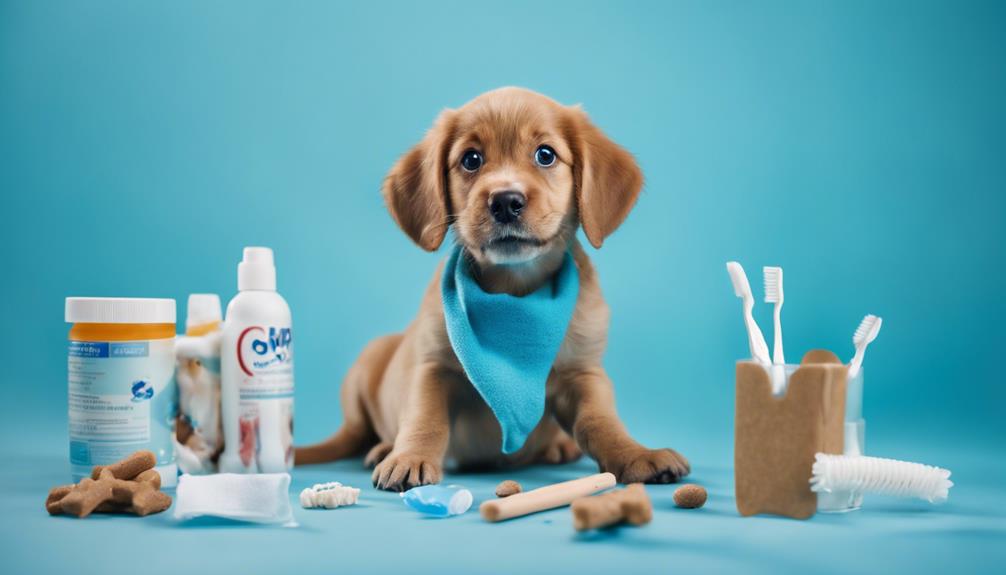
When you're on-the-go or don't have access to a toothbrush and toothpaste, dental wipes can be a convenient alternative for your puppy's oral health. These portable and disposable wipes, such as Petkin Plaque Toothwipes, can be used to wipe away debris from your dog's teeth when a toothbrush and toothpaste aren't available. While they can be used daily, they shouldn't replace regular toothbrushing. Look for wipes with the Veterinary Oral Health Council (VOHC) seal of approval to ensure their effectiveness.
Other essential products can support your puppy's dental care. Consider the following:
Toothbrushes, like Vetoquinol Enzadent Dual-Ended Dog & Cat Toothbrush, are necessary for daily brushing. Choose a toothpaste, such as Vetoquinol Enzadent Enzymatic Poultry Flavor Dog & Cat Toothpaste, that is both tasty and effective. Dental chews, like Greenies and DentaLife, can mechanically scrape the tooth surface and are a tasty way to clean your dog's back teeth. Dental wipes, such as Petkin Plaque Toothwipes Fresh Mint Flavor Dog & Cat Dental Wipes, are a convenient addition to your puppy's dental care routine.
When selecting products, consider your puppy's size, age, and dental health. Always look for the VOHC seal of approval to ensure the products promote good dental health.
Veterinary Guidance and Product Effectiveness
Regular veterinary check-ups are crucial for maintaining your puppy's dental health. These check-ups help identify dental health issues early on, preventing more severe problems from developing. Your vet will provide personalized guidance on the best dental care methods for your puppy, considering factors like breed, age, and health status.
The Veterinary Oral Health Council (VOHC) is a reliable resource for finding effective dog dental health products. They list products that have proven to remove at least 10-20% of plaque and/or tartar. By following your vet's guidance and using VOHC-approved products, you can prevent dental problems and keep your puppy's teeth and gums healthy.
Professional dental cleanings are necessary to remove tartar buildup and prevent dental health issues. During these cleanings, your vet will examine your puppy's teeth and gums to identify any potential problems. They may recommend dental cleanings under general anesthesia if necessary. Regular veterinary check-ups and effective products can help maintain your puppy's dental health and prevent costly and painful procedures later on.
Tips for Brushing Your Dog's Teeth

Create a calm and peaceful atmosphere for your puppy's teeth brushing experience. Choose a quiet and comfortable location to minimize distractions.
Introduce the toothbrush and toothpaste gradually. Start with short sessions and increase the duration as your puppy becomes more comfortable.
To brush your puppy's teeth effectively:
- Use the right tools: Select a dog-specific toothbrush with angled handles, soft bristles, and multiple heads. Choose a toothpaste designed for dogs that is safe for swallowing.
- Brush the top teeth first, then move to the bottom teeth. Praise and reward your puppy frequently to make the experience positive.
- Be patient: Go at your puppy's pace to avoid stress and fear. Reward good behavior with treats and praise.
- Make it a routine: Incorporate teeth brushing into your puppy's regular dental care routine to ensure good oral health and a healthy smile.
Alternative Dental Care Options
Alternative dental care options can supplement your dog's regular brushing routine. These options help care for your dog's teeth and gums when you're not brushing.
Dental chews, for example, clean teeth while satisfying natural cravings. They come in different sizes and shapes, featuring ridges and nubs that dig into crevices between teeth.
Dental sprays kill plaque-causing bacteria and remove tartar and plaque build-up. They provide a quick and easy way to care for your dog's teeth.
Gnawing on chew toys satisfies natural instincts to chew and keeps dogs occupied. This makes them an effective alternative dental care option.
Dental powders containing probiotics boost healthy bacteria in your dog's mouth, promoting a balanced oral ecosystem. Dental water additives work in areas a toothbrush cannot reach, making them a useful supplement to regular brushing and cleaning.
Incorporating these alternative dental care options into your dog's oral care routine helps keep their teeth and gums healthy. Regular dental care is essential to prevent oral health issues and maintain overall well-being.
Frequently Asked Questions
How Do I Take Care of My Puppies' Teeth?
Take care of your puppy's teeth by introducing dental chews and toys to remove plaque and tartar. Use tooth wipes and a puppy-specific toothpaste to ensure safety. Feed a balanced puppy food that supports oral health, considering your puppy breed's specific needs. Regular veterinary check-ups will help prevent dental problems. Start with short, daily dental care sessions to get your puppy accustomed to the process. As they grow, increase the duration and frequency of these sessions. Remember, maintaining your puppy's healthy smile requires consistent effort and attention.
When Should I Start Dental Care for My Puppy?
Start dental care for your puppy early, as it's crucial for their oral health. Teething begins at 3-4 weeks old, and by 6 months, your puppy should have a full set of baby teeth. Regular dental care is vital at this stage.
The American Animal Hospital Association recommends a dental exam at 6 months to identify potential issues early on. During the exam, your vet will perform an oral inspection, dental charting, and check for breed-specific issues. This will help you adjust your puppy's feeding habits and choose the right chew toys.
What Age Should I Start Brushing Puppy Teeth?
Start brushing your puppy's teeth around 3-4 weeks old, when they begin teething. Use a soft, gentle touch and a toothbrush designed for puppies. As their teeth continue to erupt, introduce a small amount of puppy toothpaste by 6-8 weeks old. Consult a pediatric dental expert to discuss breed-specific dental needs, teething pain relief, and the best products for your puppy's dental hygiene. Early detection of tooth decay and socialization are crucial for your puppy's overall health.
How Often Should I Give My Puppy Dental Treats?
To determine the ideal frequency of dental treats for your puppy, consider their age and individual needs. Puppies under 6 months old benefit from 2-3 daily dental rewards as part of a treat-based dental care routine. For puppies over 6 months, 1-2 daily dental snacks are sufficient.
When allocating dental treats, remember they should make up no more than 10% of your puppy's daily calorie intake. Establish a consistent oral health schedule and dental reward system to keep your puppy's teeth healthy. Consult your veterinarian to determine the best dental treat allocation for your puppy.
In summary
Now that you're aware of the importance of puppy dental care, it's time to put it into practice. Daily brushing and regular vet visits are essential for preventing tartar buildup and tooth decay. Additionally, there are some simple tricks you can use to support your pup's dental health. By following these tips, you can help your puppy maintain a healthy smile and avoid dental problems.
- Advertisement -