

Effective Dog Fearfulness Solutions
- Advertisement -
You're not alone if your dog suffers from fearfulness, a common issue affecting about one in five dogs. Fearfulness can manifest in various ways, including defensive behavior, and early recognition is key to intervening before the behavior becomes more difficult to address. By understanding the root causes of fearfulness, you can create a safe environment and reduce stress by establishing a structured daily routine and providing comfort items. Positive reinforcement training methods can help build confidence, and desensitization techniques can minimize anxiety. As you explore these solutions, you'll discover more ways to empower your dog to overcome their fears and become a more confident companion.
Key Takeaways
- Early recognition of fearfulness is crucial, as it allows for timely intervention and prevention of more severe behavioral issues.
- Positive reinforcement training methods, such as desensitization and counterconditioning, help fearful dogs build confidence and overcome fears.
- Creating a safe environment, free from stressors and distractions, empowers fearful dogs to feel secure and relaxed.
- Consistency and patience are essential in helping fearful dogs build confidence, as they require a gentle and understanding approach.
Understanding Canine Fearfulness
About one in five dogs suffer from fearfulness, a common canine behavioral issue that can manifest in various ways, from subtle avoidance to full-blown panic attacks.
As someone who cares about serving others, including our furry friends, it's essential to understand the root causes of fearfulness in dogs. Fear is a natural response to a perceived threat, and in dogs, it can stem from genetics, past experiences, or socialization.
When a dog feels fearful, it can lead to defensive behavior, such as growling, snapping, or even biting.
You can play a pivotal role in helping your dog overcome fearfulness through training and socialization. A gentle, patient approach is indispensable when interacting with a fearful dog.
Start by building trust through positive reinforcement techniques, such as offering treats and praise for calm behavior. Gradually expose your dog to the stimuli that trigger fear, beginning with small, manageable steps.
For instance, if your dog is fearful of people, start by having them approach from a distance, then gradually decrease the distance over time.
Recognizing Fearful Behavior in Dogs
As you work to help your dog overcome fearfulness, it's vital to recognize the subtle and not-so-subtle signs of fear that can manifest in their behavior.
Fear-based behavior can vary widely, making it challenging to identify, but early recognition is key to intervening before the behavior becomes more difficult to address.
When trying to tell if your dog is afraid, pay attention to their body language. A fearful dog may display physiological changes, such as increased heart rate, respiration, or panting, which can be subtle but important indicators of fear.
They may also exhibit defensive aggression while still showing signs of fear, such as growling, snapping, or biting when they feel threatened or cornered.
Take note of your dog's posture and facial expressions. A fearful dog may display a 'whale eye' expression, where the whites of the eyes are visible, which can be a clear indicator of fear or anxiety.
They may also tuck their tail, pull back their ears, or avoid certain situations or objects.
Recognizing these signs of fear is essential to understanding your dog's behavior and developing an effective plan to help them overcome their fearfulness.
Building Confidence in Fearful Dogs
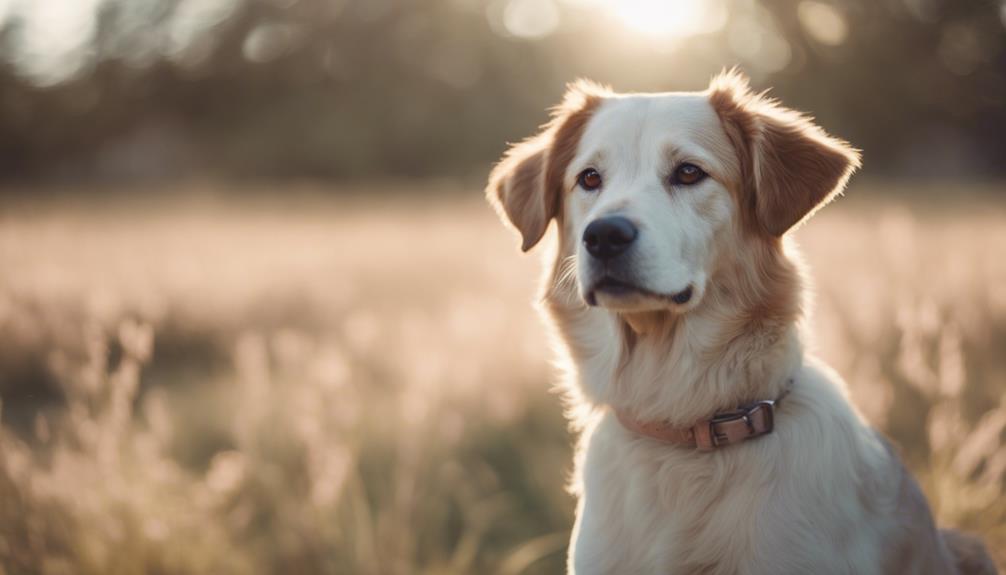
When building confidence in fearful dogs, you'll need to establish a strong foundation by creating a sense of safety and security.
This involves setting boundaries and routines that help your dog feel more comfortable and in control.
Fearful Dog Foundations
You'll often find that fearful dogs lack confidence due to a combination of genetic and environmental factors, which must be addressed before any significant progress can be made.
As a responsible owner, it's essential to understand that your fearful dog's behavior isn't a result of them being timid or weak, but rather a natural response to their perceived threats.
Dogs fear what they don't understand, and their fears can escalate quickly if not addressed.
To help your fearful dog, you need to create a safe and non-threatening environment where they can feel comfortable and secure.
This is vital in helping dogs overcome their fears and become more confident.
One effective way to do this is through positive reinforcement training methods, which focus on rewarding desired behaviors rather than punishing undesired ones.
By using these methods, you can help your fearful dog face their fears gradually and build confidence in the process.
Remember, helping dogs overcome fear takes patience, empathy, and understanding.
With the right approach, you can empower your fearful dog to become a more confident and resilient companion.
Developing Trust Further
Trust blossoms in the fertile soil of consistency, and it's essential to cultivate it further by establishing a predictable routine that helps your fearful dog feel secure and in control.
As you continue to develop trust further, your dog will become more confident in your presence and more willing to approach someone new.
Three key strategies to help you build trust with your fearful dog:
- Maintain a calm and gentle demeanor: Avoid sudden movements or loud noises, which can startle your dog and erode trust. Instead, move slowly and deliberately, speaking in a soft, gentle voice.
- Use positive reinforcement: Reward your dog with treats and praise when they exhibit calm behavior, such as lowering their body or taking a step forward. This encourages positive associations and reinforces trust.
- Be patient and consistent: Developing trust takes time, so don't rush the process. Stick to your routine and let your dog set the pace, gradually increasing their exposure to new people and experiences.
Overcoming Fear Triggers
As you've established a foundation of trust with your fearful dog, it's time to tackle the specific triggers that provoke fear, and by doing so, help your dog build confidence in the face of what previously intimidated them.
When Training a Fearful dog, it's essential to remember that you should never force them to confront their fears. Instead, focus on gradual exposure to situations that make your dog is fearful, allowing them to become comfortable at their own pace. This approach helps your dog build confidence and develop a sense of control, which is vital in overcoming fear triggers.
Start by identifying the specific triggers that cause your dog's fear response. It could be loud noises, strangers, or specific environments. Once you've identified the triggers, create a plan to gradually expose your dog to these situations, starting from a safe distance or with minimal intensity. As your dog becomes more confident, you can gradually increase the intensity or proximity of the trigger.
With patience, consistency, and positive reinforcement, your dog can learn to overcome their fears and develop a more confident and resilient personality. By following this approach, you'll be helping your dog build a stronger bond with you and develop a more positive outlook on life.
Creating a Safe Environment
When creating a safe environment for your fearful dog, you'll want to focus on setting up a secure space where they can feel comfortable and relaxed.
This safe space can be a quiet room or area where your dog can retreat when feeling anxious or overwhelmed.
Safe Space Creation
You can help your dog feel more secure by designating a quiet area of your home as their safe space. This area should be free from stressors and distractions, allowing your dog to relax and feel comfortable.
Creating a safe space can be especially helpful if your dog is experiencing fear or anxiety due to an underlying medical issue or past trauma.
Choose a quiet location: Avoid areas with high foot traffic or loud noises, such as near the front door or kitchen.
Minimize distractions: Remove any toys, treats, or other stimuli that might distract your dog from relaxing.
Provide comfort items: Add a familiar blanket or toy that provides your dog with a sense of comfort and security.
Structured Daily Routine
Establishing a structured daily routine helps create a sense of predictability and control, which can be particularly comforting for fearful dogs.
By incorporating a consistent daily schedule, you can provide your anxious dog with a sense of security and stability, reducing anxiety and fear.
A well-planned routine should cater to your dog's needs, including regular exercise, training sessions, and playtime.
- Advertisement -
This structure helps your dog understand what to expect from daily life, reducing uncertainty and stress.
Incorporating obedience behaviors, such as 'sit' and 'stay,' into your daily routine can also help calm your fearful dog.
These exercises require focus and concentration, distracting your dog from potential anxiety triggers.
By following a structured daily routine, you can help dogs feel more secure and confident, which is essential for overcoming fearfulness.
Remember, consistency is key, so stick to your routine even on weekends and holidays to provide your dog with a sense of continuity.
Effective Training Techniques
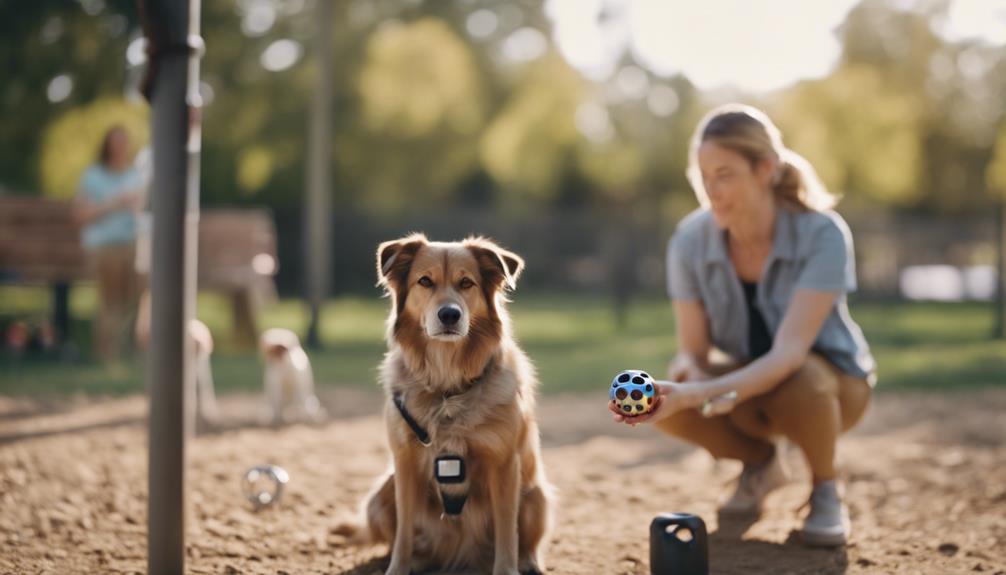
By incorporating desensitization and counterconditioning into your training routine, you can help your fearful dog create positive associations with triggers and gradually become more confident.
This approach focuses on exposing your dog to triggers in a controlled and gentle manner, while rewarding them for calm behavior. As a result, your dog will learn to associate the trigger with a positive outcome, reducing their fear response over time.
To train your dog effectively, consider the following techniques:
Reward-based training: Focus on positive reinforcement and ignore fear reactions to reduce anxiety and stress. Use high-value rewards such as treats and praise to encourage desired behavior.
Teach basic obedience: Building confidence in your fearful dog by teaching basic obedience behaviors like 'sit' and 'stay' can provide them with a sense of control and predictability.
Nose targeting: This technique encourages your dog to touch their nose to a target object, helping them overcome fears by providing a sense of control and redirecting their attention away from triggers.
Minimizing Stressful Situations
Fearful dogs thrive in environments where stress is carefully managed, and owners play a crucial role in identifying and mitigating triggers that exacerbate anxiety.
As an owner, you can substantially reduce your dog's stress levels by recognizing and addressing fearful situations.
Dogs are often overwhelmed by loud noises, unfamiliar objects, or other dogs, which can lead to anxiety and fear.
To minimize stressful situations, you should seek help from a professional trainer or behaviorist who can guide you in creating a customized plan tailored to your dog's specific needs.
Debunking Fearful Dog Myths

You've likely encountered various myths about fearful dogs that can hinder your ability to help your pet overcome anxiety. As someone who wants to serve and support others, it's essential to separate facts from fiction to provide the best possible care for your dog.
One common myth is that fearful dogs are inherently flawed or weak. However, fearfulness can stem from various factors, such as genetics, upbringing, or past traumatic experiences. It's vital to understand that your dog's fearfulness isn't a reflection of their character or intelligence.
Fearful dogs are not aggressive; while they may exhibit defensive behaviors, they aren't inherently aggressive. In fact, many fearful dogs are more likely to avoid confrontations altogether.
Fearful dogs can be trained with patience, consistency, and positive reinforcement, and they can learn to overcome their anxieties and respond to commands.
Exposing your dog to something they fear will not help them get over it. In reality, sudden or forced exposure can exacerbate your dog's fear, leading to increased anxiety. Instead, it's essential to expose your dog to feared stimuli at their own pace, allowing them to gradually become comfortable and confident.
Coping With Fearful Behavior
Approximately 40% of dogs exhibit fearful behavior, and as their owner, it's essential that you learn to recognize the signs and develop strategies to cope with these episodes.
When your dog displays fearful behavior, it's essential to approach them calmly and carefully. Avoid sudden movements or loud noises, which can exacerbate the situation. Instead, move at a comfortable pace, allowing your dog to become familiar with their surroundings.
It's pivotal to identify what triggers your dog's fearful behavior, whether it's people, noises, or specific situations. Once you've pinpointed the cause, you can develop a plan to help your dog overcome their fears. Desensitization and counterconditioning techniques can be effective in helping your dog associate the feared stimulus with positive outcomes.
When interacting with your dog during fearful episodes, it's essential to remain calm and composed. Avoid comforting or coddling your dog, as this can reinforce their fearful behavior. Instead, focus on providing a sense of security and stability. With patience, consistency, and positive reinforcement, you can help your dog overcome their fears and develop a more confident demeanor.
Frequently Asked Questions
Can a Fearful Dog Be Cured?
You're wondering if a fearful dog can be cured.
It's essential to understand that fearfulness in dogs is often rooted in their temperament, genetic predisposition, and environmental influences.
Some breeds are more prone to canine anxiety, and identifying the fear roots is vital.
While it's challenging to 'cure' fearfulness, you can work with a professional to develop strategies to manage and alleviate your dog's anxiety, helping them lead a more comfortable life.
How to Get Rid of Fear in Dogs?
Imagine fear as a thick fog that shrouds your dog's world.
To dispel it, you'll need to create a clear path forward.
When fearful moments arise, offer calming signals like gentle petting or soft spoken words.
Gradually introduce gentle exposure to the feared situation, building gradual trust with each small success.
Your soothing presence and quiet comfort can help calm the storm.
How to Build Confidence in a Fearful Dog?
When building confidence in a fearful dog, you'll want to focus on positive reinforcement, calming techniques, and gradual exposure.
Start by establishing trust through gentle interactions and emotional support.
As the dog becomes more comfortable, introduce confidence-boosting activities, such as short walks or playtime, to help them feel more secure.
Be patient and consistent, as building confidence takes time and effort.
Why Is My Dog so Fearful of Everything?
You're trying to get to the bottom of your dog's fearfulness, and it's a 'can of worms' – there are many possible reasons.
Past traumatic events, genetic predisposition, and loud noises sensitivity might be contributing factors.
Environmental factors, such as changes in your work schedule or moving to a new home, can also influence your dog's fearfulness.
Additionally, your owner's emotional state and socialization deficits can play a role.
Conclusion
By implementing the strategies outlined in this article, you'll be amazed at the transformation in your fearful dog – it's like witnessing a phoenix rise from the ashes!
With patience, consistency, and positive reinforcement, even the most timid pup can blossom into a confident companion.
Remember, every small step forward is a victory, and with time, your dog will learn to confront and overcome their fears, leading to a happier, healthier life for both of you.
- Advertisement -