

Can Dogs Eat Salmon
- Advertisement -
You can safely feed your dog cooked salmon, but it's vital to handle and prepare it properly to avoid health risks associated with raw or undercooked fish. Raw salmon can contain parasites and bacteria, leading to serious health issues, so it's essential to cook it thoroughly. Cooking salmon to an internal temperature of at least 145°F (63°C) will guarantee food safety. By preparing salmon correctly, you can provide your dog with a nutrient-rich treat that's high in omega-3 fatty acids. To get the most out of this healthy addition to your dog's diet, learn more about the benefits and precautions of feeding salmon to dogs.
Key Takeaways
- Raw or undercooked salmon can be fatal to dogs due to the risk of salmon poisoning disease and choking hazards from small bones.
- Cooked, boneless salmon is a nutritious treat for dogs, providing omega-3 fatty acids, vitamins, and minerals essential for their health.
- Handle and cook salmon safely to avoid health risks, and remove any bones, skin, or scales to minimize contamination.
- Feed dogs cooked salmon in moderation, as excessive consumption can lead to weight gain and health issues, and consult a veterinarian for guidance on serving sizes.
- Keta salmon is a healthy and nutritious option for dogs, with low mercury content and high amounts of protein and omega-3 fatty acids.
Risks of Feeding Raw Salmon
Feeding your dog raw salmon can be risky business. Raw or undercooked salmon can contain the Neorickettsia helminthoeca parasite, which causes salmon poisoning disease. This disease can be fatal and typically shows symptoms within 5-7 days, including vomiting, diarrhea, lethargy, and abdominal pain. If left untreated, the mortality rate can reach up to 90%.
Raw salmon also poses a choking hazard due to small bones that can get stuck in your dog's throat, stomach, or intestines, causing harm or even death.
The risks associated with raw salmon far outweigh any potential benefits. It's essential to prioritize your dog's health and safety by avoiding raw or undercooked salmon altogether. Instead, explore alternative, safe, and healthy options for feeding your dog.
Preparing Salmon for Dogs
Preparing Salmon for Dogs
To serve your dog a safe and nutritious meal, follow these steps to prepare salmon correctly. Handle the fish safely and cook it thoroughly to avoid health risks.
Select boneless salmon fillets to minimize bone fragments or splinters. Buy salmon from a trusted source and check for freshness and quality. Never feed your dog raw salmon, as it may contain harmful parasites or bacteria. Cook the salmon to an internal temperature of at least 145°F (63°C) to ensure food safety.
When cooking the salmon, avoid adding seasonings or oils, which can be toxic to dogs. Grill, bake, or boil the salmon without any added flavorings. Let the cooked salmon cool completely before serving it to your dog.
Control the portion size when feeding your dog salmon. The serving size depends on your dog's breed, size, and age, so consult your veterinarian for guidance. Follow these steps to prepare salmon that is both nutritious and safe for your dog.
Feeding Salmon to Dogs Safely

To feed your dog salmon safely, follow these guidelines. You can either cook fresh salmon or use canned salmon packed in water. If using fresh salmon, ensure it's boneless and free from added seasonings or oils. For canned salmon, rinse it thoroughly. Regardless of the method, proper cooking and portion control are crucial. This will guarantee your dog enjoys this nutritious treat without health risks.
Salmon Preparation Methods
When preparing salmon for your dog, safety is key. You have three main options: raw, smoked, or canned. Raw salmon poses a higher risk of parasites and bacteria, while smoked salmon can be a good alternative if it's not overly salted. Canned salmon is another option, but choose a low-sodium brand without added preservatives.
Portion control is crucial to avoid overwhelming your dog's digestive system. Cooking salmon kills bacteria and parasites, but make sure it's not undercooked. Regardless of the method, handle the fish safely to prevent cross-contamination.
Cooking Salmon Safely
When preparing salmon for your dog, it's crucial to cook it safely to avoid potential health risks. Raw or undercooked salmon can be hazardous due to small bones that can cause choking and harmful bacteria like Salmonella or E. coli. To ensure safe consumption, cook the salmon to an internal temperature of at least 145°F (63°C).
Remove any small bones or scales that can cause an obstruction by filleting the salmon according to your veterinarian's guidance. It's also essential to prevent cross-contamination with other foods, utensils, and surfaces. Wash your hands thoroughly before and after handling the salmon, and clean and sanitize all utensils and surfaces.
Nutritional Advantages of Salmon
Salmon is a nutrient-rich food that offers several health benefits for dogs when added to their diet. It's an excellent source of omega-3 fatty acids, specifically EPA and DHA, which support heart health, reduce inflammation, and promote cognitive function.
As a complete protein, salmon provides all essential amino acids required for a dog's health and development. It's also rich in vitamins and minerals like vitamin D, vitamin B12, potassium, and selenium, which support overall health and well-being.
The omega-3s in salmon have anti-inflammatory properties, making them beneficial for skin and coat health and potentially helping to treat arthritis and chronic kidney disease. When fed in moderation, salmon can improve cognitive function, reduce inflammation, and enhance overall health.
Salmon is a lean protein and a source of healthy fats, providing essential fatty acids that support a dog's overall well-being. By incorporating salmon into their diet, you can provide a balanced and nutritious meal that supports their health.
Benefits of Keta Salmon

Keta salmon is a nutrient-rich food that provides high amounts of protein and omega-3 fatty acids. These nutrients support your dog's overall health. One key benefit of keta salmon is its low mercury content. Mercury is a toxic substance that can harm your dog if consumed excessively. By feeding keta salmon, you're providing a healthy and nutritious treat that supports your dog's well-being. This treat is particularly beneficial due to its high nutritional value and low toxicity risk.
Rich in Omega-3
Keta salmon is an excellent source of omega-3 fatty acids, essential for your dog's overall health and well-being. Omega-3s provide several benefits, including reducing inflammation, improving heart health, and supporting brain function. Feeding your dog keta salmon is a convenient and cost-effective way to provide these essential fatty acids.
A pound of keta salmon yields 5-6 meal toppers, making it easy to incorporate into their daily routine. You can also use keta salmon as a nutritious treat to reward your dog during training, providing a healthy motivator.
High in Protein
Keta salmon is a high-protein food that supports your dog's overall health. As a lean protein source, it's a nutritious and cost-effective option. A 20-pound box costs $12.46 per pound, which works out to $2-3 per serving (5-6 meal toppers per pound).
Keta salmon is rich in omega-3 fatty acids, vitamin B, and essential minerals. These nutrients promote healthy skin, bones, and joints, reducing pain and inflammation. When fed in moderation under veterinary guidance, keta salmon provides a valuable protein source for your dog, supporting their overall well-being.
Low in Mercury
Keta salmon is a good choice for dog owners due to its low mercury content. Mercury is a toxic substance that can harm dogs, making it essential to select a fish with low levels of this contaminant.
Keta salmon has several benefits for dogs:
- Heart Health: Rich in omega-3 fatty acids, keta salmon supports heart health and reduces inflammation in dogs.
- Skin and Fur Health: Keta salmon improves skin and fur health, leaving a dog's coat shiny and healthy.
- Cognitive Function: The omega-3 fatty acids in keta salmon promote cognitive function, supporting mental health and well-being in dogs.
- Cost-Effective: At $2-3 per serving, keta salmon is a cost-effective alternative to premium dog food, making it a good option for dog owners on a budget.
Can Dogs Eat Raw Salmon
Raw salmon may seem like a healthy snack to share with your dog, but it's not safe. Raw or undercooked salmon can contain a parasite called Neorickettsia helminthoeca, which can cause salmon poisoning in dogs. This parasite is usually killed during cooking, but raw fish can harbor live parasites that can infect your dog.
Salmon poisoning can lead to severe symptoms, including vomiting, diarrhea, and abdominal pain. In severe cases, it can even be fatal. To avoid putting your dog's health at risk, cook the salmon thoroughly before sharing it with them.
Cooking salmon to an internal temperature of at least 145°F (63°C) will kill any parasites. This way, your dog can enjoy the nutritional benefits of salmon without the risk of salmon poisoning. Remember, dogs can eat cooked salmon, but not raw or undercooked. Always prioritize your dog's health and safety when sharing human food with them.
Can Dogs Eat Salmon Skin
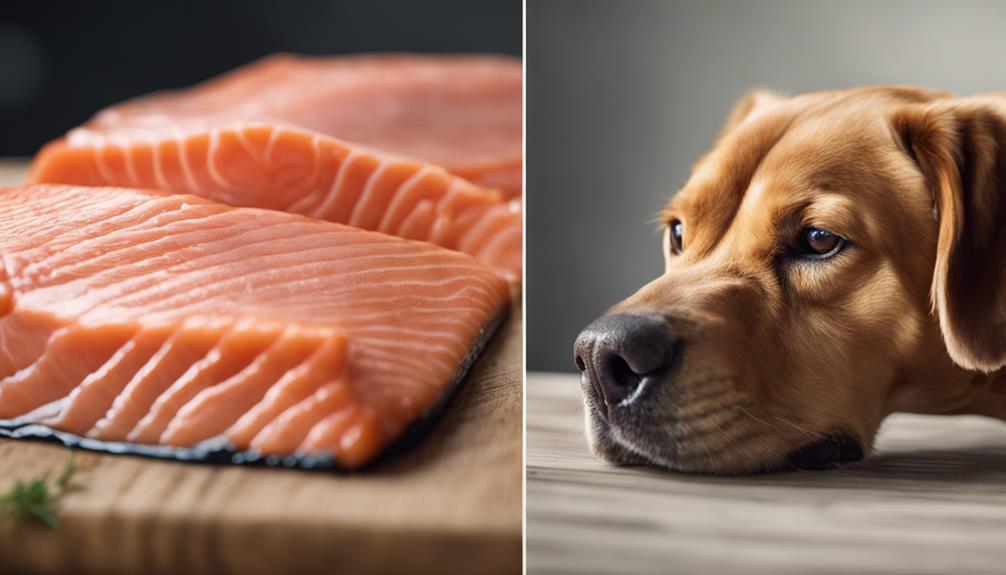
Dogs can eat salmon skin, but only if it's thoroughly cooked and free from toxic ingredients. Cooked salmon skin is a rich source of omega-3 fatty acids, making it a nutritious treat for dogs.
To feed your dog salmon skin safely:
- Advertisement -
- Only feed cooked salmon skin, as raw skin can contain bacteria and parasites.
- Remove any bones or scales before serving to prevent choking hazards or digestive issues.
- Feed salmon skin in limited amounts as an occasional treat, not as a regular part of their diet.
- Avoid overfeeding, as this can lead to imbalances in their diet.
How Much Salmon Can Dogs Eat
Determine the Right Amount of Salmon for Your Dog
When feeding your dog salmon, consider their weight to ensure you're providing the right amount. Extra-small dogs (2-20 pounds) can have 1-2 ounces of cooked, boneless salmon per week. Small dogs (21-30 pounds) can have 2-3 ounces per week.
For medium-sized dogs, a few small portions of cooked salmon per week are suitable. However, consult your veterinarian before making any changes to your dog's diet. Salmon can be high in fat, leading to weight gain and health issues if fed excessively.
Feed small amounts of fresh, cooked, boneless salmon as an occasional treat. Consider your dog's individual nutritional needs and consult your veterinarian to determine the right amount for their specific needs. This ensures a balanced diet that includes the benefits of salmon.
Remember to prioritize your dog's size and weight when feeding salmon. A tailored approach will provide the best results.
Important Reminders for Dog Owners
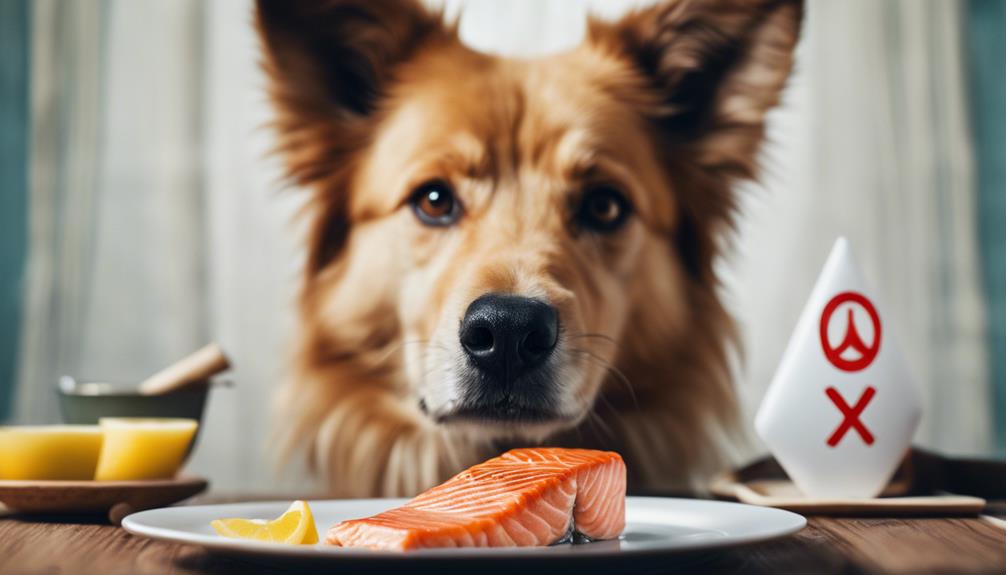
When introducing salmon into your dog's diet, follow these essential guidelines to ensure a safe and healthy experience.
First, consult with your veterinarian to confirm that salmon is a suitable addition for your dog, especially if they have pre-existing health conditions or allergies.
Begin with small portions to prevent digestive upset and monitor your dog's reaction. Gradually increase the serving size as needed.
Choose a safe source of omega-3 fatty acids by opting for cooked, boneless, and skinless salmon. Remove any bones, skin, or scales, as they can cause obstruction or contamination.
Monitor your dog's skin and coat, as salmon is rich in omega-3 fatty acids that can benefit their skin and coat. If you notice any adverse reactions, such as itching or redness, discontinue salmon from their diet and consult with your vet.
Additional Resources for Dog Nutrition
To ensure your dog receives the best nutrition, explore these additional resources:
Reputable websites and guides, like the AKC Puppy Nutrition Guide, provide reliable information on puppy nutrition. Download free e-books on dog nutrition to learn more about best practices for your dog's diet.
Puppy Nutrition Resources
Puppy Nutrition 101: Getting it Right from the Start
AKC Puppy Nutrition Guide
The American Kennel Club (AKC) provides a comprehensive puppy nutrition guide, outlining essential information for pet owners to ensure their dogs receive a balanced diet. Feeding your dog a nutrient-rich food like salmon has several benefits. Salmon is an excellent source of protein and fatty acids, which support muscle development and cognitive function. It also boosts the immune system due to its high nutritional value.
The AKC guide covers various topics, including understanding your dog's nutritional needs, selecting the right food based on age, breed, and health conditions, and making informed decisions about their diet. By following the guide, you can ensure your dog receives the necessary nutrients to thrive.
When selecting food for your dog, consider the following factors:
- Age: Puppies have different nutritional needs than adult dogs.
- Breed: Different breeds have varying energy levels and dietary requirements.
- Health conditions: Dogs with health issues may require specialized diets.
The AKC guide provides valuable resources to help you make informed decisions about your dog's diet, including whether to include salmon as a healthy addition to their meals.
Free Nutrition Ebook Download
Get Your Free Nutrition Ebook Download
Many dog owners struggle to find reliable information on canine nutrition. This ebook provides a trusted resource to help you make informed decisions about your dog's diet.
This comprehensive guide covers essential topics, including:
- How to safely add salmon rich in omega-3 fatty acids and minerals to your dog's diet as an occasional treat.
- The benefits and safe feeding practices for smoked salmon.
- The importance of balanced nutrition and how to make informed additions to your dog's meal plan.
- Common misconceptions about canine nutrition and how to separate fact from fiction.
Download your free ebook now and start making a positive impact on your dog's health.
Frequently Asked Questions
Can I Feed My Dog Cooked Salmon?
When preparing salmon for your dog, remove any bones to avoid the risk of salmon poisoning disease. Avoid seasoned or smoked salmon, as added ingredients can be toxic. Fresh, plain cooked salmon provides omega-3 benefits. Poached or grilled methods are acceptable, but avoid added seasonings. Canned salmon is an option, but be aware of high sodium content. Serve cooked salmon in moderation, based on your dog's weight.
How Much Salmon Do I Give My Dog?
When feeding salmon to your dog, start with small servings of less than an ounce to avoid digestive upset. The ideal weekly amount depends on your dog's size. Extra-small dogs need 1-2 ounces, while small dogs require 2-3 ounces. For the best guidance, consult your veterinarian to determine the perfect daily dose for your dog. This ensures a healthy and balanced diet.
What Do I Do if My Dog Ate Salmon?
If your dog has eaten salmon, it's essential to take immediate action. Raw or bone-containing salmon can cause salmon poisoning, a serious health risk. Monitor your dog for signs of an allergic reaction, including vomiting, diarrhea, or itchiness. If you suspect a problem, take your dog to an emergency vet visit right away. Be prepared to provide details about what and how much they ate.
In the meantime, consider alternatives to salmon, such as fish oil supplements. Stay informed about dog food recalls to ensure your pet's safety. Remember, prompt action is crucial in preventing severe health issues.
Is Salmon Better Than Chicken for Dogs?
Salmon and chicken are two common protein sources in dog food, but which one is better for your dog? The key difference lies in their fatty acid profiles. Salmon, a fish protein, provides a more balanced mix of fatty acids, particularly omega-3 fatty acids. These nutrients support heart health and can improve the shine and condition of your dog's coat.
In addition to its nutritional benefits, salmon is often easier for dogs to digest than chicken. This makes it a good alternative protein source for dogs that may have sensitivities or allergies to chicken. By incorporating salmon into your dog's diet, you can provide a welcome change of pace and potentially improve their overall health.
In summary
Feeding your dog salmon can be a nutritious addition to their diet, but it's essential to be aware of the potential risks and take precautions.
Salmon is a rich source of protein, omega-3 fatty acids, and various vitamins and minerals. These nutrients can support your dog's heart health, skin, and coat. However, there are some things to consider before making salmon a regular part of their meals.
Firstly, raw or undercooked salmon can contain parasites like salmonella and listeria, which can be harmful to dogs. It's crucial to cook the salmon thoroughly to eliminate these risks.
Secondly, salmon bones can be a choking hazard or cause digestive issues if ingested. Make sure to remove all bones before serving.
Lastly, salmon skin is high in fat, which can lead to pancreatitis in dogs if consumed excessively. It's best to remove the skin or limit the amount your dog eats.
By taking these precautions, you can provide your dog with a healthy and nutritious treat. Always consult with your veterinarian if you have any concerns or questions about adding salmon to your dog's diet.
- Advertisement -