
Can Dogs Eat Lamb Bones
- Advertisement -
While raw lamb bones can be a healthy snack option for your dog when fed in moderation, they come with potential risks and dangers that you need to be aware of to guarantee your pet's safety. Raw bones can provide essential nutrients and promote dental health, but they can also harbor harmful bacteria, cause internal damage, and lead to choking hazards. To feed your dog lamb bones safely, you'll need to choose the right bone size and type, supervise mealtime, and practice moderation. By understanding the risks and benefits, you can make informed decisions about incorporating lamb bones into your dog's diet, and discover more about safe alternatives and feeding practices to keep your pet healthy and happy.
Key Takeaways
- Raw lamb bones are safer than cooked bones, but still pose risks like choking, internal damage, and food poisoning.
- Feeding dogs lamb bones can lead to severe health complications, including obstruction, perforation, and even death.
- Choose the right bone size and type, supervise mealtime, and practice moderation to minimize risks when feeding raw lamb bones.
- Safe alternatives to lamb bones include high-quality dog treats, rubber toys, and nutritious snacks like carrots, green beans, and sweet potatoes.
- Monitor your dog for symptoms like vomiting, fatigue, bloody stool, and dental issues if they ingest lamb bones.
Raw Lamb Bones Vs. Cooked
When choosing lamb bones as a snack for your dog, it's crucial to understand the difference between raw and cooked options. Raw lamb bones are the safer choice because they are softer and more pliable, reducing the risk of choking hazards and internal injuries. Cooked lamb bones, on the other hand, become brittle and prone to splintering, which can cause internal injuries.
Raw lamb bones provide essential nutrients like calcium, making them a healthy snack option when fed in moderation. They also promote dental health by reducing tartar and plaque, and satisfy your dog's natural instinct to chew. Regularly feeding your dog raw lamb bones can have numerous benefits for their overall health.
Cooking lamb bones can lead to serious health issues, including obstruction or perforation of the digestive tract. It's essential to avoid cooked lamb bones and instead opt for raw bones to ensure your dog's safety. Raw bones provide a healthy and nutritious snack that supports your dog's overall well-being.
Risks of Lamb Bones for Dogs
Feeding your dog raw lamb bones can be risky. You need to be aware of the potential dangers to ensure your pet's safety.
Internal damage is a significant risk. Sharp bone fragments can splinter and pierce your dog's digestive tract, causing serious harm or even death. Large bones can also get stuck in your dog's throat or digestive tract, leading to obstruction or blockage.
Raw bones can also harbor harmful bacteria like Salmonella or E. coli, which can cause food poisoning in your dog. This is especially true for puppies, senior dogs, and dogs with weakened immune systems.
Some dogs may not be able to digest lamb bones properly, leading to stomach problems or allergic reactions. Watch your dog closely after introducing lamb bones into their diet.
Safe Feeding Practices
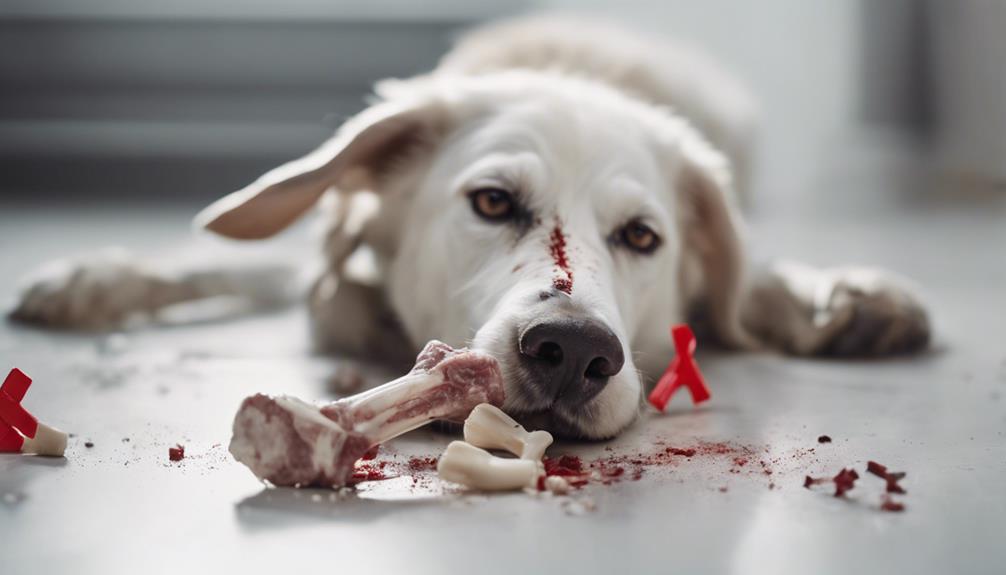
Feeding your dog lamb bones requires careful selection to minimize risks. Choose the right bone size and type to avoid obstruction or splintering. Always supervise your dog during mealtime to ensure they're not choking or showing signs of discomfort. To maintain your dog's health, practice moderation and balance in their diet to prevent overconsumption of lamb bones.
Bone Size and Type
Selecting the right bone size and type is crucial for safe feeding practices. When choosing lamb bones for your dog, consider their age, size, and breed.
Puppies require smaller, softer bones to prevent choking hazards and digestive issues. Adult dogs can handle larger, meatier bones.
Marrow bones are rich in nutrients and a good option, but they can be a choking hazard if too small. Choose bones appropriate for your dog's size. Knuckle bones or joint bones provide a natural source of glucosamine and chondroitin.
Remember to select bones that match your dog's age, size, and breed to ensure safe and healthy feeding.
Supervision and Monitoring
When introducing lamb bones into your dog's diet, supervise and monitor their behavior closely. This is crucial to identify potential issues or signs of discomfort, such as choking, gagging, or vomiting.
Be present when your dog eats lamb bones to ensure they don't break into small pieces that can cause choking. Also, monitor your dog's stool quality, as lamb bones can sometimes cause constipation.
Recognize the signs of bone obstruction, including whining, pacing, or attempting to vomit. If you notice any of these symptoms, remove the lamb bones immediately and consult your veterinarian. Close supervision and monitoring can minimize potential risks and ensure a safe and healthy feeding experience.
Moderation and Balance
When introducing lamb bones into your dog's diet, moderation is crucial. You want your dog to reap the benefits of chewing and dental health, but not at the risk of their overall well-being.
To achieve a balance, follow these guidelines:
Feed lamb bones in moderation, as an occasional treat, not a replacement for regular meals. Start with small bones and gradually increase the size to prevent choking hazards. Ensure a well-rounded diet to avoid constipation due to high bone content. Before adding lamb bones, consult with a veterinarian, especially for puppies or dogs with health issues, to identify potential risks and certify safe consumption.
Edibles and Chewables Explained
When giving your dog bones, it's essential to understand the difference between edibles and chewables. Edibles are bones that provide nutritional value to dogs, such as chicken or turkey bones. These bones should be ground up and added to dog food to provide extra vitamins and minerals. Raw lamb bones are a good example of edibles, as they provide a natural source of calcium and other essential nutrients when fed in moderation.
Chewables, on the other hand, are recreational bones for dogs to chew on, not to be completely eaten. These bones should be large and hard, such as beef, ham, or lamb legs or hips. They serve as a recreational activity for dogs, keeping them occupied and satisfied.
Understanding the difference between edibles and chewables is crucial to ensure your dog gets the right type of bone for their health and well-being. This distinction allows you to provide a balanced and nutritious diet, as well as a fun and engaging play experience. Remember, dogs eat lamb bones for different reasons, and knowing the difference between edibles and chewables will help you make informed decisions about their care.
Dangers of Feeding Dogs Bones
Feeding dogs bones can be dangerous and even fatal. Over 12,000 reported cases of bone-related injuries in dogs highlight the seriousness of this issue.
Feeding dogs bones can cause several problems:
- Cooked bones become brittle and can splinter, leading to intestinal perforations, vomiting, diarrhea, and abdominal pain.
- Small bones, like chicken bones, can cause choking and internal damage, with a 15% mortality rate in dogs that ingest them.
- Bones can break into sharp pieces, causing internal damage and obstructions, and leading to vomiting, diarrhea, and discomfort.
- Feeding dogs bones can lead to severe health complications, including obstruction, perforation, and even death.
Instead of giving your dog bones, consider providing them with safe and healthy alternatives, such as high-quality dog treats. By being aware of the dangers of feeding dogs bones, you can help protect your dog's health and happiness.
Preventing Bone Ingestion
To prevent bone ingestion, supervise your dog during meals and snacks, especially when serving meat with bones. Before letting your dog eat, inspect their food for bone fragments or sharp edges.
When serving cooked lamb, consider deboning the meat or using a boneless cut to minimize the risk of bone ingestion.
Regularly inspect your dog's toys and chews, and discard any damaged or worn-out items with sharp edges or small parts that can be swallowed. Rotate their toys regularly to prevent boredom and reduce the likelihood of them seeking out bones as a substitute.
Safe Alternatives to Bones
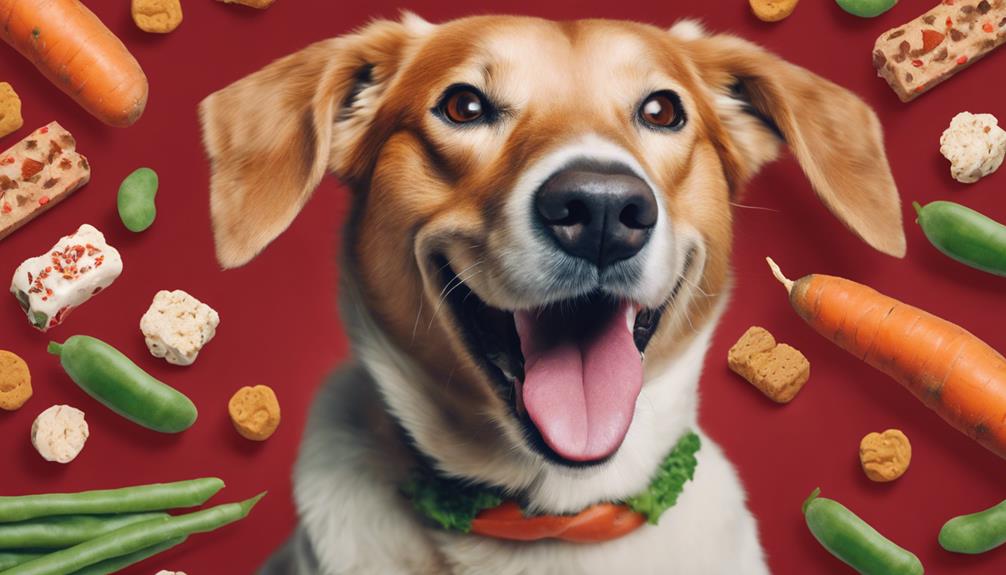
If you're looking for alternatives to bones, there are many healthy options available. Your dog can satisfy their natural urge to chew with high-quality dog treats, safe chewing alternatives, and nutritious snacks. These options provide essential nutrients without the risks associated with bones. Consider the following:
- Advertisement -
- High-quality dog treats that meet your dog's nutritional needs
- Safe chewing alternatives, such as rubber toys or durable chews
- Nutritious snacks, like carrots or green beans, that are healthy and low-calorie
Healthy Treat Options
Ditching lamb bones doesn't mean depriving your dog of crunchy snacks or tasty rewards. You can provide healthy and nutritious treats instead.
Carrots make a great alternative to bones. They're low in calories and provide a satisfying crunch. Green beans are another nutritious option, rich in fiber and vitamins, and low in calories. Sweet potatoes are a nutrient-rich snack when cooked and served plain, providing fiber, vitamins, and minerals. Apple slices are also a healthy treat, providing fiber and antioxidants when served without seeds or core.
These snacks offer several health benefits for your dog. By choosing them, you can ensure your dog stays happy and healthy while avoiding the risks associated with lamb bones.
Safe Chewing Alternatives
Providing safe alternatives to lamb bones is crucial for your dog's health and wellbeing. Lamb bones can be a choking hazard or cause digestive issues, so it's essential to find safe options.
Durable rubber toys are a good choice. They come in various shapes, sizes, and textures, providing mental stimulation and satisfying your dog's natural urge to chew. Hard, nylon-based chews or bully sticks are another option. They're long-lasting and can be stuffed with treats for added entertainment.
Raw, edible chews made from natural ingredients like sweet potatoes, carrots, or apples are also a safe choice. These chews provide essential nutrients and fiber. When introducing new chews, supervise your dog and rotate them regularly to prevent boredom.
Nutritious Snack Ideas
If you're no longer giving your dog lamb bones, it's crucial to find healthy snack alternatives. Instead, consider these nutritious options:
Carrots provide fiber, vitamins, and minerals, and can help support dental health by reducing tartar and plaque.
Green beans are a low-calorie snack rich in vitamins, minerals, and antioxidants that support healthy digestion.
Sweet potato slices are a nutrient-rich snack that provides fiber, vitamins, and minerals, supporting healthy digestion and satiety.
Apple slices are a healthy treat that provides fiber, vitamins, and antioxidants. Remove seeds and cores to avoid toxicity.
These snacks are packed with nutrients that benefit your dog's overall health. By choosing these alternatives, you'll ensure your dog stays healthy and happy, without the risks associated with lamb bones.
Feeding Lamb Bones Safely
Feeding your dog lamb bones can be a healthy snack or a veterinary emergency, depending on three key factors: size, preparation, and supervision.
Choose bones of an appropriate size to ensure your dog's safety. Bones that are too small can cause choking, while those that are too large can lead to obstruction or digestive issues. Opt for medium-sized bones like knuckle or marrow bones, which are easy for your dog to chew on without posing a risk.
Proper preparation is crucial. Cook the bones thoroughly to kill bacteria like Salmonella, which can make your dog sick. Avoid giving your dog lamb bones with marrow, as they are high in fat and can cause pancreatitis.
Supervise your dog when they're eating lamb bones. Watch for signs of discomfort, such as vomiting, diarrhea, or abdominal pain, and intervene promptly if you notice any issues. Limit the frequency and quantity of lamb bones your dog eats, as overconsumption can lead to an imbalance of calcium and phosphorus in their diet.
Symptoms to Look For
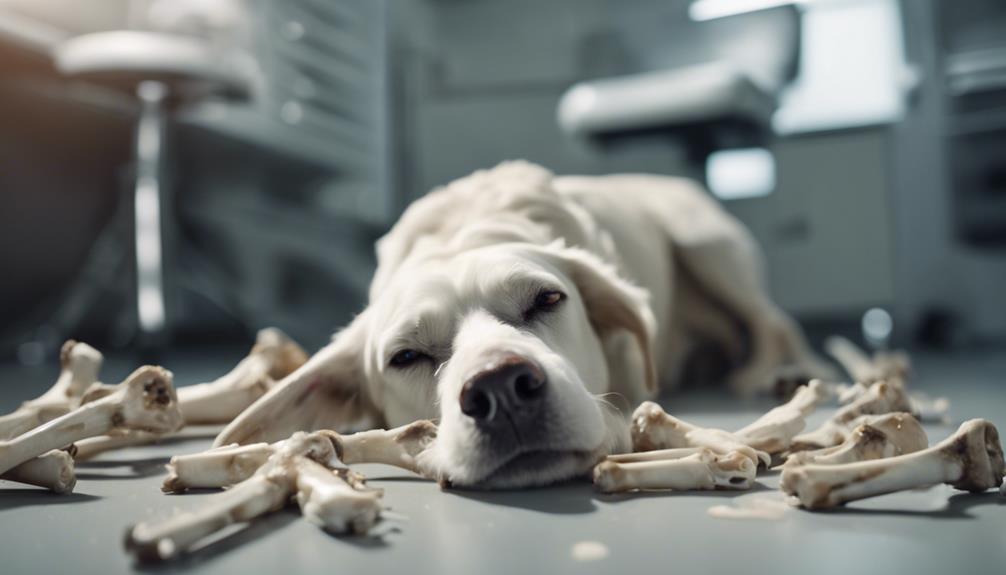
Recognizing the Symptoms of Lamb Bone Ingestion in Dogs
If your dog has eaten a lamb bone, it's crucial to monitor its behavior and health closely. Prompt veterinary attention is essential if you notice any of the following symptoms:
- Vomiting, which can occur immediately after eating the bone or persist over time
- Fatigue or lethargy, indicating a potential intestinal blockage or perforation
- Bloody stool or diarrhea, suggesting internal damage
- Infection or complication symptoms, such as whining, panting, or restlessness, which require immediate veterinary attention
Chewing on lamb bones can also cause dental issues, including broken teeth or gum recession. Regular dental check-ups are vital to prevent these problems.
If you suspect your dog has ingested a lamb bone, closely monitor its behavior and stool quality. Seek veterinary help immediately if you notice any of these symptoms. Don't hesitate to act – prompt attention can make a significant difference in your dog's health.
Frequently Asked Questions
Can a Dog Eat a Cooked Lamb Bone?
Cooked lamb bones are not safe for your dog to eat. While cooking may make them more appealing, it doesn't eliminate the risks. Cooked bones can still splinter and cause internal damage or obstruction. They can also get stuck in your dog's throat or digestive tract, especially if they are small.
Instead of risking your dog's health, consider alternative treats that are safe and healthy. There are many options available that can provide your dog with the nutrients they need without the risks associated with cooked bones. Always prioritize your dog's safety and well-being when deciding what to feed them.
What Kind of Bones Can Dogs Eat?
When it comes to giving your dog bones, it's crucial to choose the right ones. Raw, unprocessed bones are safe for dogs to eat. These include beef or pork necks, knuckle bones, and marrow bones. Always consult with a vet before introducing new bones to your dog's diet.
Is Lamb Toxic to Dogs?
Lamb is not inherently toxic to dogs. However, some dogs may develop an allergy to lamb, which can cause skin issues or gastrointestinal problems. Before feeding lamb to your dog, consult with your veterinarian to determine the best approach and rule out potential allergy concerns.
Are Lamb Necks Safe for Dogs?
Lamb necks can be a nutritious snack for dogs, but they also pose a significant choking hazard. The necks' shape and size make them easy to get stuck in a dog's throat. To minimize this risk, it's crucial to supervise your dog during mealtime and cut the necks into manageable pieces.
Cutting the lamb necks into smaller pieces reduces the likelihood of choking, but it's still essential to monitor your dog's eating. If you're unsure about feeding your dog lamb necks, consult with your veterinarian for guidance.
In summary
Feeding your dog lamb bones can be risky, but it can also be a nutritious addition to their diet if done correctly. To avoid health issues, it's essential to understand the pros and cons.
On the plus side, lamb bones can provide essential nutrients like calcium, phosphorus, and protein. They can also help clean your dog's teeth and reduce anxiety caused by chewing.
However, there are also potential risks to consider. Lamb bones can splinter and cause internal damage, block the digestive tract, or even lead to choking. Additionally, cooked lamb bones can be especially dangerous as they become brittle and more prone to splintering.
To minimize the risks, follow these guidelines: always supervise your dog when giving them lamb bones, only provide raw lamb bones, and choose bones that are appropriate for your dog's size and age. Also, introduce lamb bones gradually to prevent digestive upset.
Remember, a balanced diet is crucial for your dog's overall health. If you're unsure about feeding your dog lamb bones, consult with your veterinarian for personalized advice.
- Advertisement -