
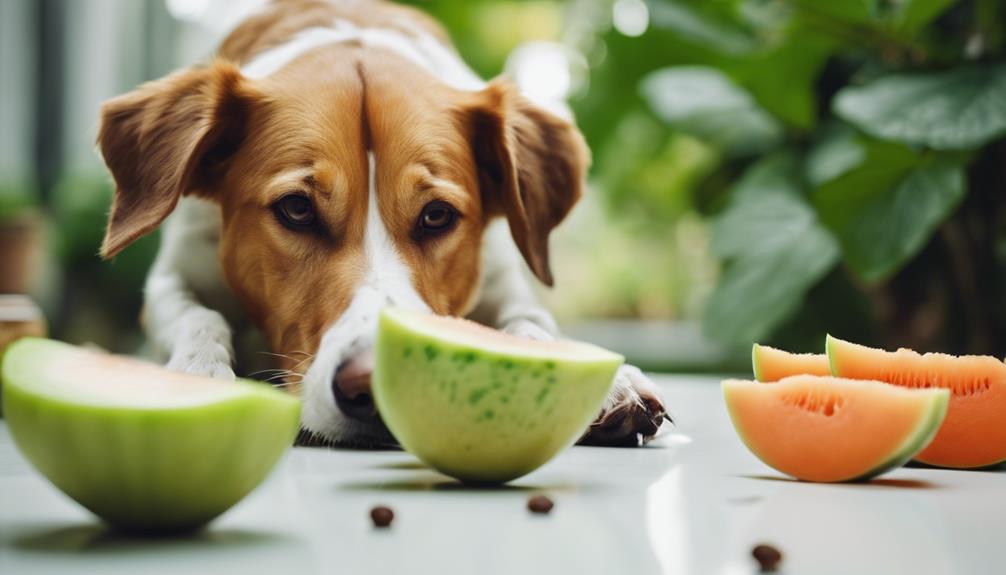
Can Dogs Eat Honeydew
- Advertisement -
You can safely give your dog honeydew in moderation, as this sweet and rejuvenating fruit provides essential vitamins, minerals, and antioxidants that support their overall health. However, it's vital to be aware of the risks and precautions, such as the high sugar content, potential choking hazards, and digestive upset. To introduce honeydew to your dog's diet, follow the serving and preparation guidelines, including limiting the amount to 1/4 cup per 10 pounds of body weight per day, cutting it into small pieces, and introducing it gradually. As you explore honeydew as a healthy treat for your dog, you'll discover more about its benefits and how to incorporate it safely.
Key Takeaways
- Dogs can eat honeydew in moderation, but it's essential to remove seeds, rinds, and pits to avoid choking hazards and toxicity.
- Honeydew is a nutritious snack for dogs, rich in vitamins A and C, potassium, and fiber, making it a healthy treat in small amounts.
- However, honeydew is high in sugar, which can contribute to weight gain, digestive upset, and worsen health conditions like diabetes if consumed excessively.
- Limit honeydew to 1/4 cup per 10 pounds of body weight per day, and introduce it gradually to prevent digestive issues.
- Consult a veterinarian before adding honeydew to a dog's diet, especially if they have pre-existing health conditions or allergies.
Is Honeydew Good for Dogs?
Honeydew can be a nutritious and healthy snack for dogs when given in moderation. It's rich in vitamins A and C, potassium, and fiber, making it a great treat. The high water content also makes it a refreshing and hydrating snack, especially during hot summer days.
One advantage of honeydew is its low sugar content, with only 64 calories per cup. The antioxidants and anti-inflammatory properties in honeydew can also support your dog's overall health.
When feeding honeydew to your dog, remember to:
- Remove seeds and rinds, as they can cause digestive issues
- Introduce honeydew gradually into your dog's diet to prevent adverse reactions
- Only give honeydew in moderation, as with any treat
Can Honeydew Be Bad for Dogs?
Feeding honeydew to your dog can have negative consequences. The high sugar content in honeydew can lead to various health problems. Additionally, the pit and rind of the fruit can cause intestinal blockages and pose a choking hazard. Before sharing honeydew with your dog, consider these potential risks and weigh them against any potential benefits.
High Sugar Content
Honeydew melon is high in sugar, making it a poor choice for dogs, especially those with diabetes. A single cup of honeydew contains 60 calories and 16 grams of sugar, which can contribute to weight gain and worsen health problems in dogs if consumed excessively. Overweight dogs are particularly at risk, as honeydew can exacerbate their condition and lead to obesity-related health issues.
Moreover, the high sugar content in honeydew can cause digestive upset in dogs, especially those with sensitive stomachs. Before sharing honeydew with your dog, consult with your veterinarian to weigh the potential risks. It's essential to prioritize your dog's health and consider alternative treats that are lower in sugar and calories.
Intestinal Blockage Risks
Honeydew melon poses a significant threat to your dog's health: intestinal blockage risks. The rind and seeds can cause serious problems if ingested.
The rind can cause intestinal blockage and digestive upset in dogs. The seeds are a choking hazard and cannot be easily digested, which increases the risk of intestinal blockage. If your dog eats a large amount of honeydew rind or seeds, it can lead to a life-threatening intestinal blockage.
Symptoms of intestinal blockage in dogs include vomiting, diarrhea, and abdominal pain. If you suspect your dog has eaten honeydew rind or seeds, seek immediate veterinary attention to prevent severe complications.
Choking Hazards
When feeding honeydew melon to your dog, it's crucial to consider choking hazards. Honeydew seeds are a significant risk, as they can get stuck in your dog's throat and are hard to digest. Remove them before serving the fruit to your dog.
To minimize the risk of choking or digestive issues:
- Remove seeds and rinds. Honeydew seeds can cause choking, and the rind can block the intestines and cause digestive upset.
- Cut the honeydew melon into small, bite-sized pieces. This reduces the risk of choking or digestive problems.
- Supervise your dog while they eat. Ensure they're not trying to swallow seeds or large pieces of honeydew.
How Much Honeydew Can Dogs Eat?
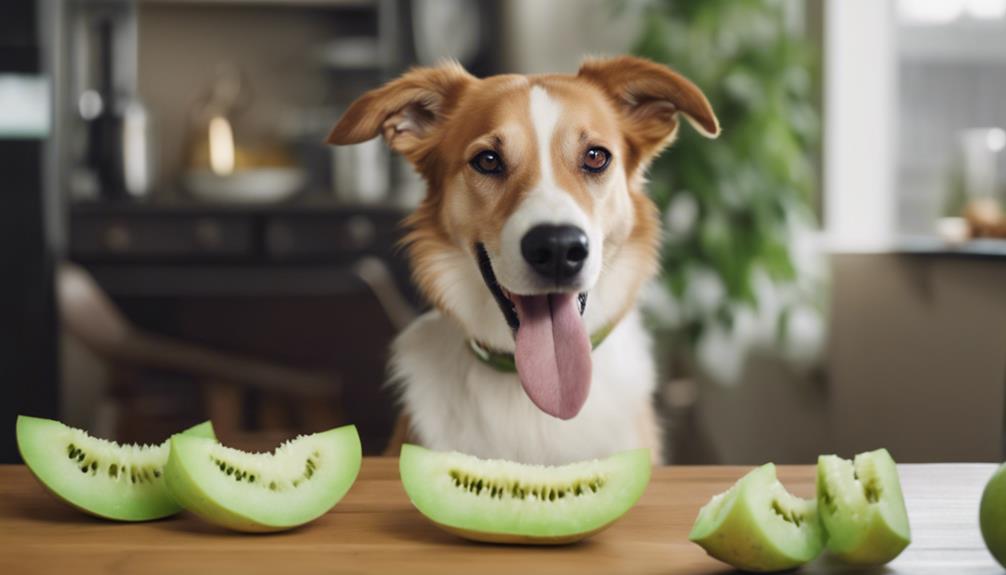
To determine how much honeydew your dog can safely eat, follow these guidelines. Honeydew can be a good source of fiber for dogs, but overconsumption can cause gastrointestinal upset.
A general rule of thumb is to limit honeydew to 1/4 cup per 10 pounds of body weight per day. For example, a 20-pound dog can have 1/2 cup of honeydew daily. Remember, honeydew is a treat, not a substitute for your dog's regular meals. Ensure your dog's nutritional needs are met through a balanced diet, and use honeydew as an occasional indulgence.
Consider your dog's individual needs, such as age, breed, and health conditions, which can impact their tolerance to honeydew. When serving honeydew, make sure it's ripe, fresh, and free of seeds, rinds, and pits, which can be a choking hazard. Cut the honeydew into small, manageable pieces or cubes to reduce the risk of choking.
Other Fruits Dogs Can Eat
Other Fruits Dogs Can Eat
Many fruits are safe for dogs to eat and can provide essential nutrients for their overall health. Fruits are rich in dietary fiber, antioxidants, and other nutrients that can benefit dogs.
Apples are a great source of fiber, vitamins, and antioxidants. Remove the seeds and core, as they can be toxic to dogs.
Bananas are rich in potassium, which supports heart health and muscle function. They're easy to digest and make a tasty treat.
Blueberries are packed with antioxidants and fiber, making them an excellent addition to a dog's diet. They support cognitive function and overall health.
When introducing new fruits, do it gradually and in small amounts to prevent digestive upset. Remove seeds, pits, or stems that can be toxic to dogs. By incorporating a variety of fruits into a dog's diet, you can provide essential nutrients and support their overall health.
Honeydew Serving Ideas

When serving honeydew to your dog, consider their individual health needs and potential allergies or sensitivities. To ensure a safe and healthy snack, follow these guidelines:
- Be aware of your dog's health conditions, such as digestive issues or food allergies.
- Remove seeds and rinds, as they can cause choking or digestive problems.
- Cut honeydew into small, manageable pieces to prevent choking.
- Introduce honeydew gradually to prevent digestive upset.
- Limit honeydew to occasional treats, as it is high in sugar and calories.
Honeydew Serving Tips
Serving honeydew to your dog can be a great way to provide a healthy snack. To make the experience more enjoyable and nutritious, consider the following serving tips:
Cut honeydew into bite-sized cubes to reduce the risk of choking and make it easier for your dog to eat.
Combine honeydew with other fruits, such as blueberries or bananas, to create a delicious and nutritious snack.
Use diced honeydew as a topping for your dog's regular meals or favorite treats to add flavor and excitement.
Health Considerations
When feeding honeydew to your dog, consider their individual health needs and potential allergies. Some dogs may have sensitivities to fruits like honeydew, which can cause stomach issues. Additionally, honeydew is high in calories and sugar, so monitor your dog's intake.
Honeydew is a good source of vitamins A and C, potassium, and fiber, benefiting your dog's overall health. However, introduce it gradually and in small amounts to ensure your dog can tolerate it. Remove seeds, rinds, and leaves, as they can be toxic or cause blockages.
If your dog has pre-existing health conditions, such as diabetes or obesity, consult with your veterinarian before adding honeydew to their diet. By being mindful of these health considerations, you can safely offer honeydew as a healthy snack for your dog.
- Advertisement -
Moderation Is Key
Feeding honeydew to your dog requires moderation to avoid harm. As a responsible owner, you need to balance its benefits with potential drawbacks. Honeydew is high in sugar, and overconsumption can lead to weight gain, digestive issues, and chronic health problems like diabetes.
To incorporate honeydew into your dog's diet safely:
- Introduce small amounts: Start with 1-2 tablespoons (a few cubes or slices) to monitor your dog's reaction and adjust accordingly.
- Select ripe honeydew: Opt for ripe, sweet honeydew to minimize digestive upset risk.
- Pair with nutrient-dense foods: Ensure honeydew doesn't replace essential nutrients; pair it with protein-rich foods, whole grains, and vegetables.
Health Considerations for Dogs
When introducing honeydew melon to your dog's diet, consider their overall health. Dogs with digestive issues should avoid honeydew melon due to its high sugar content, which can worsen health problems. Similarly, dogs with diabetes should not consume honeydew melon, as it can exacerbate their condition.
Healthy dogs may experience digestive upset if they're not used to the fiber content in honeydew melon. Monitor their bowel movements after consumption to ensure they can tolerate it.
If your dog is overweight, it's best to avoid honeydew melon altogether, as the high sugar content can contribute to weight gain and obesity. Before adding honeydew melon to your dog's diet, consult a veterinarian, especially if they have pre-existing health conditions or allergies. This will ensure your dog can enjoy honeydew melon safely and healthily.
Related Information on Dog Health

To ensure your dog's overall health, it's crucial to monitor their diet, including their honeydew melon intake. As a responsible pet owner, you need to be aware of the benefits and risks associated with fruits like honeydew.
Some fruits, like cantaloupe, can be beneficial for dogs due to their high fiber, vitamin, and mineral content. However, fruits should be consumed in moderation and as an occasional treat, not as a replacement for a balanced diet.
To keep your dog healthy:
Provide fresh water: Ensure your dog always has access to fresh, clean water to stay hydrated and healthy.
Monitor fruit intake: Keep track of the amount and type of fruits your dog eats, as some can be toxic or cause digestive issues.
Consult your veterinarian: If you're unsure about introducing new fruits or have concerns about your dog's health, consult with your veterinarian for personalized advice.
Additional Resources for Pet Owners
Stay Informed About Dog Health and Nutrition
To provide the best care for your dog, it's crucial to stay informed about dog health and nutrition. Reliable online resources like the American Kennel Club, American Veterinary Medical Association, and PetMD offer valuable insights. Consult your veterinarian for personalized advice on dog food and nutrition.
When Giving Your Dog Honeydew
Before giving your dog honeydew, consider the potential risks and benefits. Choose a ripe and fresh melon to avoid digestive issues. Be mindful of the amount you give, as overconsumption can lead to gastrointestinal upset.
Customized Nutrition for Your Dog
Important Reminders for Dog Owners

Feeding Your Dog Honeydew: Essential Safety Reminders
As a dog owner, it's crucial to prioritize your pet's health and safety. When feeding your dog honeydew, follow these guidelines to avoid potential risks.
Portion Control is Key
Avoid overfeeding your dog with honeydew, as excessive consumption can lead to digestive issues.
Remove Seeds and Rinds
Eliminate the risk of choking and toxicity by removing seeds and rinds from the honeydew. Cut the fruit into bite-sized pieces to ensure safe consumption.
Choose Ripe Honeydew Only
Select ripe honeydew to minimize the risk of adverse reactions. Unripe or spoiled honeydew can be toxic to dogs.
Frequently Asked Questions
Is Honeydew Melon Toxic to Dogs?
Honeydew melon is not inherently toxic to dogs. However, it can still pose health risks.
The rind and seeds of honeydew melon can cause intestinal blockages and digestive upset if ingested. These risks are especially high if your dog is prone to eating large amounts or is already experiencing digestive issues.
Some dogs may also be allergic to honeydew melon. If you notice signs of an allergic reaction, such as itching, vomiting, or diarrhea, after feeding your dog honeydew melon, stop giving it to them immediately.
Before sharing honeydew melon with your dog, consult your veterinarian. They can help you assess the risks and ensure a healthy snacking experience for your pet.
What Fruit Can't Dogs Eat?
Certain fruits can be toxic to dogs. Apple seeds, for example, contain cyanide and should be avoided. Grapes and raisins can cause kidney failure, so they're off-limits too. Citrus fruits like oranges and lemons can cause stomach issues. While bananas aren't toxic, eating them in excess can lead to digestive problems. Be aware of these fruit risks to keep your dog safe and healthy.
Can Honeydew Cause Diarrhea in Dogs?
Honeydew can cause diarrhea in dogs due to its high water content and sugar levels. If your dog is not used to eating honeydew, it can disrupt their digestive system, leading to loose stools or diarrhea.
It's essential to monitor your dog's reaction when introducing honeydew into their diet. If you notice any adverse effects, adjust their diet accordingly. Honeydew is not toxic, but it's still important to be cautious when feeding it to your dog.
What Melon Is Best for Dogs?
When choosing a melon for your dog, cantaloupe is a great option. It's easy to digest and rich in vitamins A and C. Honeydew and watermelon are also suitable alternatives. However, cantaloupe stands out due to its high nutritional value and gentle impact on your dog's stomach. Before serving, make sure to remove the rind and seeds, as they can cause digestive issues. A slice of fresh cantaloupe makes for a healthy and refreshing summer treat for your dog.
In summary
Dogs can eat honeydew in moderation. While honeydew is a healthy snack for humans, a dog's digestive system is different. Giving your dog a small amount of honeydew as an occasional treat is fine, but prioritize their health and safety above all.
- Advertisement -