
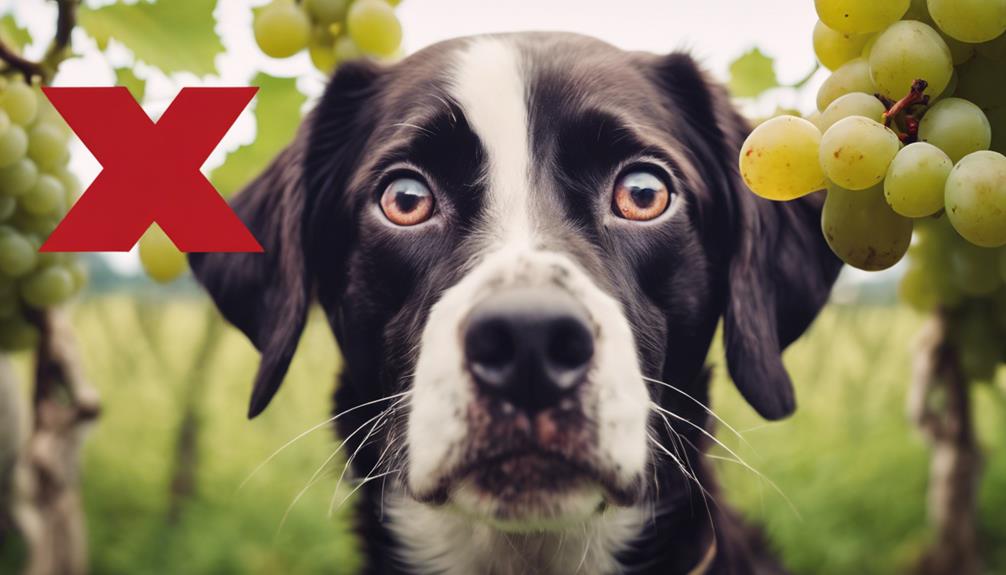
Can Dogs Eat Grapes
- Advertisement -
You need to be aware that even small amounts of grapes can be toxic to your dog, and the toxic dose is unknown, making it pivotal to keep them out of reach to avoid potential acute kidney failure. Grape poisoning can cause vomiting, diarrhea, lethargy, and abdominal pain, and if left untreated, can be fatal. Immediate veterinary attention is essential if you suspect your dog has ingested grapes, as prompt treatment can markedly improve their chances of recovery. It's essential to understand the risks and take preventive measures – and exploring these critical topics further will provide you with the knowledge you need to protect your pet.
Key Takeaways
- No, dogs cannot eat grapes or grape products, as they can cause acute kidney failure and even death.
- Even small amounts of grapes can be toxic to dogs, and the toxic dose is unknown.
- Any dog, regardless of breed, sex, or age, can be poisoned by grapes, and symptoms may not appear until 24 to 48 hours after ingestion.
- If you suspect grape or grape product ingestion, seek veterinary help immediately, as timely intervention is crucial in preventing severe health complications.
- Keep grapes, raisins, currants, and sultanas out of reach of dogs to prevent accidental poisoning.
Grape Poisoning in Dogs
Grape poisoning is a serious threat to your dog's health. Even small amounts can cause acute kidney failure, which can be fatal if left untreated. The symptoms may not appear until 24 to 48 hours after ingestion, so close monitoring is crucial.
The toxic dose of grapes is unknown, and any amount can potentially harm your dog. Breed, sex, and age do not affect the risk of grape toxicity, making every dog susceptible. If your dog eats a grape, seek veterinary care immediately. Kidney damage can occur rapidly, even if symptoms are subtle.
There is no antidote for grape poisoning. Treatment typically involves inducing vomiting, administering activated charcoal, and providing supportive care. To protect your dog's health, it's essential to understand the risks associated with grape consumption and take proactive steps to prevent grape toxicity.
Symptoms and Treatment
If your dog eats a grape, monitor them closely for signs of toxicity, which can appear within hours. The first signs of distress may include vomiting, diarrhea, lethargy, and abdominal pain. As the toxin takes hold, more severe signs may occur, such as trouble breathing, increased heart rate, and kidney failure.
Contact your veterinarian immediately if you suspect grape poisoning. They will assess your dog's condition and provide guidance on the best course of treatment. In some cases, they may instruct you to induce vomiting, depending on the amount and type of grape consumed, as well as the time elapsed since ingestion.
Severe cases may require hospitalization to provide supportive care, such as IV fluids and medication to manage symptoms. Kidney dialysis may be necessary to remove the toxin from your dog's system.
Prompt treatment is crucial to improve your dog's chances of recovery. If you're unsure about your dog's condition or have any concerns, seek veterinary attention immediately. Grape poisoning can be severe, but swift action can help your dog recover from this potentially life-threatening condition.
Prevention and Safety Tips
Preventing grape poisoning in dogs requires proactive measures. As a responsible dog owner, you can take simple steps to minimize the risk of accidents.
First, keep grapes, raisins, currants, and sultanas out of your dog's reach. Check food items like hot-cross buns, Christmas cake, and fruit panettone for these ingredients. Some protein bars contain raisins, making them toxic to dogs, so educate family members and friends about the risk.
Ensure young children eat grapes and dried fruit away from dogs to prevent accidental ingestion. Teach them about the dangers of sharing human food with pets.
Be extra cautious during seasonal holidays like Easter and Christmas, when grape poisoning cases are more common due to increased availability of grape-containing products. Regularly inspect food items and protein bars for grapes or raisins to avoid accidental poisoning.
Dangers of Grapes and Raisins
Grapes and raisins are toxic to dogs and can cause kidney failure, leading to severe symptoms and even death. When ingested, these fruits can trigger a range of problems. To keep your dog safe, it's crucial to understand the risks, recognize the signs of grape poisoning, and be aware of the potentially fatal consequences.
Ingestion of grapes and raisins can cause vomiting, diarrhea, lethargy, and abdominal pain in dogs. If left untreated, these symptoms can progress to kidney failure, which can be fatal. It's essential to act quickly if you suspect your dog has ingested grapes or raisins.
If you think your dog has eaten grapes or raisins, contact your veterinarian immediately. Prompt treatment can greatly improve your dog's chances of recovery. Don't wait for symptoms to appear – every minute counts.
Toxicity Risks Explained
Grapes and raisins are poisonous to dogs and can cause kidney failure and death, even in small amounts. The exact toxic dose is unknown, making any amount potentially harmful.
Any dog, regardless of breed, sex, or age, can be poisoned by grapes and raisins. Even one grape or raisin can be fatal, and symptoms can appear within a few hours of eating them.
Grapes and raisins can cause sudden kidney failure, which can be fatal if left untreated. To keep your dog safe, keep grapes and raisins out of reach to prevent accidental eating. Remember, no amount of grapes or raisins is safe for dogs.
Grape Poisoning Symptoms
If your dog ingests grapes or raisins, recognize the symptoms of poisoning quickly to ensure prompt treatment. Common signs of grape toxicity include:
- Vomiting
- Diarrhea
- Lethargy
- Abdominal pain
In severe cases, your dog may exhibit signs of sudden kidney failure, such as:
- Increased thirst and urination
- Decreased urine output
If you suspect your dog has eaten grapes or raisins, act fast. Dogs cannot metabolize grapes and raisins like humans do, and even small amounts can be toxic.
If you witness your dog ingesting grapes or raisins, induce vomiting immediately and seek veterinary attention. Do not delay – get your dog to a hospital as soon as possible. Prompt treatment significantly improves your dog's chances of recovery. Recognizing grape poisoning symptoms and seeking immediate veterinary care can prevent severe health complications.
Fatal Consequences Waiting
Grapes and raisins can be toxic to dogs, and it's crucial to understand the potential consequences of ingestion. Even one grape or raisin can cause harm, and the exact toxic dose is unknown.
Eating grapes or raisins can lead to acute kidney failure, which can be fatal if left untreated. The toxic substance in grapes affects dogs regardless of breed, sex, or age.
If your dog ingests grapes or raisins, it may experience:
- Advertisement -
- Acute kidney failure, which can be fatal if not treated promptly
- Vomiting may be necessary to prevent further toxicity
- Even with immediate treatment, the outcome is uncertain, and your dog's life may still be at risk
Safe Treat Options for Dogs

When selecting healthy snacks for your dog, it's essential to know what's safe and what's not. Grapes are toxic to dogs, so avoid them altogether. Instead, opt for fruits and berries that are safe for canine consumption.
When choosing treats, ensure they meet your dog's nutritional needs. Treats should not exceed 10% of your dog's daily calorie intake to prevent weight gain and maintain a healthy diet. Consult with a veterinarian or use expert-backed resources like the Pet Expertise page to find the best treats for your dog.
The myPurina app is a valuable tool for finding healthy treats. This free pet care app provides personalized product recommendations, a Pet Food Finder, and Rewards. By downloading the app, you'll earn rewards for Purina purchases and gain access to expert-backed resources, helping you find the best food for your dog based on their dietary needs.
What to Do in an Emergency
If your dog ingests grapes or raisins, seek veterinary help immediately. Timely treatment can significantly improve your dog's chances of recovery. While waiting for professional help, it's crucial to know how to induce vomiting safely. This can help remove the toxic substance from your dog's system. Inducing vomiting can minimize the risk of harm, but it's essential to do it correctly to avoid making the situation worse.
Act Fast
If you suspect your dog has eaten grapes or grape products, act fast. The sooner you contact a vet or pet poison hotline, the better.
To minimize harm, follow these steps:
Induce vomiting within 4-6 hours of ingestion, but only under the guidance of a veterinarian or pet poison expert.
Activated charcoal may be given to reduce toxin absorption in the intestines, but its effectiveness depends on the timing and dosage.
Closely monitor your dog for signs of kidney failure, which can develop within 24-48 hours of grape or raisin ingestion. These signs include:
- Vomiting
- Lethargy
- Increased thirst
- Abdominal pain
Seek Veterinary Help
If you suspect your dog has ingested grapes or grape products, seek veterinary help immediately. Timely intervention is crucial, as every minute counts in preventing severe health complications.
Don't wait for symptoms to appear, as they may not be immediately apparent. Instead, contact your vet right away, providing details about the type and quantity of grapes consumed. The amount of grapes eaten is critical in determining the severity of the situation.
Induce Vomiting Safely
Induce Vomiting Safely
If you suspect your dog has eaten grapes or raisins, contact a veterinarian immediately. Time is crucial in this situation, and prompt action can help save your dog's life.
Inducing vomiting within 4-6 hours of ingestion can remove the toxic substance from your dog's system, but only a veterinarian should guide you through this process.
Remember these key points:
- Do not attempt to induce vomiting if your dog is unconscious, in distress, or showing signs of shock. This can make the situation worse.
- Activated charcoal may be given under veterinary guidance to minimize toxin absorption in the intestines after inducing vomiting.
- Delayed treatment can be fatal, so act quickly and seek professional help to induce vomiting safely and effectively.
Frequently Asked Questions
What Happens if My Dog Eats a Grape?
If your dog eats a grape, act quickly to prevent a potentially fatal outcome. Grape toxicity can be deadly, even in small amounts. Seek veterinary advice immediately to minimize the risk of kidney damage. Your vet may induce vomiting and administer activated charcoal to remove the toxin from your dog's system. Prompt treatment is crucial, as delaying it can lead to severe consequences. Remember, grapes are toxic to dogs, and swift action is necessary to ensure your pet's survival.
How Many Grapes Can a 50 Pound Dog Eat?
There is no safe amount of grapes for a 50-pound dog to eat. In fact, there is no established toxicity threshold or safe serving size for any dog, regardless of breed, age, or individual sensitivities. Even one grape can cause severe symptoms. It doesn't matter how the grapes are prepared or how they're eaten – grapes are highly toxic to dogs, and the exact substance causing the toxicity is unknown. The best approach is to avoid grapes altogether to prevent accidental ingestion and potential harm.
What Are the Symptoms of Grapes in Dogs?
Symptoms of grape poisoning in dogs typically appear within 24-48 hours of consumption. Watch for severe vomiting, abdominal pain, and rapid dehydration. If left untreated, grape toxicity can lead to kidney failure, which can be fatal. If you suspect your dog has ingested grapes, seek immediate veterinary attention.
Are Grape Vines Toxic to Dogs?
Grape vines are not toxic to dogs. The leaves, stems, and roots of the vine do not contain toxic compounds. This means you don't need to worry about your dog getting sick from vine pruning, leaf structure, stem growth, or root development. The soil quality and fertilization methods used also do not affect the vine's safety.
The main concern is the grape fruit itself, which is toxic to dogs. So, focus on keeping grapes out of your dog's reach rather than worrying about the vine. You can tend to your grapevine without putting your dog at risk.
In summary
Grapes are toxic to dogs and can cause serious health problems. Eating even a small amount can lead to kidney failure. It's crucial to keep grapes and grape products, such as juice, raisins, and wine, out of your dog's reach.
Instead, stick to dog-safe treats and snacks. If you're unsure about what human foods are safe for your dog, consult with your veterinarian for personalized advice. Remember, it's always better to err on the side of caution when it comes to your dog's health.
- Advertisement -