
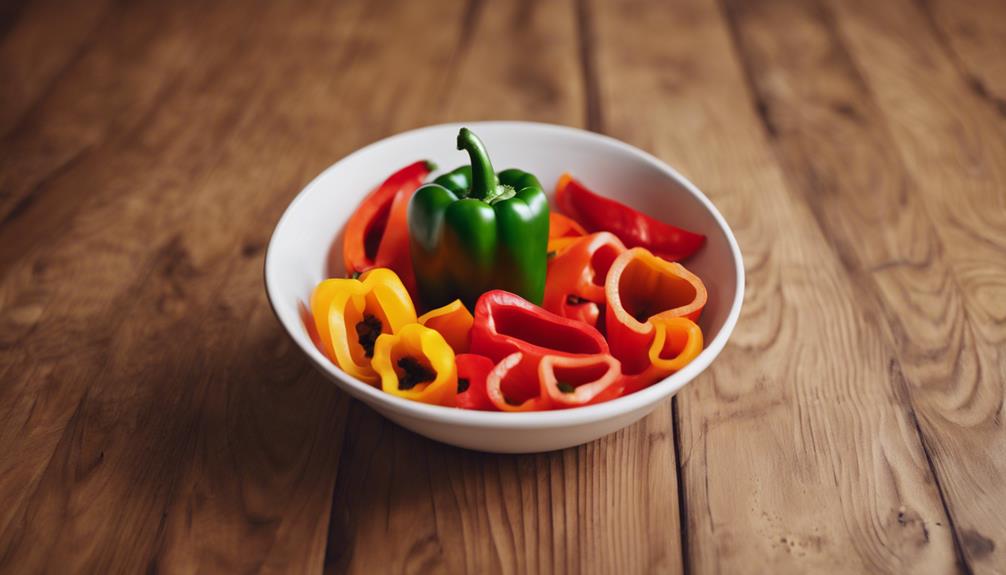
Can Dogs Eat Bell Peppers
- Advertisement -
You can safely add bell peppers to your dog's diet as a nutritious and healthy snack, providing they are prepared correctly and consumed in moderation. Bell peppers are low in calories, high in fiber, and rich in vitamins A, C, and E, supporting digestion, weight management, and skin and coat health. To avoid digestive issues, introduce them gradually, wash and remove outer skin, cut into small pieces, and steam or cook to make them softer and more palatable. With proper preparation and moderation, bell peppers can be a guilt-free snack for your dog, and there's more to explore about their benefits and safe feeding guidelines.
Key Takeaways
- Bell peppers are a nutritious and healthy addition to a dog's diet, providing fiber, vitamins, and antioxidants.
- Wash and prepare bell peppers safely, removing seeds, stems, and skin to prevent digestive issues.
- Introduce bell peppers gradually and in moderation to avoid stomach upset, diarrhea, or vomiting.
- Red bell peppers are the most nutritious, containing the highest amounts of vitamins and antioxidants.
- Consult a veterinarian to determine a safe amount of bell peppers based on the dog's size, breed, and health conditions.
Benefits of Bell Peppers
Bell peppers are a nutritious and healthy addition to your dog's diet. They are low in calories and high in fiber, making them a guilt-free snack. All colors of bell peppers – green, red, yellow, and orange – are safe for your dog to eat in moderation.
Red bell peppers are the most nutritious, containing the highest amounts of vitamins and antioxidants. Bell peppers are an excellent source of vitamins A and C, which are essential for a healthy immune system, good eye health, and a healthy skin and coat. They also contain vitamins A, E, B6, and lutein, as well as antioxidants like beta-carotene, which can be converted into vitamin A in the body.
Unlike spicy peppers, bell peppers do not contain capsaicin, making them safe for your dog to eat. Adding bell peppers to your dog's diet can support their overall health and well-being by providing essential vitamins and antioxidants.
Safe Preparation Methods
To prepare bell peppers safely for your dog, follow these steps:
Wash the bell peppers thoroughly to remove dirt and bacteria. Remove the outer skin, as it can be difficult for your dog to digest. Take out the seeds and stems as well, since they can cause intestinal blockages or obstruction if ingested.
Cut the bell peppers into small pieces to prevent choking hazards and make them easier to digest. Steaming is a good way to make them softer and more palatable for your dog. This method also helps retain the nutrients found in bell peppers. Alternatively, you can cook the bell peppers by boiling or roasting them, but remove any excess oil or seasonings that can harm your dog.
Handle the bell peppers safely to avoid contamination. Wash your hands before and after handling the peppers, and ensure all utensils and cutting boards are clean and sanitized. By following these steps, you can provide your dog with a healthy and nutritious snack.
Bell Pepper Portion Control

When introducing bell peppers into your dog's diet, get the portion size right to avoid stomach upset, diarrhea, or vomiting. The ideal amount depends on your dog's age, breed, and health conditions.
Start with small amounts, such as 1-3 slices, and gradually increase the portion size based on your dog's tolerance and individual needs. For specific guidelines, consider the following:
- Extra-small dogs: 1-2 small pieces of bell pepper
- Small dogs: about 1/4 bell pepper
- Large dogs: about 1/2 bell pepper, but consult with a vet to determine a safe amount
Monitor your dog for signs of digestive upset or food allergy, such as vomiting, diarrhea, or lethargy. If you notice any adverse reactions, adjust the portion size or stop feeding bell peppers altogether.
Other Healthy Vegetables
When adding bell peppers to your dog's diet, consider incorporating other healthy vegetables as well. Dogs can benefit from a variety of vegetables, which provide essential vitamins and nutrients for overall health.
Broccoli is a nutritious option, rich in vitamins A, C, and K, as well as potassium and fiber. Carrots are another healthy snack, providing vitamins A, K, and C, and potassium. Cauliflower is low in calories but rich in nutrients, offering vitamins A, C, and K, and potassium.
Celery is a safe and healthy snack that supports digestive health, providing vitamins A, K, and potassium. Cucumbers are a hydrating, low-calorie treat, rich in vitamins A, C, and K, and potassium. These vegetables are generally safe for dogs to eat and can provide various health benefits.
When introducing new vegetables, do it gradually and in small amounts to prevent digestive upset. Chop or cook the vegetables to make them easier to digest. By incorporating these healthy vegetables into your dog's meals, you can provide a balanced and nutritious diet.
Important Feeding Reminders
When feeding bell peppers to your dog, moderation is key. Overconsumption can cause stomach upset, diarrhea, or vomiting. Consult a veterinarian to determine a safe amount based on your dog's size, breed, and health conditions.
Introduce bell peppers gradually, starting with small amounts, and monitor your dog for signs of digestive upset or food allergy, such as vomiting, diarrhea, or lethargy. General portion guidelines are:
- 1-2 small pieces for extra-small dogs
- 1/4 bell pepper for small dogs
- 1/2 bell pepper for large dogs
However, adjust portion sizes based on individual needs. If unsure, consult a veterinarian to ensure a safe and healthy experience for your pet.
Bell Pepper Color Significance
Bell peppers come in different colors, but do these colors affect their nutritional value? Yes, they do. Each color offers varying levels of nutrients and antioxidants. Red bell peppers have the highest amounts of vitamins and antioxidants.
Here's a breakdown of the unique benefits of each color bell pepper:
- Green bell peppers are immature peppers picked before they ripen. They're lower in sugar and calories but higher in bitterness.
- Yellow and orange bell peppers are sweeter than green ones and contain more vitamins A and C.
- Red bell peppers are fully ripe and have the highest amounts of vitamins A and C, as well as antioxidants.
Understanding the differences between each color bell pepper can help you choose the best ones for your dog's nutritional needs.
Bell Pepper Colors
Bell peppers come in various colors, including green, red, yellow, orange, and purple. Each color indicates a specific stage of ripeness and nutritional profile.
- Advertisement -
Green bell peppers are unripe and will change color as they mature. Red bell peppers are fully ripe and sweet, making them a popular choice. Yellow and orange bell peppers are partially ripe, offering a balance of sweetness and crunch. Purple bell peppers are a result of a genetic variation and are often sweeter than green peppers.
Understanding the different bell pepper colors can help you choose the right pepper for your recipe. If you want a sweet and crunchy snack, choose a red or yellow bell pepper. If you prefer a less sweet pepper, a green or purple one might be a better option.
There are many types of peppers to choose from, so it's easy to find one that suits your taste preferences. By knowing what each color means, you can make an informed decision and get the most out of your bell peppers.
Color Nutritional Value
Bell peppers, regardless of their color, are a nutritious addition to a dog's diet. However, red bell peppers stand out for their exceptionally high vitamin and antioxidant content. They contain nine times more beta-carotene than yellow or green bell peppers. All bell pepper colors provide essential vitamins A and C, which support immune function, eye health, and skin/coat health in dogs.
The color of bell peppers does not affect their safety for consumption. All colors are capsaicin-free, making them a safe treat option. While all bell peppers offer nutritional value, red bell peppers are the best choice due to their higher vitamin and mineral content. Incorporating bell peppers into your dog's diet provides a boost of essential nutrients, supporting their overall health.
Nutritional Health Benefits
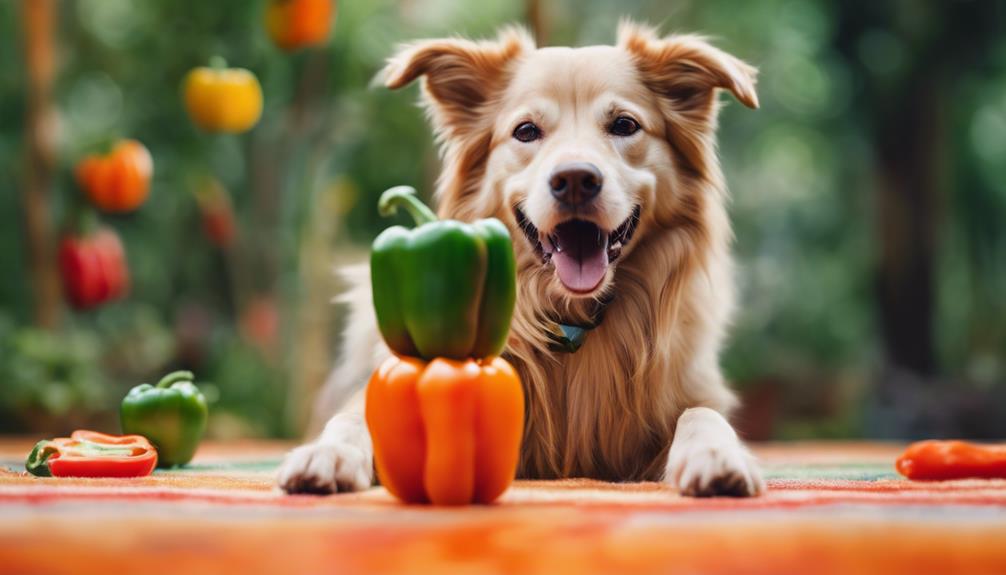
Bell peppers can significantly enhance your dog's nutritional health when added to their diet. They provide essential vitamins and minerals, including vitamins A and C, which support immune system function, eye health, and skin and coat condition. The antioxidants in bell peppers, such as beta-carotene, help protect your dog from oxidative stress and inflammation.
Red bell peppers are the most nutritious, with the highest levels of vitamins and antioxidants. They are a good source of fiber and low in calories, making them a healthy treat option for your dog. This can aid digestion and weight management. Bell peppers are also rich in vitamin E, which is crucial for skin and coat health, and can reduce inflammation and improve immune function.
Feeding Guidelines and Tips
When introducing bell peppers to your dog's diet, do it gradually to prevent digestive issues. Start with small amounts and monitor their reaction. Remove seeds and stems to prevent choking, and slice the peppers into small pieces. Cooking or steaming can make them easier to digest, but avoid adding ingredients like garlic, onions, salt, oil, or butter.
Portion control is key. For small dogs, start with 1/4 bell pepper, and for larger dogs, try 1/2 bell pepper. However, watch for signs of digestive upset or food allergy, and consult a vet to determine the right amount for your dog. Be aware that feeding large amounts can lead to stomach upset, diarrhea, or vomiting.
Observe your dog's reaction to bell peppers. If they can eat them without issue, they make a healthy, low-calorie snack. But if you notice any distress, reduce the amount or eliminate them from their diet. By following these guidelines, you can safely add bell peppers to your dog's diet and provide a nutritious treat.
Common Mistakes to Avoid
Common mistakes can derail your dog's bell pepper experience and even harm their health. Avoid these errors to ensure a safe and beneficial experience for your dog.
When feeding your dog bell peppers, steer clear of:
- Spicy peppers, which contain toxic capsaicin that can irritate their digestive system and skin.
- Peppers treated with pesticides or chemicals, which can weaken their immune system.
- Moldy, rotten, or expired peppers, which can cause food poisoning.
- Peppers with seeds or stems, which can lead to intestinal blockages or obstruction.
- Assuming all peppers are equal, when in fact, green peppers have high water content and may upset some dogs' stomachs.
Healthy Snacking Alternatives
Bell peppers can be a nutritious and healthy snacking alternative for dogs. They provide a boost of vitamins and minerals, are high in fiber, and low in calories. Bell peppers support immune system, eye, and skin/coat health due to their high content of vitamins A and C, and beta-carotene. Red bell peppers are the most nutritious, but all colors are safe for dogs to consume in moderation.
When introducing bell peppers, do it slowly and in small amounts to prevent digestive upset. Consult with a vet to determine a safe amount for individual dogs. General portion guidelines are: 1-2 small pieces for extra-small dogs, 1/4 bell pepper for small dogs, and 1/2 bell pepper for large dogs. You can add one bell pepper a day to your dog's food as a nutritious addition to their regular dog food. For smaller dogs, even a small piece can be a great treat alternative.
Remember to introduce bell peppers gradually to prevent digestive issues. Start with small amounts and monitor your dog's reaction. If you're unsure, consult with a vet for personalized advice. By making informed choices, you can confidently give your dog the benefits of bell peppers while avoiding potential pitfalls.
Frequently Asked Questions
Can Dogs Eat Raw Bell Peppers?
Dogs can eat raw bell peppers, but it's essential to monitor their reaction. Some dogs may experience digestive issues, leading to stomach upset and impeded nutrient absorption. Before serving raw bell peppers, consider your dog's individual tolerance. If you do decide to feed them, watch for signs of discomfort, such as vomiting or diarrhea. If your dog shows no adverse effects, raw bell peppers can provide a crunchy snack rich in nutrients.
What Are Best Vegetables for Dogs?
Dogs can benefit from a variety of vegetables as a healthy snack. The best options include green beans, sweet potatoes, carrot sticks, fresh broccoli, steamed asparagus, and roasted cauliflower. These vegetables provide essential nutrients that support healthy digestion, vision, and overall well-being.
Green beans are low in calories and rich in fiber, making them an excellent choice. Sweet potatoes are a good source of vitamin A, vitamin C, and fiber. Carrot sticks are high in vitamin A, which supports healthy vision. Fresh broccoli is rich in vitamins, minerals, and antioxidants. Steamed asparagus is a low-calorie, nutrient-rich snack. Roasted cauliflower is a good source of vitamin C, vitamin K, and fiber.
Remember to introduce new vegetables gradually to prevent digestive upset. Always consult with your veterinarian before making significant changes to your dog's diet.
Can Dogs Eat All Types of Peppers?
When feeding your dog peppers, distinguish between sweet, hot, and mild varieties. Fresh peppers are safe, but avoid smoked or pickled peppers due to added ingredients. Sweet peppers are nutritious, but hot peppers can cause stomach upset. Mild peppers, like bell peppers, are a good choice. Introduce new peppers gradually and consult a vet if you're unsure.
Which Color Bell Pepper Is the Healthiest?
When it comes to bell peppers, red is the healthiest option. They are rich in antioxidants, fiber, vitamins, and minerals, making them a nutritional powerhouse. Fresh flavonoids in red bell peppers provide additional health benefits, supporting the immune system and reducing inflammation. With their high nutrient density and low calorie count, red bell peppers make a great, healthy snack.
In summary
When considering adding bell peppers to your dog's diet, remember that a balanced and varied diet is essential for their overall health. To feed bell peppers safely, follow these guidelines: prepare them properly, control the portions, and explore other healthy vegetables. By making informed choices, you can provide a nutritious snack for your dog.
- Advertisement -