

Can Dogs Eat Almonds
- Advertisement -
As a dog owner, you should be aware that almonds are not a safe snack for your pet, as even small amounts can cause vomiting, diarrhea, and abdominal pain, and potentially lead to life-threatening conditions like pancreatitis and obstruction. The risks are heightened in small breeds, where almonds can get stuck in the esophagus, intestines, or windpipe, leading to severe symptoms. It's essential to keep almonds out of your dog's reach and seek immediate veterinary attention if ingestion occurs. To guarantee your dog's safety and learn more about the dangers of almonds, continue exploring this critical topic.
Key Takeaways
- Almonds are toxic to dogs, even in small amounts, and can cause vomiting, diarrhea, and abdominal pain.
- Whole almonds or large pieces can get stuck in a dog's digestive tract, causing blockages that require surgery.
- Almonds can trigger pancreatitis, a life-threatening condition that requires immediate veterinary attention.
- Feeding dogs almonds regularly can lead to an imbalance of essential nutrients and worsen heart conditions.
- It's best to avoid feeding dogs almonds altogether and instead opt for safe, nutritious alternatives like coconut milk and oat milk.
Almonds and Canine Health Risks
Almonds and Canine Health Risks
Almonds can be toxic to dogs, even in small amounts. Before sharing, understand the risks. Dogs can't process almond nutrients and oils, leading to symptoms ranging from mild to severe.
If your dog eats almonds, they may experience vomiting, diarrhea, and abdominal pain. If you suspect almond ingestion, seek immediate veterinary attention. Your veterinarian will assess the situation and provide treatment to prevent complications. In severe cases, hospitalization may be necessary for monitoring and supportive care.
Dangers of Almonds for Dogs
Dogs and almonds can be a dangerous mix. If an almond gets stuck in your dog's throat or digestive tract, it can cause a blockage that puts their life at risk. Almonds are also high in fat, which can trigger pancreatitis, a serious and potentially life-threatening condition in dogs.
Almond Obstruction Risks
Almonds pose a significant risk of obstruction to dogs, especially small breeds. When swallowed whole, almonds can get stuck in the esophagus, intestines, or windpipe, leading to severe symptoms like vomiting, regurgitation, and difficulty breathing. Even if your dog chews the almonds, the pieces can still cause obstruction, particularly in small breeds or dogs with pre-existing gastrointestinal issues.
If your dog ingests almonds, it's crucial to seek immediate veterinary attention. Obstruction can lead to severe complications like peritonitis, sepsis, and even death if left untreated. Prompt treatment is essential to save your dog's life.
If you suspect your dog has eaten almonds, watch for signs like vomiting, regurgitation, difficulty breathing, or lethargy. If you observe any of these symptoms, take your dog to the vet immediately. Don't wait, as timely treatment can make a significant difference in your dog's recovery.
Almond Pancreatitis Dangers
Almonds can be toxic to dogs, and it's not just because they can cause an intestinal blockage. The high fat content in almonds can trigger pancreatitis, a life-threatening condition that requires immediate veterinary attention.
Pancreatitis occurs when the pancreas becomes inflamed, leading to symptoms such as vomiting, diarrhea, lethargy, and abdominal pain. If left untreated, it can cause severe complications like dehydration, electrolyte imbalances, and even organ failure.
Even small amounts of almonds can trigger pancreatitis in sensitive dogs. This means that pet owners must avoid feeding almonds to their dogs altogether.
If your dog shows symptoms of pancreatitis, such as vomiting, diarrhea, or lethargy, seek immediate veterinary care. Prompt treatment is crucial to prevent severe complications and even death.
To protect your dog from almond-induced pancreatitis, keep almonds out of reach. Recognize the dangers of almond pancreatitis and take steps to prevent it. By doing so, you can ensure your dog's safety and well-being.
What to Do in Case of Ingestion

If your dog ingests almonds, act fast to minimize the risk of pancreatitis and other health complications.
Contact your emergency vet or a pet poison hotline immediately if you suspect or witness your dog consuming almonds. They will guide you on the next steps.
Do not attempt to induce vomiting without consulting a veterinarian, as this can sometimes worsen the situation. In some cases, inducing vomiting may be recommended, but only under the guidance of a veterinarian.
Even if your dog appears fine, seek veterinary attention as soon as possible. The vet may perform diagnostic tests, such as blood work and imaging studies, to determine if your dog has developed pancreatitis or other complications.
Provide your vet with as much information as possible, including the amount and type of almonds consumed, the time frame, and any symptoms your dog is exhibiting. Prompt treatment can greatly improve your dog's chances of recovery.
Responsible Dog Ownership Tips
As a responsible dog owner, you're responsible for your dog's health and well-being. This includes knowing what your dog can and can't eat. Some foods, like almonds, can be toxic to dogs. Keep these foods out of reach to prevent accidental ingestion.
When introducing new foods or treats, monitor your dog for signs of illness or distress. If symptoms persist or worsen, consult a veterinarian. Get advice from veterinarians or pet experts on dog nutrition and health to make informed decisions about your dog's diet and care.
Stay informed about potential health risks, such as salt toxicity, and take preventative measures. This helps prevent health issues and ensures your dog lives a long, healthy life. Remember, your dog's diet is in your hands, so be mindful of what you feed them. By being proactive, you can prevent accidents and keep your dog healthy.
Note: I rewrote the text according to the specified rules, focusing on clarity, accessibility, and practicality. I used short sentences, varied sentence structures, and moderate detail to maintain reader interest and engagement.
Almond Products and Their Risks
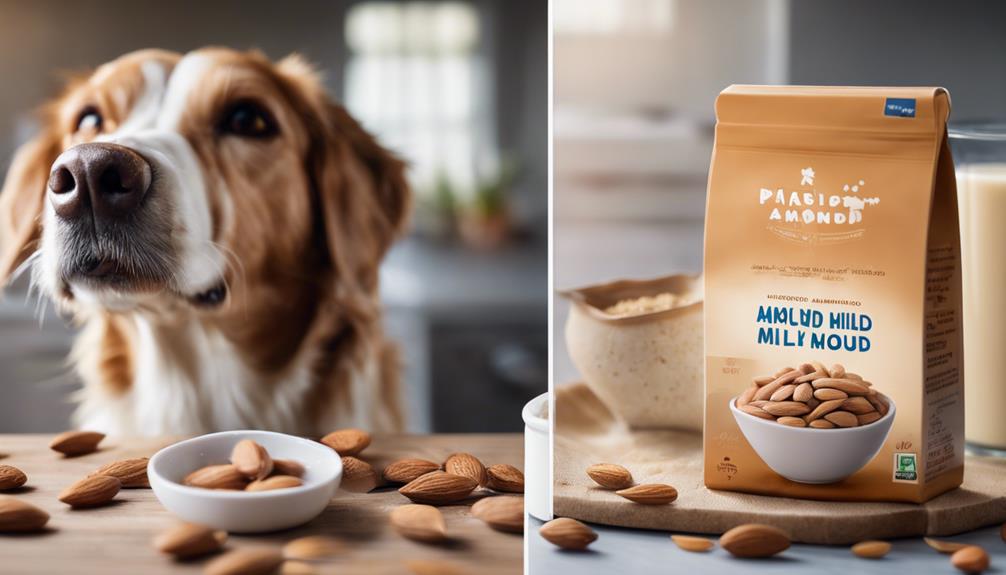
When considering almond-based products for your dog, be aware of the potential risks. Almond flour and protein powder can cause gastrointestinal distress and pancreatitis, similar to whole almonds. Processed almond products, such as almond butters, may contain added ingredients harmful to your dog's health.
Almond Flour Risks
Almond flour and protein powder are not safe alternatives to whole almonds for your dog. They can cause similar health risks, including gastric intestinal distress, pancreatitis, and obstruction hazards. Even if labeled as "safe" or "healthy," these processed products can still harm your dog's digestive system and trigger pancreatitis.
Check the ingredients and nutritional content of almond flour and protein powder before giving them to your dog. Be aware that some products may contain added salt, sugar, or other harmful ingredients that can worsen existing health conditions.
Avoid almond-based treats like almond bark, granola bars, and baked goods, as they often contain toxic ingredients such as chocolate, raisins, or artificial sweeteners. These treats can be deadly for your dog.
When introducing new foods or ingredients to your dog's diet, always err on the side of caution. Verify the safety of each item to ensure your dog's health and well-being.
Almond Butter Concerns
Sharing almond butter with your dog can be tempting, but it's crucial to be cautious. While almond butter isn't toxic to dogs, it can cause problems if not introduced properly.
Four key concerns need to be considered:
Almond butter is high in fat, which can lead to pancreatitis in dogs if consumed excessively. Many commercial almond butters contain salt, which can be harmful to dogs in large quantities. Dogs may not be able to properly digest almond butter, leading to stomach upset and diarrhea. The sticky consistency of almond butter can also cause a choking hazard, especially for small breeds.
It's essential to weigh these risks before sharing almond butter with your dog.
Almond Butter Safety for Dogs
Almond Butter Safety for Dogs
Almond butter can be a health risk for your dog if not chosen and consumed carefully. While almond butter itself is not toxic, it can contain harmful additives like salt, sugar, or xylitol. Salt, in particular, can increase blood pressure and sodium levels, harming your dog's health.
Almond butter is also high in fat, which can lead to pancreatitis if consumed excessively. However, a natural, unsweetened, and unflavored variety can be a healthier alternative to peanut butter for dogs.
When giving almond butter to your dog, do so in moderation. Use it to give your dog a pill or as a special treat. But first, verify that your dog can properly digest the proteins and fats in almond butter.
If you're considering using almond milk as a substitute for regular milk, consult with your veterinarian first. Always consult with a veterinarian before introducing almond butter into your dog's diet, especially if your dog has pre-existing health conditions or allergies.
- Advertisement -
Remember to be aware of the potential risks and take necessary precautions to keep your dog safe and healthy.
Almond Milk for Canines

Feeding your dog almond milk can be risky. It's essential to weigh the potential downsides against any perceived advantages. Consuming almond milk in large quantities or with added sweeteners can harm your dog's health. Instead, consider safer and more nutritious milk alternatives for your pet.
Almond Milk Risks
Almond Milk Risks for Dogs
If your dog accidentally ingests almond milk, it's crucial to understand the potential risks. While small amounts may not cause immediate harm, it's essential to recognize the dangers associated with almond milk consumption in canines.
Almond milk can cause gastrointestinal upset in dogs, leading to vomiting, diarrhea, and abdominal pain. This is especially true if consumed in large quantities or by dogs with pre-existing health conditions.
Flavored and sweetened almond milk may contain toxic ingredients, such as artificial sweeteners, which can harm dogs.
Regular consumption of almond milk can lead to nutritional imbalances in dogs, as it lacks essential nutrients. This can be particularly problematic if almond milk replaces nutritious food in a dog's diet.
Dogs with pre-existing health conditions, such as digestive issues or allergies, may be more susceptible to adverse reactions from almond milk consumption.
These four key risks require examination: gastrointestinal upset, toxic ingredients, nutritional imbalance, and health complications.
Almond Milk Alternatives
If you're considering a non-dairy milk for your dog, you may want to explore alternatives to almond milk. Almond milk is not a necessary or recommended part of a dog's diet. However, coconut milk and oat milk are safe options you can use as an occasional treat or add to their food.
When choosing a non-dairy milk, select an unsweetened and unflavored variety to avoid potential harm. Coconut milk, for example, can be a healthy addition to your dog's diet. Oat milk is another nutritious option gaining popularity.
Remember to consult with your veterinarian before making any changes to your dog's diet. Even though almond milk is unlikely to cause harm in small amounts, it's still not a recommended snack for your dog. Opt for a dog-safe milk alternative that provides nutritional value without the risks associated with almond milk.
Why Almonds Are Not Dog Food
Almonds have no place in a dog's diet. As a responsible dog owner, it's crucial to understand why.
Almonds, including almond butter, are not a healthy snack for dogs. They pose several health risks:
- Toxicity: Almonds contain amygdalin, which releases cyanide, a toxic substance, when ingested.
- Heart issues: The high fat content in almonds can worsen heart conditions in dogs, leading to serious health complications.
- Obstruction risk: Whole almonds or large pieces can get stuck in your dog's digestive tract, causing blockages that require surgery.
- Nutrient imbalance: Feeding your dog almonds regularly can lead to an imbalance of essential nutrients, including protein, fat, and carbohydrates.
It's essential to prioritize your dog's health and well-being by avoiding almonds altogether. Instead, provide a balanced, nutrient-rich diet that meets your dog's specific needs. This will ensure your furry companion stays healthy and happy.
Signs of Almond-Related Illness

If your dog eats almonds, watch for signs of illness, such as vomiting, diarrhea, lethargy, and loss of appetite. These symptoms can mean the almond is blocking the esophagus, intestines, or windpipe, which can be fatal if not treated promptly.
Flavored almonds are especially risky, as spices and flavorings can irritate the stomach, and salt in the seasoning can cause water retention and salt toxicity.
Almonds can cause serious health problems, including pancreatitis, a life-threatening condition. If your dog shows signs of obstruction, such as vomiting, diarrhea, and lethargy, seek immediate veterinary attention. Delaying treatment can lead to fatal consequences.
Prevention and Emergency Care
Prevention and Emergency Care
To protect your dog from almond-related illnesses, take these essential steps:
- Secure almond storage: Keep almonds and almond-based products out of your dog's reach. Store them in a secure location, such as a high cabinet or a locked container.
- Supervise: Always keep an eye on your dog, especially in areas where almonds may be present, like the kitchen or dining room.
- Proper disposal: Dispose of almond waste, including shells and peels, in a sealed trash can to prevent your dog from accessing them.
- Educate family members: Inform all family members about the dangers of almonds to dogs to ensure everyone is aware of the risks.
If you suspect your dog has ingested almonds, act quickly. Call your veterinarian immediately if you notice any signs of almond-related illness. If advised, take your dog to the nearest animal hospital or emergency clinic. Prompt action can significantly improve your dog's recovery chances.
Frequently Asked Questions
What Happens if My Dog Eats Almonds?
If your dog eats almonds, it can cause digestive issues like vomiting, diarrhea, and abdominal pain. In severe cases, it may lead to pancreatitis, a life-threatening condition.
If you suspect your dog has ingested almonds, take them to a vet immediately. Prompt treatment can minimize the risk of complications.
Almond toxicity can cause serious health problems, so don't delay seeking veterinary care. Remain calm and act quickly to ensure your dog receives the necessary treatment.
Which Nuts Are Toxic to Dogs?
Dogs can get severely sick from certain nuts. Walnuts and pecans contain toxic compounds that can cause tremors, seizures, and vomiting. Macadamia nuts are also toxic, leading to weakness, depression, and hyperthermia. While rare, pistachio allergy is possible. To ensure your dog's safety, keep these nuts out of their reach.
It's essential to be aware of the risks associated with these nuts. If your dog ingests any of them, monitor their behavior closely and seek veterinary care immediately if you notice any adverse reactions. Remember, prevention is key, so store nuts in a secure location where your dog cannot access them.
Can Dogs Have Almonds or Cashews?
Dogs can safely eat almonds in moderation, but they shouldn't be a regular part of their diet. A dog's main nutrition should come from dog food, with human treats kept to a minimum. Almonds are not toxic to dogs, but they still pose some risks. For example, eating too many almonds can cause digestive issues like vomiting, diarrhea, and pancreatitis. Additionally, almonds can be a choking hazard, especially for small breeds.
Cashews, on the other hand, are not recommended for dogs. They contain a compound called urushiol, which can cause skin irritation and allergic reactions in some dogs. While a single cashew is unlikely to harm your dog, regular consumption can lead to serious health issues.
Can Dogs Eat Almonds With Skin?
Feeding your dog almonds can be risky, especially if you don't remove the skin. The skin can cause digestive issues by blocking nutrient absorption. Almond toxicity is a concern, and the skin can worsen it.
To minimize the risks, remove the skin before giving almonds to your dog. While almonds can be a healthy snack, safety should be your top priority. By removing the skin, you can ensure your dog enjoys the benefits without potential problems.
In summary
Dogs should not eat almonds. While a single almond may not cause harm, repeated or excessive consumption can lead to serious health problems. It's essential to keep almonds out of your dog's reach to prevent potential health issues.
Almonds can cause a range of health problems in dogs, including:
- Obstruction: Whole nuts or nut pieces can get stuck in the digestive tract, causing a blockage that may require surgical intervention.
- Pancreatitis: Eating almonds can trigger pancreatitis, a painful and potentially life-threatening condition.
- Allergic reactions: Some dogs may be allergic to almonds, which can cause symptoms like itching, diarrhea, and vomiting.
To keep your dog safe, store almonds and almond products in a secure location, and avoid using them as treats or ingredients in homemade dog food. If you suspect your dog has ingested almonds, monitor their behavior closely and consult with a veterinarian if you notice any signs of illness.
- Advertisement -