
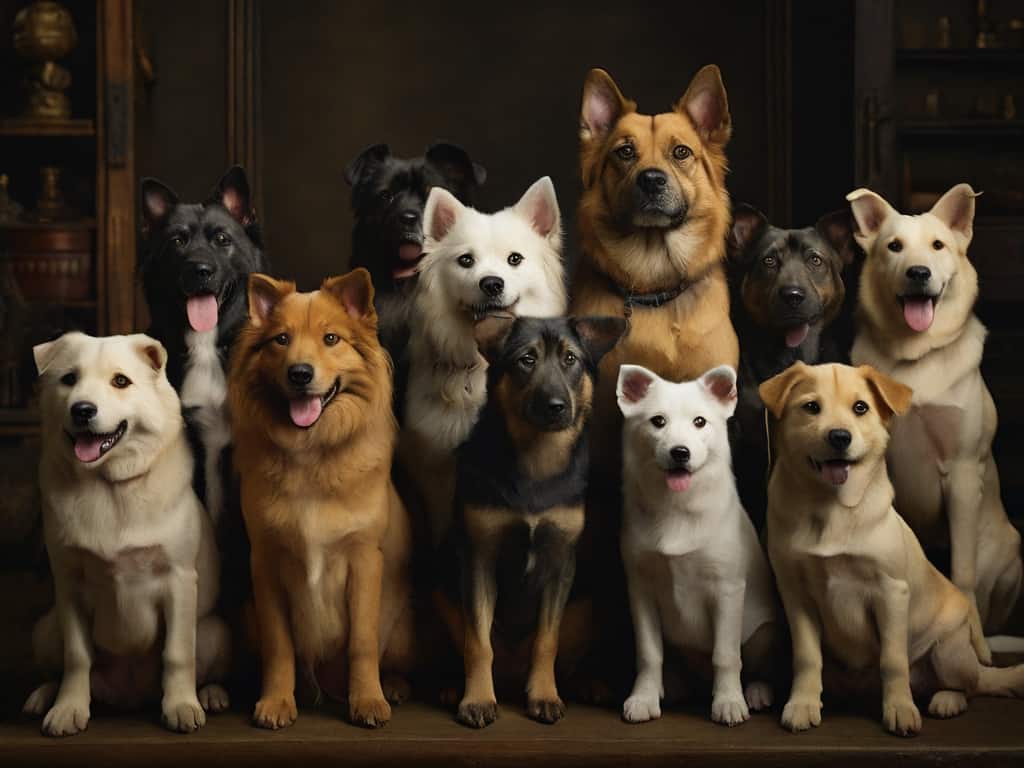
Revolutionary Strategies for Keeping Your Dog’s Ears Healthy
Beyond Basic Ear Care: A Comprehensive Guide to Revolutionize Your Dog's Ear Health
- Advertisement -
Dive into revolutionary strategies for keeping your dog’s ears healthy beyond basic care. Learn to recognize signs of infections, choose the right cleaning products, address allergies, prevent excessive moisture, and seek veterinary care when needed. With these comprehensive techniques, you can ensure your furry friend’s ears stay healthy and infection-free.
You may think that keeping your dog’s ears healthy is a simple task that can be easily overlooked. However, the truth is that neglecting proper ear care can lead to a multitude of issues, including painful infections and discomfort for your furry friend.
In this discussion, we will explore revolutionary strategies that go beyond the basics of canine ear care, equipping you with the knowledge and tools to ensure your dog’s ears stay healthy and infection-free.
From understanding the signs and symptoms of ear infections to learning proper cleaning techniques, we’ll cover it all.
So, let’s dive into this important topic and discover how you can support your dog’s ear health in revolutionary ways.
Key Takeaways
- Canine ear care is essential for the overall health and well-being of dogs.
- Regular inspection, cleaning, and maintenance of the ears can help prevent discomfort, infections, and hearing loss.
- Choosing the right ear-cleaning products and following proper techniques can ensure effective and safe ear cleaning.
- Addressing allergies, and skin conditions, and preventing excessive moisture are crucial in preventing ear infections in dogs.
Importance of Canine Ear Care
Taking care of your dog’s ears is essential for their overall health and well-being. Your furry friend relies on their hearing to navigate the world around them, communicate with you, and stay alert to potential dangers. Neglecting their ear health can lead to discomfort, infection, and even hearing loss.
To ensure your dog’s ears stay in optimal condition, it’s crucial to establish a regular ear care routine. Start by inspecting your dog’s ears regularly. Look for any signs of redness, swelling, discharge, or a foul odor. These could indicate an underlying issue that requires immediate attention.
Next, gently clean your dog’s ears using a veterinarian-recommended ear cleaner. Be cautious not to insert anything into the ear canal, as this can cause injury. Instead, use a soft cloth or cotton ball to wipe the outer part of the ear. If your dog has excessive hair around the ears, consider trimming it to promote better air circulation.
Additionally, it’s important to prevent moisture from accumulating in your dog’s ears. After swimming or bathing, thoroughly dry their ears using a clean towel. Moisture can create an ideal environment for bacteria and yeast to thrive, leading to infections. If your dog is prone to ear infections, your veterinarian may recommend the use of a drying solution.
Understanding Ear Infections in Dogs
Understanding ear infections in dogs is essential for pet owners to ensure their furry friends receive the proper care and treatment when necessary. Ear infections can be uncomfortable and painful for dogs, and if left untreated, they can lead to more serious health issues.
Here are four key points to help you better understand ear infections in dogs:
- Causes: Ear infections in dogs can be caused by several factors, including allergies, moisture in the ear, hormonal imbalances, foreign objects, or the presence of parasites.
- Symptoms: It’s important to recognize the signs of an ear infection in your dog. These may include scratching or rubbing at the ears, redness or swelling, discharge or foul odor, head shaking or tilting, and loss of balance.
- Diagnosis: If you suspect your dog has an ear infection, it’s crucial to consult a veterinarian for a proper diagnosis. They’ll examine the ears, take a sample for testing, and determine the underlying cause of the infection.
- Treatment: Treatment for ear infections in dogs typically involves cleaning the ears, administering medication (such as antibiotics or antifungals), and addressing any underlying causes. It’s important to follow your veterinarian’s instructions and complete the full course of treatment to ensure the infection is fully resolved.
Signs and Symptoms of Ear Infections
What are the signs and symptoms of ear infections in dogs?
It’s important to be aware of the common indicators that your furry friend may be experiencing an ear infection. By recognizing these signs early on, you can take prompt action to alleviate your dog’s discomfort and prevent any further complications.
The most common symptoms of an ear infection in dogs include frequent scratching or rubbing of the ears, head shaking, and tilting of the head to one side. You may also notice a foul odor emanating from the ears or a discharge that’s yellowish-brown or black. In some cases, dogs with ear infections may display redness, swelling, or crusting around the ears.
Additionally, dogs with ear infections may exhibit behavioral changes such as irritability, reduced appetite, or reluctance to be touched around the ears. It’s essential to pay attention to these signs and seek veterinary care if you suspect your dog has an ear infection.
Proper Ear Cleaning Techniques
To properly clean your dog’s ears, it’s important to use a gentle technique that avoids causing any discomfort or injury.
Start by moistening a cotton ball or pad with a natural ear-cleaning solution recommended by your veterinarian.
Gently wipe the inside of your dog’s ear canal, taking care not to insert the cotton ball too far.
Gentle Ear Canal Cleaning
You can effectively clean your dog’s ear canal using gentle techniques that promote ear health and prevent infections. Here are four steps to follow:
- Gather the necessary supplies: You’ll need a dog-specific ear cleaner, cotton balls or pads, and treats to reward your dog for cooperation.
- Begin by examining your dog’s ears: Look for signs of redness, swelling, discharge, or foul odor. If you notice any abnormalities, consult your veterinarian before proceeding with cleaning.
- Apply the ear cleaner: Squeeze a few drops of the cleaner into the ear canal, then gently massage the base of the ear for about 30 seconds. This helps the cleaner reach deep into the ear and loosen any debris.
- Wipe away the debris: Use a cotton ball or pad to wipe away the loosened debris from the ear canal. Be careful not to probe too deeply, as this can cause injury.
Natural Ear Cleaning Solutions
After ensuring your dog’s ear canal is gently cleaned, it’s important to explore natural ear-cleaning solutions and proper techniques to maintain optimal ear health.
Natural ear-cleaning solutions can be a safe and effective alternative to commercial products that may contain harsh chemicals. One popular natural solution is a mixture of equal parts distilled water and apple cider vinegar. This solution can be applied to a cotton ball or soft cloth and gently wipe around the inside of your dog’s ear.
Another natural solution is a mixture of hydrogen peroxide and water, in a ratio of 1:1. This solution can help remove excess wax and debris from your dog’s ears.
It’s important to remember to never use Q-tips or any sharp objects to clean your dog’s ears, as this can cause damage. Instead, use a soft cloth or cotton ball to clean the visible parts of the ear.
Regular cleaning using natural solutions and proper techniques can help prevent ear infections and maintain your dog’s ear health.
Choosing the Right Ear Cleaning Products
When selecting ear-cleaning products for your dog, it’s important to choose ones that are specifically designed for canine ear health. Using the right products can help prevent infections, remove dirt and debris, and maintain the overall health of your dog’s ears.
Here are four key factors to consider when choosing ear-cleaning products for your furry friend:
- Gentle Formulation: Look for products that are gentle and non-irritating to your dog’s delicate ear tissues. Avoid products that contain harsh chemicals or alcohol, as they can cause dryness and irritation.
- pH Balance: Dogs have a different pH level in their ears compared to humans. Ensure that the ear cleaning product you choose is pH balanced specifically for dogs. This helps maintain the natural balance of your dog’s ears and prevents any disruption to their sensitive ear environment.
- Antimicrobial Properties: Opt for ear-cleaning products that have antimicrobial properties. These products help kill bacteria and fungi that can cause infections in your dog’s ears. Regular use of such products can prevent the buildup of harmful microorganisms.
- Easy Application: Choose ear cleaning products that are easy to apply and use. Look for ones with a nozzle or applicator that allows you to reach into your dog’s ear canal safely. This ensures a thorough and hassle-free cleaning experience.
Regular Ear Inspection and Maintenance
Regular inspection and maintenance of your dog’s ears is crucial for their overall ear health. By regularly checking your dog’s ears, you can identify any potential issues early on and prevent them from worsening.
Start by gently examining the outer part of the ear, looking for any signs of redness, swelling, discharge, or foul odor. Next, use a flashlight to inspect the ear canal. Look for signs of inflammation, excessive wax buildup, or the presence of foreign objects. If you notice anything unusual or concerning, it’s important to consult your veterinarian for further evaluation.
To maintain your dog’s ear health, it’s recommended to clean their ears regularly. Use a veterinarian-approved ear-cleaning solution and cotton balls to gently remove any dirt, debris, or excess wax. Be cautious not to insert anything into the ear canal, as this can cause injury. Instead, clean only the visible parts of the ear and the outer ear canal. It’s important to follow the instructions provided by your veterinarian or the ear-cleaning product manufacturer.
Additionally, it’s essential to keep your dog’s ears dry. Moisture can create a favorable environment for bacterial or yeast growth, leading to infections. After swimming or bathing, thoroughly dry your dog’s ears using a clean towel or a gentle blow dryer in a low, cool setting. Avoid using cotton swabs, as they can push debris further into the ear canal and potentially damage the eardrum.
Regular inspection and maintenance of your dog’s ears are simple yet effective measures to ensure their ear health. By being proactive and attentive, you can help prevent ear problems and provide your beloved companion with optimal ear care.
Preventing Excessive Moisture in the Ears
To prevent excessive moisture in your dog’s ears, it’s important to implement effective strategies for keeping their ears dry. Excess moisture can lead to ear infections and discomfort for your furry friend.
Here are four practical ways to prevent excessive moisture in your dog’s ears:
- Advertisement -
- Dry their ears after swimming or bathing: Use a clean, dry towel to gently wipe the outer part of your dog’s ears, removing any excess moisture. Be careful not to insert anything into their ear canal.
- Keep their ears clean: Regularly clean your dog’s ears using a veterinarian-recommended ear cleanser. This helps remove any dirt or debris that can contribute to moisture buildup.
- Avoid excessive ear hair: Trimming the hair around your dog’s ears can help prevent moisture from getting trapped. Consult a professional groomer for the best technique and tools.
- Protect their ears during rainy weather: Use a waterproof hood or hat to shield your dog’s ears from rain when you take them outside. This can help minimize moisture exposure.
Addressing Allergies and Skin Conditions
To effectively address allergies and skin conditions in your dog, you need to implement proper allergy management tips. This includes identifying and removing allergens from their environment and providing them with a balanced diet.
Additionally, it’s important to treat common skin issues like dryness, itching, and inflammation with appropriate medications and grooming techniques. Regular cleaning and drying of your dog’s ears can also help prevent ear infections, a common issue associated with allergies and skin conditions.
Allergy Management Tips
Managing allergies and skin conditions in dogs requires a proactive approach to ensure their ear health remains in optimal condition. Here are some practical tips to help you effectively manage your dog’s allergies and keep their ears healthy:
- Identify the allergen: Determine what triggers your dog’s allergies and try to minimize exposure to these substances. Common allergens include pollen, dust mites, certain foods, and flea bites.
- Regular grooming: Regularly bathe and groom your dog to remove allergens from their fur. This can help prevent them from transferring allergens to their ears.
- Maintain a clean environment: Keep your home clean and dust-free to reduce the presence of allergens. Vacuum regularly and wash your dog’s bedding frequently.
- Consult with a veterinarian: If your dog is suffering from severe allergies or skin conditions, seek professional help. A veterinarian can provide proper diagnosis, recommend appropriate treatments, and offer guidance on managing your dog’s allergies effectively.
Treating Common Skin Issues
If your dog is experiencing allergies and skin conditions, taking proactive steps to address these issues is crucial for maintaining their overall ear health.
Allergies can lead to skin irritations, infections, and itching, which can then lead to ear problems. To treat these common skin issues, it’s important to identify and eliminate the allergen that’s causing the reaction. This may involve changing their diet, using hypoallergenic products for grooming, or avoiding certain environments.
In addition, topical treatments such as medicated shampoos, creams, or sprays can help alleviate skin inflammation and provide relief. Regularly cleaning and moisturizing your dog’s skin can also prevent dryness and irritation.
If the skin condition persists or worsens, it’s recommended to seek veterinary advice for further evaluation and treatment options.
Preventing Ear Infections
Addressing allergies and skin conditions is crucial in preventing ear infections and maintaining your dog’s overall ear health. Here are four strategies to help you prevent ear infections in your furry friend:
- Regularly clean your dog’s ears: Use a veterinarian-approved ear cleaning solution and gently wipe the outer part of the ear with a cotton ball or soft cloth. Avoid inserting anything into the ear canal to prevent damage.
- Manage allergies: Identify and address any allergies that your dog may have, as they can lead to skin irritation and increase the risk of ear infections. Consult with your veterinarian to develop an allergy management plan.
- Keep your dog’s ears dry: Moisture can create a breeding ground for bacteria and yeast. After bathing or swimming, thoroughly dry your dog’s ears using a towel or a hairdryer on a low setting.
- Maintain regular grooming: Regular grooming, including brushing and trimming hair around the ears, can help prevent the buildup of dirt, debris, and wax that can contribute to ear infections.
Avoiding Irritants and Foreign Objects
To maintain optimal ear health for your dog, be vigilant in preventing the exposure of irritants and foreign objects. Your dog’s ears are sensitive and can easily become irritated or injured if they come into contact with certain substances or objects. Here are some practical strategies to help you avoid these potential issues.
First and foremost, keep your dog’s environment clean and free from potential irritants. Regularly clean the areas where your dog spends time, such as their bedding and living space. Avoid using harsh cleaning chemicals that could irritate their ears. Instead, opt for pet-friendly and hypoallergenic cleaning products.
When it comes to grooming your dog, be careful with the products you use. Choose gentle shampoos and conditioners that are specifically formulated for dogs. Avoid getting water and shampoo into their ears, as this can lead to irritation and even infections. If you need to clean their ears, use a veterinarian-recommended ear-cleaning solution and follow the instructions carefully.
Additionally, be cautious about the objects your dog has access to. Avoid giving them toys or chews that are too hard or have sharp edges, as these can cause injuries to their ears. Regularly inspect toys for any signs of wear and tear, and replace them if necessary.
Seeking Veterinary Care for Persistent Issues
When dealing with persistent ear issues in your dog, seeking veterinary care is essential.
Consultations with a veterinarian will provide you with a professional diagnosis and treatment plan tailored to your dog’s specific needs.
Their expertise will also offer valuable advice and guidance to help you effectively manage your dog’s ear health.
Vet Consultations for Issues
If your dog is experiencing persistent ear issues, it’s crucial to consult with a veterinarian for proper diagnosis and treatment. Seeking veterinary care can help address the underlying causes of your dog’s ear problems and provide effective solutions.
Here are four reasons why vet consultations are essential for managing your dog’s ear issues:
- Accurate diagnosis: A veterinarian can examine your dog’s ears thoroughly, identify any infections, allergies, or injuries, and determine the best course of treatment.
- Tailored treatment plan: Based on the diagnosis, a veterinarian can develop a customized treatment plan that addresses your dog’s specific needs, ensuring faster recovery and long-term ear health.
- Professional guidance: Vets can provide guidance on how to clean your dog’s ears properly, recommend suitable products, and offer tips to prevent future ear problems.
- Expert knowledge: Veterinarians have extensive knowledge and experience in treating ear issues in dogs, allowing them to offer the most up-to-date and effective treatments for your furry friend.
Professional Diagnosis and Treatment
Seeking veterinary care for persistent ear issues in your dog is crucial for accurate diagnosis and effective treatment. Professional diagnosis and treatment are essential to address any underlying conditions and provide proper care for your dog’s ear health.
When you visit a veterinarian, they’ll conduct a thorough examination of your dog’s ears, looking for any signs of infection, inflammation, or other abnormalities. They may use an otoscope to examine the ear canal and take samples for further analysis.
Based on their findings, the veterinarian will determine the appropriate treatment plan, which may include medications, ear cleaning, or other interventions. It’s important to follow the veterinarian’s instructions carefully and complete the full course of treatment to ensure the best outcomes for your dog’s ear health.
Seeking prompt veterinary care can help prevent complications and ensure your furry friend’s comfort and well-being.
Expert Advice and Guidance
To ensure the best care for your dog’s persistent ear issues, it’s crucial to consult with a veterinarian for expert advice and guidance. Seeking veterinary care for your dog’s ear problems can provide you with the knowledge and support needed to effectively manage and treat these issues.
Here are four reasons why seeking veterinary care is essential:
- Accurate Diagnosis: Veterinarians have the expertise and tools to accurately diagnose the underlying cause of your dog’s ear problems. This allows for targeted treatment and prevents unnecessary guesswork.
- Tailored Treatment: With their vast knowledge and experience, veterinarians can recommend the most appropriate and effective treatment options for your dog’s specific condition.
- Preventing Complications: Persistent ear issues can lead to complications if left untreated. Veterinary care helps prevent these complications and ensures that your dog receives timely and appropriate treatment.
- Ongoing Support: Veterinary professionals provide ongoing support and guidance throughout your dog’s treatment journey, ensuring that you have the necessary resources and information to keep your dog’s ears healthy.
Maintaining a Healthy Diet for Ear Health
Maintaining a healthy diet is crucial for promoting optimal ear health in dogs. The food you provide plays a significant role in your dog’s overall well-being, including their ears. By ensuring that your furry friend receives a balanced and nutritious diet, you can greatly reduce the risk of ear problems.
Firstly, it’s essential to choose a high-quality dog food that meets their specific nutritional needs. Look for brands that contain real meat as the primary ingredient and avoid those with excessive fillers or artificial additives. A diet rich in protein, vitamins, and minerals will help bolster your dog’s immune system and keep their ears healthy.
Additionally, certain ingredients can have a positive impact on ear health. Omega-3 fatty acids, found in fish oil or flaxseed, have anti-inflammatory properties that can reduce ear inflammation and itching. Probiotics, such as yogurt or supplements, promote a healthy balance of bacteria in the digestive tract, which can indirectly benefit the ears by strengthening the immune system.
Remember to provide fresh water at all times, as hydration is essential for maintaining healthy tissues, including those in the ears.
Lastly, consult with your veterinarian to determine the best diet plan for your dog’s specific needs and to address any concerns regarding their ear health. By prioritizing a healthy diet, you’re actively contributing to your dog’s overall well-being, including their ear health.
All in All
By implementing revolutionary strategies for keeping your dog’s ears healthy, you can ensure their overall well-being. Understanding the importance of canine ear care, recognizing signs of ear infections, and practicing proper cleaning techniques are essential.
Additionally, choosing the right ear-cleaning products, addressing allergies and skin conditions, avoiding irritants, and seeking veterinary care when needed are crucial steps. Lastly, maintaining a healthy diet can contribute to your dog’s ear health.
By following these practical tips, you can effectively maintain your dog’s ear health and prevent potential issues.
- Advertisement -