

Best Home Dental Care for Dogs
- Advertisement -
You can substantially improve your dog's overall health and quality of life by establishing a consistent and effective home dental care routine. This involves introducing a dog-specific toothbrush and toothpaste, using gentle circular motions to remove plaque and tartar, and rewarding good behavior with treats and praise. Aim to brush teeth at least three times a week, and daily for dogs with existing periodontal disease. Additionally, consider incorporating dental chews, treats, and wipes into your dog's daily routine to promote healthy teeth and gums. By taking these steps, you'll be well on your way to providing the best home dental care for your dog, and there's more to explore to guarantee a healthy, happy smile.
Key Takeaways
- Use a dog-specific toothbrush and toothpaste, avoiding human toothpaste due to toxic ingredients.
- Brush teeth at least three times a week, daily for dogs with existing periodontal disease, using gentle circular motions.
- Enzymatic toothpaste helps break down plaque and tartar, leaving teeth clean, and look for Veterinary Oral Health Council (VOHC) approval.
- Incorporate dental chews and treats, such as Virbac C.E.T. Enzymatic Oral Hygiene Chews, into daily routine to remove plaque and promote healthy teeth and gums.
- Establish a consistent dental care routine, including regular oral health assessments with a veterinarian, to identify and address dental issues early on.
Effective Brushing Techniques
Daily brushing is the ideal goal, but it's crucial to start slow and make the experience positive for your dog. Introduce the toothbrush and toothpaste specifically designed for dogs, as human toothpaste contains toxic ingredients.
When brushing your dog's teeth, use gentle circular motions to remove plaque and tartar. Focus on the areas where the teeth and gums meet, a common spot for buildup. Reward your dog with treats and praise for good behavior to make the experience enjoyable and encourage them to tolerate the process.
Aim to brush your dog's teeth at least three times a week, and daily if they have existing periodontal disease. Use a soft-bristled toothbrush or a veterinary-recommended toothbrush, such as the Virbac C.E.T. Dual Ended Toothbrush, designed for effective cleaning of large and small tooth surfaces. Consider using an enzymatic toothpaste, which helps break down plaque and tartar, leaving your dog's teeth clean.
Establishing a regular brushing routine provides essential dog dental care and maintains your dog's oral hygiene.
Best Dog Dental Care Products
For effective dog dental care, you need the right products. Brushing is key, and top-rated toothbrushes and toothpaste make the process easier. Chews and dental diet food also play a role. Here are the best products to support your dog's oral health.
Top Picks
Top Picks for Your Dog's Oral Health
To ensure your dog's oral health, it's essential to use the right products. Two highly recommended options by veterinarians are the Virbac C.E.T. Dual Ended Toothbrush and the Virbac C.E.T. Plaque Tartar-Control Enzymatic Dog and Cat Toothpaste. The toothbrush features soft bristles, effectively cleaning large and small tooth surfaces. The toothpaste reduces bacterial plaque buildup and is safe for dogs to swallow.
If budget is a concern, consider the Pet Republique Dog Toothbrush Pack of 6, which provides six toothbrushes for $8.99. Another option is the Jasper 360° Dog Toothbrush, featuring a finger toothbrush design for easy access to clean teeth.
Effective Brushing
Effective Brushing
Brushing your dog's teeth is crucial for their oral health and dental well-being. Aim for daily brushing, but if your dog is new to this, start with shorter sessions and gradually increase the duration. Reward good behavior to make the experience more enjoyable.
Use a suitable toothbrush and toothpaste specifically designed for dogs, such as Virbac C.E.T. Plaque Tartar-Control Enzymatic Dog and Cat Toothpaste or Arm & Hammer for Pets Tartar Control Enzymatic Toothpaste for Dogs. This will help remove plaque and tartar, promoting healthy teeth and gums.
Remember to choose a toothpaste that is safe for your dog to swallow. The Veterinary Oral Health Council recommends using a dog-specific toothpaste.
Regular brushing, combined with dental treats, is key to maintaining your dog's oral health. By making brushing a regular part of your dog's routine, you'll help prevent dental problems and ensure they have a healthy smile.
Top-Rated Products
For effective dog dental care, choosing the right products is essential. Veterinarians recommend Virbac C.E.T. Dual Ended Toothbrush for its soft bristles and ability to clean both large and small tooth surfaces. Pair it with Virbac C.E.T. Plaque Tartar-Control Enzymatic Dog and Cat Toothpaste, which reduces bacterial plaque buildup and is safe for dogs to swallow.
If you're on a budget, consider Pet Republique Dog Toothbrush Pack of 6, which offers six toothbrushes for $8.99. Arm & Hammer for Pets Tartar Control Enzymatic Toothpaste for Dogs is another affordable option that's veterinarian-recommended and effective in reducing tartar buildup and promoting healthy gums.
If your dog won't tolerate traditional brushing, try Dechra Vetradent Dental Wipes for Dogs and Cats as a convenient alternative. While dental chews can be a useful supplement, prioritize teeth cleaning and enamel-safe products for a comprehensive dental care routine.
Importance of Regular Cleaning
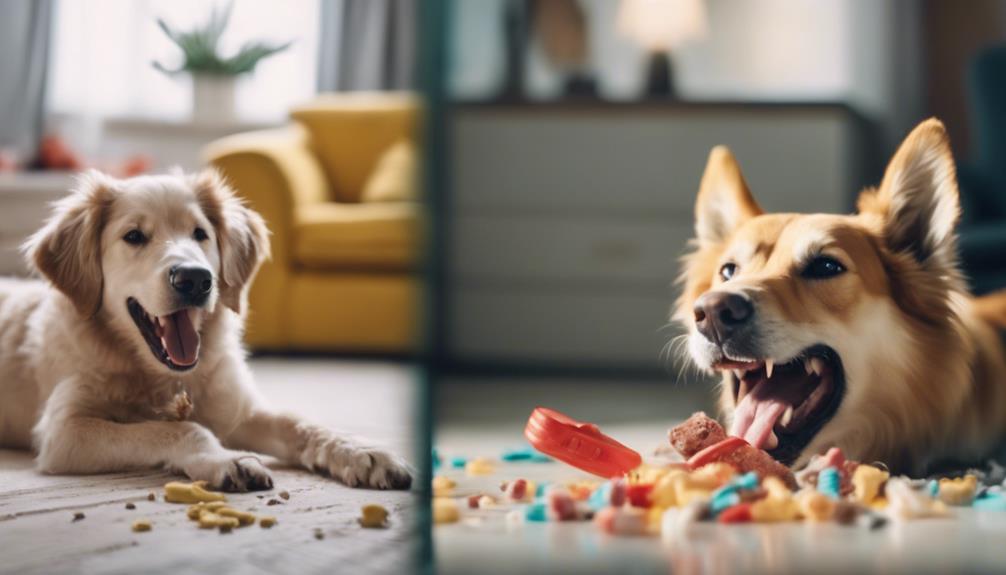
Regular cleaning is crucial for maintaining your dog's oral health. Brushing their teeth is an essential part of this process. While daily brushing is ideal, start with a manageable routine and reward good behavior to make the experience positive for your dog. You'll need a suitable toothbrush and toothpaste for effective cleaning.
Regular oral health assessments with a veterinarian are vital for identifying and addressing dental issues early on. Dental disease in dogs can lead to other health problems, such as heart disease.
Brushing helps remove subgingival plaque, but toothbrush bristles have limited reach (1-2 mm below the gumline). Plaque can develop below this level, as the normal gingival depth in dogs is 1-3 mm. To prevent plaque and maintain good oral health, brush your pet's teeth at least three times a week. Daily brushing is recommended for dogs with existing periodontal disease. Remember, brushing is not a substitute for annual anesthetic dental care.
Consequences of Poor Oral Health
Poor oral health in dogs can lead to serious health problems if left untreated. Periodontal disease, a common dental issue, affects over 80% of dogs by the age of three.
If you neglect your dog's oral health, you may notice changes in their behavior. For example, they might hesitate to eat or play due to painful gums and teeth. Bad breath can also be a sign of underlying oral health issues.
Ignoring these signs can lead to severe health problems, including heart disease. Research has shown a link between periodontal disease and an increased risk of heart disease in dogs.
Bacteria from infected teeth and gums can spread to other parts of the body, causing kidney and liver disease. By prioritizing your dog's oral health, you can prevent these health problems and ensure they live a healthy life.
To maintain your dog's oral health, take proactive steps to prevent periodontal disease. This can include regular dental check-ups, brushing their teeth, and providing dental chews and toys. By doing so, you can help prevent the consequences of poor oral health and keep your dog healthy and happy.
Expert-Recommended Dental Chews
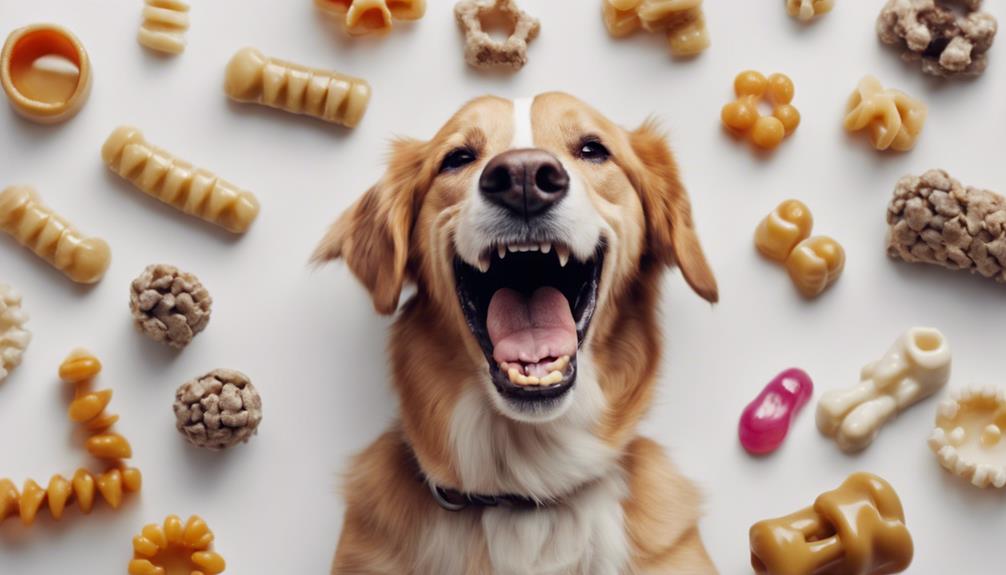
When it comes to preventing periodontal disease and promoting your dog's oral health, choosing the right dental chews is crucial. As a pet owner, you need dental chews that are both tasty and effective in maintaining your dog's oral hygiene.
Virbac C.E.T. Enzymatic Oral Hygiene Chews are a healthy option, containing less than 20% carbohydrates. Veterinarians recommend these chews for their effectiveness in reducing plaque and tartar buildup, a major contributor to periodontal disease.
If you're looking for a VOHC-approved option, Jasper 360° Dental Chews are a great choice. They use mechanical action to remove calculus, making them a tasty and effective way to improve your dog's oral health. OraVet chewable treats are another popular option, designed to reduce plaque and tartar buildup and create a protective barrier on your dog's teeth.
- Advertisement -
For dogs with specific dietary needs, Whimzee Brushzees chews are a great option. They're VOHC-approved and suitable for dogs with food allergies or sensitivities. C.E.T. VEGGIEDENT Flex Tartar Control Chews for Dogs are plant-based chews that help keep teeth clean, making them an excellent choice for pet owners looking for a natural and effective way to improve their dog's oral health.
Natural Toothpaste Options
Natural toothpastes can be a valuable addition to your dog's oral care routine, complementing regular brushing. These toothpastes often contain ingredients like peppermint, parsley, and eucalyptus, which help freshen breath and reduce plaque buildup.
Virbac C.E.T. Enzymatic Pet Toothpaste is a popular natural option, free from harsh chemicals and artificial flavors. Other pet toothpastes with natural ingredients like tea tree oil and aloe vera can help soothe gums and reduce inflammation.
When selecting a natural toothpaste for your dog, make sure it's safe for them to swallow, as they may ingest some toothpaste during brushing. Opt for toothpastes certified non-toxic and hypoallergenic, like Oxyfresh Pet Toothpaste, which are suitable for dogs with sensitive teeth and gums.
Dog Dental Wipes and Treats

Maintaining your dog's oral health can be challenging, especially when they resist brushing. Dog dental wipes, such as Dechra Vetradent Dental Wipes, provide an effective alternative. These wipes can be used alone or in conjunction with brushing to achieve optimal results. Incorporating dental wipes and treats into your dog's daily routine helps remove plaque and promotes healthy teeth and gums.
Dog Dental Wipes
Daily dog tooth brushing can be difficult, but dog dental wipes offer a convenient alternative for promoting good oral health. These wipes are designed to remove plaque, tartar, and bacteria that cause bad breath and gum disease. The Oral Health Council recommends daily dental care for dogs, and dental wipes can help keep teeth clean between brushings.
Daily use of dental wipes can remove loose food particles and debris, reducing the risk of dental problems. They're ideal for dogs that don't tolerate brushing well or for owners who struggle to brush their dog's teeth daily.
When selecting dental wipes, look for the Veterinary Oral Health Council (VOHC) seal of approval, ensuring they meet dental cleaning standards. By incorporating dental wipes into your dog's oral care routine, you can maintain their overall health and keep their teeth clean and healthy.
Effective Plaque Removal
Daily dental wipes are just the start. Adding dog dental treats and chews to your dog's oral care routine can significantly improve plaque removal. These treats and chews work well in addition to brushing and come in flavors and textures dogs enjoy. When selecting dental wipes or treats, look for the VOHC Seal of Acceptance, which ensures they meet the requirements for plaque or calculus reduction.
VOHC-approved dental chews, like OraVet and Whimzee, use mechanical action to remove calculus and prevent plaque formation. Regular use of dental wipes and treats helps reduce tartar buildup and promotes a healthy mouth. However, they should not replace regular dental cleanings and check-ups with a veterinarian.
Convenient Oral Care
Daily dental care is crucial for your dog's health, and incorporating convenient oral care solutions can make a big difference. For dogs that won't tolerate brushing, dental wipes like Dechra Vetradent Dental Wipes or Healthy Mouth AntiPlaque Wipes are a good alternative. They remove plaque and biofilm but don't reach under the gumline like toothbrushing does, making them a supplement to regular brushing.
VOHC-approved chews, such as Whimzee Brushzees and C.E.T. Enzymatic Oral Hygiene Chews, use mechanical action to remove calculus and clean teeth. Dental treats like OraVet chewable treats and Purina Pro Plan Veterinary Diets Dental Chewz reduce plaque and tartar buildup and create a protective barrier on a dog's teeth. You can use these dental chews and treats as rewards during toothbrush training to make the experience more positive and increase the likelihood of successful oral care.
VOHC-Approved Products for Dogs
When selecting dental products for your dog, look for the Veterinary Oral Health Council (VOHC) seal of approval. The VOHC tests products claiming to reduce plaque or calculus. By choosing VOHC-approved products, you can be confident they have been tested and meet the requirements for plaque or calculus reduction, ensuring their effectiveness in promoting oral health in dogs.
VOHC-approved products include PETSMILE ENZYMATIC TOOTHPASTE, a toothpaste recommended for dogs and cats with multiple flavor choices. ORAVET CHEWS and TARTAR SHIELD SOFT RAWHIDE CHEWS are also VOHC-approved, using mechanical action to remove calculus and promote healthy teeth and gums in dogs. For a more convenient approach, HEALTHY MOUTH water additive passively helps prevent plaque formation and is all-natural, making it a safe and effective addition to a dog's oral health routine.
These products have been tested and proven to be effective in promoting oral health in dogs. By using them, you can help ensure your dog's teeth and gums remain healthy.
Creating a Dental Care Routine
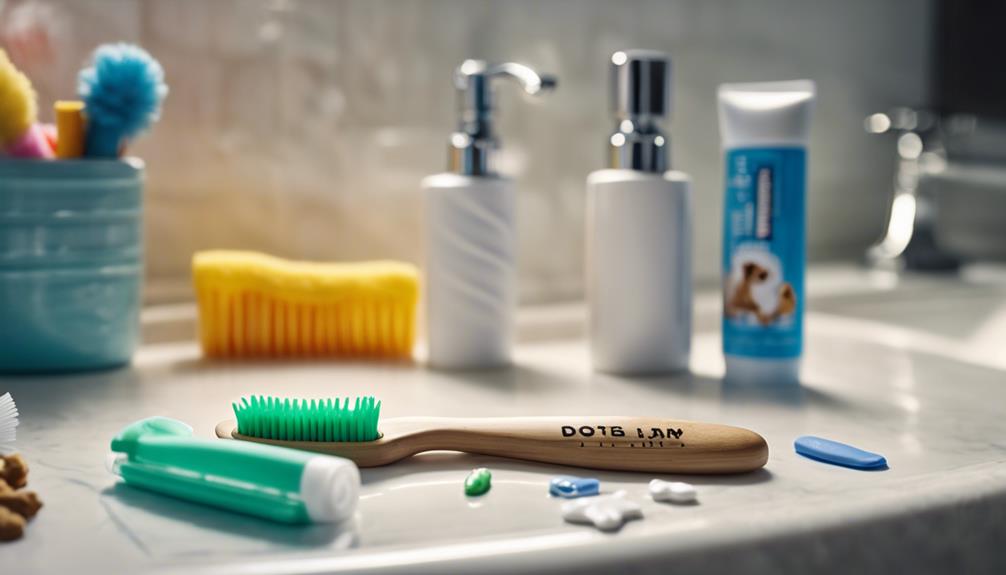
Establishing a consistent dental care routine is crucial for your dog's oral health. Start by brushing their teeth daily, using a suitable toothbrush and toothpaste. Virbac C.E.T. products, such as their Dual Ended Toothbrush and Plaque Tartar-Control Enzymatic Dog and Cat Toothpaste, are popular options recommended by veterinarians.
Regular oral health assessments with a veterinarian are essential for identifying and addressing dental issues early on. The Veterinary Oral Health Council recommends annual cleanings for dogs. In addition to daily brushing, using dental chews and treats can help supplement your efforts and reduce plaque and tartar buildup. Virbac C.E.T. Enzymatic Oral Hygiene Chews are a good option.
Introduce dental care products gradually to help your dog acclimate to new sensations. This can include dental wipes or water additives. By incorporating these simple steps into your dog's daily routine, you can help maintain their oral health and prevent dental issues. A consistent dental care routine is key to keeping your dog's mouth healthy.
Remember to:
- Brush your dog's teeth daily
- Use a suitable toothbrush and toothpaste
- Schedule regular oral health assessments with a veterinarian
- Use dental chews and treats to supplement your efforts
- Introduce dental care products gradually to minimize stress
Frequently Asked Questions
What Is the Best Way to Clean Your Dog's Teeth at Home?
To clean your dog's teeth at home, start with daily brushing using a gentle touch. You'll need a toothbrush designed for dogs and canine toothpaste. Make it a routine by incorporating dental chews or adding a dental powder to their meals. Gentle scrubbing is essential, so avoid using harsh strokes or excessive pressure. If you're unsure, consult with your veterinarian to confirm you're doing it correctly.
What Is the Most Effective Dog Dental Care?
Effective dog dental care requires a multi-faceted approach. Start by consulting with your veterinarian and referencing dog dental charts to create a personalized routine. This routine should include regular professional cleanings, daily brushing, and dental diets. Additionally, provide your dog with chew toys that offer dental benefits. Regular oral exams are also crucial for catching any potential issues early on. By following this comprehensive plan, you can help prevent periodontal disease and ensure your dog's oral health.
How Can I Get Plaque off My Dog's Teeth Naturally?
Removing plaque from your dog's teeth naturally can be achieved through a combination of methods. Dental chews or raw bones can be incorporated into their daily routine to scrape off plaque. Natural remedies like coconut oil, apple cider vinegar, and turmeric powder can also help reduce plaque. You can add these remedies to your dog's food or use them as a toothpaste. Herbal treats are another option to support your dog's oral health. By using these methods consistently, you can effectively remove plaque and promote a healthy smile for your dog.
What Home Remedy Can I Give My Dog for Bad Teeth?
Bad teeth in dogs can be tackled with simple, natural remedies. Adding fresh parsley to their meals helps combat dog breath and bad smells. Gum massage, dog chews, and raw bones can also help remove plaque. Herbal supplements can be added to their diet for an extra boost.
These remedies can improve your dog's oral health. Fresh parsley has antibacterial properties that help freshen breath. Massaging your dog's gums stimulates blood flow, reducing inflammation. Dog chews and raw bones help remove plaque and tartar, while herbal supplements provide additional support.
In summary
To provide the best home dental care for your dog, follow these guidelines. Did you know that 80% of dogs develop oral disease by age three? Regular dental care can prevent painful and costly problems later on. Good dental health is crucial for your dog's overall well-being.
- Advertisement -