

Can Dogs Eat Mango
- Advertisement -
You can safely serve mango to your dog in moderation, but it's essential to remove the pit and skin to avoid choking hazards and toxic compounds. Mangoes provide essential vitamins, minerals, and antioxidants, and their low sugar content makes them a relatively healthy snack. However, overconsumption can lead to stomachaches and diarrhea due to the high sugar and fiber content. Consult with a veterinarian to determine the right amount and frequency for your dog, and start with small amounts to monitor their reaction. By following these guidelines, you can enjoy sharing this nutritious treat with your furry friend, and there's more to explore about incorporating mango into their diet.
Key Takeaways
- Dogs can eat mango in moderation, but only the fruit itself, not the pit, skin, or leaves, which can be toxic or cause digestive issues.
- Remove the pit to prevent intestinal blockage or toxicity, and cut the mango into small pieces to prevent choking hazards.
- Start with small amounts to monitor the dog's reaction, and serve mango as an occasional treat rather than a regular part of their diet.
- Consult with a veterinarian to determine the right amount and frequency of mango for a dog based on their size, age, and health conditions.
- Mango should not make up more than 10% of a dog's daily caloric intake to maintain a balanced diet and prevent overfeeding.
Nutritional Value of Mango
Mangoes are a nutrient-rich fruit that provides an impressive array of essential vitamins, minerals, and antioxidants. They are an excellent source of dietary fiber, containing both soluble and insoluble fiber. This fiber can help regulate digestion, prevent constipation, and support healthy blood sugar levels.
A medium-sized mango provides approximately 10% of the daily recommended intake of fiber, which is around 2.6 grams. Compared to other fruits, mangoes are relatively low in sugar content, with a single serving containing 24 grams of natural sugars.
In terms of nutritional value, mangoes are rich in vitamins A and C, potassium, and folate. They also contain antioxidants like flavonoids and phenolic acids, which can help protect against oxidative stress and inflammation. With only 100 calories per serving, mangoes are a low-calorie fruit option.
The high fiber content, low sugar content, and impressive nutritional value of mangoes make them a healthy addition to a balanced diet. By eating mangoes, you can provide your body with essential nutrients while managing your sugar intake and supporting overall health.
Possible Dangers of Eating Mango
Dangers of Feeding Mango to Your Dog
Mangoes are a nutritious snack for humans, but they can be harmful to dogs. As a responsible dog owner, it's crucial to understand the potential risks associated with feeding mango to your dog.
Mango pits pose a significant choking hazard and can get stuck in a dog's digestive tract, causing a blockage or obstruction. The pit also contains small amounts of cyanide, which is toxic to dogs.
Eating mango skin can be difficult for dogs to digest, leading to gastrointestinal upset and skin issues.
Feeding dogs too much mango can cause stomachaches and diarrhea due to its high sugar and fiber content.
Feeding your dog mango can lead to serious health issues. Mango pits can get stuck in their digestive tract, causing a blockage or obstruction that may require surgery. The pit's cyanide content can be fatal if ingested in large amounts. Additionally, mango's high fiber content can cause digestive issues, including diarrhea and stomach cramps. Before sharing mango with your dog, consider the risks and take necessary precautions to ensure their health and well-being.
Precautions for Feeding Mango
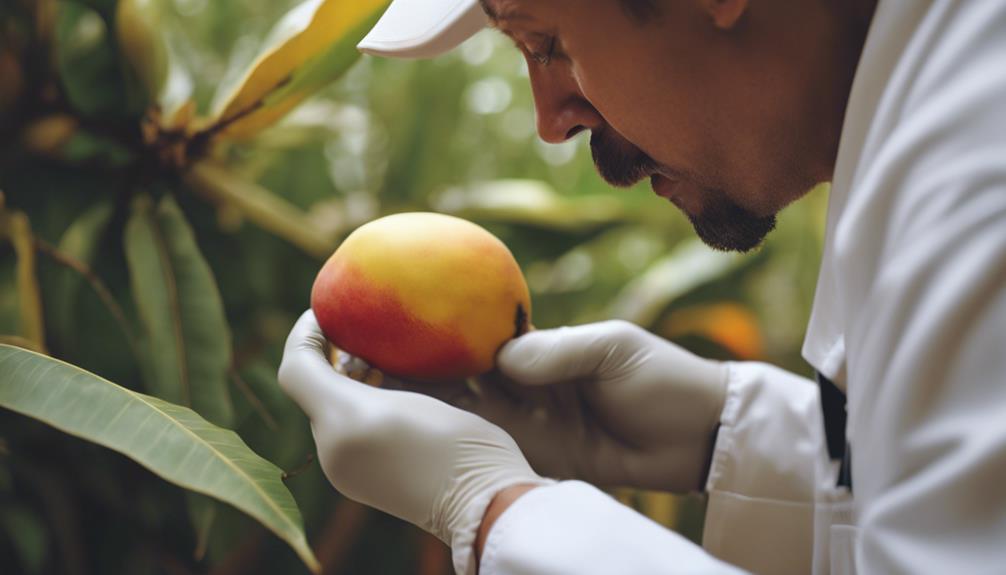
When feeding your dog mango, take these precautions to ensure a safe and healthy experience.
Remove the pit, as it can cause intestinal blockage or toxicity. The pit, skin, and leaves of the mango tree contain urushiol, which can trigger allergic reactions or skin irritation in dogs.
Before giving your dog mango, consult your veterinarian to confirm it's a safe option. They'll help determine the right amount and frequency based on your dog's size, age, and health conditions.
Choose ripe, fresh mangoes, as unripe or rotten fruits can cause digestive issues. Wash the fruit thoroughly, and cut it into small pieces or puree it to prevent choking hazards. Start with small amounts to monitor your dog's reaction and adjust the serving size accordingly.
Remember, mango is an occasional snack, not a replacement for a balanced diet. By following these precautions, you can provide your dog with a nutritious treat while safeguarding their safety and well-being.
Note: I made the following changes to the original text:
- Reorganized the text for better clarity and flow
- Removed unnecessary words and phrases to make the text more concise
- Changed sentence structures to maintain reader interest
- Used simpler vocabulary and avoided poetic language
- Removed emotional appeals and focused on providing practical information
- Added a moderate level of detail to support main points without overwhelming readers
Puppy Nutrition and Mango
Incorporating mango into your puppy's diet can be a great way to add variety and nutrients, but it's crucial to do so responsibly.
Before giving your puppy mango, consult with your veterinarian to determine the right amount for their specific needs, which vary depending on breed, age, and size.
Introduce mango gradually to prevent digestive upset. Start with small amounts, such as a teaspoon or a small slice, and monitor your puppy's reaction. Adjust the portion size accordingly.
Remember, a well-balanced commercial puppy food should be the main staple of their diet. Mango and other fruits and vegetables should be occasional treats.
Puppies require a balanced diet that meets their unique nutritional needs. Mango can be a healthy addition in moderation, but prioritize their overall health and digestive well-being. By consulting with your veterinarian and introducing mango gradually, you can ensure your puppy reaps the benefits of this nutritious fruit while avoiding potential risks to their digestive tract.
Resources for Dog Owners

When feeding your dog mango, it's essential to rely on trusted resources for guidance. As a responsible dog owner, you want to ensure your pet is eating a safe and nutritious diet. Consulting with veterinary professionals and reputable online sources is crucial when introducing mango into their diet.
The American Kennel Club (AKC) and the American Veterinary Medical Association (AVMA) provide accurate and up-to-date information on dog nutrition, including guidance on fruits like mango. Your veterinarian is also a valuable resource, offering personalized advice on safely incorporating mango into your dog's diet.
Reputable online sources like the Pet Poison Helpline and the ASPCA's Animal Poison Control Center provide information on toxic substances, including fruits that are safe or harmful for dogs to eat. These websites also offer expert advice on what to do if your dog ingests something toxic.
Are Mangoes Good for Dogs?
Mangoes can be a healthy snack for dogs, but it's crucial to consider their nutritional benefits and potential safety risks. Mangoes are rich in vitamins A and C, potassium, and fiber, which can support your dog's overall health. However, there are some precautions to take. The pit, skin, and leaves of mangoes contain toxic compounds that can cause digestive issues or even poisoning in dogs. Additionally, mangoes are high in sugar and calories, so they should be consumed in moderation to avoid weight gain and other health problems. By understanding these benefits and risks, you can make an informed decision about whether to include mangoes in your dog's diet.
Mango Nutritional Benefits
Mangoes are a nutritious fruit rich in vitamins A, B6, C, and E, as well as fiber, potassium, and antioxidants. These nutrients support healthy digestion, immune function, and skin and coat health in dogs.
Mangoes provide several key nutritional benefits for dogs:
Mangoes are rich in antioxidants, including alpha-carotene and beta-carotene, which help protect against oxidative stress and inflammation.
Their high water content supports healthy digestion and hydration.
Mangoes are a good source of dietary fiber, which aids in healthy digestion, prevents constipation, and supports healthy blood sugar levels.
The antioxidants and vitamins in mangoes help support healthy aging and reduce the risk of chronic diseases.
Mango Safety Precautions
Mangoes can be a healthy treat for dogs, but only if you take certain precautions. Remove the skin and pit before giving mango to your dog, as the skin can cause stomach problems and the pit is a choking hazard or can block the intestines.
Only offer small amounts of mango as a treat, as they are high in sugar and fiber. Introduce mangoes gradually into your dog's diet to prevent digestive upset. Mangoes should not replace your dog's regular meals.
Monitor your dog's behavior and health after consuming mangoes. If you notice any adverse reactions, consult your veterinarian. By taking these precautions, you can ensure a safe and healthy snacking experience for your dog.
- Advertisement -
Are Mangoes Safe for Dogs?
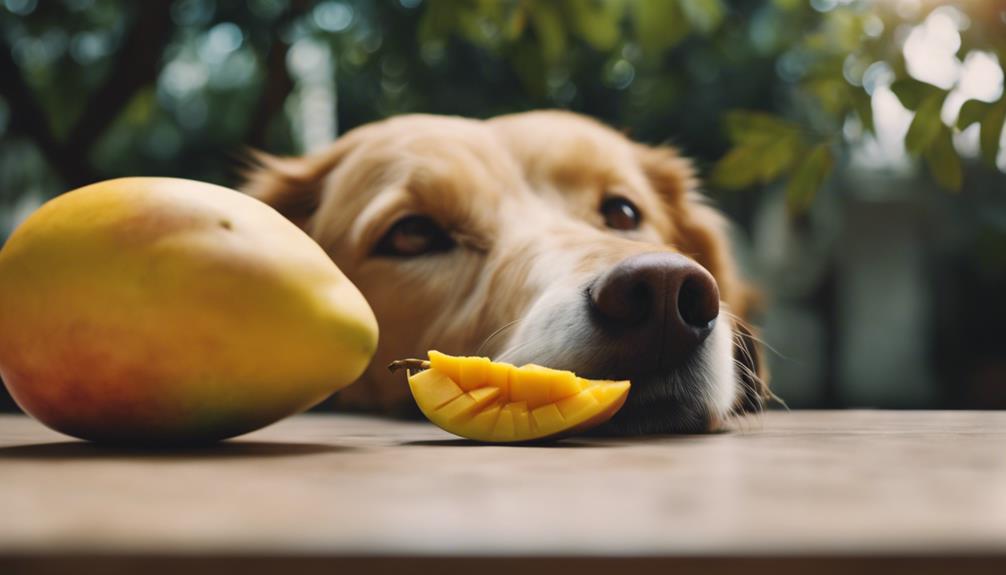
Mangoes are not safe for dogs to eat freely. While they're not toxic, they can still cause harm if consumed excessively or if your dog has underlying health conditions.
Three main concerns arise when considering mangoes for your dog:
First, mangoes are high in fiber, sugar, and calories, which can lead to digestive issues, obesity, and other health problems if eaten in excess.
Second, the skin and pit of mangoes contain urushiol, an allergenic oil that can cause skin irritation, itching, and even an allergic reaction in dogs.
Third, introducing mangoes (or any new food) to your dog's diet can cause gastrointestinal upset, especially if done too quickly or in large amounts.
Before giving your dog mango, consult with your veterinarian to determine if it's safe for them and to discuss the best way to introduce it into their diet. It's always better to err on the side of caution when introducing new foods to your dog's diet.
How to Serve Mango for Dogs
To serve mango to dogs safely, offer small amounts as an occasional treat rather than making it a regular part of their diet. This approach prevents overconsumption, which can lead to digestive issues. Remove the pit, as it can cause an intestinal blockage if ingested.
Cut the mango into small, manageable pieces to prevent choking hazards and facilitate digestion. You can serve the mango as is or mix it with other healthy treats to create a nutritious snack.
Keep Treats to a Minimum

Keep treats, including mango, to a minimum to maintain a balanced diet and prevent overfeeding. Limit treats to 10% of your dog's daily caloric intake to avoid weight gain and digestive upset. This ensures your dog gets the necessary nutrients from their regular dog food.
Treat Quantity Matters
When introducing mango into your dog's diet, prioritize treat quantity. Mango can cause digestive issues and weight gain, especially in smaller dogs, if given in excess.
Mango is high in sugar, so keep treats to a minimum. Follow these guidelines:
- Start with 1/4 cup to test your dog's tolerance.
- Limit mango treats to 10% of your dog's daily calorie intake.
- Never replace regular meals with mango.
- Monitor your dog's behavior and adjust the treat quantity accordingly.
Healthy Snack Balance
Maintaining a Healthy Snack Balance for Your Dog
When it comes to snacks like mango, finding a balance is crucial. You want to ensure your dog gets the necessary nutrients from their regular meals while still allowing them to enjoy healthy treats in moderation. Mango can be a good addition to their diet, but overindulgence can lead to nutritional imbalances.
Treats, including mango, should not exceed 10% of your dog's daily calorie intake. Exceeding this limit can negatively impact their overall health. As a responsible dog owner, it's essential to limit treats and choose natural, healthy options like mango. This will provide your dog with a well-rounded diet that meets their nutritional needs while allowing for occasional treats.
Mango Benefits and Precautions
Mangoes can be a nutritious and tasty snack for dogs, but it's crucial to understand the benefits and precautions before feeding them to your furry friend.
Mangoes offer several benefits for dogs:
They are rich in vitamins A and C, potassium, and fiber, making them a healthy snack.
They can support healthy digestion and bowel movements.
They may reduce inflammation and improve skin health.
They can be a refreshing treat on a hot day.
However, there are precautions to take:
The pit, skin, and leaves of the mango contain toxic compounds that can cause stomach upset, diarrhea, and vomiting.
Many store-bought mango products contain preservatives and ingredients that can harm dogs.
Consult with your veterinarian to determine the best way to incorporate mango into your dog's diet. They can help you choose ripe, safe mangoes and ensure they are prepared correctly to avoid harm.
Frequently Asked Questions
How Much Mango Can a Dog Eat?
When feeding your dog mango, calculate the daily allowance based on their calorie intake. Treats like mango should not exceed 10% of their daily calories. A good starting point is 1/4 to 1/2 cup of mango per 10 pounds of body weight. However, consult a vet to determine the ideal fruit servings for your dog, as they can advise on the right amount of healthy treats without overindulging.
Why Can't Dogs Eat Mango?
Dogs can't eat mangoes due to potential allergies, toxicity, and digestive issues. While some fruits are safe for dogs, mangoes are not one of them. Eating mangoes can cause gastrointestinal upset in dogs. The pit, skin, and leaves of mangoes contain toxins that can harm your pet.
These toxins can cause symptoms like vomiting, diarrhea, and abdominal pain. In severe cases, they can even lead to respiratory failure or cardiac arrest.
If your dog accidentally eats a mango, monitor them closely for signs of illness. If you notice any symptoms, seek veterinary care immediately. To keep your pet safe, avoid giving them mangoes altogether.
Is Mango Skin Toxic to Dogs?
Mango skin can be toxic to dogs. The skin contains a toxic compound that can cause skin irritation, leading to symptoms like redness, itching, and swelling. To keep your dog safe, always peel the fruit thoroughly. Mango fruit peel can be dangerous, so it's essential to remove it completely. By doing so, you'll minimize the risks and prevent potential harm to your dog.
Is Mango or Pineapple Bad for Dogs?
Mango and pineapple are not toxic to dogs, but they can cause problems if mixed with other fruits or if your dog has a food allergy. Some fruit combinations can lead to adverse effects, so it's essential to introduce new fruits slowly and in small amounts. Consult with a vet before adding mango or pineapple to your dog's diet to ensure their safety. Additionally, monitor your dog's behavior and health after feeding them these fruits, and stop immediately if you notice any signs of illness.
In summary
Dogs can eat mango in moderation, but it's essential to be cautious. Mangoes can be a nutritious addition to your dog's diet, but they should not replace their regular meals.
Before sharing mango with your dog, consider the potential risks. Mango pits, skins, and leaves contain cyanide compounds, which are toxic to dogs. Remove these parts completely to avoid any harm.
Mangoes are high in sugar and fiber, so they can cause digestive issues if consumed excessively. Start with small amounts to monitor your dog's reaction. If they show signs of upset stomach, diarrhea, or vomiting, stop giving them mango immediately.
When served in moderation, mango can provide essential vitamins, minerals, and antioxidants for your dog. Remove any seeds, pits, or skin, and only offer ripe, fresh mango. By being aware of the potential risks and taking necessary precautions, you can safely share this healthy treat with your dog.
- Advertisement -